
Roofing for Cities, Counties and Public Agencies in Missoula, MT
Cities, Counties and Public Agencies
A public roof project in Missoula, MT fails most often in the order of paperwork, not the order of work. Funding is approved in one season, the bid closes in another, and the award lands after the best weather has passed. A roof that was supposed to be installed in July is then installed in October, with a freeze coming, or it waits for the next year while the old membrane carries one more winter of snow. A winter brings about 39.5 inches of snow and four months of ground cover, so the install window is real and short.
We write the scope, the quantities and the phasing so the bid can close early enough to use the window.
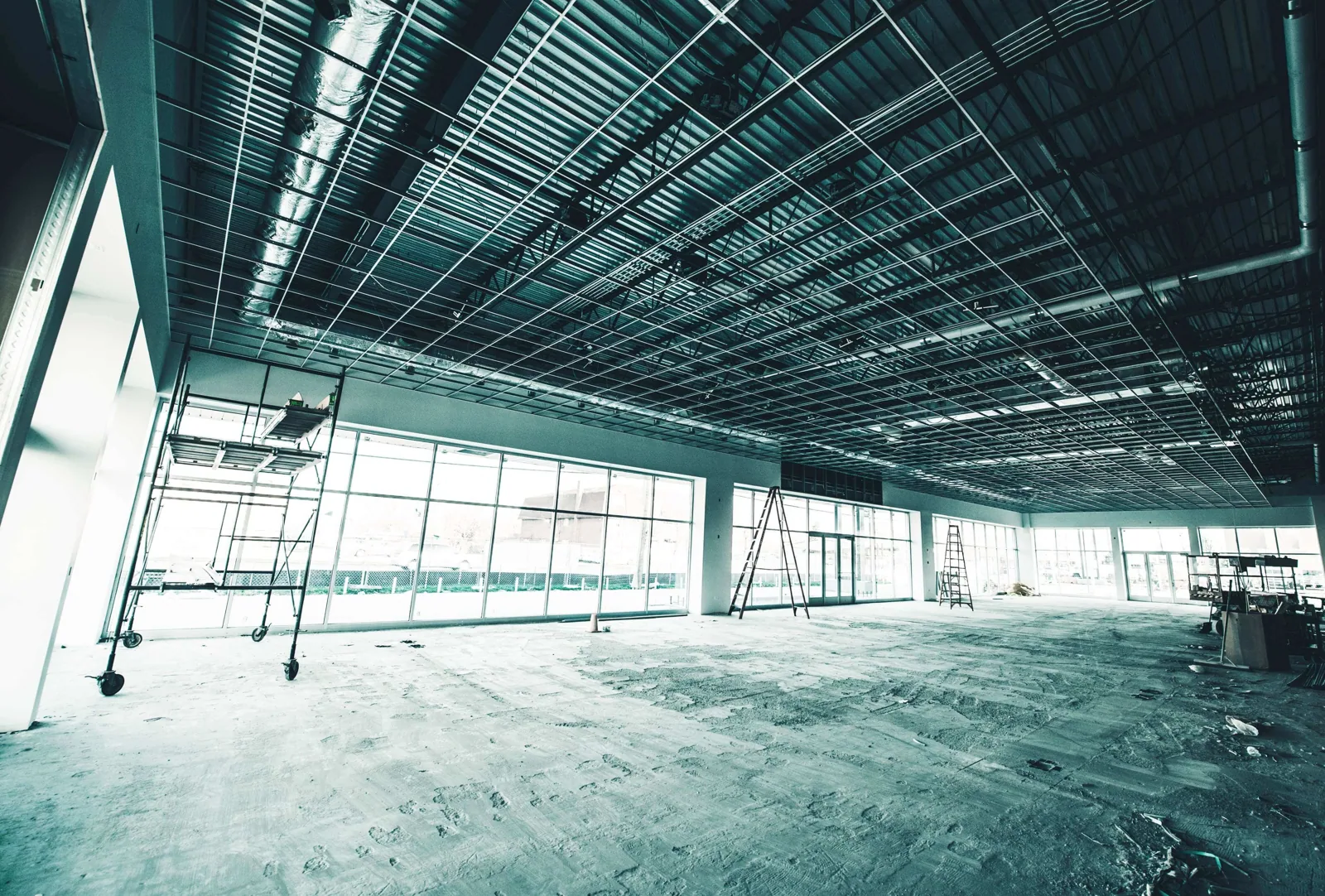
Write the scope so bidders can compare it
A public scope needs to be specific enough to price and open enough to compare. We state the roof area, the existing system and the findings, then list the work as numbered items with quantities: square feet of membrane, linear feet of flashing, counts of curbs and drains. Alternates go on their own lines, such as added insulation, a cover board or better edge metal, so the agency can accept or decline each against the money available.
Exclusions are written down. We state what a hidden condition would change and how it will be priced. Photographs and the moisture map travel with the scope as exhibits, so an addendum can refer to what was visible on bid day. Our roof condition reports are built to attach to a bid package as they stand.
Access terms belong in the scope as well. Where does the lift go, which gate does the crew use and where do deliveries stage? On a downtown block, those answers change the price, so we ask early and write them into the bid. For a secure site, the scope lists tool counts, escorts and set hours.
Rank buildings by consequence and by failure order
Most agencies cannot replace every worn roof in one year, so the order matters. We rank by what fails first and by what the failure costs. Drain sumps and edges come first, because blocked drainage turns a thaw into an interior loss. A roof over a records vault, a dispatch center or a public counter ranks above a roof over a storage yard.
The ranking goes into a roof capital plan that spreads replacement across several years. A multi-site roof program sets one inspection method and one report format for every building, so a council can compare a library with a maintenance shop on equal terms.
Funding arrives in pieces. The plan shows which roofs can be repaired now to hold and which are worth waiting for as full replacements.
Public work also involves other property owners. A county development park near the airport, where about 400 acres of industrial land south of the airfield is planned for light manufacturing, can bring tenants who lease from a public owner. A property manager on a leased public building uses the same ranking to settle who pays for what.

Check drifts and thaw on public roofs
Snow loads on the roof start from 40 psf at the ground, per ASCE 7-16. Public buildings can have large spans, raised mechanical rooms and steps in the roofline, and drifts that build against them can put more weight on a strip than the open field carries.
Likely drift lines go on the plan, and sag or cracked fasteners are logged. Where there is distress, a structural review comes before a recover or an equipment lift. The 2011 Bonner mill roof collapse under snow is why this step is not skipped on a large, old, low-slope roof.
Thaw cycles do the next damage. About 45 days a year never rise above freezing, and a blocked drain sump freezes. Sumps are cleared in fall and rechecked in the first thaw.
Handle older and historic public buildings
The city lists more than 60 National Register buildings, among them the Wilma Building, finished in 1921 as the first steel-framed structure in Missoula. A public building in or near downtown Missoula may sit on older masonry, with tall parapets, internal gutters and drains that have been patched many times.
We survey first and propose second. Older assemblies hide framing and drainage conditions that a new building would not, and the scope names items that can only be confirmed after tear-off. Any change to the visible edge or color is cleared with the agency's preservation contact before material is ordered.
Federal and military sites follow their own rules. At Fort Missoula an enclave of about 30 acres serves Army Reserve and Montana Army National Guard units. The work there is planned for escorts, badging and mission schedules, as in our military installation roofing approach.
Schedule around public use and street work
Public buildings stay open. A library has story hour, a court has hearings and a recreation center has leagues. We work in sections, dry in each the same day and keep entries clear. The staging area and the material hoist go where public parking and delivery routes do not cross.
Street projects affect the schedule too. Montana DOT and the city are designing reconstruction of Russell Street from Dakota Street to Mount Avenue and West Broadway from Mullan Road to Toole Avenue, with construction tentatively scheduled for spring 2029. A public building on that corridor needs its roof work sequenced around lane closures, and we coordinate with the Russell Street and West Broadway corridor plan as it develops.
School districts work to a break-based calendar of their own. A single office building follows a lighter plan, like any government building roof.
Close each phase with a punch list
A walk, a punch list and photographs end every phase. Drains are tested, flashings checked and the surface cleaned. The facilities lead signs off, and the record goes into the building file. Public records requests are common, so every document is written for a reader outside the building.
A condition file with dated photographs shortens future bid questions. Bidders do not need to guess at the condition, so they do not pad the price for the unknown. The agency gets a fairer bid, and the next facilities lead inherits a record. Where a bid addendum changes a quantity, the revised line carries the photograph that supports it, which keeps the file readable for the next facilities lead.
Related Roofing Pages

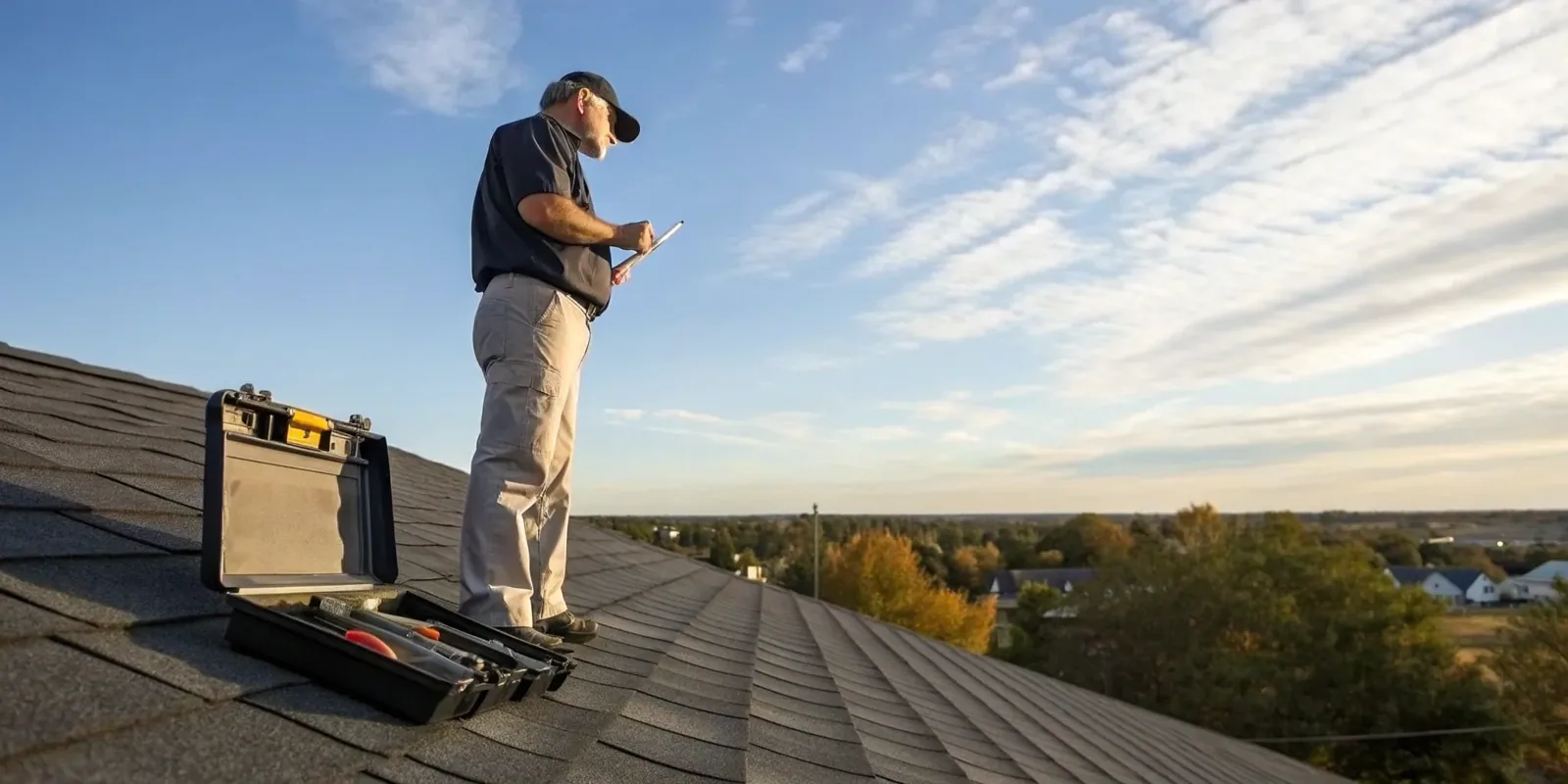
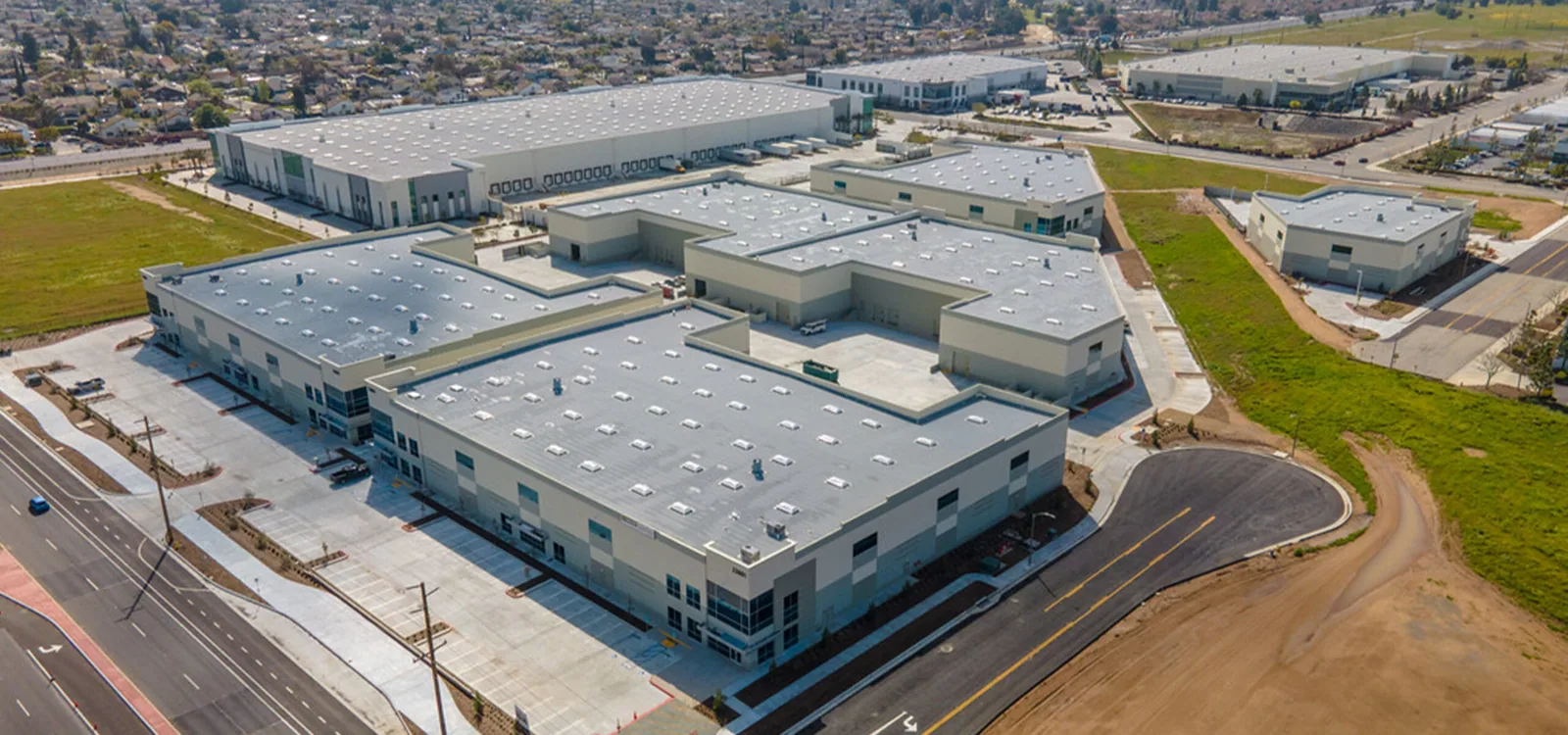
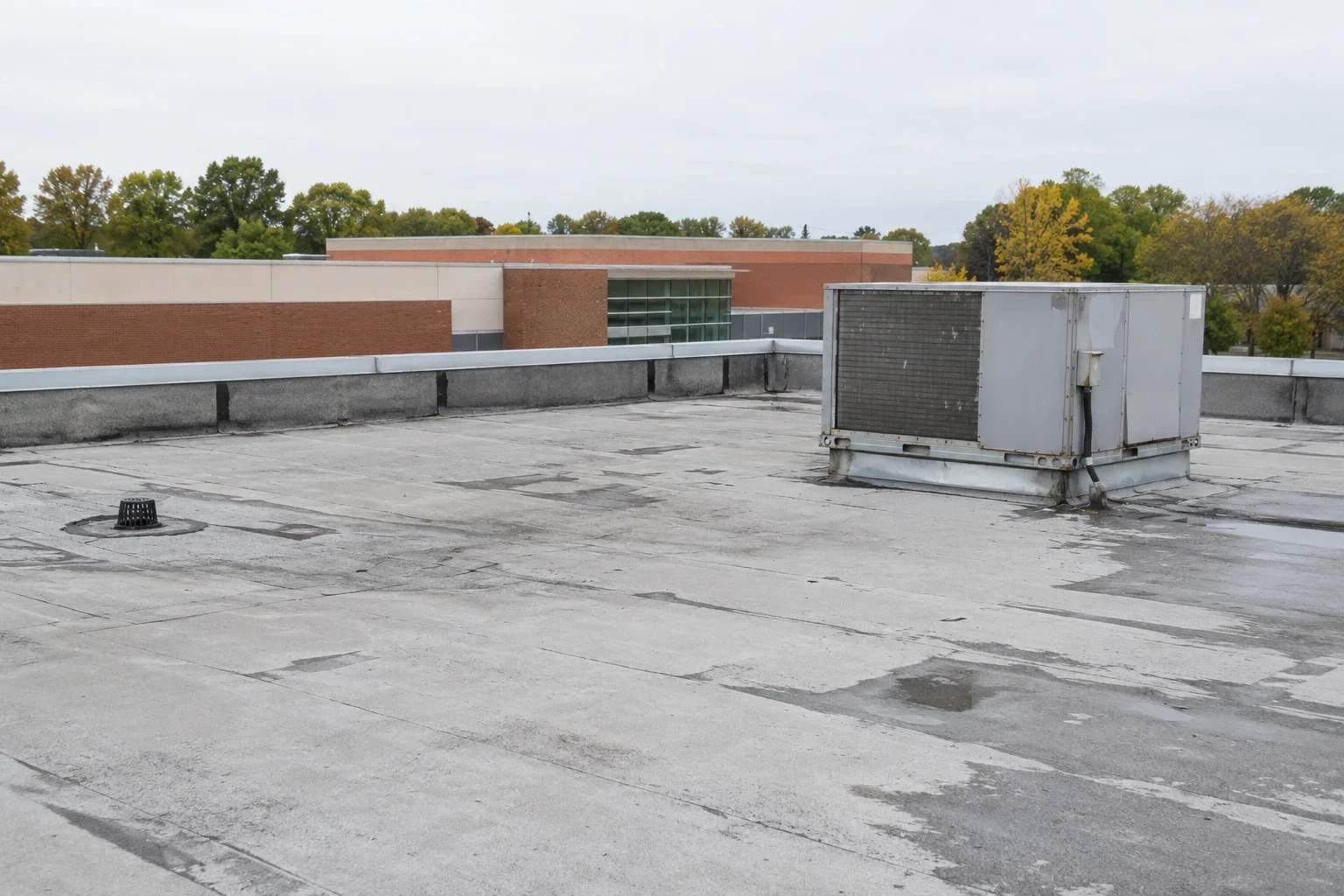
Send the building list and the funding calendar
Send the facility list, any roof records and the dates of your budget and bid cycles, and we will map the survey, the phasing and the staging area so the work can use the first weather window.
Call 555-555-5555 or email [email protected].
Questions About Cities, Counties and Public Agencies
Can your scope fit a cooperative purchasing contract?
We can write the scope so its lines map to a cooperative or competitive bid format. The purchasing office chooses the contract path. Quantities and unit costs are written to transfer into either.
How long from survey to bid documents?
A survey takes a day or two per building, and the written scope follows once readings are reviewed. Large portfolios take longer, since the ranking itself needs a second pass.
What if the agency has no roof records?
We build them: a roof plan sketch, system identification from cores or edge cuts, dated photographs and a drain count. The first survey becomes the baseline for later visits.
Do public roof projects need bonds or special insurance?
Public work often asks for performance and payment bonds and set insurance limits. The agency's contract documents state them, and we price the work with them included.
How are unforeseen damp layers handled in a bid?
The bid carries a unit price for replacing saturated insulation, applied to measured quantities after tear-off. The agency gets a fixed rate and the measured quantity sets the total.