
About Commercial Roofing Missoula
A roof job succeeds or fails on the order of its steps, and Commercial Roofing Missoula is built to put those steps in the right sequence. We work on commercial roofs in Missoula, MT and the valley towns around it: low-slope membranes, standing seam and retrofit metal, spray foam, and coated roofs. Owners and managers come to us with a leak, a failing roof or a building purchase, and we begin the same way every time: find out what has to happen first on that roof, and what breaks if it happens out of order.
That approach is shaped by where we work. Missoula carries a 40 psf design ground snow load, about 39.5 inches of snow in a winter and snow on the ground roughly 120 days a year. The weather window for tear-off and coatings is short, and the thaw cycle decides which details fail first. A plan that ignores those facts costs the owner twice.
How We Work on a Commercial Roof
Who We Build This For
Our clients are owners, property managers, facility managers, asset managers and general contractors. Their buildings range from retail and hotels along Reserve Street to the University of Montana campus, from hospitals and schools to industrial space near the airport and the Bonner mill site. Each building has a different operating pattern, and the roof plan follows it.
A manager of several buildings gets a ranked list across the whole set, so budgets follow urgency. A single-building owner gets a clear choice among repair, recover and replacement. A contractor gets a dry-in date and a crane schedule that fit the rest of the job. The plan differs for each of the property types we roof and for the industries that own them, since a hospital, a warehouse and a hotel carry different risks.
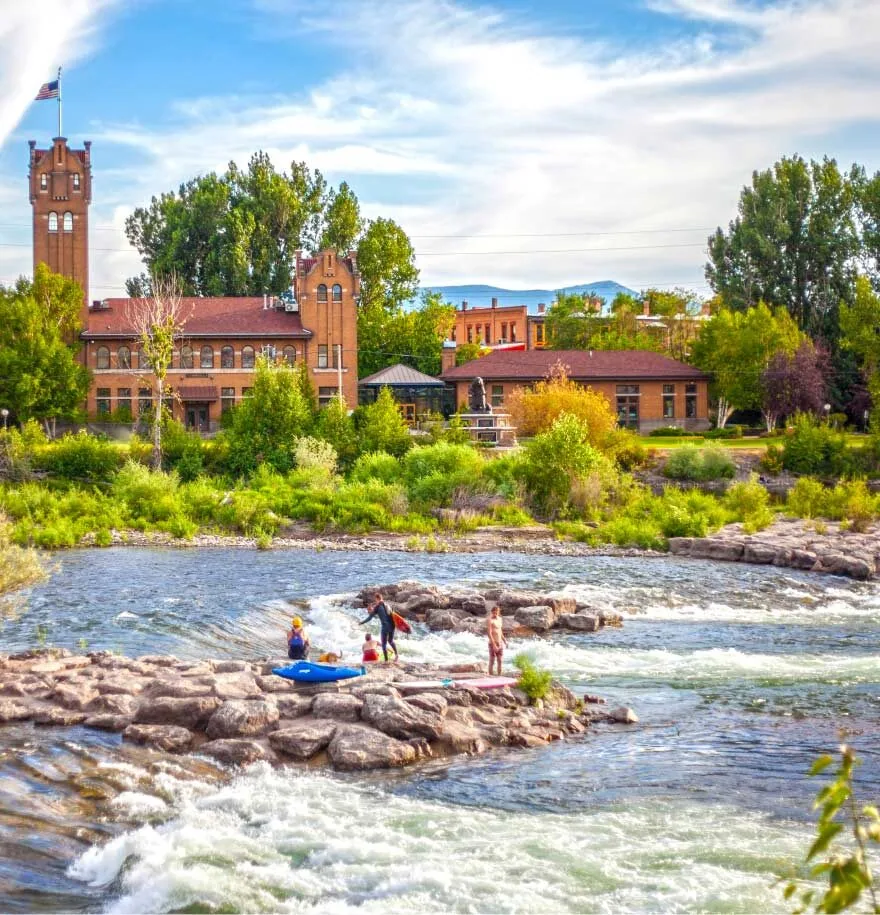
Why Snow Load and Thaw Shape Every Plan
In this market, snow is the governing condition. Roof snow loads are calculated from the state ground snow load under ASCE 7-16, and a recover or a heavier system must fit inside the structure's capacity. Drifts at parapets and rooftop units put uneven weight on the deck, and thaw cycles drive water into small gaps and then freeze them open.
Heat matters as well. Missoula has recorded 107 F, and daily swings above 30 F late in the summer work every seam. Hail has fallen on central and south Missoula, and in 2011 heavy snow collapsed much of the former Bonner mill roof. We treat those events as inputs to the plan: structural checks before a recover, snow guards over doors, drains cleared before the first storm, and the work scheduled for dry months. For roofs already damaged, damage repair work follows the same logic.
Work Around Tenants and Operations
Occupied buildings are the normal case. We phase tear-off in sections that can be closed each day, keep entrances open and cover walkways below the work zone. Rooftop equipment shutoffs are planned to the hour, and noisy phases are moved to the times that cost the tenant least.
A retail store on a busy corridor needs deliveries away from peak hours. A school needs quiet during classes. A hospital needs air handling kept running. The same planning tool serves all three: the schedule sheet that goes to the tenant before the crew arrives, and that is reissued whenever weather moves a phase. Emergency response runs around the clock, holidays included, and the first aim is always a temporary dry-in that stops water entry.
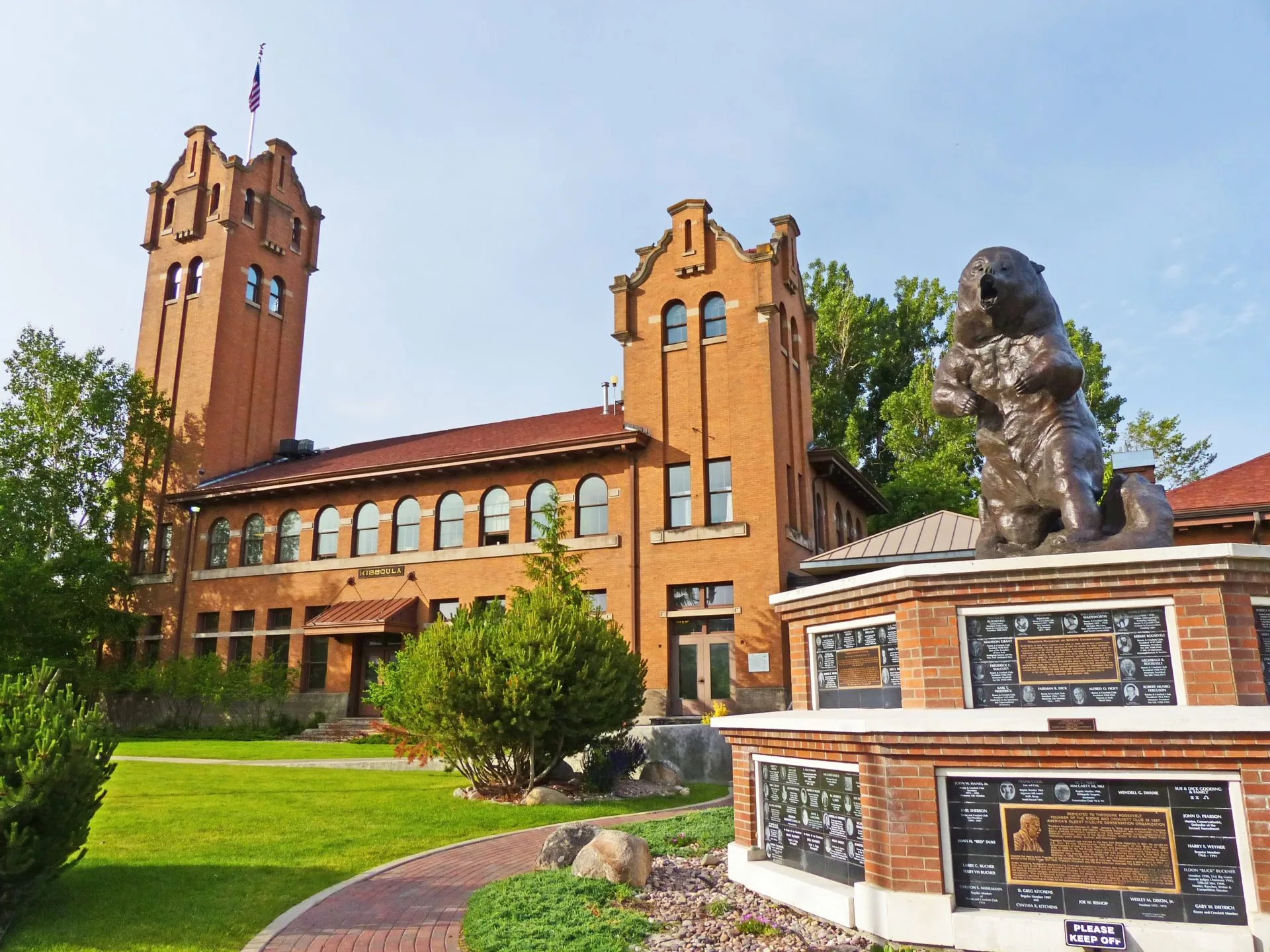
Where We Work
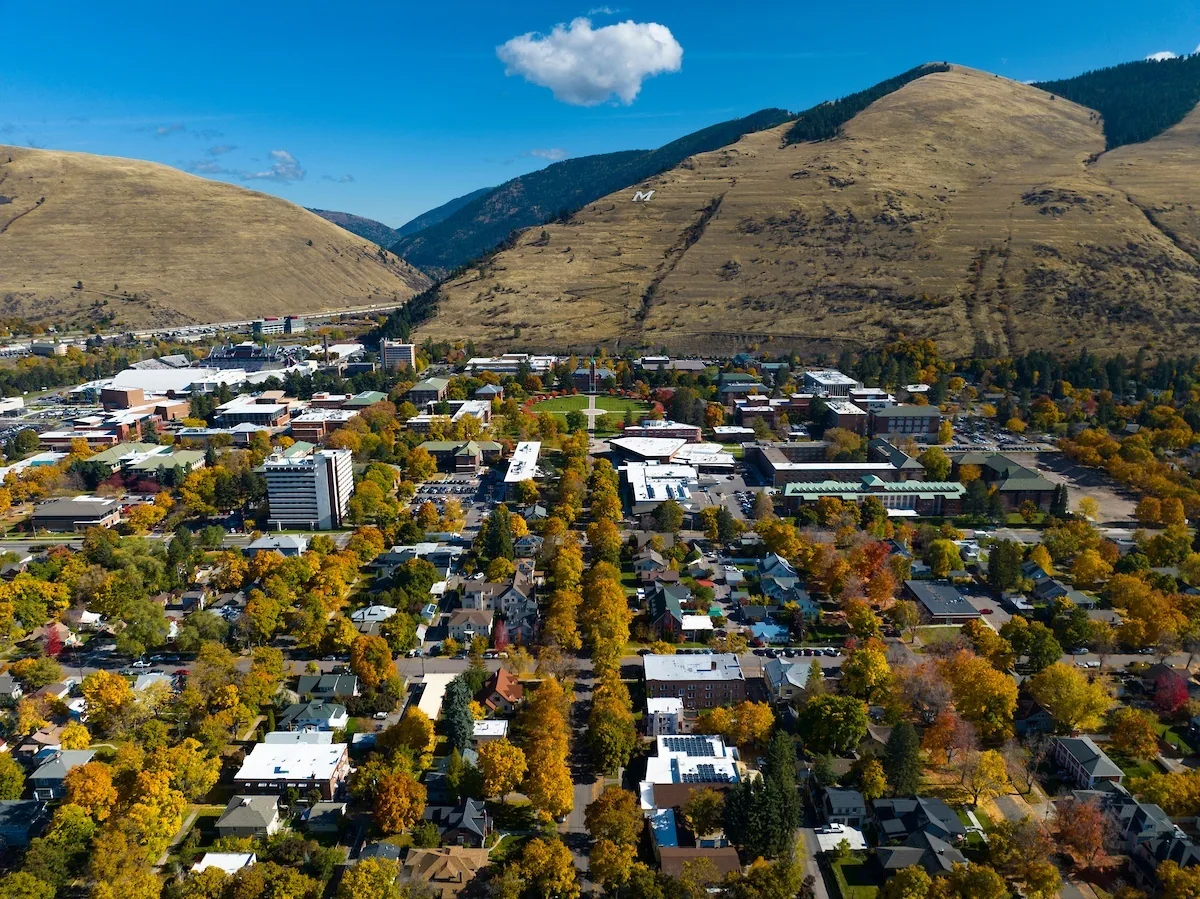
We serve Missoula's districts, from downtown and the University District to the retail corridors, and the valley towns reached by I-90, US 93, US 12 and the state highways. Longer hauls are planned as full-day mobilizations with temporary protection on the truck. Access and snow differ from one of our service areas to the next, so the delivery route and crane position are set for each location.
Our work also extends to military and public buildings. Fort Missoula holds an Army Reserve and Army National Guard enclave, and roofing on an installation involves base access, escort, badging and scheduling around operations. We describe how that process works in general terms and plan for it in advance.
What Owners Receive
Every owner receives a written scope, a photographed record of the roof, a ranked list of findings and a punch list at closeout. The records are theirs to keep, whether the next job goes to us or not. For portfolio clients, our roof management capabilities turn those records into condition reports, capital plans and warranty tracking.
We describe our work in plain terms and avoid promises we cannot back with a roof. The measure is a roof that drains, a building that stays open and a record that explains what was done. To start, send the roof plan, the occupancy schedule and the access constraints through the contact form, and we will map the phasing and the staging area before any material is ordered.
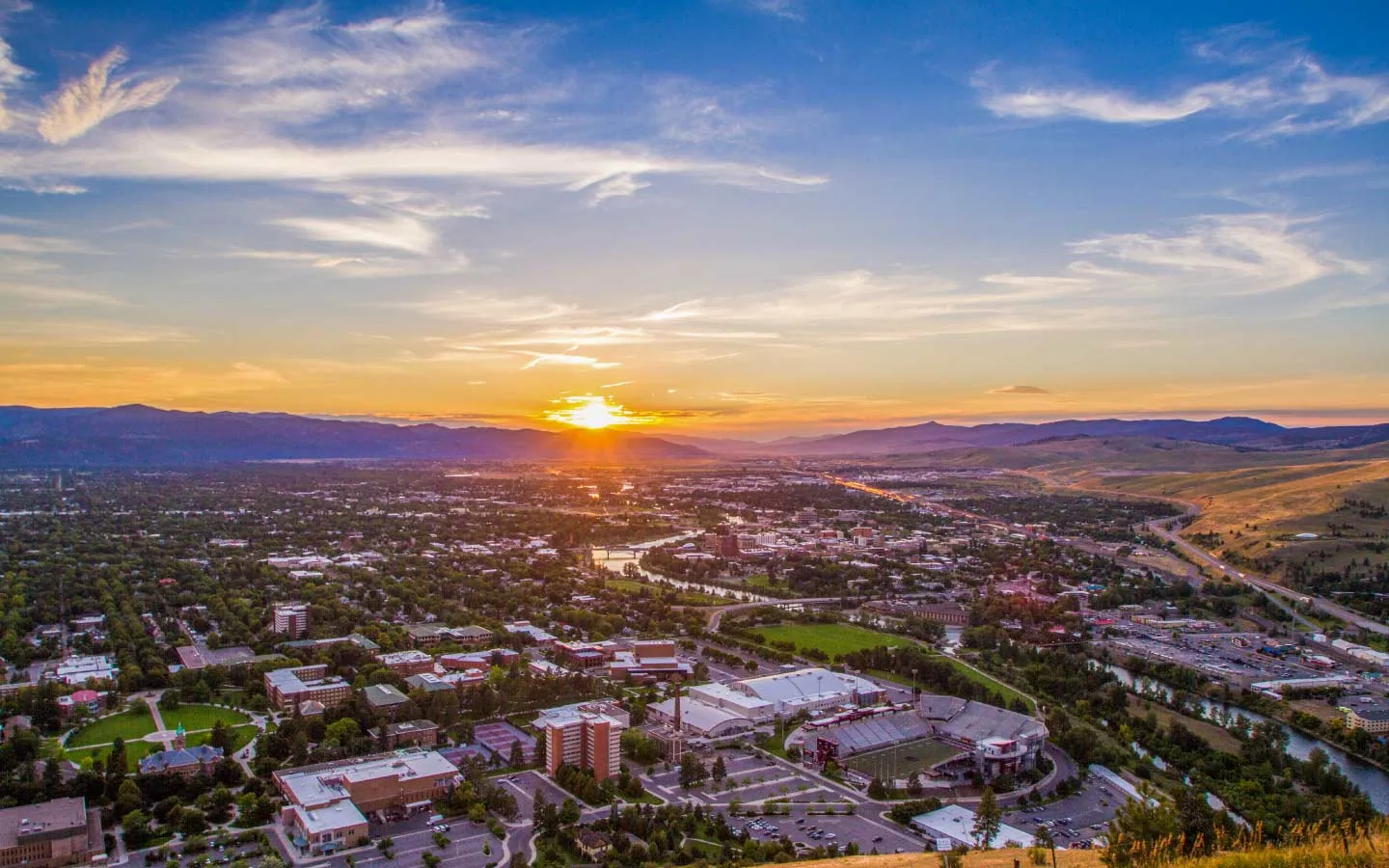
What We Do on a Commercial Roof
We repair, replace, recover, restore, coat, inspect and maintain commercial roofs. The work includes hands-on inspections, drone and infrared moisture surveys, written condition reports with photographs, preventive maintenance programs and insurance claim documentation. We install and repair TPO, PVC, EPDM, KEE, modified bitumen, built-up, standing seam and retrofit metal, spray foam, and silicone and acrylic coating systems.
Each of those is a stack of parts that must go down in a set order. Insulation goes on a dry deck, cover board over it, membrane over that, and flashing last. A repair respects the same order. When a crew skips a step to make up time, the roof tells the owner about it the following spring. Our roofing services follow that discipline from the first walk to the final photograph.
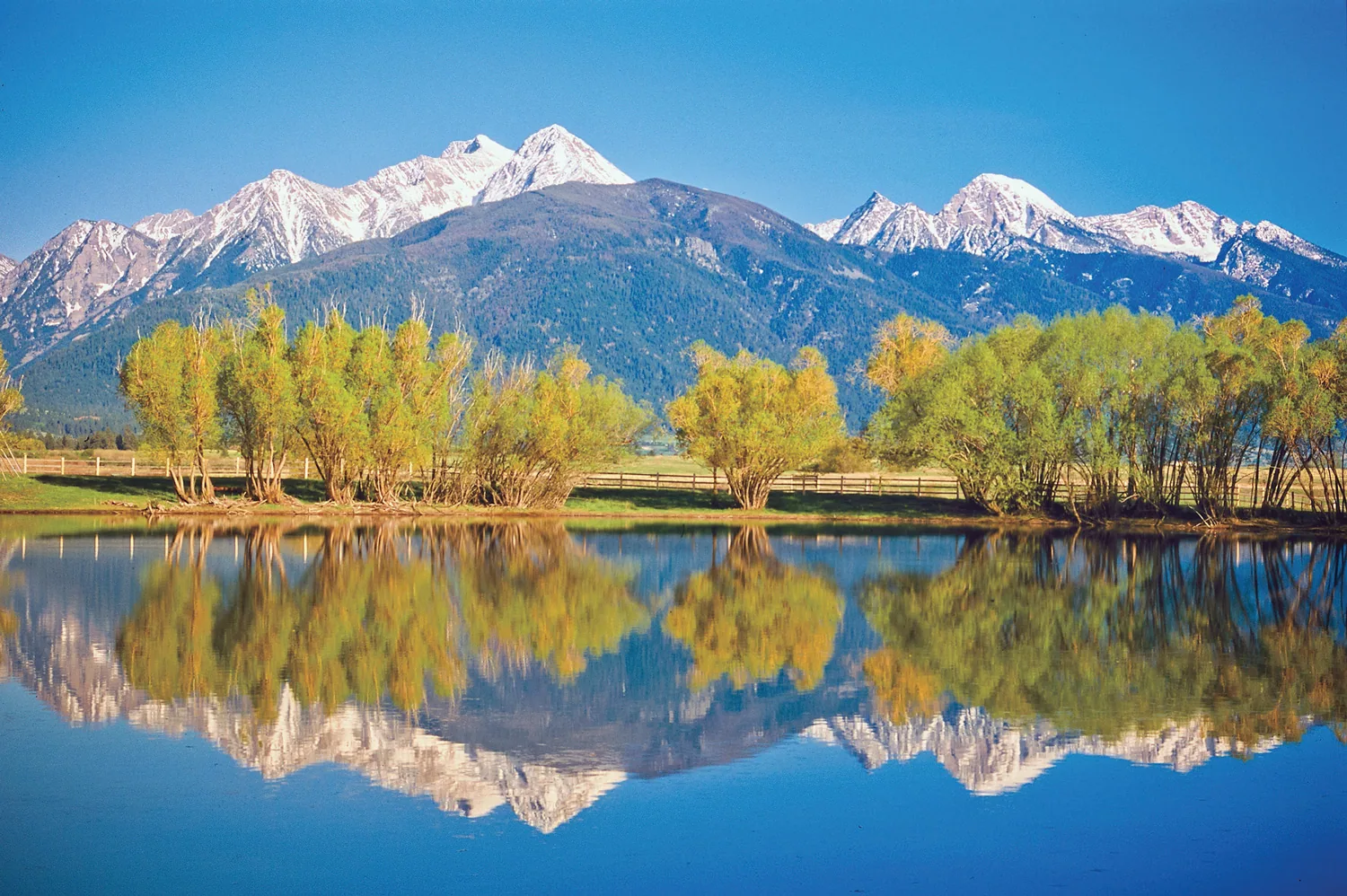
How a Job Moves From First Call to Closeout
It starts with the roof plan, the occupancy schedule and the access constraints. From those we map the phases, the staging area, the crane pick and the dry-in sequence before any material is ordered. The owner sees which days the crane arrives and which entrances stay open.
On the first walk we photograph the roof, probe seams, test for trapped moisture and trace the drain path. We then label each finding as patch, repair or replace, with a price and the weather window it needs. The owner chooses with the evidence in hand. During the work we dry in each section before the crew leaves it, send a daily summary with photographs and keep the walkways protected. At closeout we walk the roof with the owner and leave a punch list with dates, plus a photo report for the building file.