
Multi-Site Roof Programs in Missoula, MT
Multi-Site Roof Programs
A program across many buildings breaks first at the schedule, and the break is predictable: the crew finishes the sites closest to town while the farthest site waits for a weather window that never reopens. In the Missoula, MT region the spread in snowfall makes this worse. Missoula averages about 39.5 inches of snow a winter, Potomac averages 51.8 inches, and Seeley Lake averages about 118.9 inches on roughly 59 snowy days. The same month can be a work window in one town and a snow-cover week in another. We build the program route and the calendar together, so every site has a date that its own weather can support.
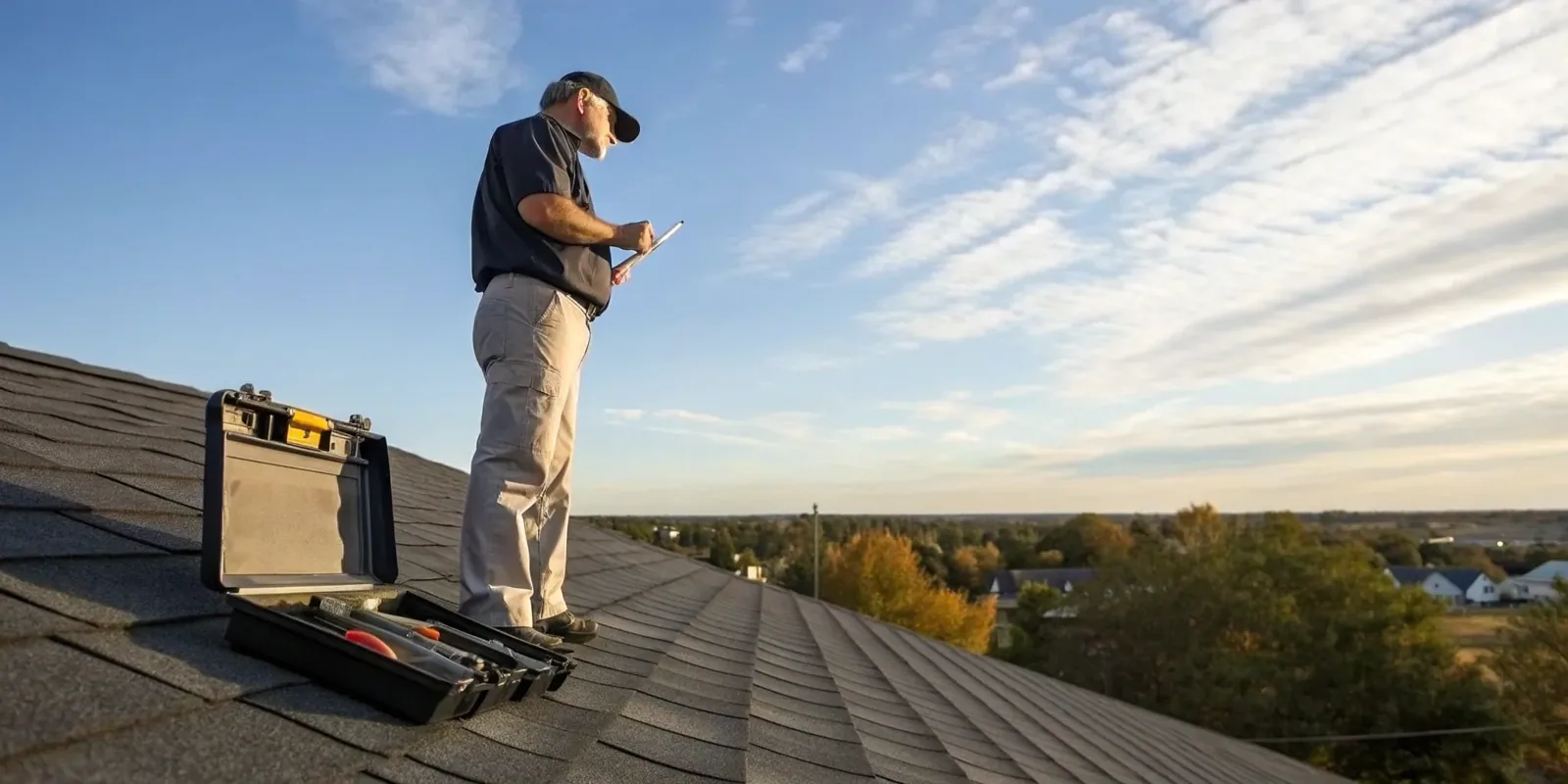
Plan the Route Before Setting Any Dates
The first deliverable is a map of sites with distances, access notes and snow zones. Missoula sits at the center. Lolo is about 10 miles southwest, Florence about 23 miles south, Frenchtown about 16 miles northwest, Clinton about 17 miles away on I-90 and Seeley Lake about 52 miles northeast on Montana Highway 83. Each site gets a travel time and a seasonal note.
Sites that share a corridor are grouped into one trip. Lolo and the Bitterroot towns go together on US 93, the Clark Fork valley towns go together on I-90, and Highway 200 sites form a third group. One crew day on a route costs less than three separate mobilizations, and the program saves its largest travel costs there.
Each route also gets a staging plan. A laydown yard near the first site holds material for the whole trip, and a material hoist or lift is moved from site to site instead of being rented at each. Where a site has no room for a yard, the delivery truck is timed to the crew's arrival and the material goes straight to the roof. The route sheet lists which sites use which method, so the driver and the crew leader know what to expect.
Use One Reporting Format for Every Site
A program with ten sites and ten report styles cannot be compared. We use a single format: the same fields, the same three-tier scale and the same photograph angles at every roof. The owner can then sort the whole program by tier, by cost range or by snow zone.
The format also standardizes terms. A roof is repair now, repair within two years or watch, and those words mean the same thing at a school in town and a shop in a small valley community. Photographs are taken from the same points: each drain, each corner, each penetration. A board member who reads the program summary can open any line and see the same kind of evidence behind it, without learning a new style for each site.
The format feeds the roof asset register, where each building is one row. The roof condition reports use the same fields, so the register and the reports always agree.
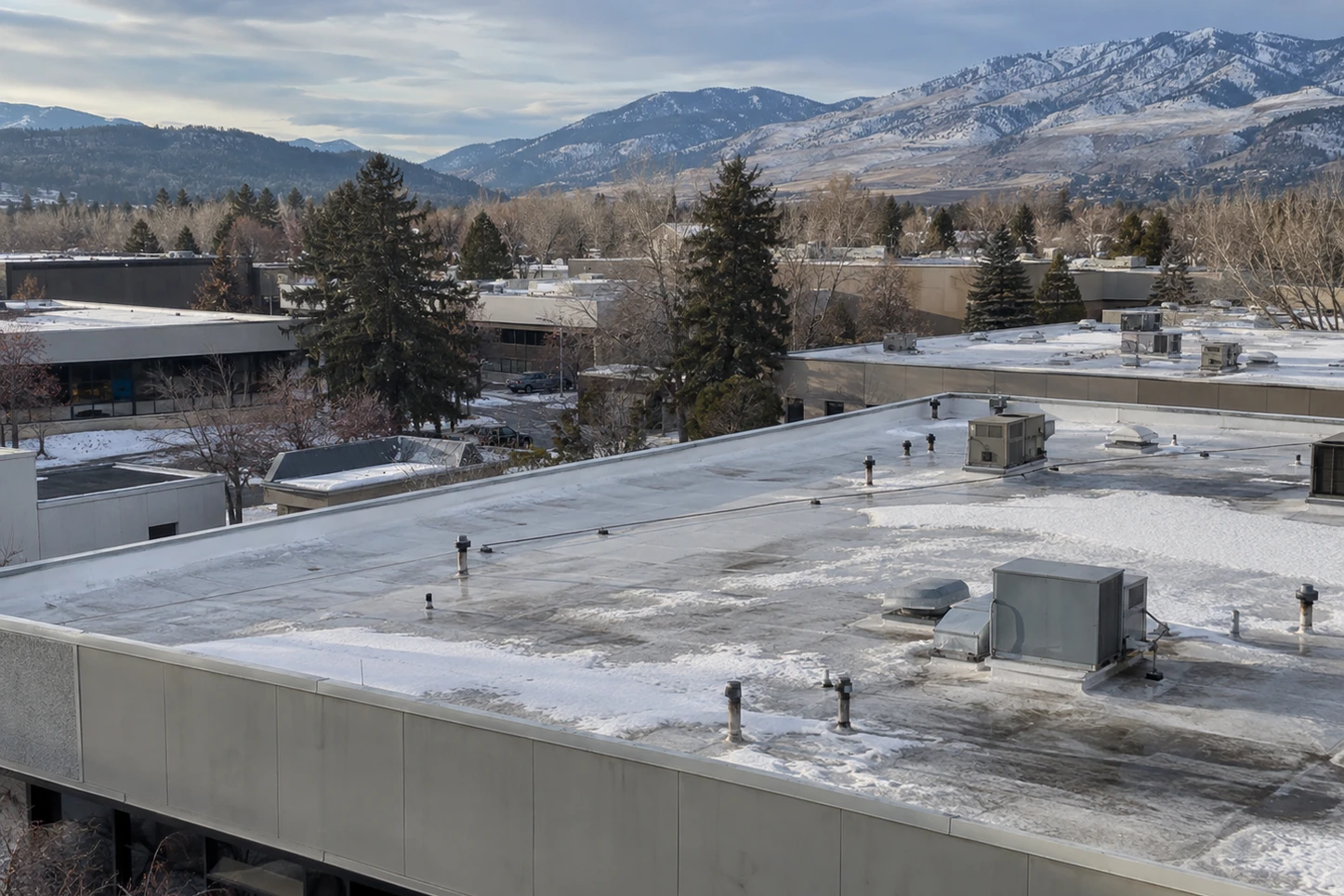
Schedule Work by Snow Zone
Missoula's design ground snow load is 40 psf, and it is the starting point for sites in the valley. Sites at higher elevations or farther up the valleys may see more snow, and we use the local snow history as a scheduling input, not as a design figure. The structural load for each building comes from its own engineer and the state table.
For scheduling, we assign each site a first-workable-date and a last-workable-date. Valley sites open earlier in spring and close later in fall, and Seeley Lake opens later and closes sooner. The program calendar shows the spread, and the crew runs the lower sites first and the higher sites as they clear.
Thaw cycles matter at every site, but they bite at different times. Missoula logs roughly 45 days a year that stay below freezing, with late-summer days swinging past 30 F. Sites that thaw earlier get their post-winter walk first. That walk finds the lifted seams and blocked sumps while the repair is still a short visit, and it feeds the order of the summer work.
Handle Different Building Types in One Program
A program may hold a hotel on North Reserve Street, a school roof in Lolo, an industrial building at the Bonner mill site and a small commercial building in Florence. Each has its own tenant constraints, so the program keeps a constraint sheet per site: access hours, noise limits, staging area and the person to call.
The Lolo and Florence sites are examples of the valley group. Retail and hotel sites on the North Reserve Street corridor form the town group. Industrial sites near the airport and the Mullan Road park form a third. Grouping by type and location makes inspections and repairs more efficient.
Small-town sites carry their own logistics. Frenchtown is reached by I-90 Exit 89, Clinton by Exit 120 and Carlton by US 93. A crew traveling to one of those towns should leave with the right tools, material and fasteners, because a missing item can cost a full day. We pack the truck from the site sheet, which lists the roof type, the penetration count and the repairs expected. The extra preparation is cheap compared with a second trip.
Report the Program as One Budget
The program view rolls the site data into a single table: roofs by tier, cost ranges by year and risk by snow zone. The owner sees a three-year budget with the first-year work funded and the later years estimated. The roof capital plan uses this table.
Preventive visits are scheduled on the same routes, so a maintenance visit to one site is followed by visits to its neighbors. Emergencies are handled as they come, and each is logged back into the register so the program stays current.
At year end, the program closes with a review. We compare the plan to what happened: which sites moved in rank, which repairs were added and which budget lines were spent. The review feeds the next year's calendar, and the owner sees a plain record of what the program delivered. A site that proved cheaper to maintain than expected can move to the watch tier, and a site with repeat leaks can move up. The program therefore improves each cycle, and the evidence for every move is in the photographs.
Related Roofing Pages
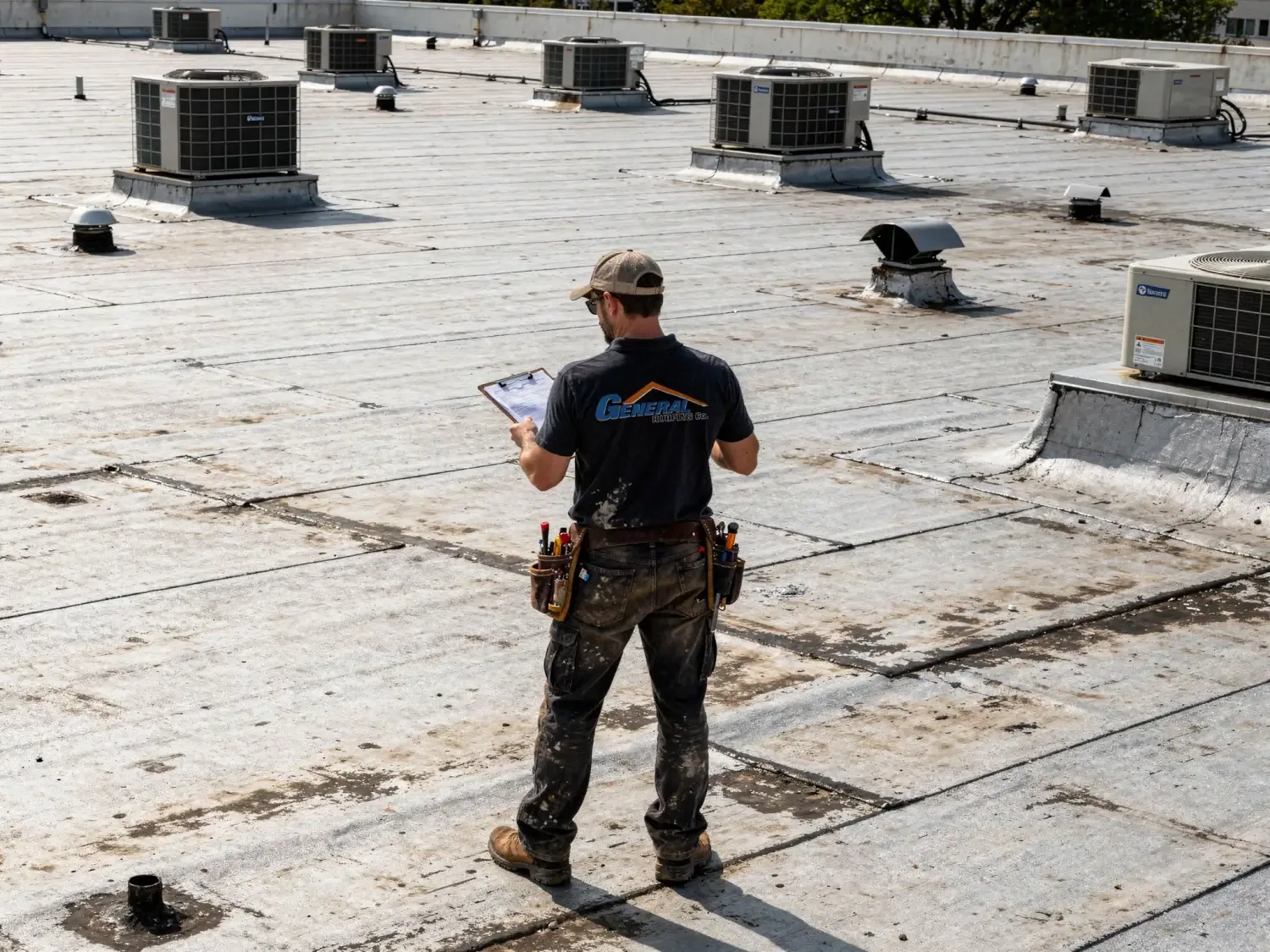

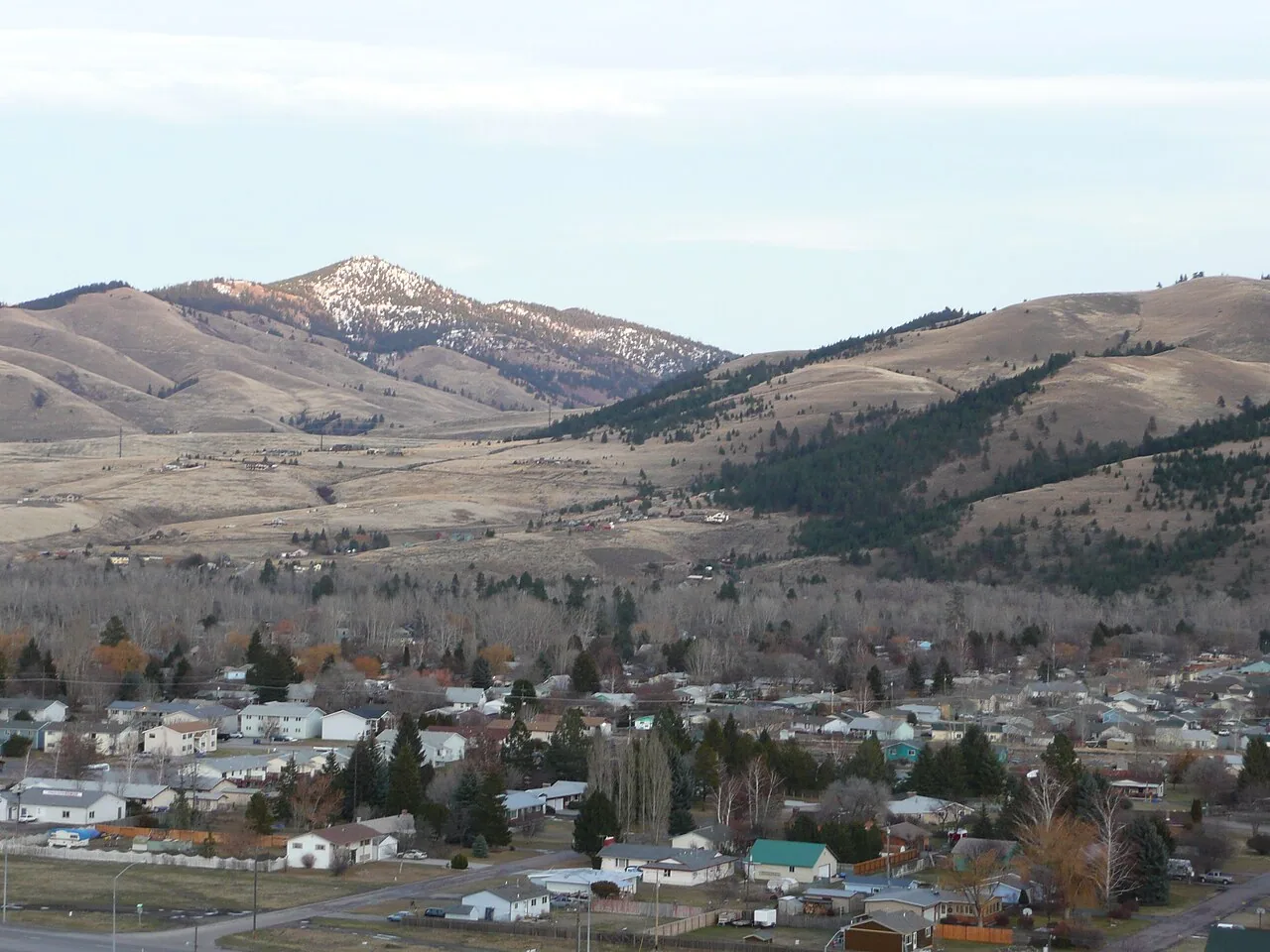
Send the Site List and the Access Constraints
Send the list of buildings, their addresses, the occupancy schedules and the access constraints for each, and we will map the routes, the snow zones and the first-year calendar before any crew is scheduled.
Call 555-555-5555 or email [email protected].
Questions About Multi-Site Roof Programs
How many sites make a program worth organizing?
Five or more buildings benefit from a shared format and route. Fewer than that can still use the register, but the routing gains are small. We start with the full list and sort it by location and tier, so the program grows as sites are added.
Can one crew cover sites as far apart as Seeley Lake and Florence?
Yes, on different trips. Seeley Lake is about 52 miles northeast of Missoula on Montana Highway 83 and Florence is about 23 miles south, so they are in different groups. We schedule each group when its snow zone is workable and keep a crew on call for emergencies in between.
What if a site has a different owner or tenant arrangement?
Each site keeps its own constraint sheet and its own approval path. The program format is shared, but permissions are not. We record who may authorize work at each building, so a repair does not wait for a signature that was never needed.
How are emergency calls handled inside a program?
Emergencies move to the front of the route. We stop the water, document the entry point and log the event in the register, then return to the program schedule. The repair's cost is tracked separately from the capital plan, so the budget stays readable.
How does the program handle hail or storm damage?
After an event such as the 2016 hail that hit central and south Missoula, we walk the affected sites first, in route order, and record bruises and drain performance. The register shows which sites were walked and when, which helps an insurer see the full pattern.