
Commercial Roof Inspection in Missoula, MT
Commercial Roof Inspection
The most useful roof inspection ends with a list that someone can schedule. Condition ratings and photographs matter, but the owner of a Missoula, MT building needs to know which item to fix first, which can wait for the next dry window, and which belongs in next year's capital plan. We build every inspection toward that sequence.
A roof here lives through snow cover, hard cold, hot summers and the occasional hail storm, and each of those leaves its own marks. An inspection reads those marks, ranks them by consequence and hands you a plan that fits your budget and your calendar.
Walking the Roof Section by Section
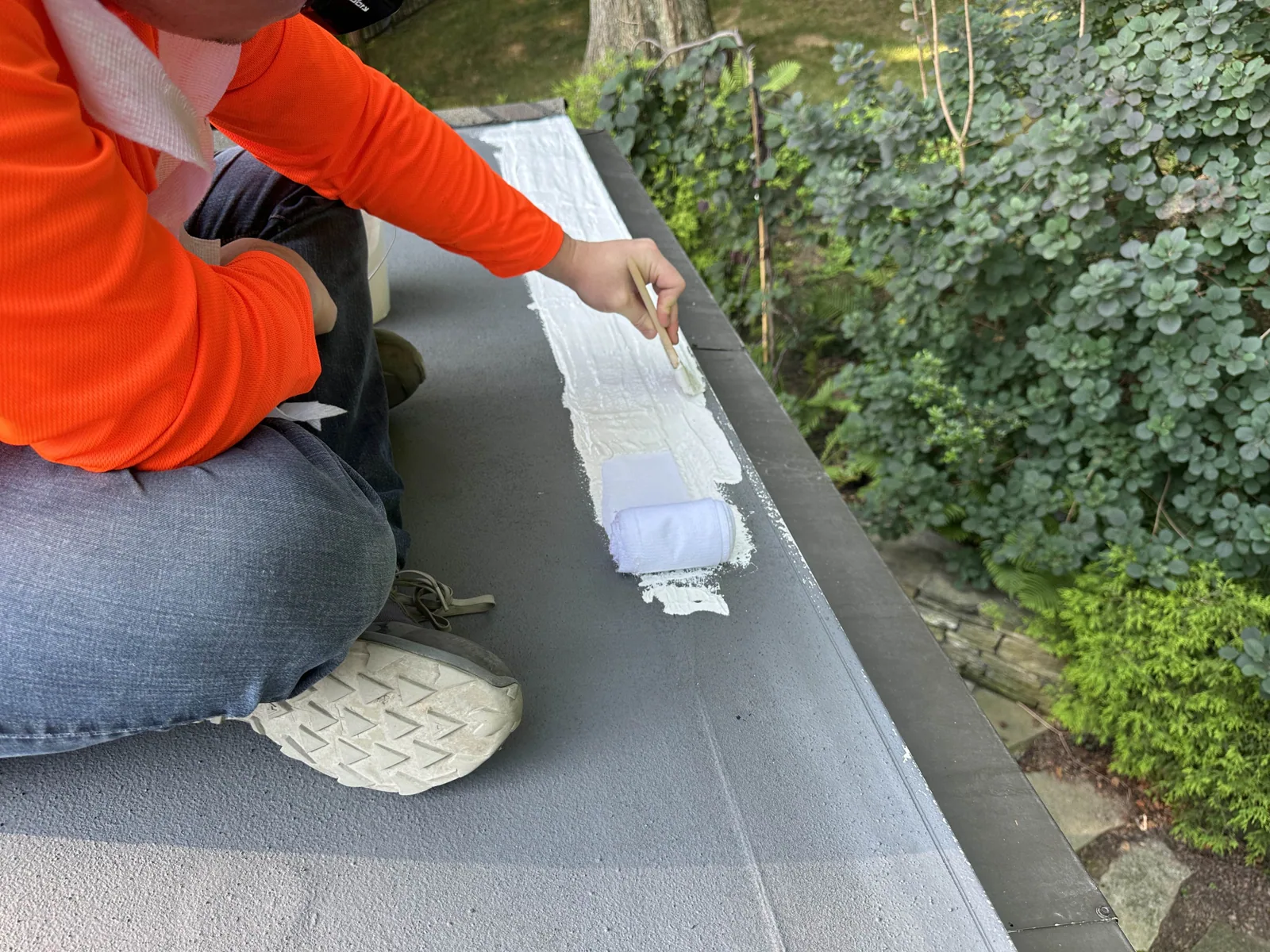
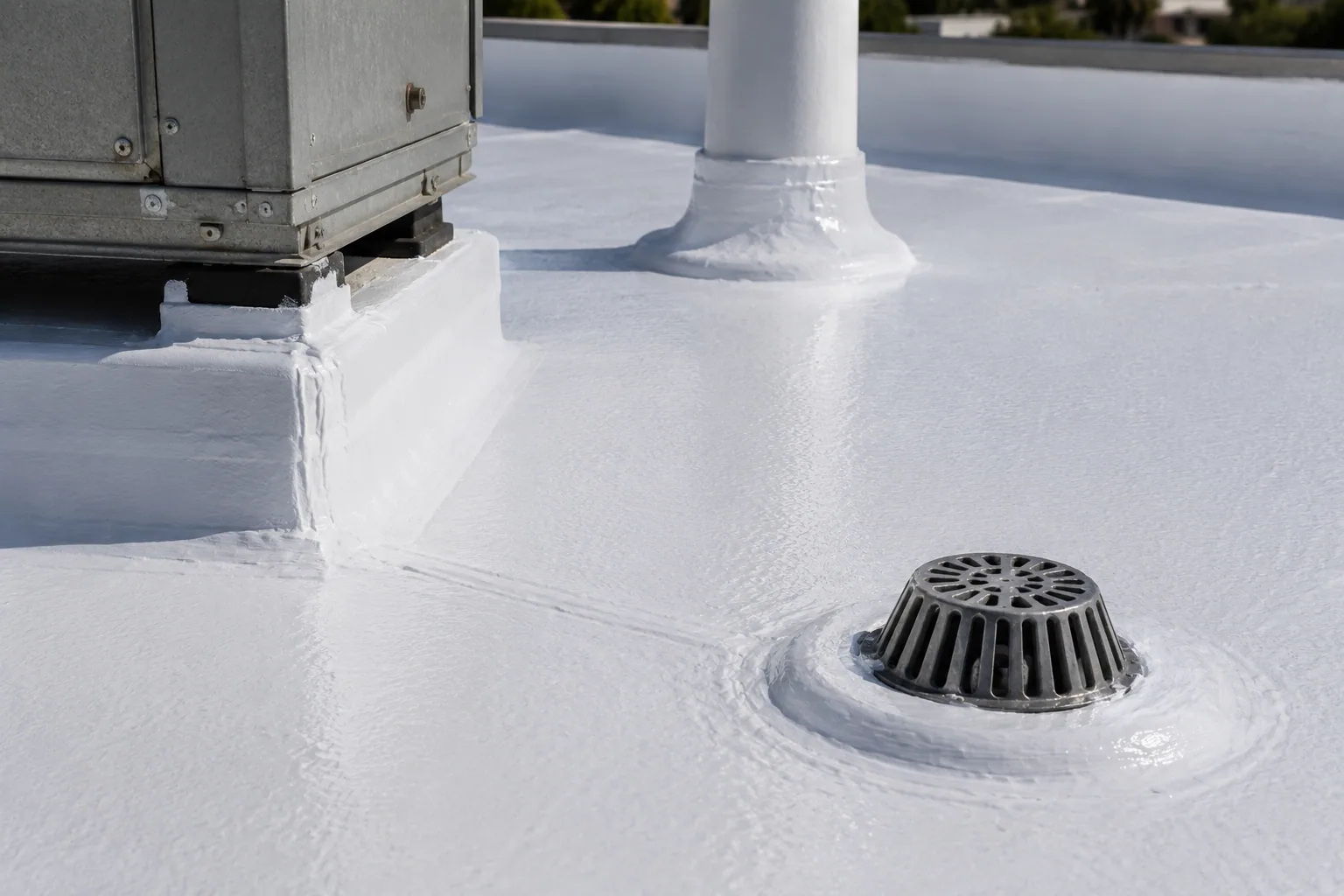
We inspect on foot. A crew member walks the full roof, starting at the access point and working through each drainage zone. We check seams, flashing, penetrations, edge metal, drains and surface condition, and we probe soft spots to see whether the insulation below has taken water.
The walk follows a set order so nothing is skipped: perimeter first, then penetrations, then the field. Each finding is marked on a roof plan with a number, and each number matches a photo. When the report arrives, you can find any item on the roof and see what the crew saw.
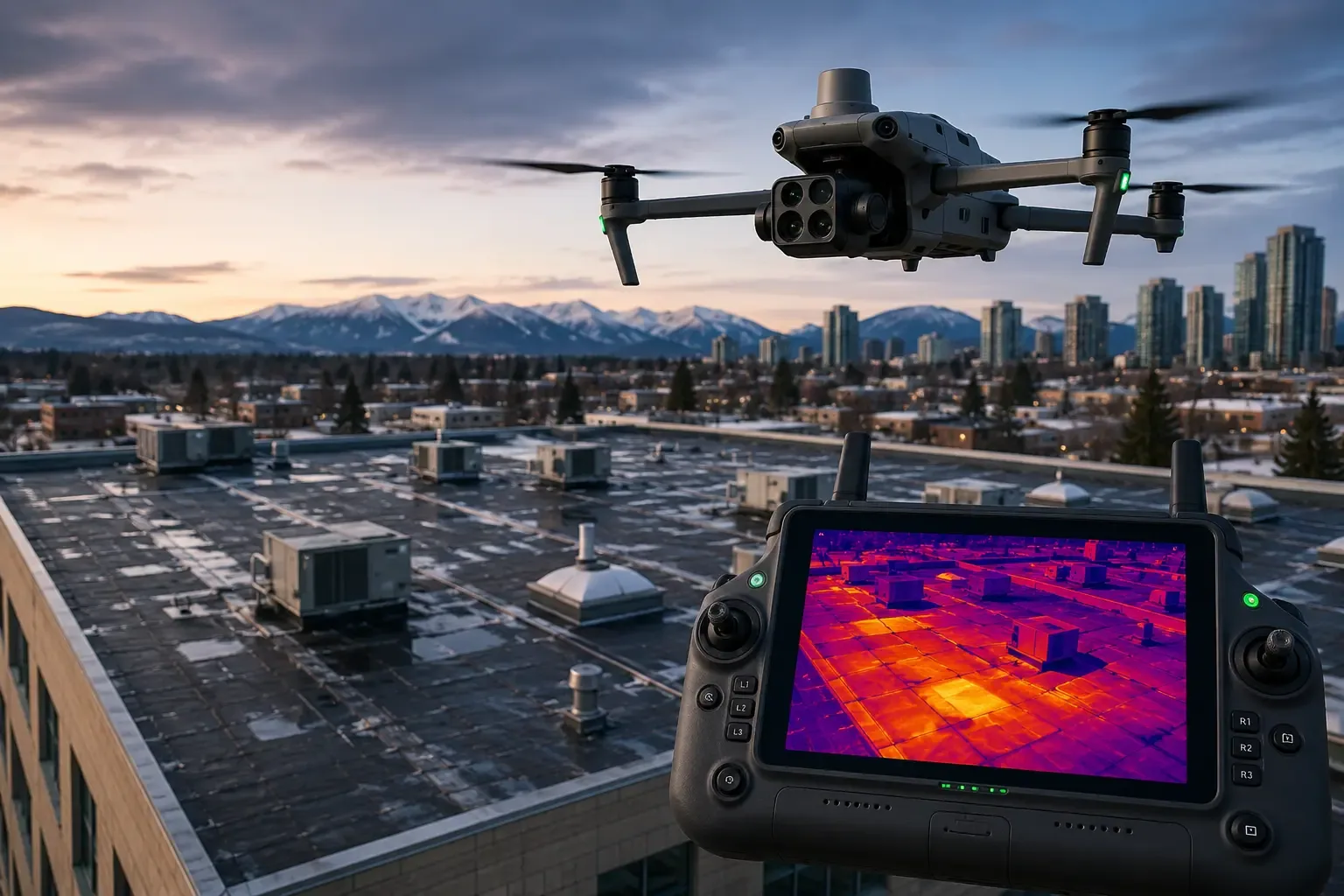
Some owners also want a view from above. For large or hard-to-reach roofs, drone roof inspection adds overview imagery that helps with planning, and the walk confirms what the images suggest.
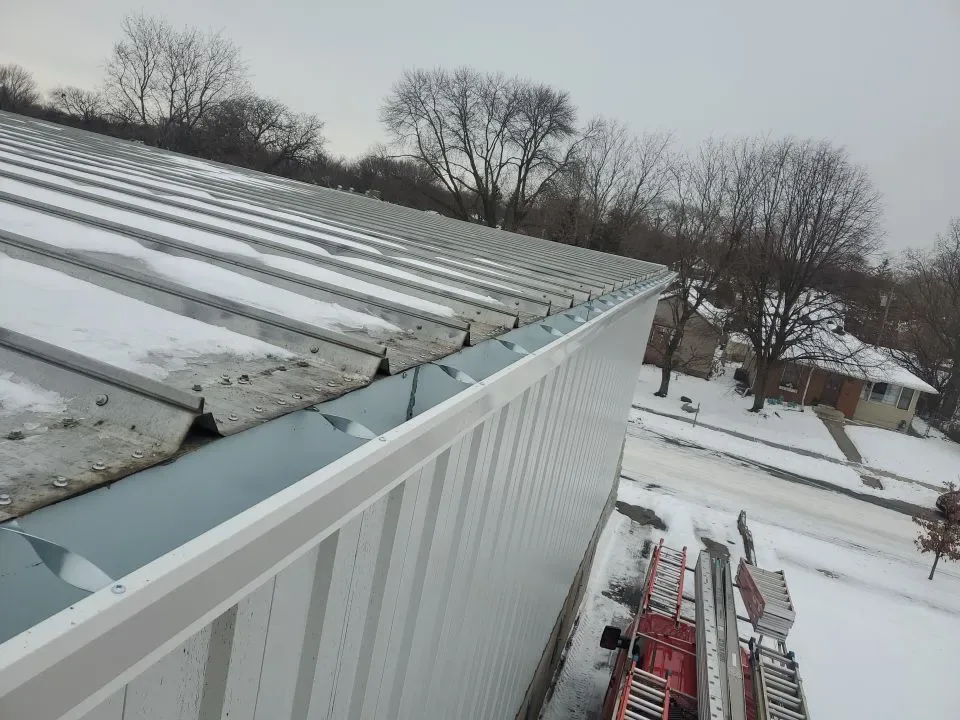
Drainage gets special attention on every walk. We note where water stands after rain or melt, how deep the standing area is, and whether the drain bodies sit at the low point. Ponding that remains a day or two after a storm speeds membrane aging and adds weight to the structure, so it earns a line in the report even when no leak has appeared. Edge metal and coping are checked for loose fasteners and open joints, since those details take the first hit when wind arrives.
Timing the Inspection to the Season
The best time to inspect is when the roof is clear and dry. Missoula has snow on the ground about 120 days a year, so spring and fall offer the best windows. A spring inspection shows what winter did: ice damage at edges, seam movement, drain blockage and ponding that lingers after melt. A fall inspection prepares the roof for the months ahead and sets repair priorities before snow arrives.
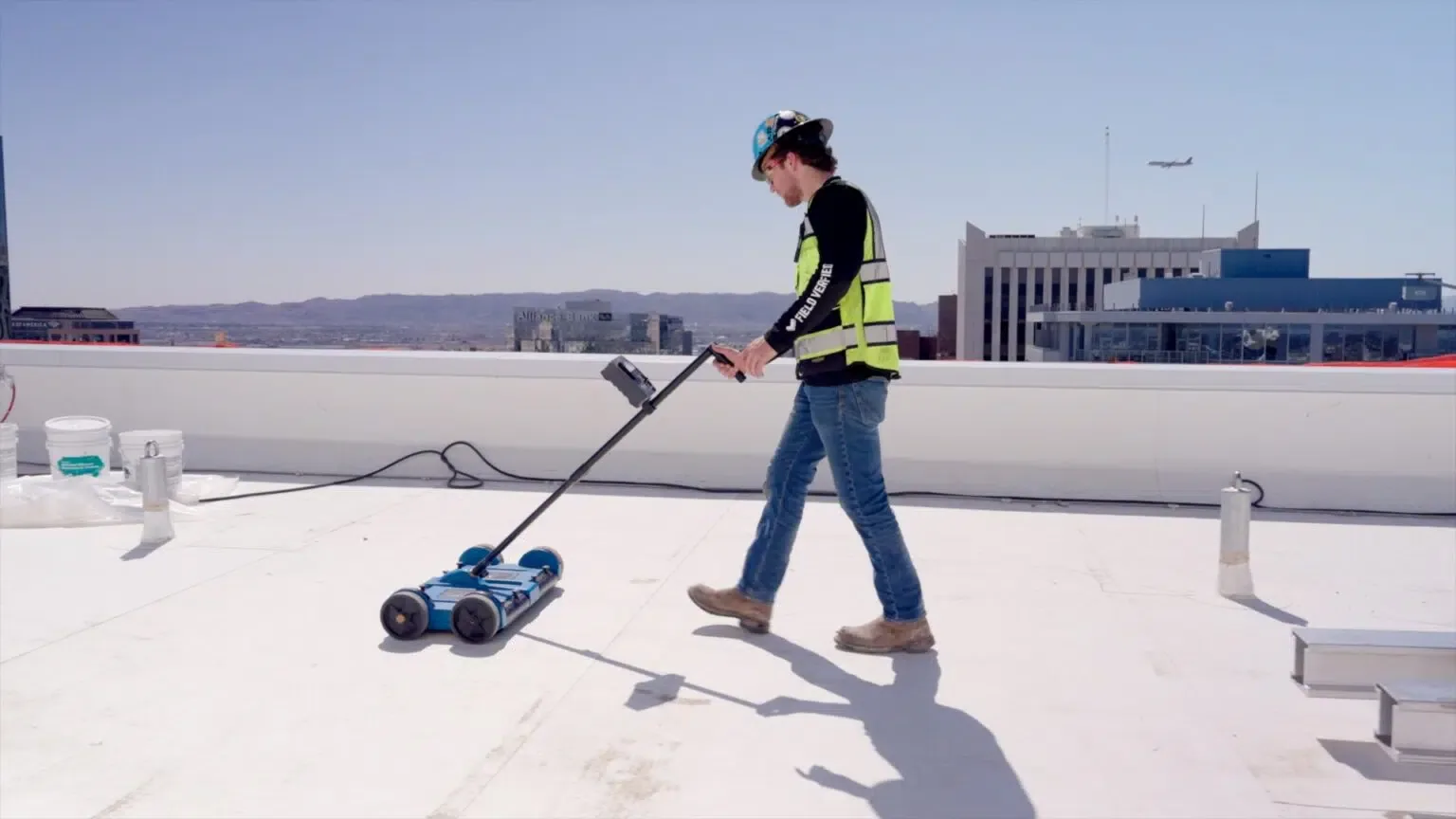
Summer inspection has its own value. Late-summer days that swing 30 F or more stress membranes, and a mid-summer walk shows heat-related shrinkage, blistering and soft areas. Warm-weather infrared work, such as an infrared moisture survey, is most reliable when the sun has heated the roof and the evening cools it.
After any major storm, an event-driven inspection documents new damage. A 2016 hailstorm with quarter-size stones crossed central and south Missoula, and a prompt walk after one gives an owner dated evidence for a claim.
Matching the Inspection to the Building
A roof on a downtown office, with its parapets, mechanical equipment and tight access, calls for a different approach than a wide warehouse roof or a school wing. Missoula has more than 60 buildings on the National Register of Historic Places, and a historic building can present unusual flashing conditions at parapets and wall junctions. We look at those terminations closely.
On a campus such as the University of Montana, which counts 64 buildings across its 220 acres, roofs vary by age and type from one building to the next. Inspecting them as a group lets a facilities team rank them against each other, which feeds into roof condition reports that support budget planning across the campus.
Retail properties along Reserve Street, where Costco, Lowe's and Walmart operate, bring their own concerns. Rooftop equipment, long membrane runs and frequent penetrations mean flashing and seam inspection take a large share of the walk.
Ranking Findings by Consequence
Every finding falls into one of three groups. Urgent items let water in now or threaten the structure, such as open seams, blocked drains and failed flashing. Near-term items will fail within a season or two without attention, such as lifting edge metal and surface cracking. Planned items reflect normal aging and belong in a maintenance schedule.
We write each finding with its location, its condition, the likely cause and the recommended action. Where a repair is straightforward, we price it. Where it needs more investigation, such as suspected saturated insulation, we recommend the next test and say what it would show.
That ranking turns a stack of photographs into a decision. An owner can fund the urgent items now, schedule the near-term work for the next warm window, and carry the planned items in a long-range budget. For multi-building owners, the same ranking works across a portfolio of roofs.
When findings add up to a roof near the end of its service life, the report says so, and it lays out the options. A coating or recover may extend the roof if the insulation is dry. A replacement becomes the better spend when moisture has spread. We present the numbers for each path so the decision rests on the roof's actual condition rather than its age.
Keeping Records That Hold Up
A good inspection record is useful years later. Dated photographs, roof plan markups and a written summary show how the roof has changed from one visit to the next. If a leak shows up or a storm hits, the record separates old wear from new damage.
Records also support warranty and insurance. Manufacturers often require evidence of regular inspections and maintenance to keep coverage valid, and insurers look for proof that a roof was in sound condition before a loss. We organize the documents so they can be handed to either on request.
For owners of buildings in East Missoula, Lolo and the communities between, the same format works for each property, so a manager with several buildings can compare them directly. The inspection plan names the roof access, the staging area for any lift and the tenant access the walk will cross.
Related Roofing Pages

Send the Roof Plan and Any Leak History
Share your building list, the age of each roof if known and any past leak locations. We will schedule the inspection window around your tenants and the season, and deliver a ranked plan.
Call 555-555-5555 or email [email protected].
Questions About Commercial Roof Inspection
What does an inspection tell me that I cannot see from the ground?
It shows seam condition, flashing attachment, drain performance, surface wear and signs of trapped moisture. From the ground, only large damage is visible. On the roof, small failures that precede leaks show up in time to repair them cheaply.
When is the right time of year to schedule one?
Spring and fall are the most useful, since snow cover is gone and the roof is dry. Spring shows winter damage, and fall sets up the repairs needed before snow. A walk after a significant hail or wind event is worth adding.
How is a drone survey different from a walk?
A drone gives a broad view and thermal imaging for large roofs, while a walk allows probing, close photos and testing of seams and flashing. The two work together: the drone finds areas of interest and the walk confirms what is wrong.
What should I have ready for the visit?
The roof plan if you have one, access instructions, past repair records and any warranty documents. Knowing where leaks have occurred lets the crew focus on those zones from the start.
Will the report help with a budget request?
Yes. Findings are ranked as urgent, near-term or planned, with a recommended action for each, which gives a facilities director a clear basis for a capital request. Photos and roof plan markups attach directly to the request.