
PVC Roofing in Missoula, MT
PVC Roofing
Grease reaches a roof before the roofer does. Fan exhaust from a kitchen settles on the sheet, softens whatever it can and sits there through every thaw. The order of choices on a PVC job starts with what lands on the roof, then the membrane, then the schedule. A Missoula, MT restaurant, clinic or processing building sends different vapors upward, and PVC is the single-ply that tolerates fats, oils and many chemicals best. Because the work window here is short, we confirm the exposure on the survey and settle the membrane before any rolls are ordered.
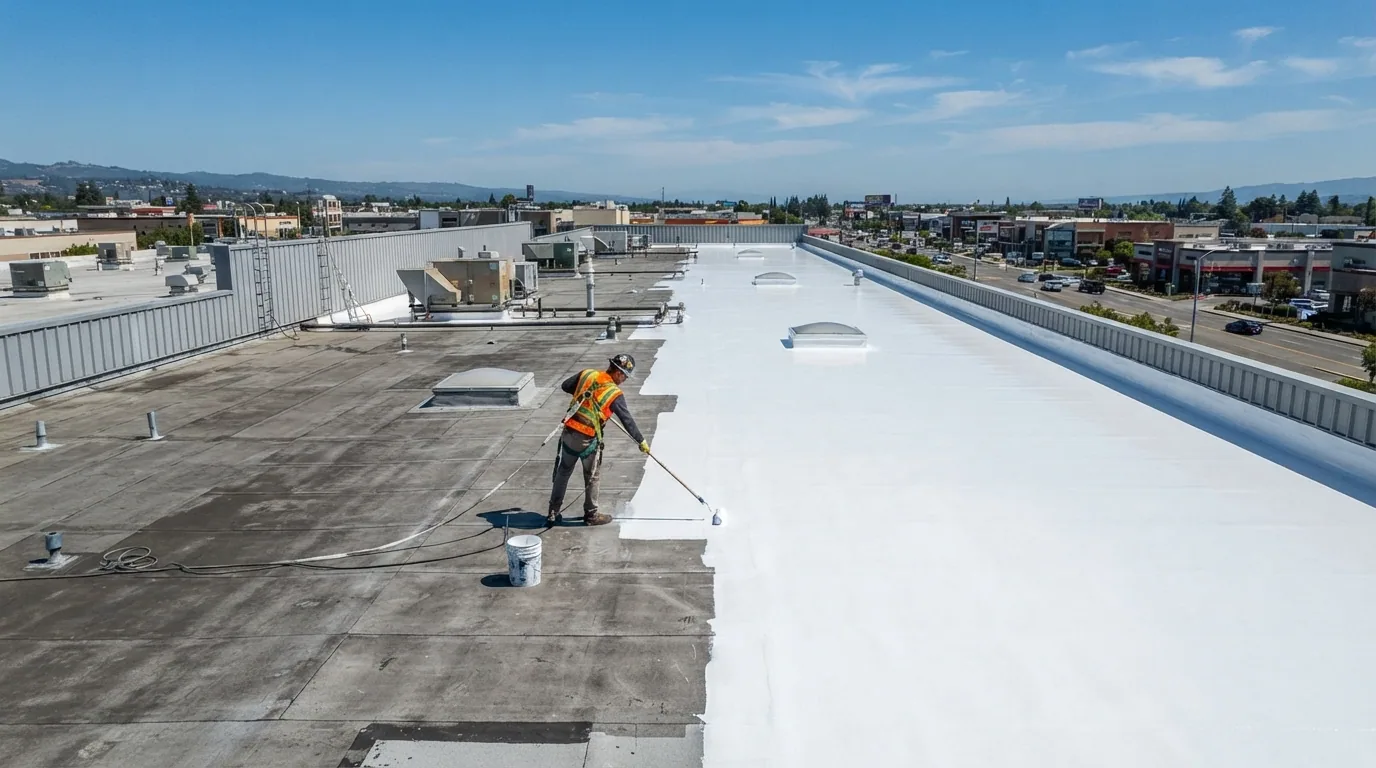
Read what PVC is made of
PVC is a thermoplastic sheet with a polyester or glass reinforcing scrim and plasticizers that keep it flexible. The seams are welded with hot air, which fuses two sheets into a single layer. It is usually white or light gray and reflects sunlight, and it resists many substances that attack other membranes.
The plasticizers are the thing to watch. Over many years they can migrate out of the sheet, and a sheet that has lost them stiffens and shrinks. That is why a good PVC specification names the sheet thickness and the plasticizer system, and why a survey of an older PVC roof looks for stiffness at the edges and shrinkage at walls. The owner should know the age of the sheet and what has been put on it.
Thickness is the other number to settle. Thicker sheets carry more reinforcement and more plasticizer, and they hold up better under foot traffic and service visits. Thinner sheets cost less. The decision depends on how often technicians walk the roof and how long the owner expects to keep the building. The bid lists the thickness so two proposals can be compared fairly.
Check where PVC fails first
PVC fails at the margins. Corners of curbs where the sheet is stretched. Terminations at walls where shrinkage pulls the sheet from its bar. Pipe flashings where a boot was cut short. Seams that were welded cold or with dirt in them. The field of the sheet usually outlasts the details around it.
Missoula adds cold. About 45 days a year never climb past freezing, and the 30 F swings of late summer work the same details. We probe every seam, press every termination and measure the shrinkage at walls. If the sheet has pulled more than a small amount, the repair is a new flashing strip, not sealant.
We also check for chemical damage that has already happened. A softened patch below a vent, a sticky surface or a sheet that has swelled near a drain can all show an exposure the original spec did not cover. If the damage is local, a section is cut out and replaced with welded patch material. If it is spread across the roof, the whole sheet is in question and the repair becomes a replacement scope.
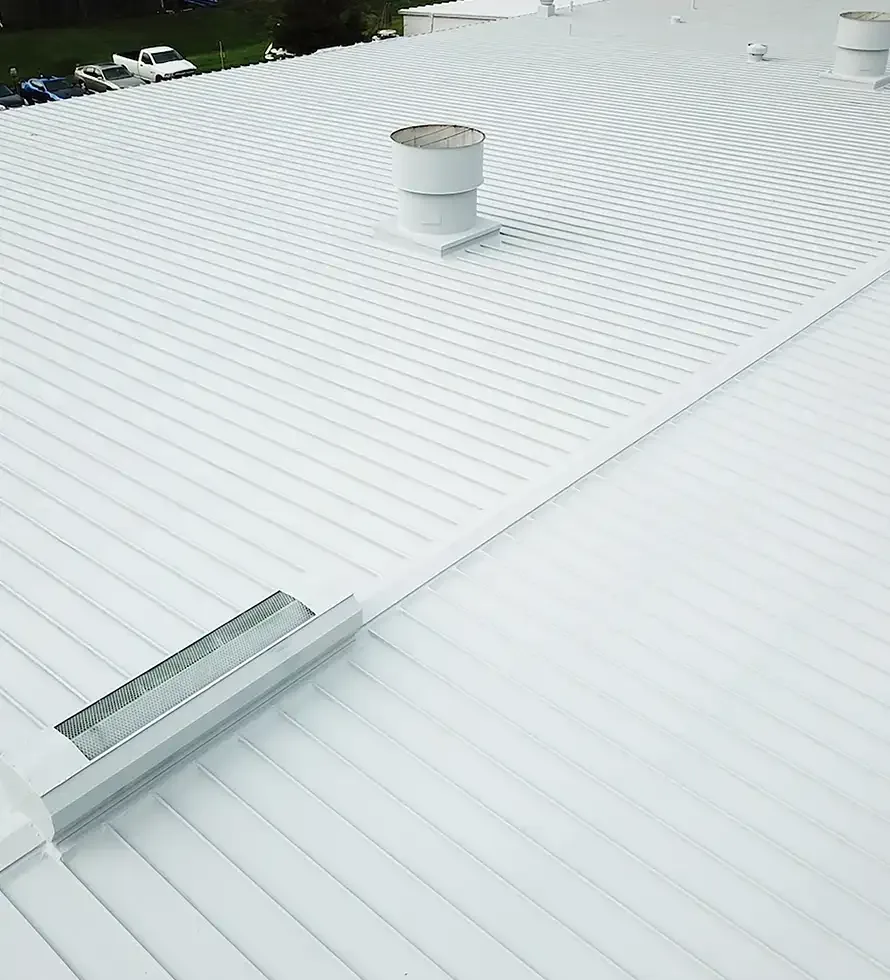
Match the sheet to the exhaust
Kitchens, labs, processing lines and generators all discharge onto roofs. Fats and oils soften some membranes. Solvents attack others. PVC resists many of these, and that is why it appears on restaurants, hospitals and food buildings.
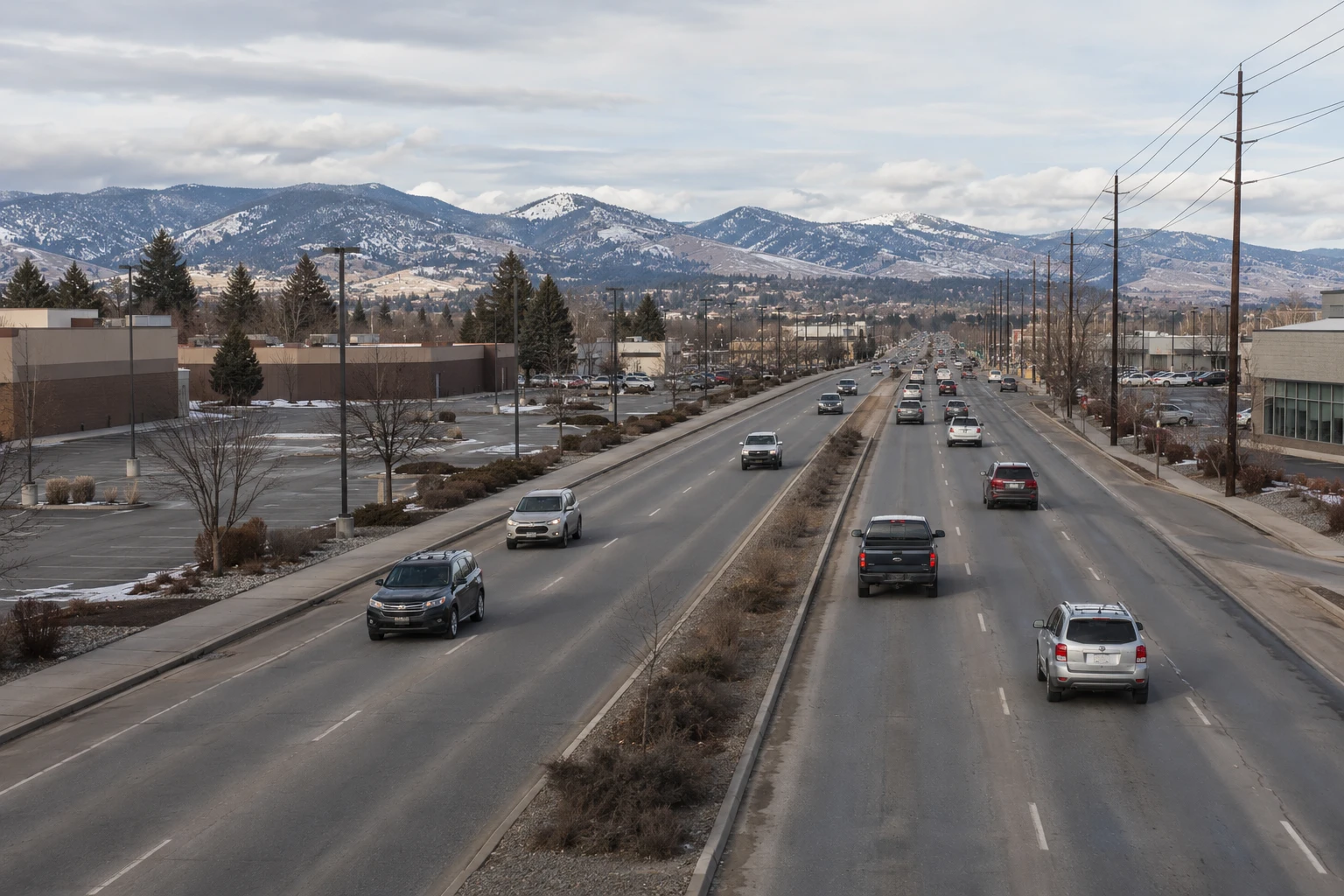
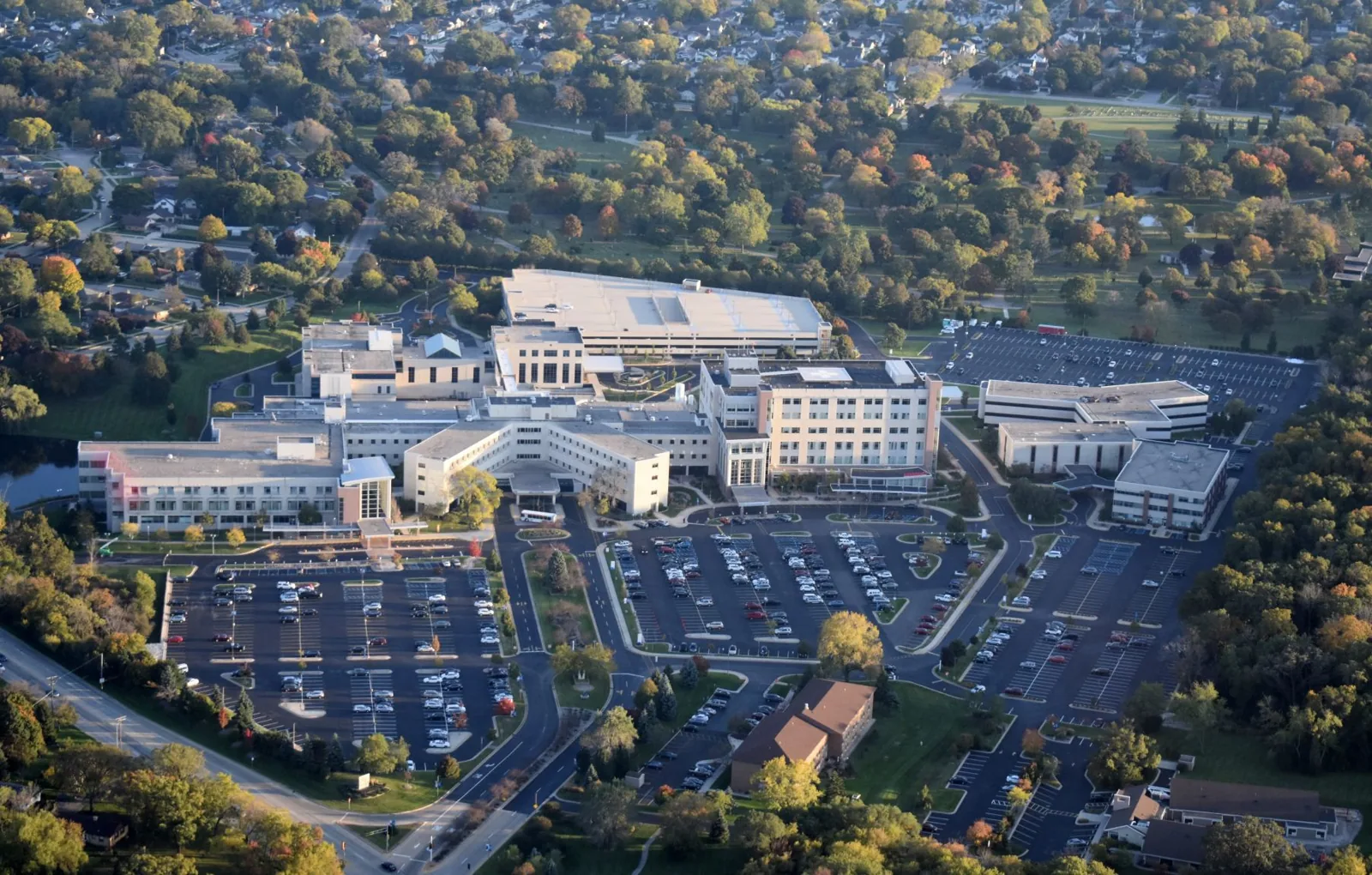
Missoula has the building types that cause the question. Big-box retail and hotels cluster along the North Reserve Street corridor, and restaurants and hotel kitchens in the area can put kitchen exhaust on the roof. St. Patrick Hospital holds the region's only Level II trauma center and Community Medical Center is another large employer, so hospital roofs belong in this conversation. Healthcare roofs carry exhaust and mechanical equipment in numbers, and we list each discharge point on the roof plan. For a hospital roof, the plan also names the intakes that must be screened during work.
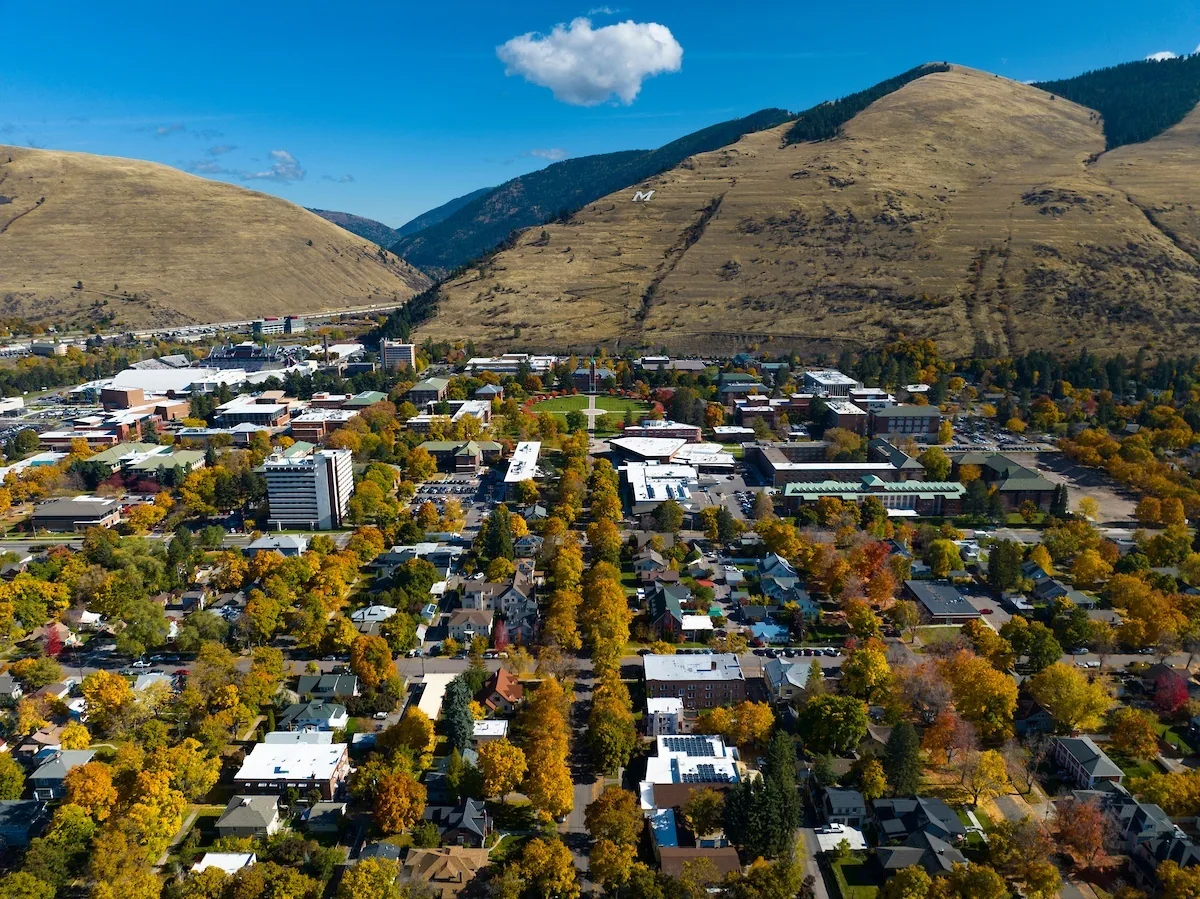
University buildings add another type. The University of Montana campus in the University District has 64 buildings on 220 acres, including nine residence halls. Buildings with different uses discharge different things, and the roof plan records which vents sit near which membrane. A sheet that suits a residence hall does not always suit a building with heavy mechanical or lab exhaust, and the survey is where that gets sorted.
Sequence the install
PVC installs in an order that protects the building. Drains and sumps are cleared first. Old roofing is removed in sections sized to what can be dried in that day. Insulation and cover board go down, then the sheet, then the welds, then the flashings. Each section is sealed to the old roof at close of work.
The staging area sits where trucks can reach it without crossing a tenant entrance. Material goes up by crane pick or hoist in lifts timed to the install. A small laydown yard keeps the site tidy. On a hospital or clinic site, noise and fume limits are set with the facilities office before the first lift, and the schedule shows protected hours.
Plan for snow and the thaw
Snow covers the ground about 120 days a year in Missoula, and the design ground snow load is 40 psf. A PVC system is light, but drifts behind parapets and units load the deck unevenly. The drain sumps must be open when the first thaw comes, because meltwater that cannot leave the roof sits against new welds.
We check the deck for load capacity before a recover, and we place snow guards over doors and walkways where sliding snow is a hazard. The drains and scuppers are tested with water before the crew leaves. If the building has history of ponding, tapered insulation corrects the slope while the roof is open.
Choose PVC against its competitors
PVC costs more than TPO in most markets, and it earns the difference where chemicals, grease or heavy mechanical traffic are present. KEE membranes take the idea further with a more stable plasticizer. EPDM is cheaper and flexible in cold but weaker against fats. The owner decides by exposure, budget and expected life. Montana's 2021 IECC with Montana amendments sets the insulation floor for the assembly, and it applies whatever sheet goes on top.
A building with no exhaust and light traffic may not need PVC at all. We say so on the survey, and we put the cheaper path next to the PVC path with its cost.
Heat is a smaller factor here than snow, but it counts. About 24 days a year reach 90 F or hotter, and the record of 107 F came on June 30, 2021. A white PVC sheet handles that without trouble, and it reflects sunlight during the cooling season. The bigger test is the winter, when the sheet contracts, the seams are loaded and the thaw cycle begins.
Related Roofing Pages
Send the roof plan and a list of what vents onto it
Send the roof plan, the occupancy schedule and the access constraints, and list any exhaust or chemical discharge on the roof, so the phasing and the staging area can be mapped before any material is ordered.
Call 555-555-5555 or email [email protected].
Questions About PVC Roofing
Why pay more for PVC on a restaurant roof?
Grease and oil from kitchen exhaust attack many membranes. PVC resists them, so the sheet keeps its seams and surface longer. A restaurant with active exhaust over the roof gets more life from PVC than from a sheet that softens.
Can PVC be installed in freezing weather?
Welding needs a dry sheet and a clean surface. Light cold is manageable with the right equipment, but frost, snow and moisture stop the work. We plan most installs for the warmer weather window and keep temporary protection ready.
How do I tell if my PVC roof has lost plasticizer?
Look for stiffness, cracking at folds, shrinkage at walls and sheets pulled away from terminations. A core sample and a bend test confirm it. If the sheet is brittle, patching buys little and replacement planning should start.
Does PVC work on a hospital roof?
It is common there because of exhaust and mechanical equipment. The harder question is scheduling. Work is phased around patient areas, with intakes screened and noise limits agreed with facilities staff beforehand.
What goes into the warranty file?
The file holds the product data, the attachment layout, the seam probe results, a photo of each detail and the signed punch list. A later manager can use it to show what went on the roof and when.