
Roof Capital Planning in Missoula, MT
Roof Capital Planning
A capital plan for a roof fails when the money arrives after the weather window has closed. The window for tear-off and new membrane is short in Missoula, MT: snow cover lasts about four months and roughly 45 days never rise above freezing. An owner who approves a replacement in October is usually buying a roof for the following summer, and the plan has to carry the cost, the schedule and the interim repairs across that gap. We build the plan backward from the weather window, so the budget line, the purchase date and the crane pick all fall in the right order.
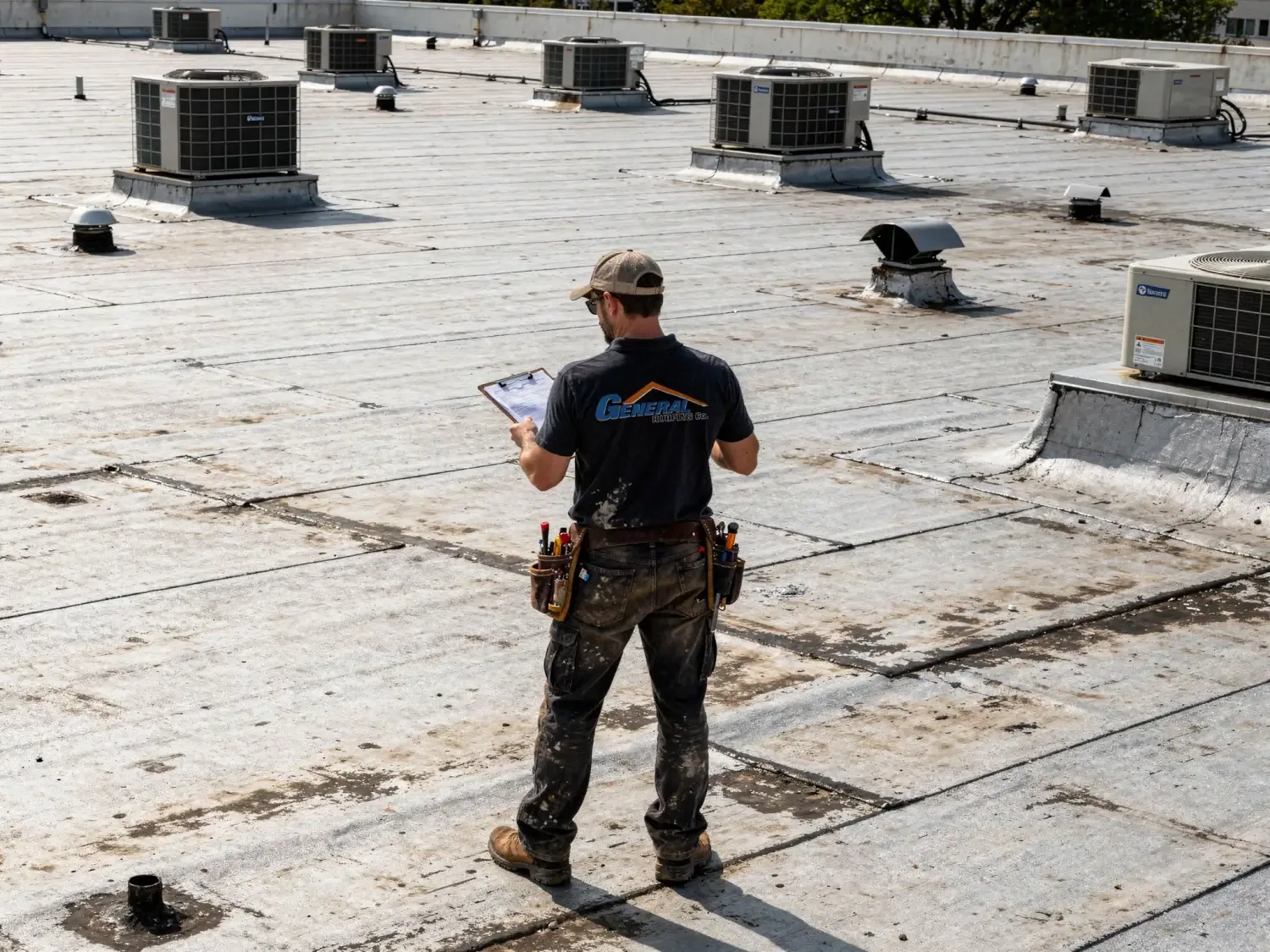
Work Backward From the Weather Window
The usable months for most membranes are late spring through early fall. Adhesives, welds and coatings need dry surfaces and moderate temperatures, and a roof left half open in a storm does more harm than the leak that started the job. So the plan sets a target start month, subtracts the lead time for material and permits, and places the approval date ahead of both.
For a roof to be replaced next summer, the approval usually has to come in winter. Surveys, cores and design go on the calendar in the months when snow is on the roof, and the order for material goes in early enough that the delivery matches the crew. We write those dates into the plan as milestones, with the owner's decision date marked.
Sort Every Roof Into Three Spending Tiers
The first tier is repair now: defects that will let water in during the next thaw cycle. The second tier is replace within two budget years: roofs with saturated insulation, widespread seam failure or a membrane near the end of its service life. The third tier is watch: roofs that are sound but aging, with a date set for the next look. Each tier has a cost range and a deadline.
The tiers come from the roof condition reports, which carry the core results and photographs behind each call. A board can read the tier, open the report and see the evidence, which shortens the meeting and defends the number.
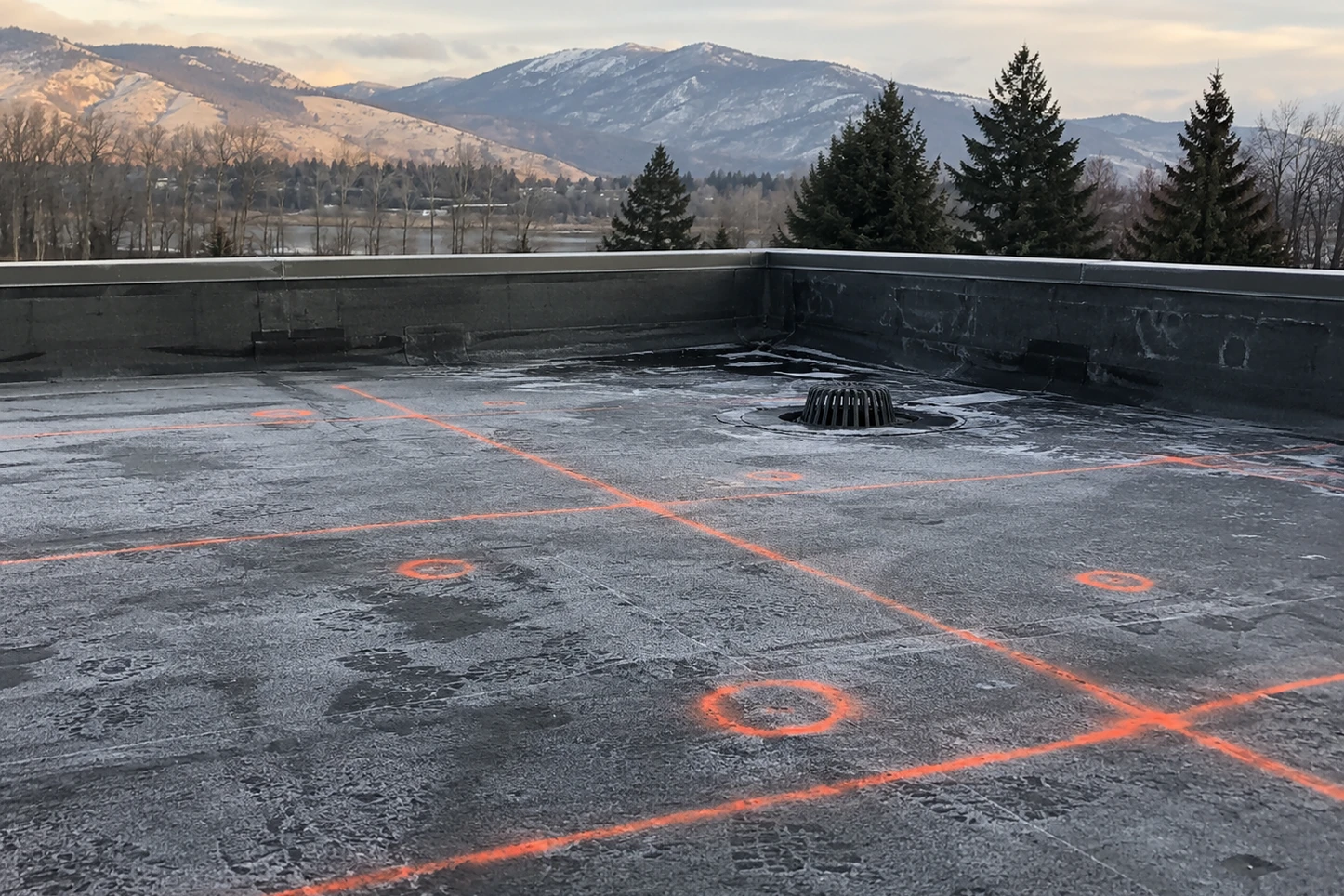
Check the Load Path Before Choosing Insulation
Roof snow loads here start from the 40 psf ground figure under ASCE 7-16. A new assembly with thicker insulation or a heavier ballast changes the dead load, and the framing has to carry it together with drifted snow. The 2011 Bonner mill roof collapse under snow is a reminder that load and age go together.
Replacement is also when insulation gets reviewed against the state energy code, the 2021 IECC as amended by Montana, in force since June 10, 2022. We note both items in the plan as questions for the owner's engineer and designer, because they change the cost range and sometimes the schedule.
Phase Large Portfolios Across Several Seasons
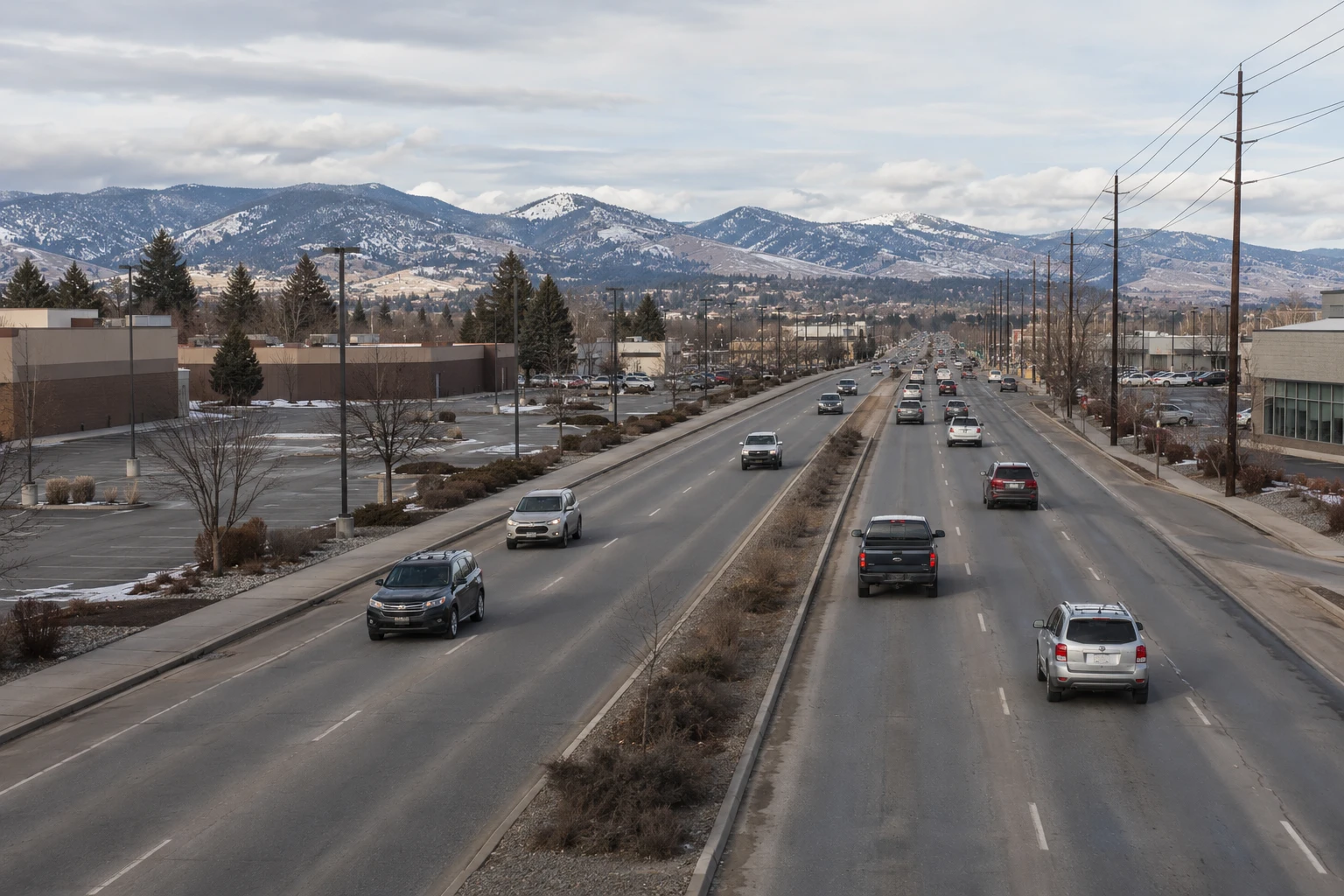
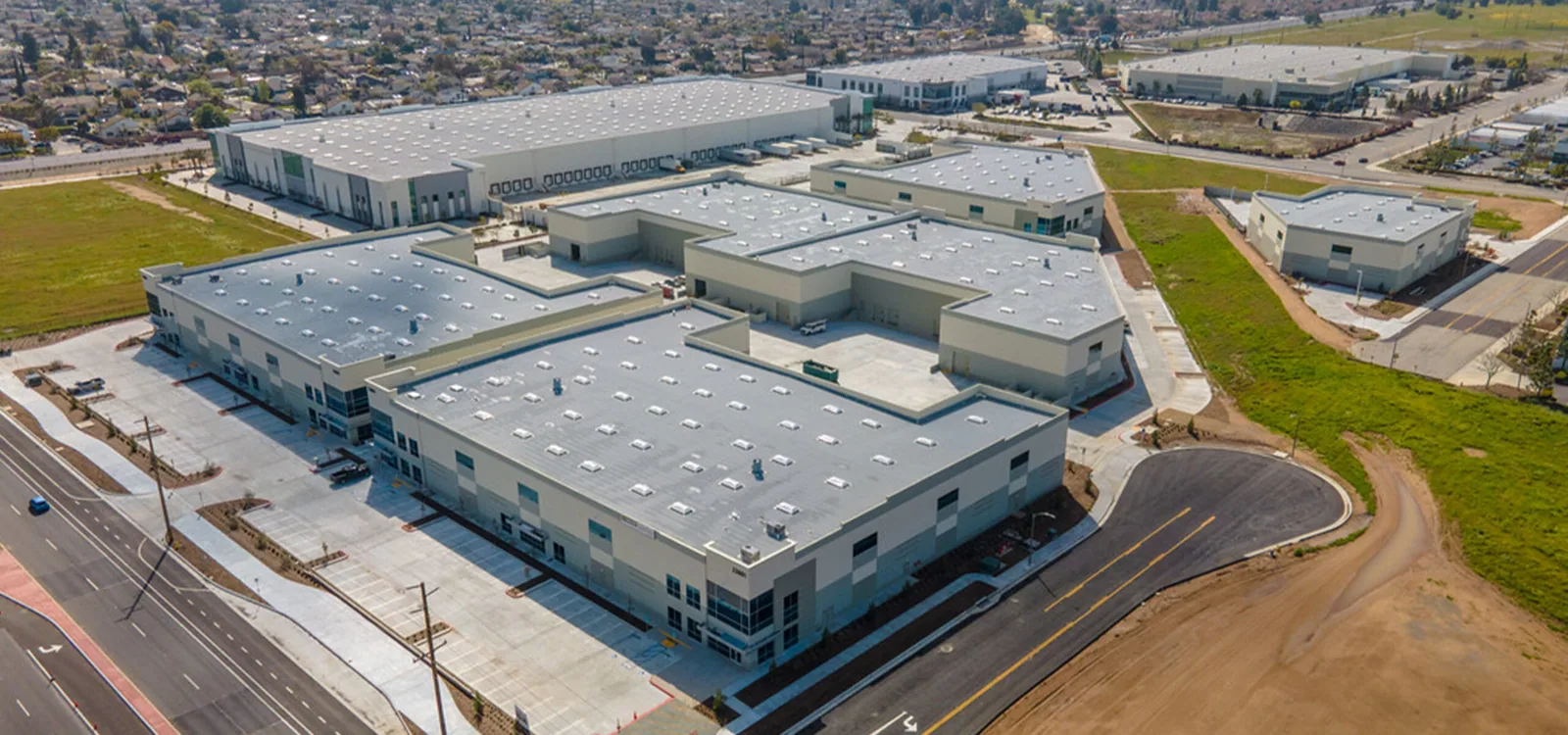
A campus or a retail corridor rarely replaces all of its roofs in one year. On a campus like the University of Montana's, with 64 buildings, a plan phases replacements by occupancy calendar and keeps residence halls and lecture halls clear of the heaviest work during term. North Reserve Street carries more than 30,000 vehicles a day, so a retail roof on the corridor needs a staging area that keeps deliveries off the main lanes.
Phasing smooths the capital line. Instead of one large spend, the owner sees a steady sequence, each season funding the next set of roofs in rank order. The multi-site roof program carries the same logic across many buildings.
Fund the Interim Repairs That Protect the Plan
A roof scheduled for replacement in two years still has to survive two winters. Interim repairs, such as clearing drain sumps, resealing a flashing and re-seating a lifted seam, cost little and keep the insulation dry. Saturated insulation raises the replacement cost because it has to be removed and disposed of, so each dollar spent on interim repair protects the later budget.
We list interim repairs as their own line in the plan, with the visit dates. A preventive maintenance visit before the first freeze and another after the spring thaw is the usual rhythm, and the photographs from each visit update the tier of the roof. If the old roof can take an overlay, a roof recover may stretch the budget by a year or two, provided the cores show dry insulation. The plan prices the recover and the tear-off side by side, so the owner sees what the extra years cost.
Close the Loop With a Punch List
When a roof is replaced, the plan closes with a punch list: open items, final photographs, the warranty file and the updated register entry. The roof then moves to the watch tier with a new date. Without that step, the next owner finds a new roof with no record of what was installed.
The roof asset register takes the new data and the plan rolls forward one year. That annual roll keeps the capital line tied to measured condition, because every spend points to a dated photograph and not to a hunch.
A roof that fails ahead of schedule is handled the same way. If a storm or a hidden leak moves a roof up the ranking, the plan shows what it displaces. The owner can fund the earlier replacement by deferring a lower-ranked roof, or ask for a commercial roof replacement scope on the failing roof alone. Either choice is made with the cost and the weather window in view, before a purchase order is signed. A budget line that names the roof, the tier and the target month is easier to defend than one that says only roofing.
Related Roofing Pages

Send the Roof Plan, the Occupancy Schedule and the Budget Year
Send the roof plan, the occupancy schedule and the budget year, and we will map the approval dates, the weather window and the staging area before any material is ordered.
Call 555-555-5555 or email [email protected].
Questions About Roof Capital Planning
How far ahead should a replacement be approved?
Plan for most of a year between approval and a finished roof when the work falls in the summer window. Surveys, design, material orders and permits take the winter, and the crew mobilizes when the weather allows. Approving in late summer for work the following summer is a common pattern in a snow climate.
Which cost items are easiest to defer?
Added insulation above the minimum, cosmetic edge upgrades and walk pads can often move a year. Drainage, flashing and wet-insulation removal should not move, since they decide whether the new membrane stays dry. We mark each line as deferrable or fixed so the owner can adjust without risking the roof.
What happens if the winter brings more snow than planned?
The schedule moves, not the scope. Snow cover and cold delay tear-off, so the plan carries float in the spring and a fallback in early fall. The interim repairs keep the old roof sound while the start date slides. We update the calendar and tell tenants of the new dates.
Does the plan include insurance or storm work?
Storm repairs sit outside the capital plan, but the plan notes them. After hail like the 2016 event on central and south Missoula, the register records the damage and the repair, which keeps the capital line accurate. Claim documentation is handled in the same file as the condition photographs.
Who signs off on a phased plan?
The owner or asset manager signs the tiers and the first-year budget, and the board or lender may sign the multi-year outline. We supply the one-page ranking, the cost ranges and the calendar so the approval meeting stays short. Each phase is re-confirmed after the next walk, and any change in rank is shown with the photograph that caused it, so the sign-off rests on evidence the board can open and read.