
Commercial Roof Replacement in Missoula, MT
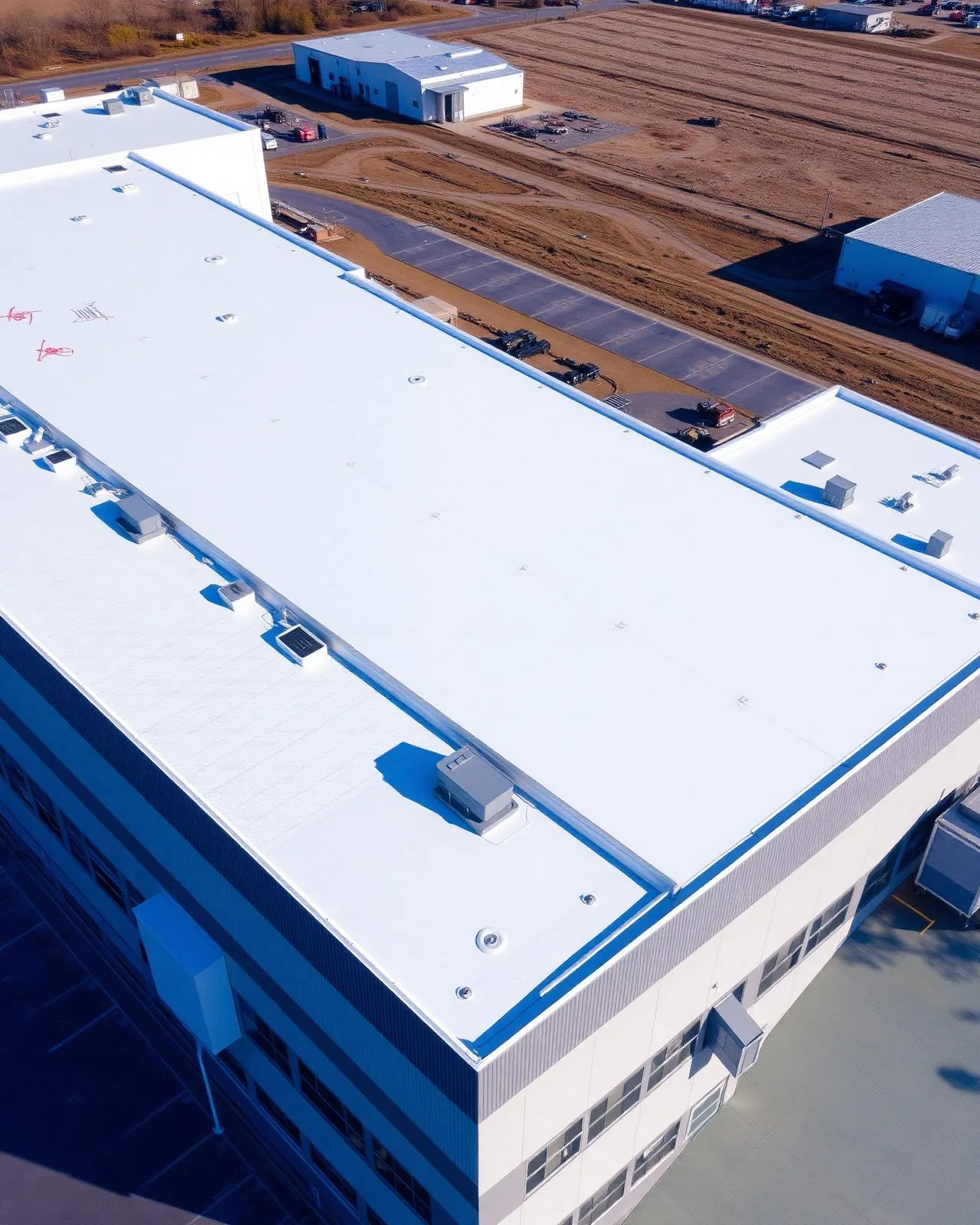
Commercial Roof Replacement
A replacement in Missoula, MT is decided by the order of work more than by the membrane on the pallet. Strip the wrong section first, and a spring thaw finds the opening before the new sheet is sealed. The ground snow load here is 40 psf, and snow can cover the ground for about 120 days a year. That leaves a working season shorter than most owners plan for, so the sequence has to be drawn before the first panel comes off.
We treat a full tear-off as a logistics job with a roof attached. Where the crane sits, which drains stay live, which door tenants keep, and how many square feet are open at the end of each day all go on paper first. The material choice comes after, once we know which failure we are trying to end.
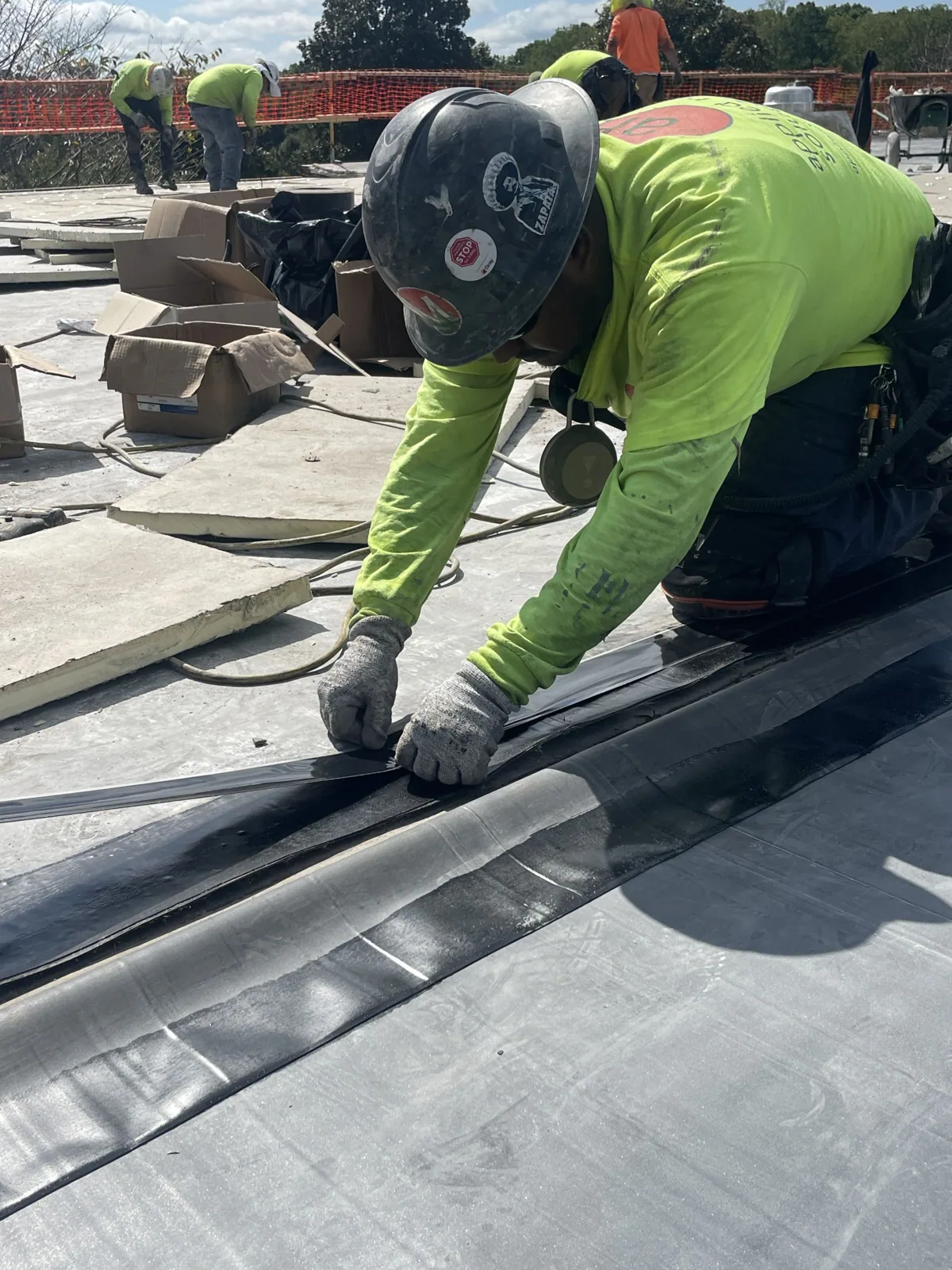
Finding What Failed Before Ordering Anything
Replacement is the right call when the damage is in the assembly, not in a single detail. Saturated insulation that has spread beyond one drainage zone, a deck that has lost fastener grip, and seams that open every winter all point the same direction. A patch on top of those conditions buys a season, not a roof.
On the Missoula side of the valley, daily temperature swings average more than 30 F from late June through late September, and about 45 days a year never rise above freezing. That is a lot of expansion and contraction for a membrane to absorb. Perimeter seams and flashing terminations tend to show it first. We walk the roof, probe the suspect fields, and mark each failure on the roof plan so you can see which zones are finished and which are only worn.
If the evidence says one wing has failed and the rest has years left, we say so, and the scope shrinks to match. A partial replacement with a clean tie-in is a legitimate answer. The decision turns on how much of the insulation is still dry.
Sizing the Work Around Snow and Thaw
Montana sets the design ground snow load for Missoula at 40 psf, and roof loads are calculated from that figure. A new assembly has to carry the drift zones at parapets and rooftop equipment, not just the open field. If the existing deck has been overloaded by drifting, we look at it before we fasten anything new to it.
Snow also sets the calendar. A campus with 64 buildings like the University of Montana, retail owners on the Reserve Street corridor and industrial owners at the Bonner mill site all want the same dry weeks, so crews and material are booked early. Heavy snow collapsed much of the Bonner mill roof in 2011, a reminder that an aging roof under a drift is a structural problem long before it is a leak.
We plan so the tear-off and the dry-in finish inside the same weather window. Insulation, cover board and membrane go on in one pass for each section. Nothing stays open overnight if the forecast says otherwise.
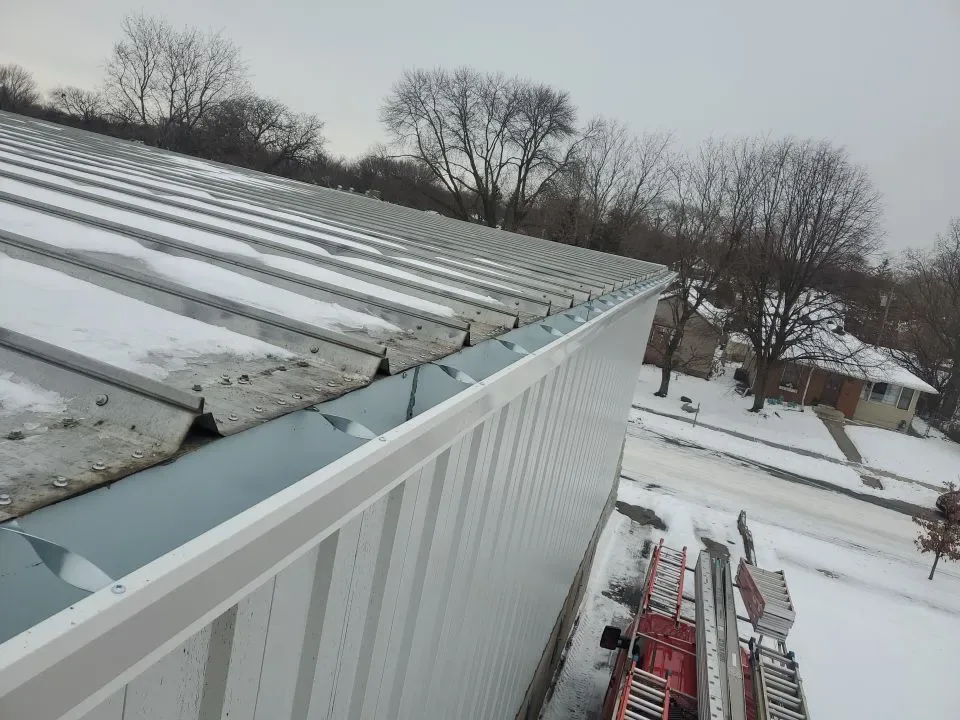
Staging Material Without Shutting the Building
Much of the delay on a reroof comes from the ground, not the roof. A material hoist in the wrong place blocks a loading dock. A laydown yard that takes six parking stalls annoys tenants for weeks. We map the crane pick, the hoist, the dumpster and the walking route before mobilizing, and we share that map with whoever controls the lot.
On a big-box building along North Reserve Street, where more than 30,000 vehicles pass each day, the access plan matters as much as the roof plan. Deliveries are timed to quiet hours. Tear-off debris leaves by chute or hoist, not across the sales floor entrance. On an occupied office or clinic, we coordinate noise-heavy steps such as deck fastening with the facility manager, so the hardest hours fall on the quietest days.
Any occupied building reroofing job runs on one rule: the roof crew adapts to the tenant, not the other way around.
Choosing a Membrane That Survives Both Seasons
Missoula roofs see hard cold and real heat. The record high is 107 F, set on June 30, 2021, and the same roof will sit under months of snow. A membrane has to stay flexible in the cold and hold its seams in the heat. TPO and PVC both suit that range when the seams are hot-air welded and the flashing is detailed properly. EPDM remains a sound choice where a large, simple field favors fewer seams.
Insulation and cover board matter just as much. Thicker insulation brings the energy code into play, since Montana's statewide energy code is the 2021 IECC with state amendments, in effect since June 10, 2022. We confirm the required insulation value with the building department before pricing, because a change at that stage moves the parapet heights and the flashing work.
Closing Out Drains, Edges and the Punch List
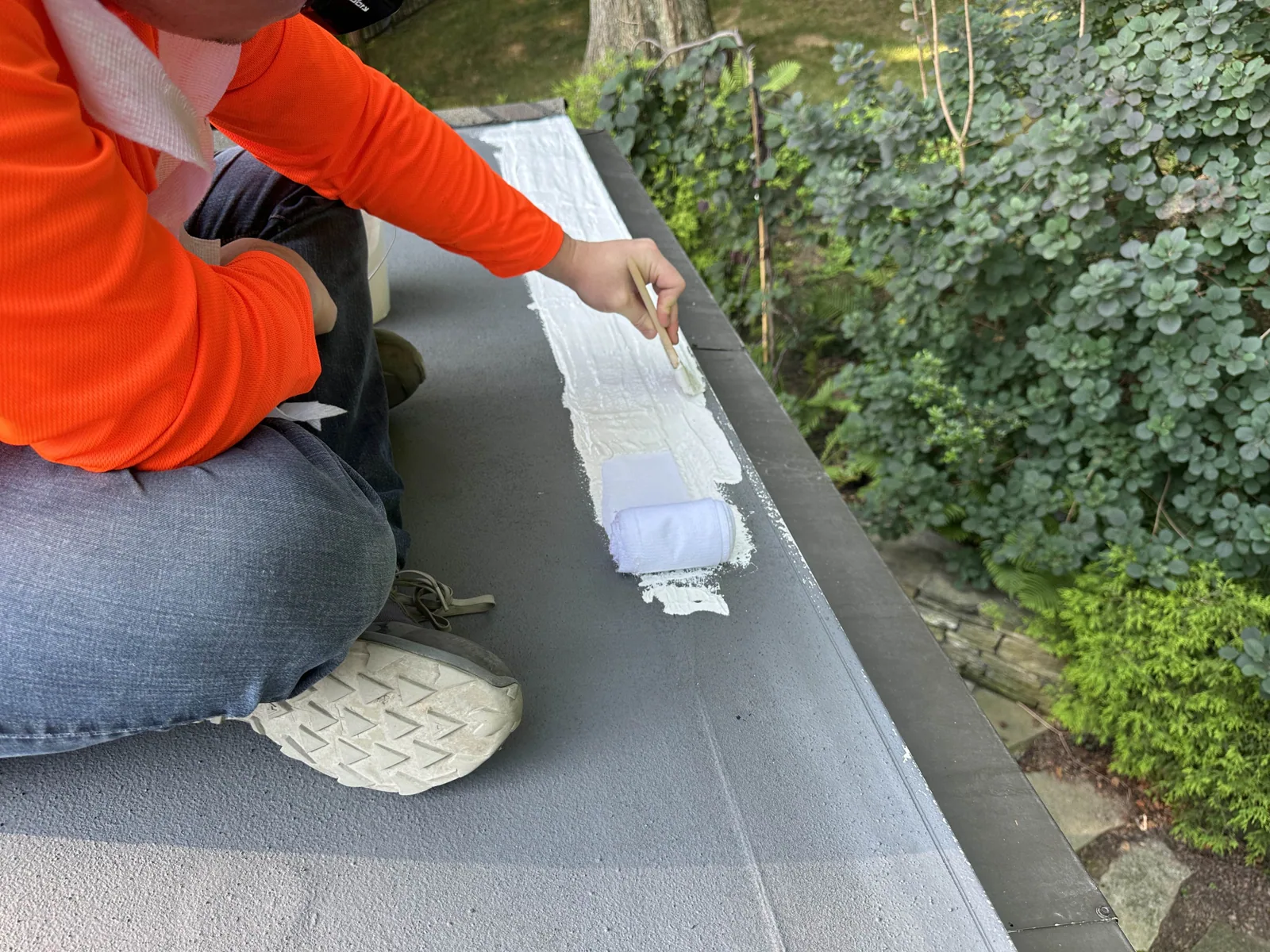
The membrane is the easy part to inspect. The details are where a replacement earns its keep. Drain sumps get new bodies and clamping rings, and we test that water reaches them without ponding. Edge metal is fastened to resist uplift and sealed at every joint. Penetrations get prefabricated boots or properly wrapped flashing instead of sealant alone.
When the field is done, we walk the whole roof with you or your representative and write a punch list. Items go on it, get fixed, and get checked off. Hail the size of quarters pelted central and south Missoula in 2016, so we also record the condition of the new roof with dated photos. If hail or wind returns, you have a clear baseline to hand to an insurer.
For roofs that carry a manufacturer warranty, we keep the installation records in the order the warranty requires. An older building with several roofs near the end of their life can spread the cost through roof capital planning, which sets the order of replacements across several years.
Weighing Replacement Against a Recover
A recover over the existing membrane costs less up front and skips the tear-off. It only works when the insulation below is dry and the deck is sound, and when code allows another layer. A moisture scan answers that question. If the scan finds saturated insulation in more than a few small areas, the recover loses its advantage, because you are sealing water inside the roof.
We lay out both options with the schedule impact of each. A roof that passes the moisture check can take a recover over the existing membrane, and the price of that path goes beside the tear-off price. A building in Lolo or Frenchtown faces the same choice, and the same short working season applies.
Related Roofing Pages
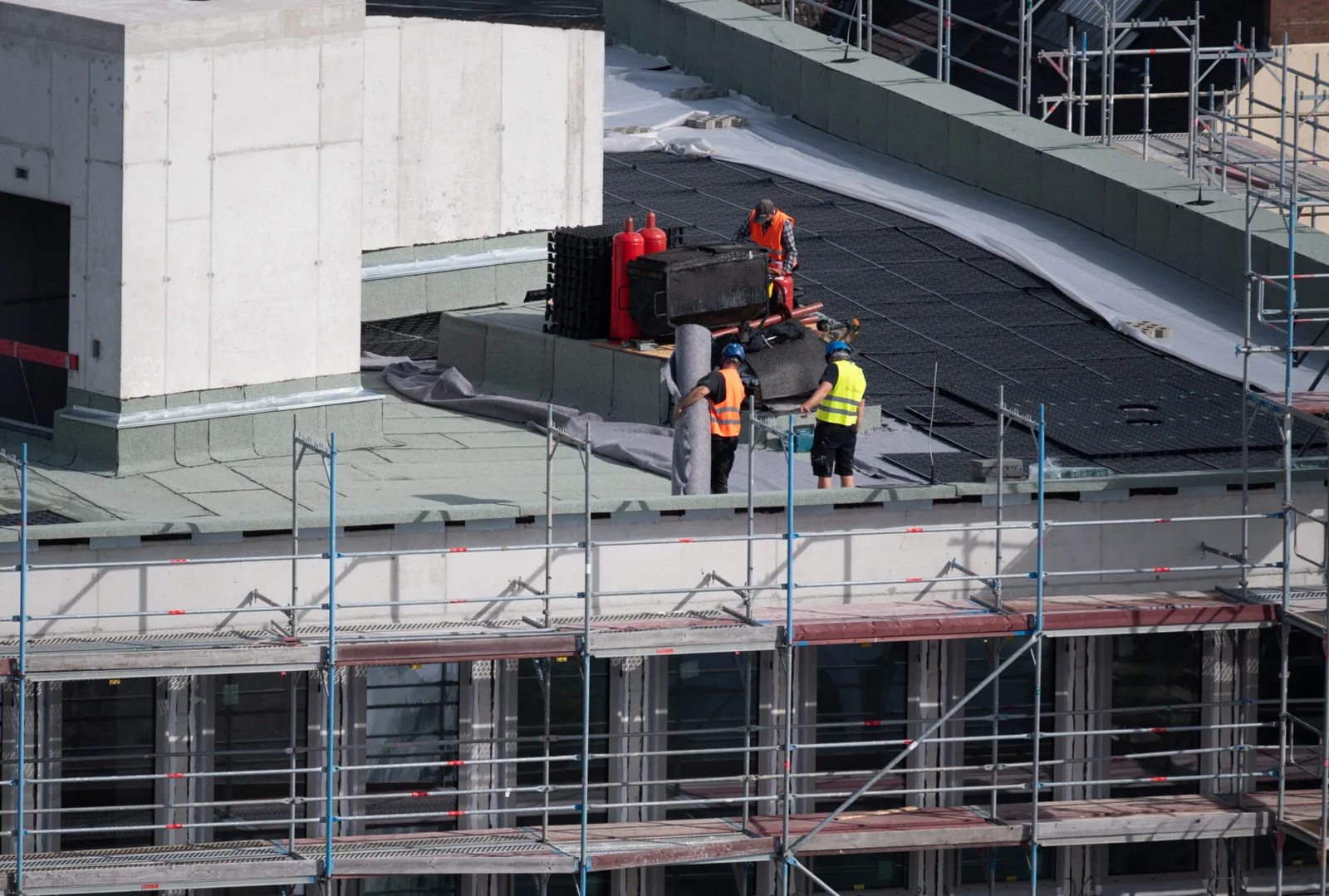
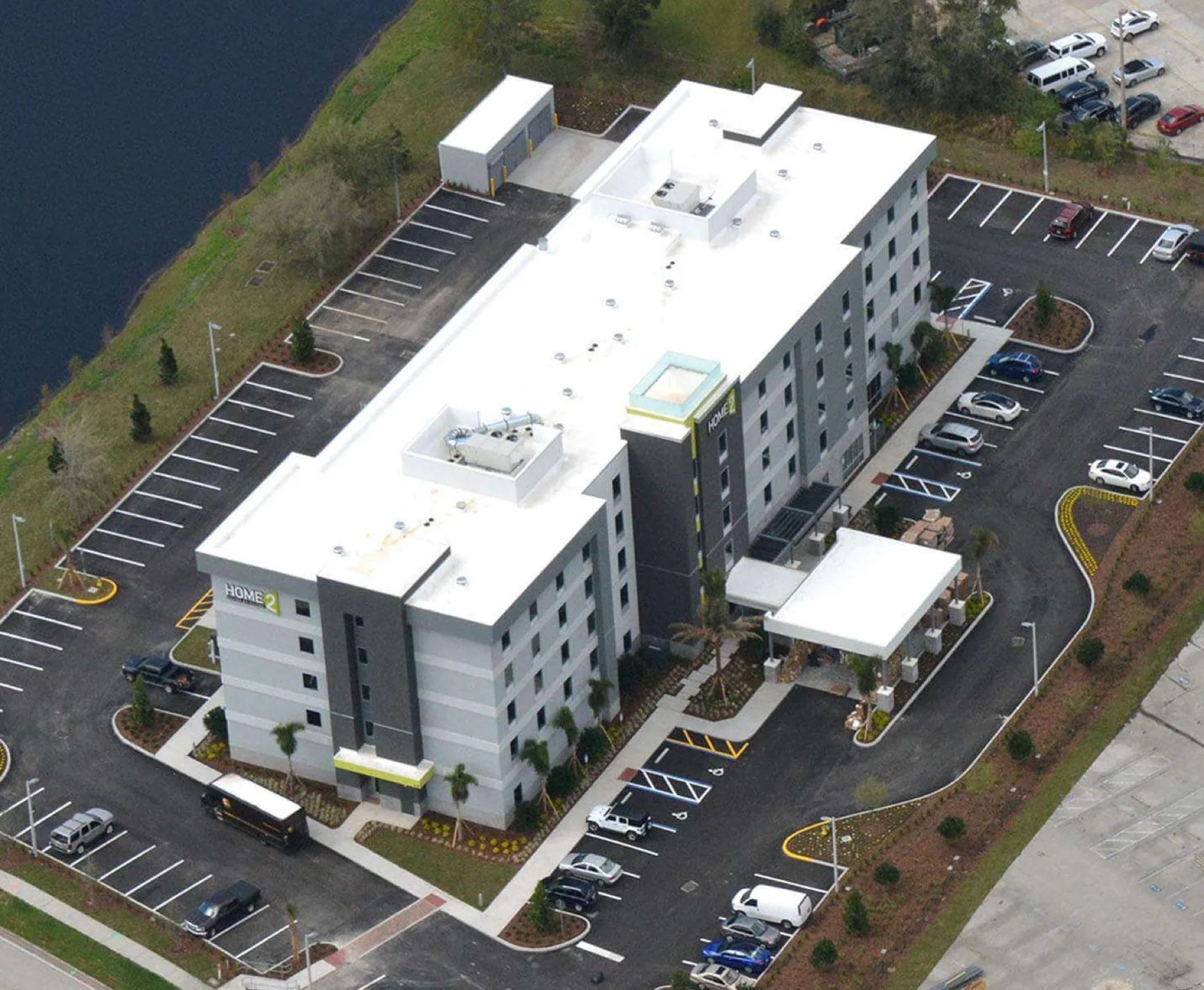
Send the Roof Plan and the Occupancy Schedule
Share the roof plan, the occupancy schedule and any access limits for your building. We will map the phasing, the crane pick and the staging area before any material is ordered, so you can see the days that matter.
Call 555-555-5555 or email [email protected].
Questions About Commercial Roof Replacement
What decides whether we tear off or recover the existing roof?
The moisture in the insulation decides it. A scan and a few core cuts show whether the insulation is dry enough to stay. If wet areas are scattered and small, a recover can work. If they run across entire drainage zones, tear-off is the safer path, because a new sheet over saturated insulation traps the problem.
How long is the roofing season in Missoula?
Snow can sit on the ground for about 120 days a year, and about 45 days never rise above freezing. Those numbers shrink the window for adhesives, welding and cover board. We start planning in winter so material is ordered and the crew is committed before the first dry week arrives.
Will tenants lose access while the roof is replaced?
Not if the staging plan is built early. We keep the hoist, dumpster and crane away from main entrances and docks, and we phase the tear-off so only a section is open at a time.
Which membrane works best here?
Seam strength and flashing detail matter more than the brand name. TPO and PVC with hot-air welded seams handle the hot summers and cold winters well, and EPDM suits large simple fields. We pick based on the roof's drains, penetrations and the foot traffic it will see.
What happens to my existing warranty?
A full replacement ends the old roof's coverage, and any new manufacturer coverage follows the system chosen and its terms. We keep installation photos, fastener patterns and inspection records so whatever coverage applies is documented from day one.