
KEE Roofing in Missoula, MT
KEE Roofing
The first question on a KEE job is what falls on the roof, because that answer decides whether the extra cost makes sense. A sheet chosen for chemical resistance does nothing for a roof that never meets a chemical. So the sequence starts with a walk to list every vent, stack and discharge point. Only then does the membrane choice follow. In Missoula, MT, the weather window for new work is short, with snow on the ground about 120 days a year, and a wrong choice made in a hurry is expensive to reverse the following season.
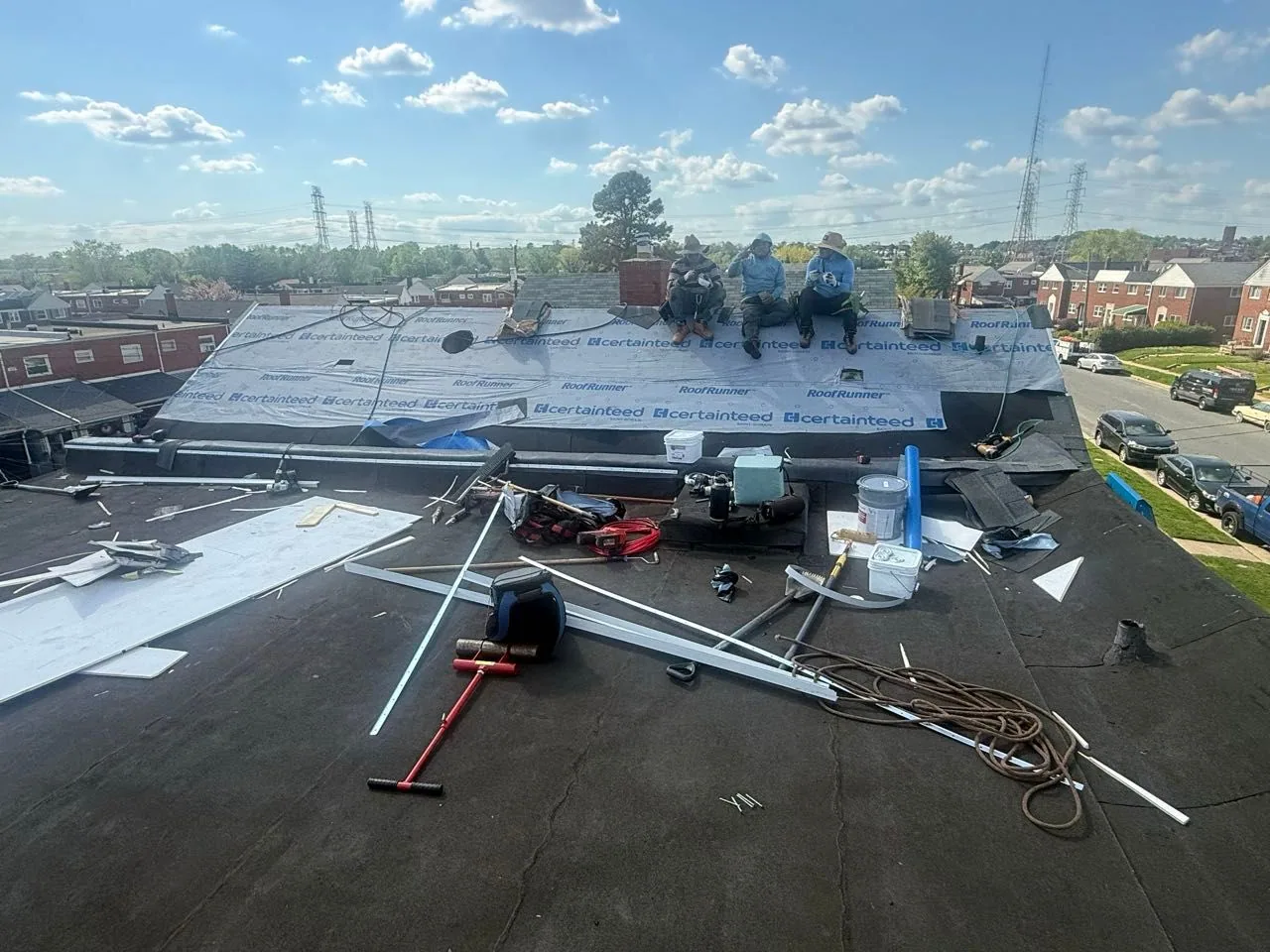
Define what KEE is
KEE stands for ketone ethylene ester. It is a PVC-alloy single-ply membrane in which a polymer replaces much of the liquid plasticizer used in ordinary PVC. That polymer stays in the sheet, so the membrane keeps its flexibility longer and resists the migration that stiffens older PVC.
KEE is welded with hot air like PVC, and it is reinforced with a polyester or glass scrim. It is usually white. It resists fats, oils and many solvents, along with ultraviolet light and ponded water. It costs more than TPO or standard PVC. The owner is paying for a sheet expected to keep its properties on a roof that gets harsh exposure for many years.
The sheet is thicker and heavier than some alternatives, which matters at the details. Flashings are cut from the same material or from pre-formed accessories, and the welds at corners take practice. The crew that installs KEE should have done it before, and the bid should say who. We ask for the weld test records on every day of the install.
Check what still fails on a KEE roof
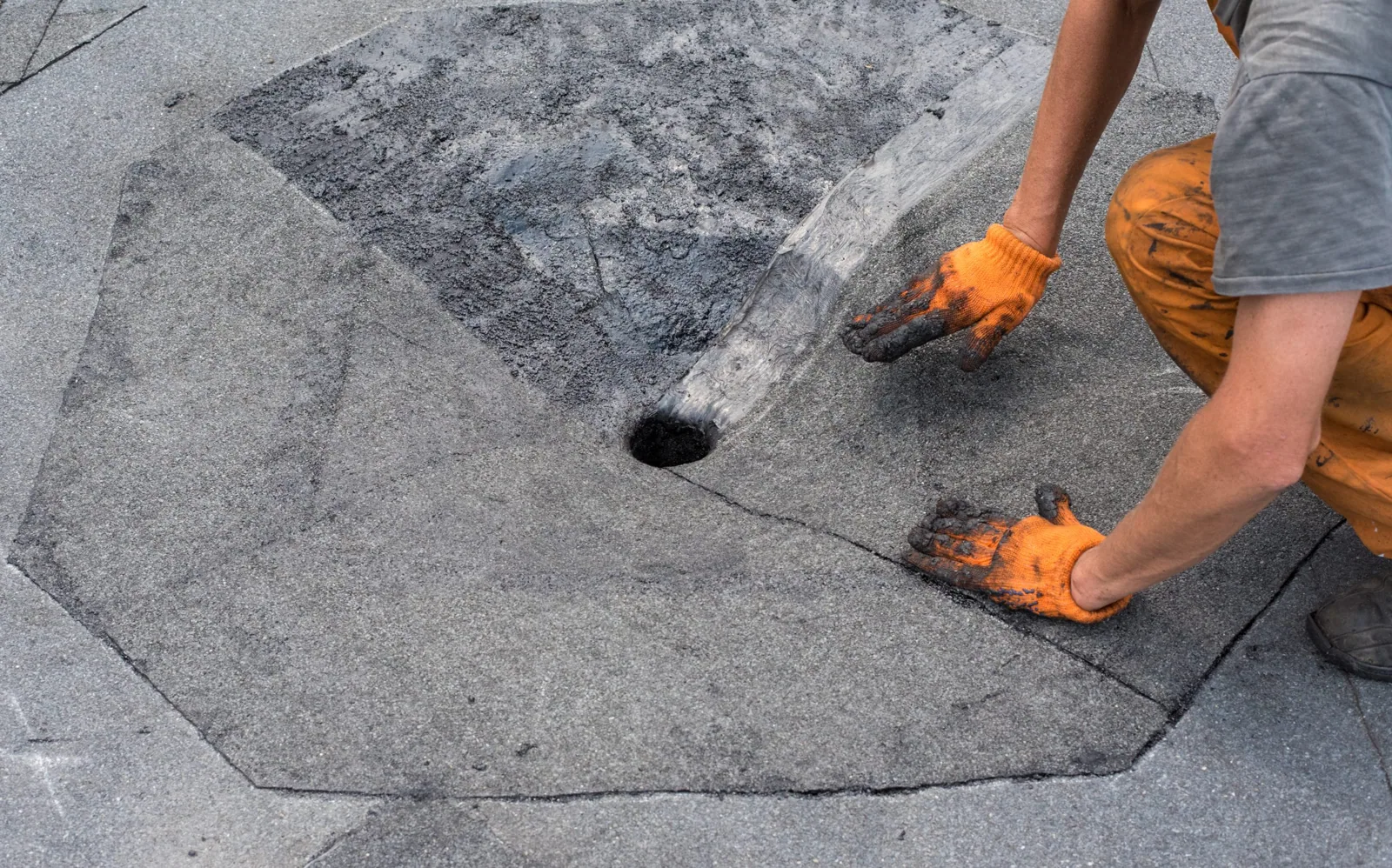
A good sheet does not remove the details. Seams around penetrations, corners at curbs, terminations at walls and the perimeter edge are where movement concentrates. If those welds were made on a cold or dirty surface, they open in a thaw cycle just as a cheaper sheet's would.
A 30 F swing between dawn and afternoon is normal late in summer, and about 45 winter days never climb past freezing. We probe every seam on an existing KEE roof, check terminations for shrinkage and note any areas where chemical staining or surface softening suggests exposure the sheet was not meant to take. A clean field with failing details gets a detail repair. A stained field gets a closer look.
Surface chalking and discoloration are often cosmetic on a white sheet. A tacky or swollen patch is not. We press suspect areas and photograph them next to a clean area for comparison, and we cut a small sample when the condition is unclear. The sample goes to the manufacturer for analysis when the owner wants a firm answer, and the result goes in the roof file.
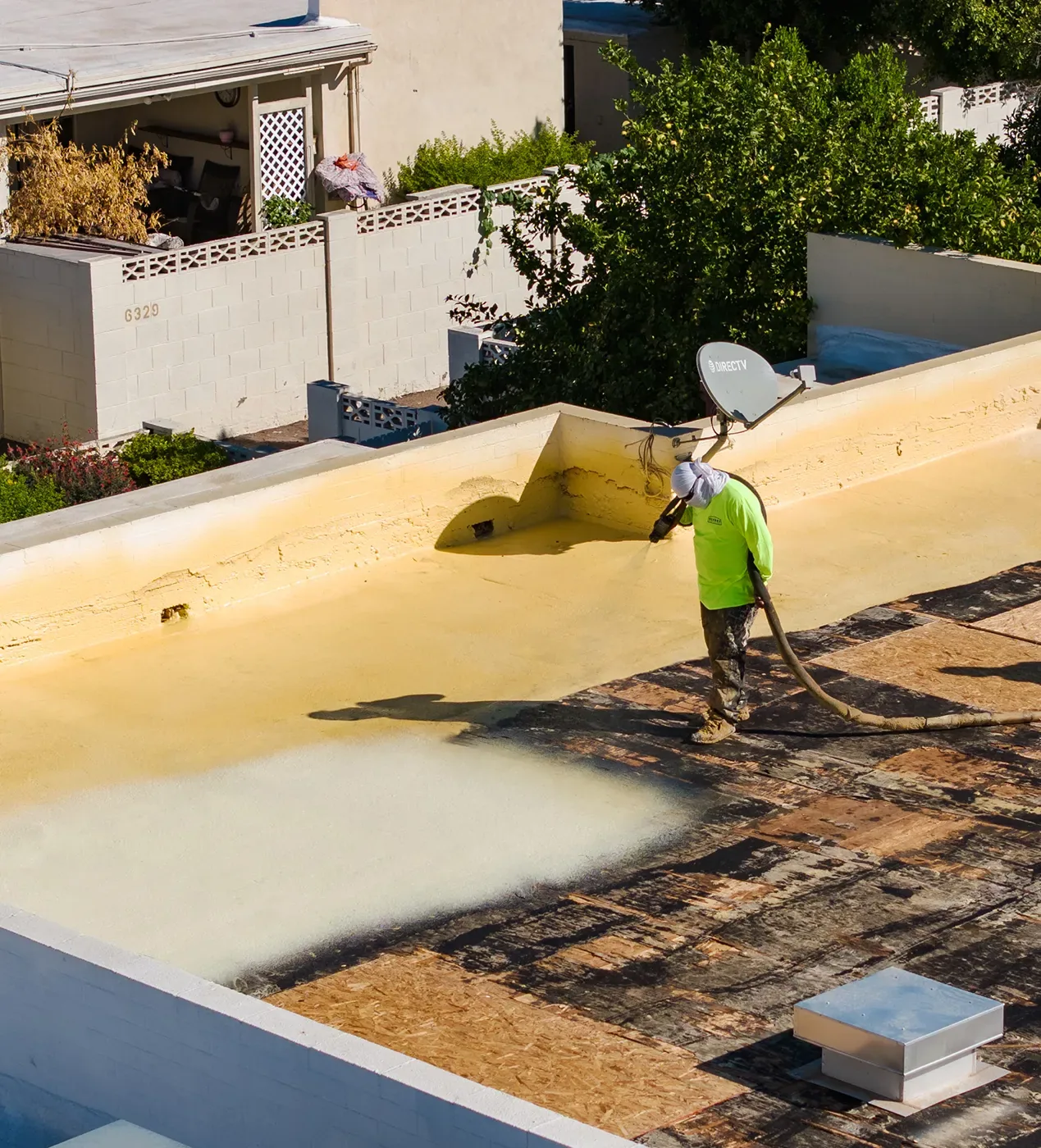
Map the discharge points
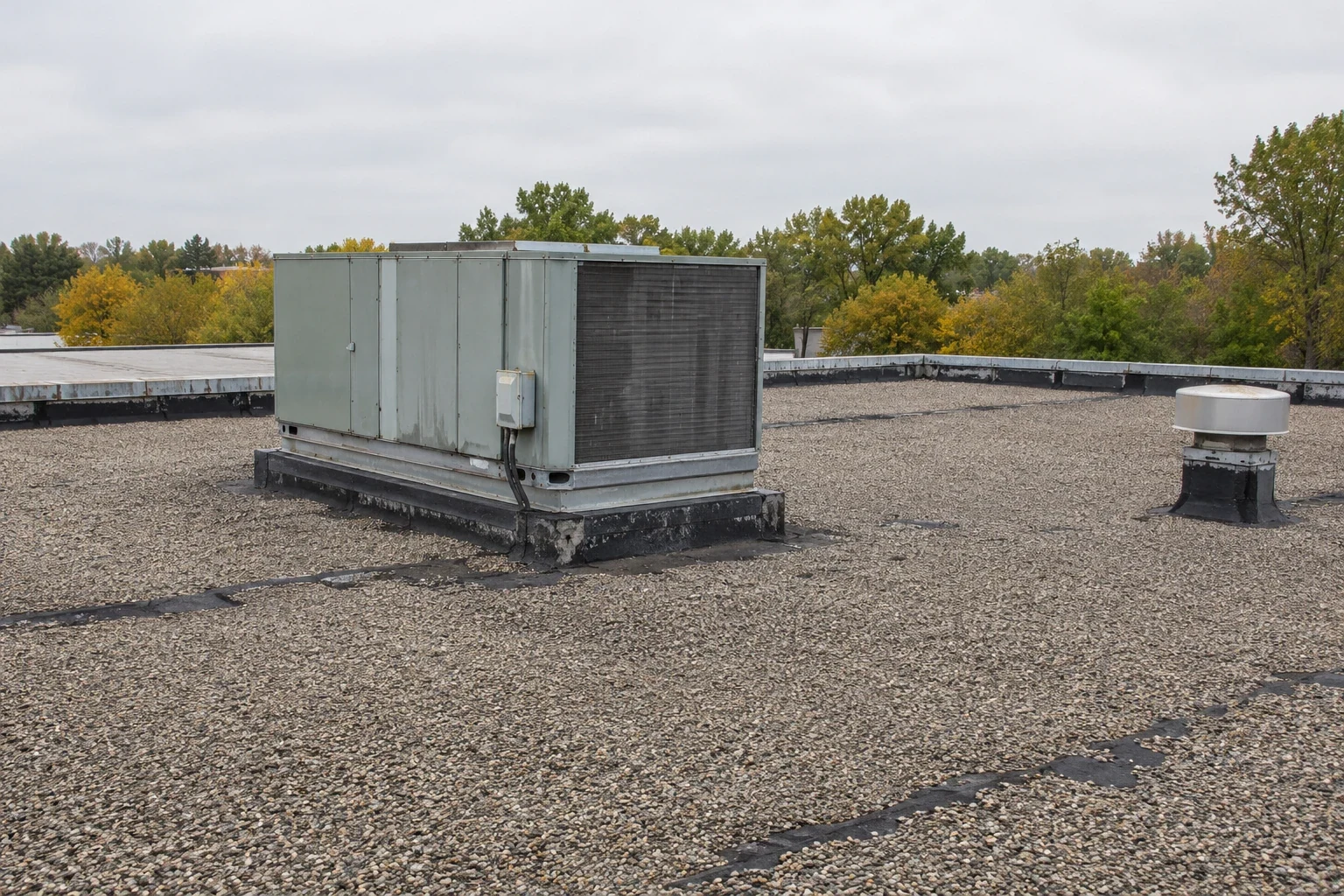
Each vent gets a tag on the roof plan: what it exhausts, how often, and how close it sits to a seam. Kitchen hoods discharge grease. Labs can discharge solvents. Processing lines send vapors and condensate. Generators and boilers send heat and exhaust. Refrigeration condensers drip.
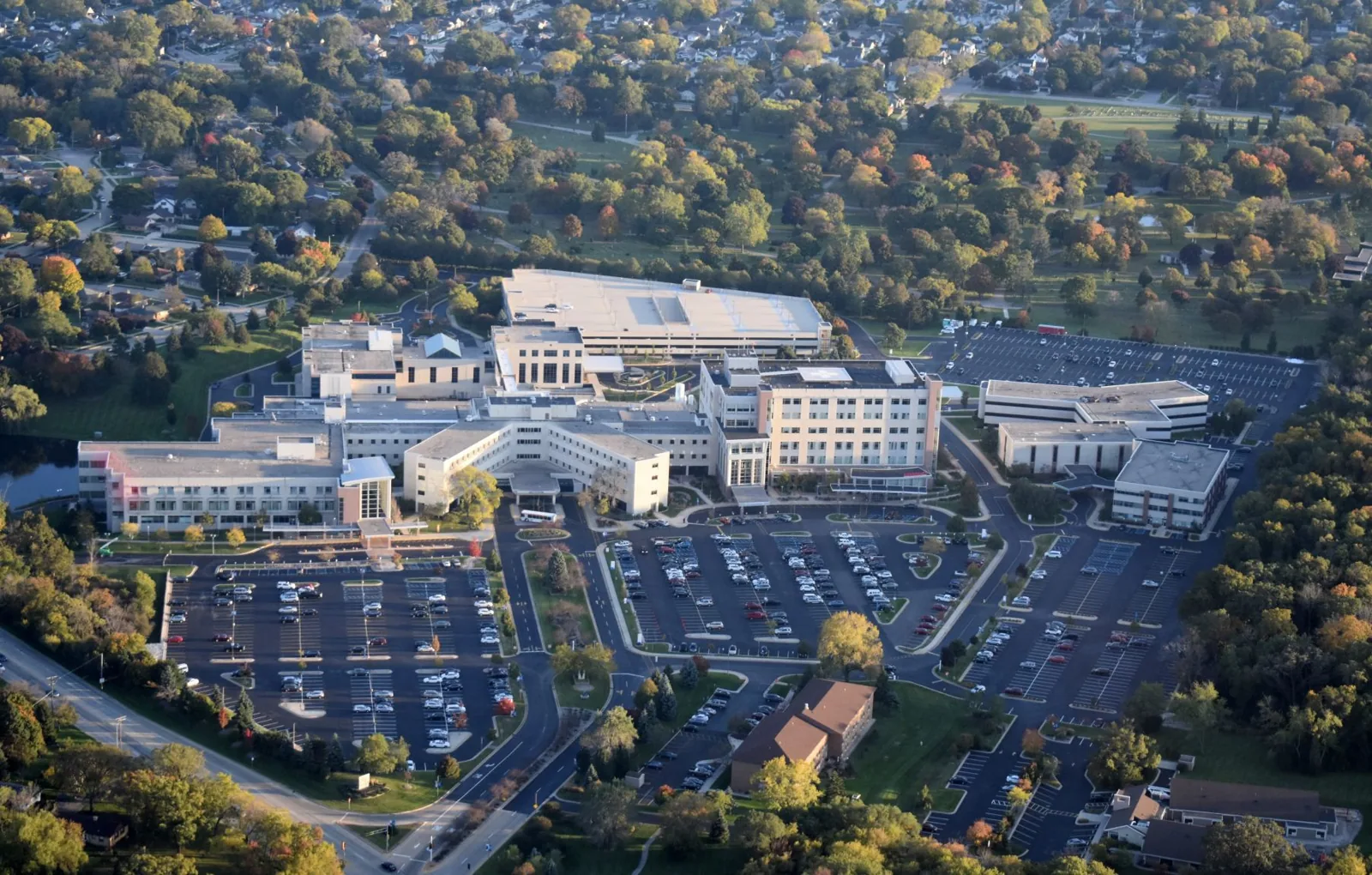
Healthcare employers such as St. Patrick Hospital and Community Medical Center combine these. The hospital is the region's only Level II trauma center, and a hospital roof usually carries mechanical and exhaust equipment, so the work is planned around patient care. For a hospital roof, the discharge map becomes the first page of the scope. Food and beverage buildings and cold storage add their own. We recommend KEE where the map shows persistent contact with fats or chemicals, and we say plainly when a cheaper sheet will do.
Retail and hospitality sites add restaurants. Big-box retail and hotels cluster on Reserve Street, and any restaurant in a retail corridor sends grease onto its own roof. The University of Montana campus brings residence halls and a wide mix of building uses. The redeveloped Bonner mill site brings industrial uses of its own. Each of these gets its own discharge list before a sheet is named.
Schedule the install around the building
The install runs in phases. Old roofing comes off in sections that can be dried in the same day. Insulation and cover board follow, then the sheet is unrolled, welded and flashed. Each section is sealed to the existing roof before the crew leaves.
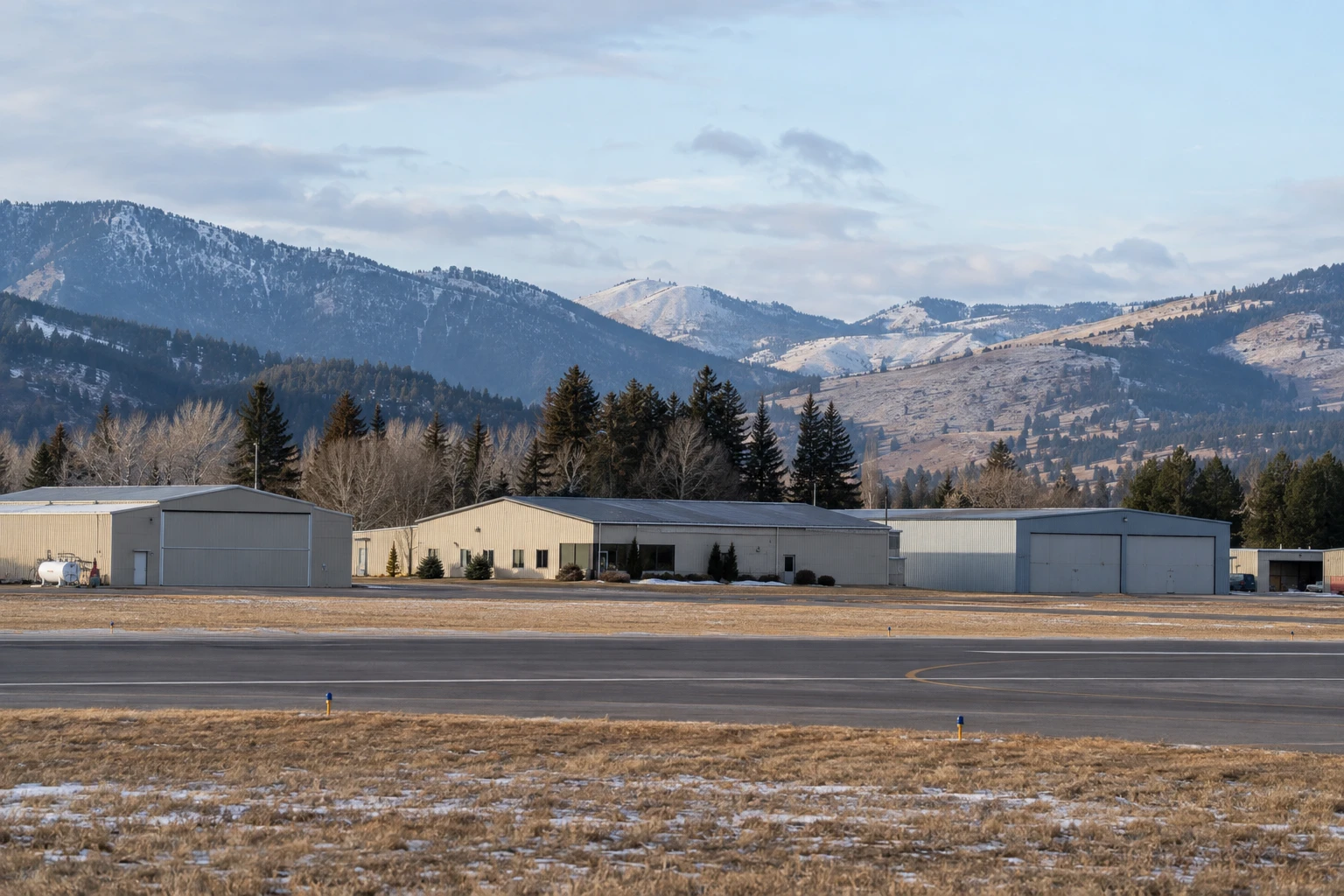
Staging matters on sites with tight access. The laydown yard has to stay out of loading docks and tenant doors. Material goes up by crane pick in timed lifts, and the hoist location is marked on the plan. A site in the Missoula airport area may carry its own access rules, so we ask about them early. The plan shows which days the lifts happen and which doors stay open.
Respect snow load and meltwater
The design ground snow load is 40 psf, and roof snow loads come from it under ASCE 7-16. KEE adds little weight, so the structure's concern is drifting behind parapets and units. Drift zones get extra attention in the attachment layout, and snow guards go over doors and walkways before winter.
Meltwater has to leave the roof. A sump that holds ice at a thaw sends water back behind a fresh weld. We test every drain with water, clear overflow paths and, where the old roof ponded, add tapered insulation that gives the new sheet a slope. Drain and scupper work sits ahead of the membrane in the order of operations.
One further step helps in this climate: a condition report after the first winter. It shows how the details moved through their first full freeze and thaw, and it catches a weld that opened a hair while the warranty is still fresh.
Weigh KEE against PVC and TPO
Standard PVC is the nearest alternative. It resists many of the same exposures at a lower price, but its plasticizer can migrate over time. TPO costs less again and fits roofs with no chemical contact. The decision comes down to what the discharge map shows, how long the owner plans to hold the building and what the insulation level must be under Montana's 2021 IECC with amendments. If the map shows only light exposure, we put the cheaper option first and KEE second, with the price gap stated.
Lead time counts too. Specialty sheet may take longer to arrive than stock membranes, so the order goes in early enough to land before the weather window opens. A late order that pushes the install into November risks welding in poor conditions, and the plan shows the order-by date.
Related Roofing Pages
Send the roof plan and a list of what vents onto it
Send the roof plan, the occupancy schedule and the access constraints, along with any exhaust or discharge points, so the phasing and the staging area can be mapped before any material is ordered.
Call 555-555-5555 or email [email protected].
Questions About KEE Roofing
Why would an owner choose KEE over standard PVC?
KEE keeps its flexibility longer because its plasticizer is a polymer that stays in the sheet. On a roof that takes steady grease or chemical exposure, that longer life can justify the price gap.
Can a KEE roof be installed in cold weather?
Welding needs a dry, clean sheet and a workable temperature. Light cold is manageable. Snow, frost and moisture stop the work. Most installs are planned for the warmer weather window, with temporary protection ready.
How do I know if my roof needs a chemical-resistant sheet?
Look at what vents onto it. If kitchen, lab, process or refrigeration discharge touches the membrane regularly, resistance matters. A walk and a discharge map answer the question before any bid.
Does KEE handle ponded water?
It tolerates standing water better than many sheets, but ponding still shortens the life of seams and flashings. A slope correction during a reroof is the lasting fix.
What does the warranty file need?
Product data, the attachment layout, seam probe results, photos of each detail and the signed punch list. These records show what was installed and let a later owner verify it.