
Roof Recover and Overlay Systems in Missoula, MT
Roof Recover and Overlay Systems
Every recover begins with one question that has nothing to do with the new membrane: is the insulation under the old roof dry? If it is, a recover can save a tear-off, a dumpster schedule and weeks of exposed deck. If it is not, the new sheet becomes a lid on a wet basement. Missoula, MT owners get a short working season each year, so the answer matters before the calendar fills.
We lay a new membrane over a sound existing roof when the numbers support it, and we say plainly when they do not. The point is to spend the budget on a roof that will carry another full service life, not to defer a replacement by a winter.
Passing the Moisture Gate First
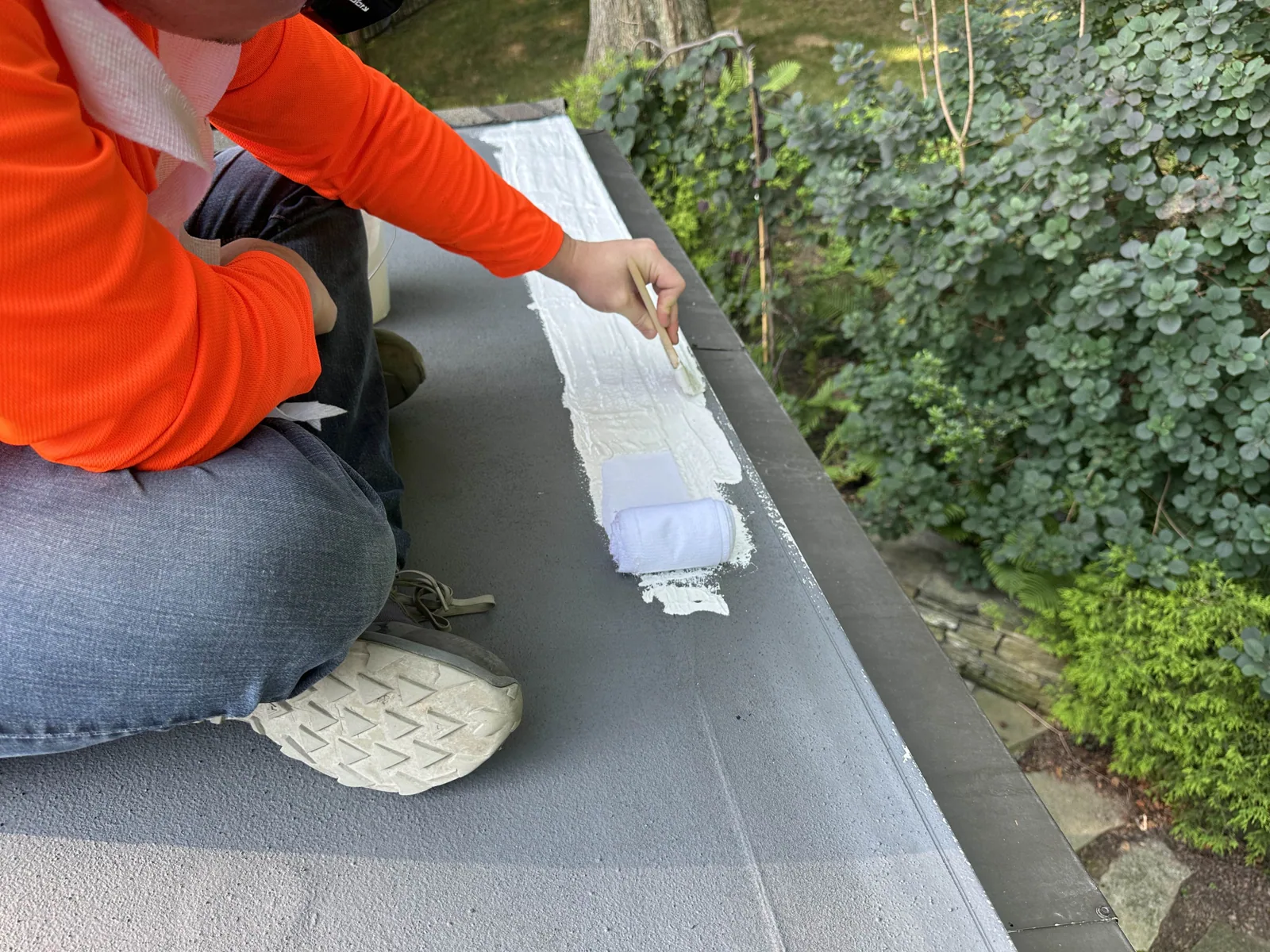
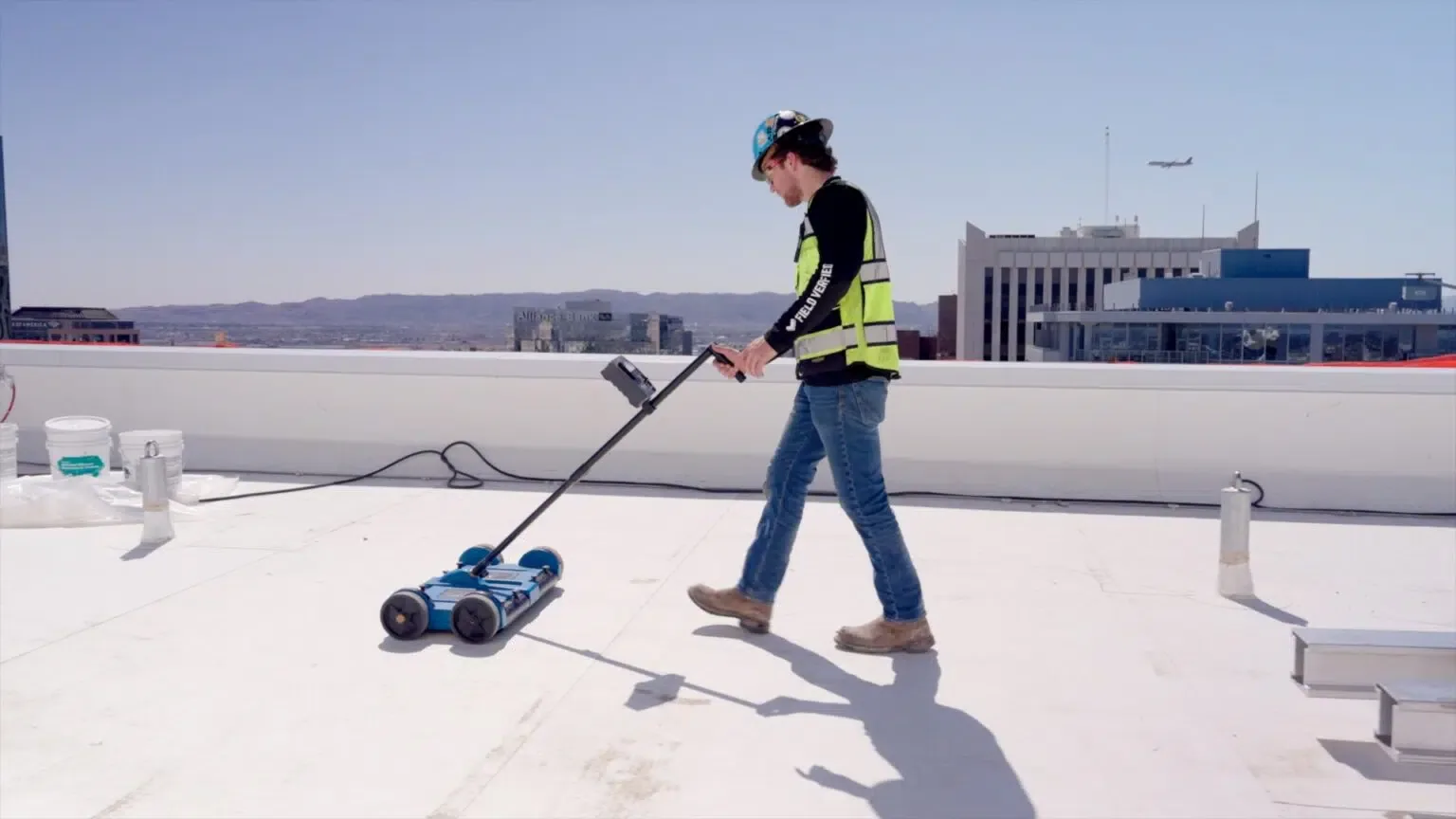
Before any overlay is priced, we survey the roof for trapped water. Infrared scanning at the right time of day shows where moisture holds heat after sunset, and core cuts confirm what the scan suggests. A roof with dry insulation across most of its area and a few isolated wet spots is a recover candidate, because the wet spots can be cut out and replaced during the same visit.
Missoula's temperature swings help the survey. From late June into September a Missoula day often swings past 30 F, so evening scans in summer show a strong contrast between dry and saturated insulation. Winter is a poor time for the work, since snow cover hides the evidence. We schedule surveys in the warm months and use the results to plan the overlay for the following dry window.
The follow-up is a written map of wet zones, drains and flashing conditions. You see what stays and what comes out before the first roll arrives, and the infrared moisture survey that produced the map becomes part of the roof file.
Reading the Deck and the Load Path
A recover adds weight and fasteners. The deck has to hold both, and the structure under it has to carry the additional dead load on top of snow. The state table puts Missoula's design ground snow load at 40 psf, the starting point for every roof load calculation. A building that already runs close to its limit, especially one with drift zones against a taller wall, should be reviewed by an engineer before another layer goes on.
We check the deck by sight and by feel. Rusted flutes, soft plywood and loose fasteners get repaired or replaced before the overlay begins. On a metal deck, we verify that new fasteners will reach solid steel. If the deck cannot take them, the recover stops being the right plan, and we tell you at that point instead of after the crew has mobilized.
Code limits how many roof layers a building may carry in many cases. We confirm the local requirement with the building department before the proposal is final, since the adopted energy code, the 2021 IECC with Montana amendments, also affects how much insulation the new layer has to add.
Building the Overlay in Layers
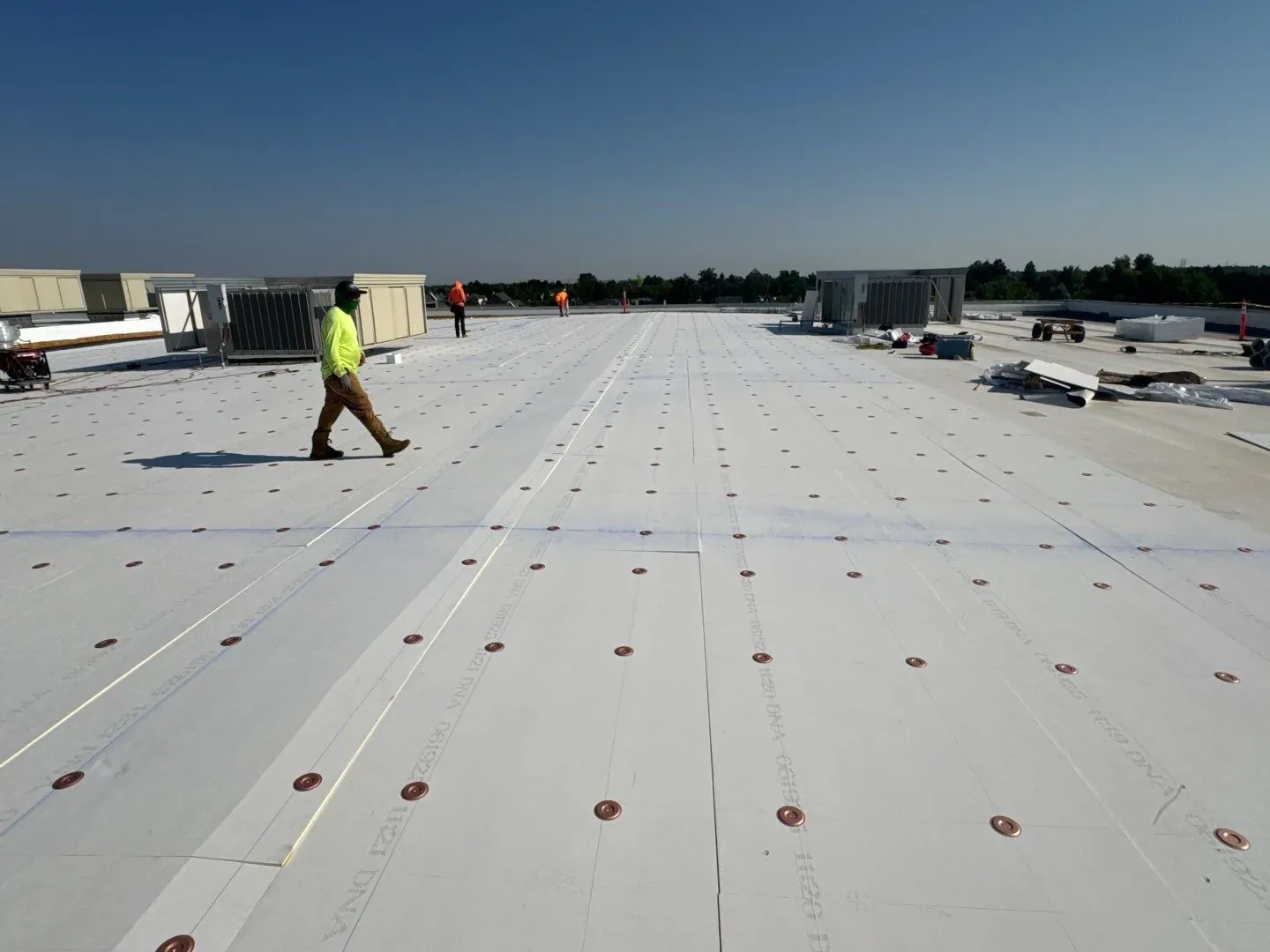
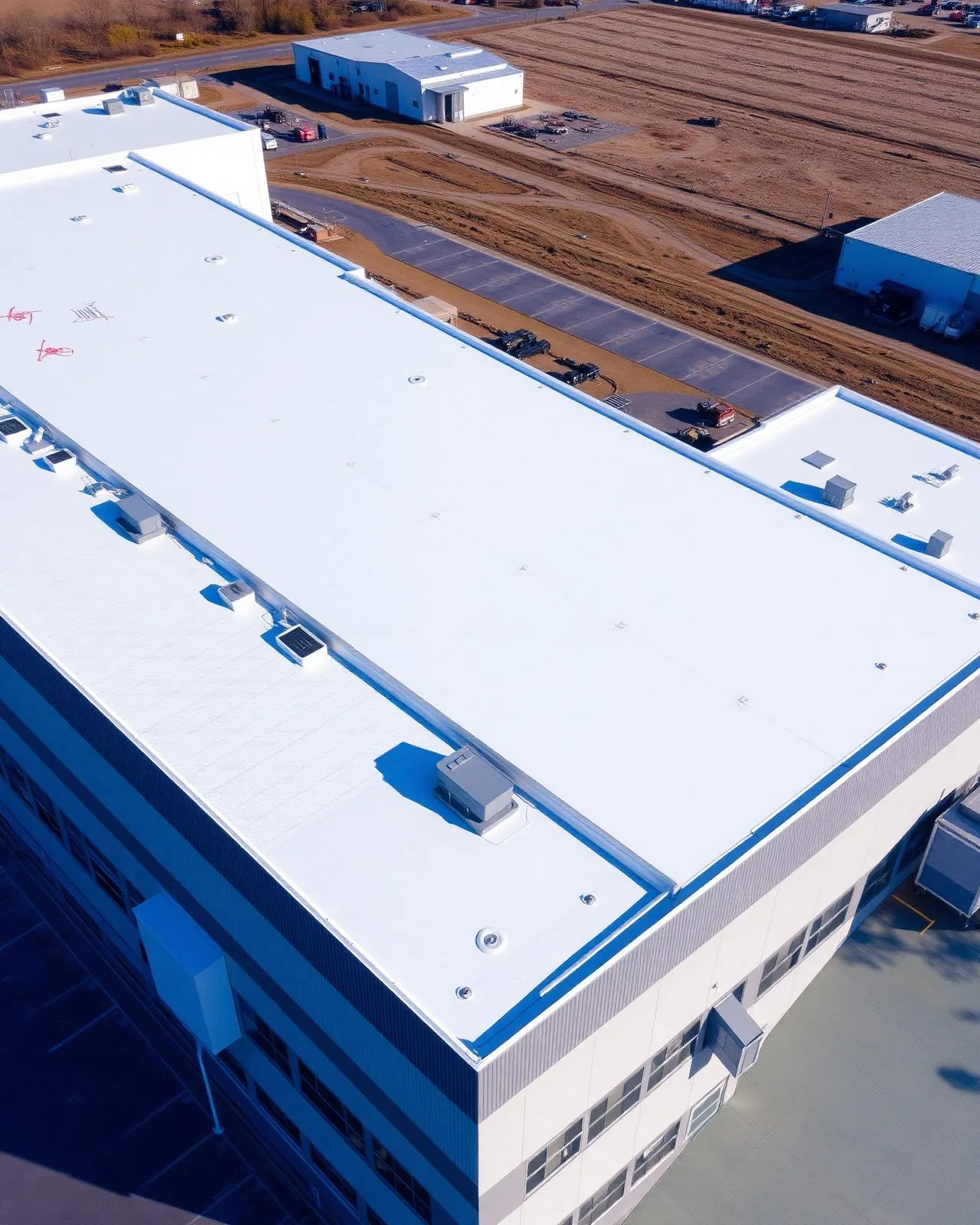
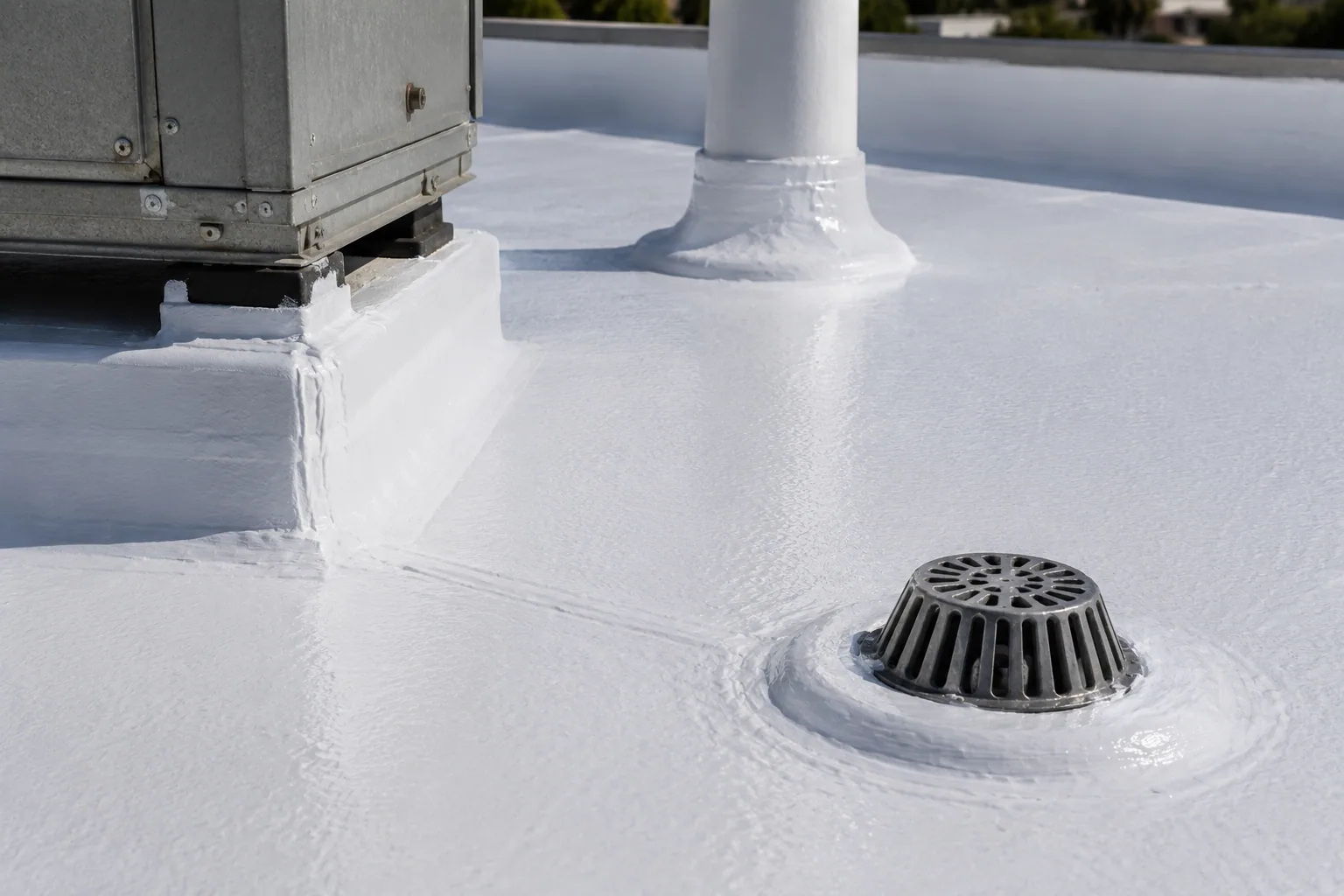
The usual recover assembly has three parts. A cover board or a thin layer of insulation goes down first, to bridge the old membrane's wrinkles and ridges. A new membrane follows, mechanically attached or adhered depending on the wind exposure. Edge metal and flashing are redone so the new layer ties in cleanly at every wall and curb.
Single-ply systems such as TPO and PVC are the common overlay choices over old built-up or modified bitumen roofs, since they weigh little and weld at the seams. Over an aged single-ply roof, a silicone coating can sometimes serve as the recover when the membrane is sound and clean. We choose by what the old roof is made of and what its seams are doing now.
Fastener spacing and attachment patterns stay tied to the wind exposure of the building. A roof standing open on a wide lot sees more uplift at its edges than one sheltered between taller neighbors, so a busy retail corridor like North Reserve Street, with more than 30,000 vehicles a day, still gets an attachment pattern set building by building.
Scheduling Around Tenants and Weather
A recover is quieter and faster than a tear-off, which makes it attractive for occupied buildings. There is no deck exposed, no heavy debris coming down, and no open roof if a storm rolls in overnight. That matters on a retail property near Brooks Street and Southgate Mall, where tenants and shoppers are on site all day and the neighboring redevelopment adds its own trades to the lot.
Hail is the weather risk that interrupts a recover most. Central and south Missoula took quarter-size hail in 2016, with half an inch of rain in 20 minutes overwhelming storm drains. We keep tarps and temporary seals on hand, tie in each day's work to a watertight edge, and never leave a seam open at the end of a shift.
When the project must run in stages, we divide the roof by drainage zone. Each zone is finished and tested before the next one opens. A property manager can then plan tenant notices one zone at a time.
Knowing When a Recover Is the Wrong Move
Some roofs should not be recovered. A roof with widespread saturated insulation, a sagging deck, ponding at several drains or two layers already in place has no good overlay option. In those cases, the extra cost of a full replacement pays for itself in removed risk.
Age is a factor too, but not the deciding one. An older roof that has been maintained and kept dry can take an overlay. A much younger roof with trapped water cannot. The survey results decide, not the install date.
For owners in East Missoula, Clinton or Lolo, we send the written moisture map along with the proposal so you can compare the recover and replacement budgets side by side. Overlay material comes to a laydown yard sized for one day, and the dry-in sequence for each bay is written before the first roll goes up.
Related Roofing Pages
Start With the Moisture Survey
Send the roof plan, the age of the existing membrane and any known leak locations. We will schedule an infrared scan in the next warm window and report whether a recover is safe to price.
Call 555-555-5555 or email [email protected].
Questions About Roof Recover and Overlay Systems
How do I know whether my roof can take another layer?
Three checks decide it: dry insulation over most of the roof, a deck that holds fasteners, and a building structure that can carry the added load on top of snow. A survey and a few core cuts answer the first two. An engineer's review answers the third when the building is already near its design limit.
What does a recover do to my energy code compliance?
The 2021 IECC, with Montana amendments, is the statewide energy code. A recover that adds insulation or cover board changes the roof's thermal values, so we check the requirement with the building department before the scope is set and add insulation when it applies.
Can a recover be done in winter?
Seldom. Snow and ice hide trouble spots, adhesives and welding need workable temperatures, and about 45 days each year never rise above freezing in Missoula. We schedule surveys in summer and place the overlay in the next dry window.
Is a recover cheaper than replacement every time?
The tear-off and disposal are saved, but saturated insulation repairs, new cover board and added edge metal can narrow the gap. On a roof with many wet zones, the total can approach a replacement price while delivering less. The moisture map shows which side of that line you are on.
What if I have a manufacturer warranty on the existing roof?
An overlay may change or end that warranty, depending on its terms. Gather the paperwork before the survey so we can tell you what the new membrane's coverage replaces, and what, if anything, you give up.