
Roof Condition Reports in Missoula, MT
Roof Condition Reports
A condition report has to be written in the order the roof will be repaired, or the reader cannot act on it. In Missoula, MT that order starts with drainage, because meltwater from one thaw cycle will back up behind a blocked drain sump before any seam has a chance to fail. The report therefore opens with drains, moves to seams and flashings, then to equipment and edges, and closes with insulation moisture and the load path. Every finding has a dated photograph and a location mark on the roof plan, so the reader can find it again from the ground or from a drone image.
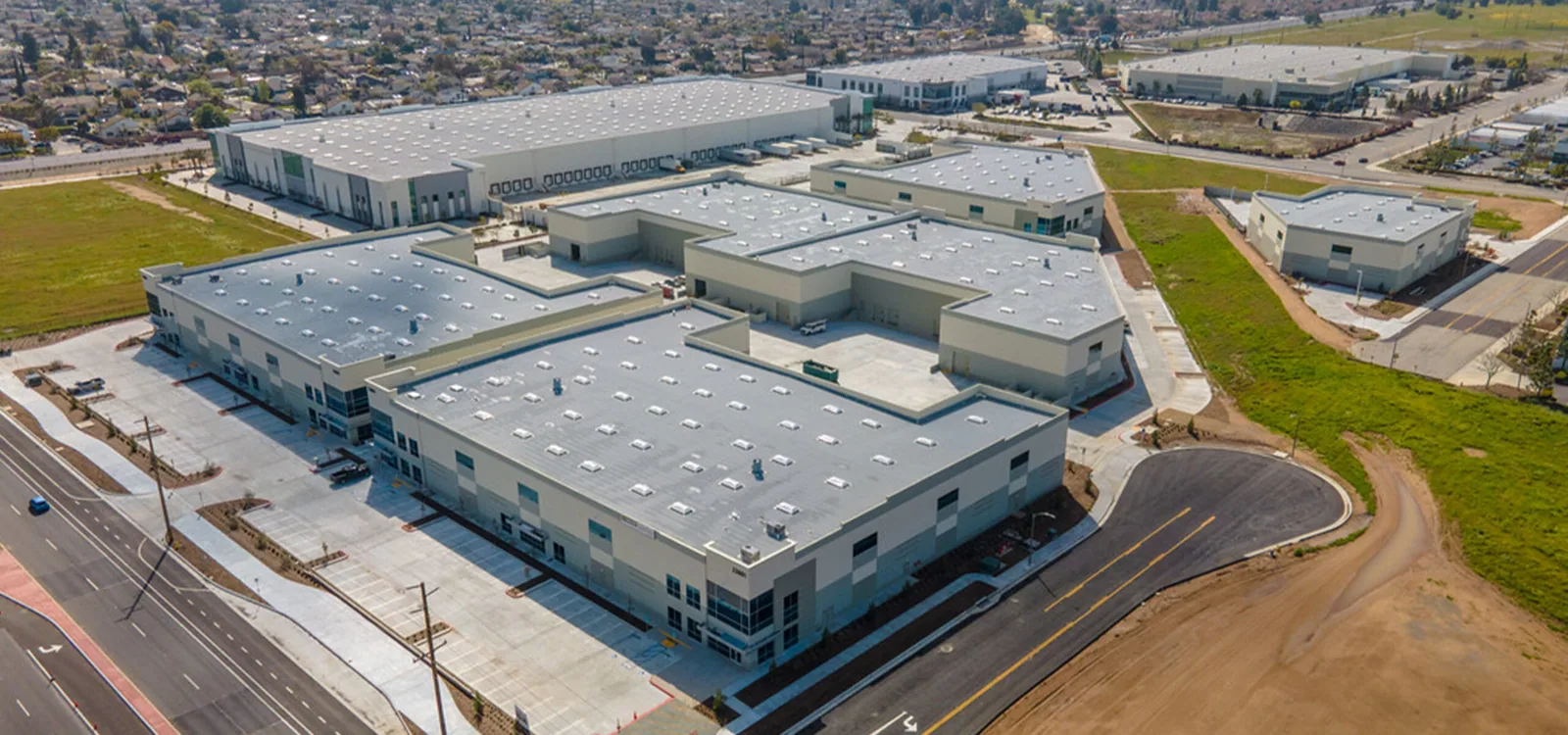
Walk the Roof in the Order the Report Follows
The walk follows a fixed route. Drains and scuppers come first, since a clogged outlet puts a pond on the membrane. Seams and laps come next, probed by hand along their full length. Flashings at walls, curbs and parapets follow, then penetrations, edge metal and rooftop equipment. Each stop produces a photograph and a one-line note.
Where the surface allows, we scan for moisture and cut cores at agreed points. A core shows the number of layers, the state of the insulation and the deck, and a patched or recovered roof can hide layers that no drawing records. The core photographs go into the report beside the plan.
Access notes go in as well. The report records where the hatch or ladder is, who holds the key, what hours the building can be entered and where a lift or crane pick could stand. A repair crew that reads those notes arrives with the right equipment and does not lose the first morning to a locked gate. The notes also tell a facilities manager which doors and parking rows a repair will touch.
Rate Each Finding on a Plain Three-Step Scale
Every finding is rated repair now, repair within two years or watch. Repair now means water can enter during the next thaw cycle. Repair within two years covers sound roofs with a dated problem, such as a membrane near the end of service life. Watch covers items with no leak path today but a visible trend.
The scale carries a cost range for each tier and a note on the weather window that applies. About 120 days of snow cover and about 45 days that never rise above freezing leave a short summer for work, and the report states which repairs can wait for it and which cannot.
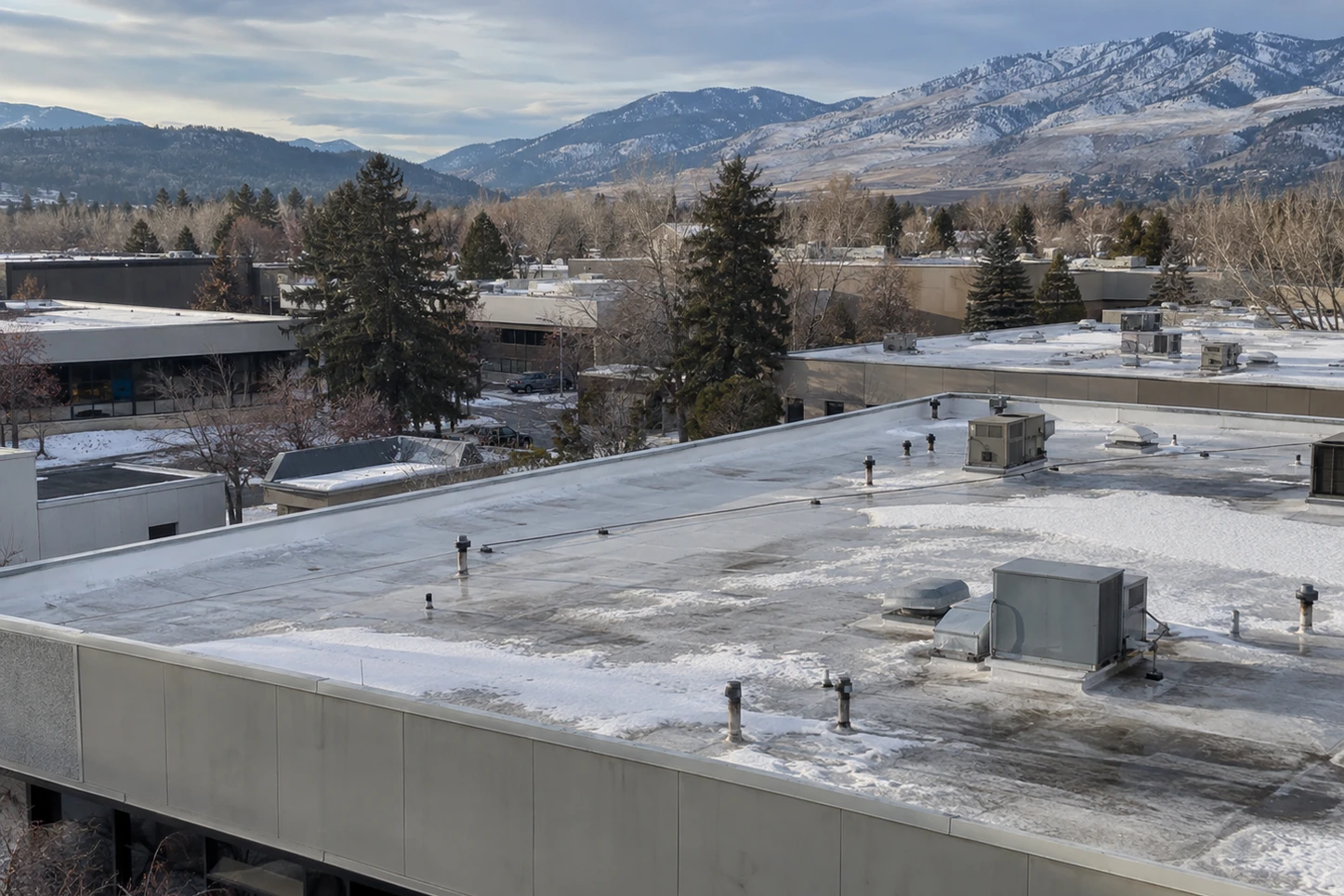
Record Snow Load, Drift Areas and Thaw Damage
Missoula's design ground snow load is 40 psf, and roof snow loads are calculated from that figure under ASCE 7-16. The report notes parapet heights, equipment that traps drifts, snow guards and any sign of deflection in the deck. The 2011 snow collapse at the former Bonner mill is why a sagging purlin or a ponding line near a drift is recorded with a photograph and flagged for the owner's engineer.
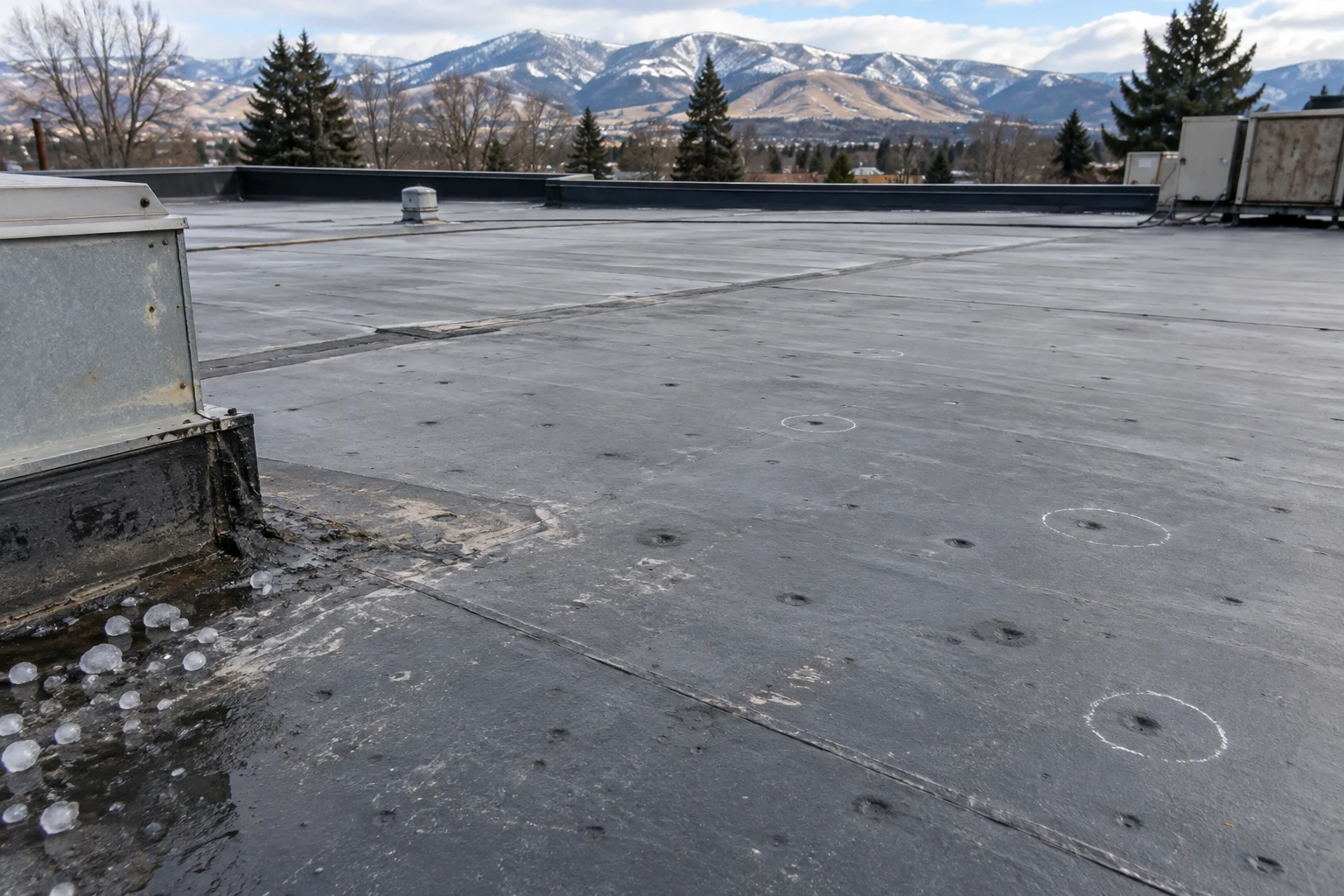
Hail is recorded the same way. Quarter-size hail and a 20-minute downpour overwhelmed storm drains across central and south Missoula in 2016. When an event like that happens, a hail section is added, listing bruise locations, displaced granules and how the drains held up. The section is dated, so an insurer can see the condition before and after, and the owner has a clean timeline for a hail damage repair.
Thaw cycles leave their own marks: ice stains at drain sumps, lifted laps at the edges and cracked sealant at the base of penetrations. We photograph each one at the same angle on every visit, so the report can show change between winters and not only the state of the roof today.
Write for the Reader Who Will Not Visit the Roof
The reader is usually an owner, a lender, a board or an insurer, and none of them will climb a ladder. The report states the roof type, the area, the estimated age, the number of drains and the date of the walk on its first page. Findings follow in rank order, with photographs sized so the defect is visible without a magnifier.
A short summary sits at the front: how many roofs were walked, how many findings fall in each tier and which three items need money first. The summary is written in plain sentences, with no jargon a board member would have to look up. Detailed pages follow for anyone who wants to check a single line, and each page ends with the photograph that supports it.
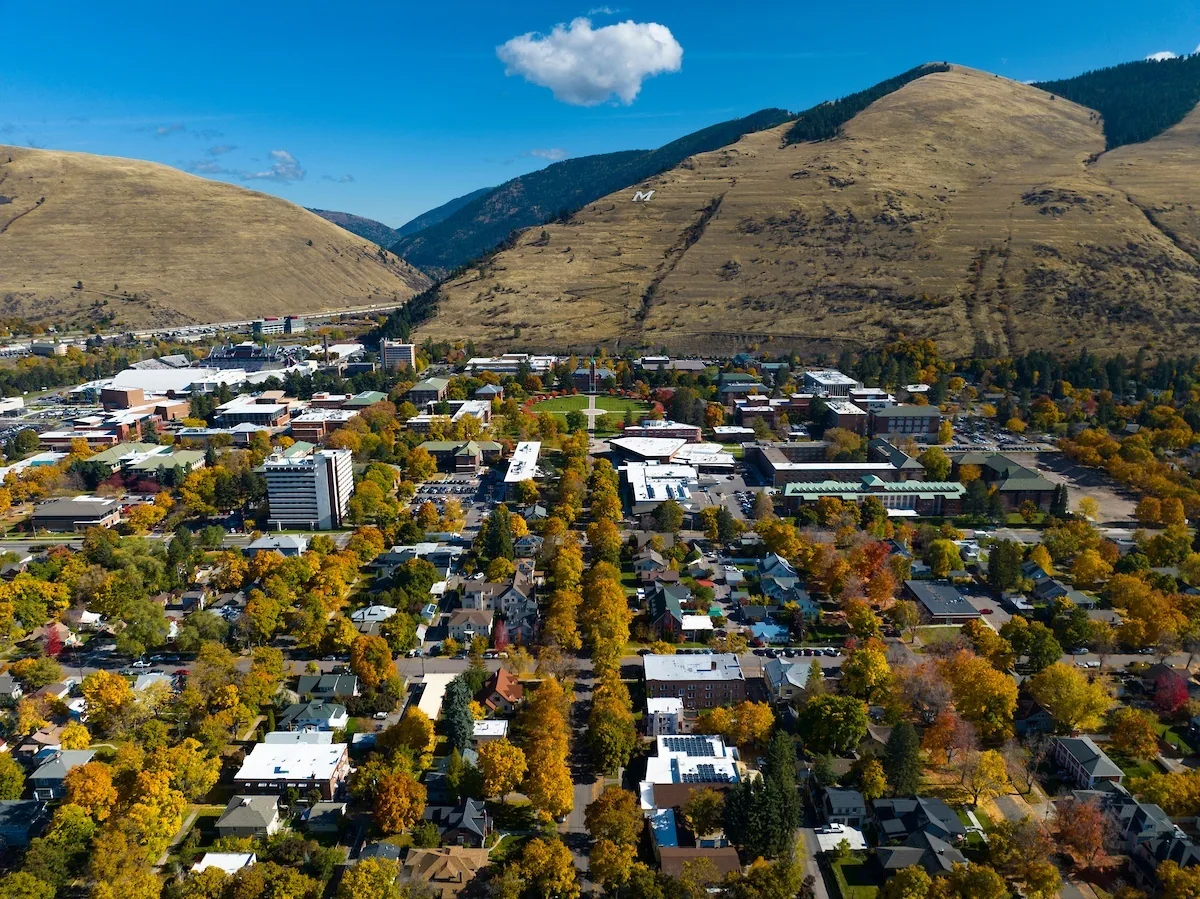
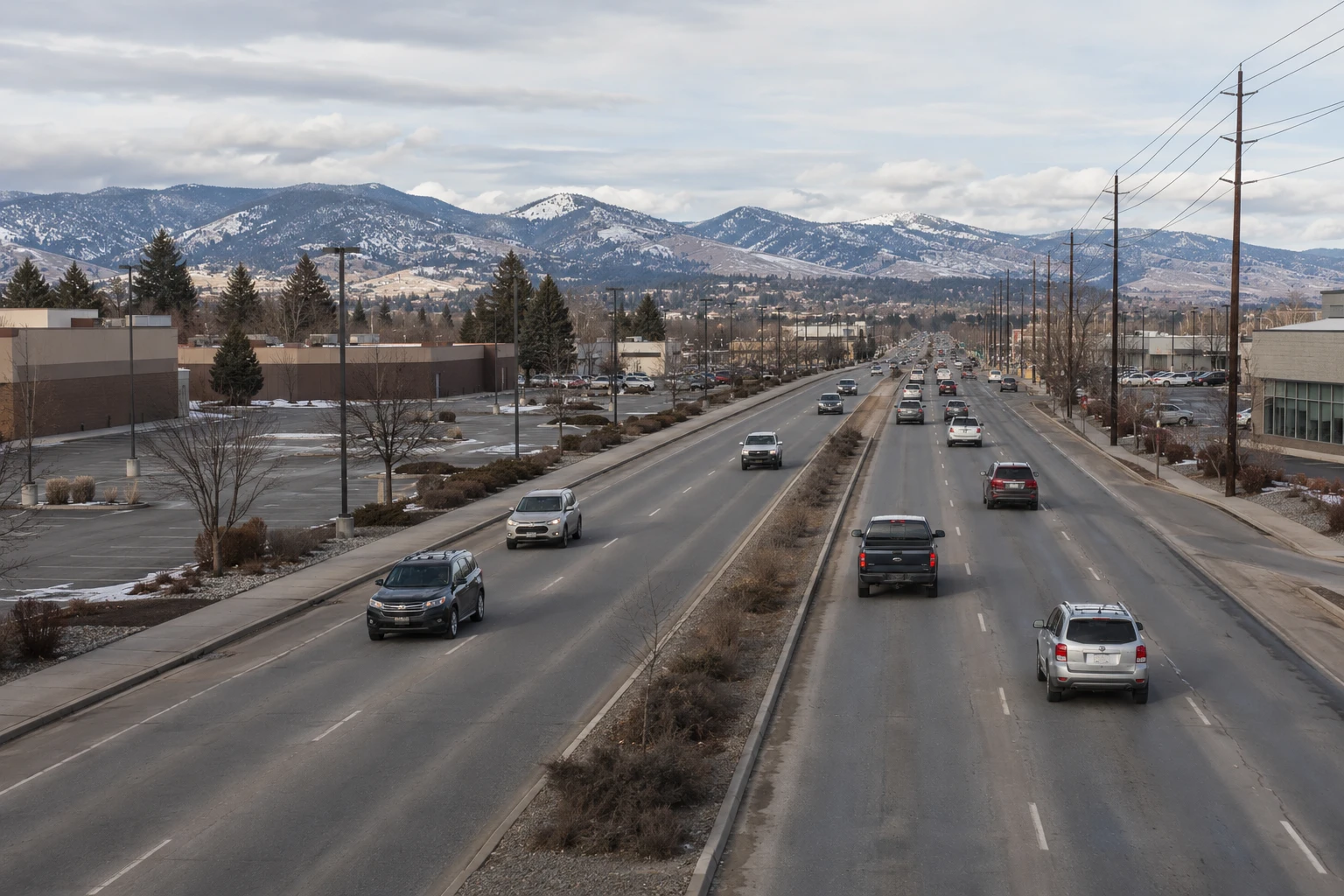
For a campus, the report groups roofs by building and occupancy. On a campus of 64 buildings like the University of Montana's, a residence hall roof ranks above a storage roof for the same defect. For retail on North Reserve Street, where Costco, Lowe's and Walmart lead the corridor, the report notes which tenants sit under each section. The University District and the North Reserve Street corridor each need a different grouping.
Turn the Report Into a Dated Plan
A report that stops at findings leaves the owner with homework. Ours ends with a punch list: the repair now items, their cost ranges and the earliest dates a crew can reach them. The same data feeds the roof capital plan and the roof asset register, so one walk serves three documents.
When repairs are done, we walk the roof again and add the closing photographs to the same report. The owner then holds a before-and-after record, which supports a warranty claim, an insurance review or a sale. A commercial roof inspection done this way remains useful long after the invoice is paid. Each report carries a short glossary of the terms it uses, so a reader outside the trade does not have to guess what a lap or a curb is.
Related Roofing Pages
Send the Roof Plan and the Access Rules
Send the roof plan, the last inspection if one exists and the hours the building can be entered, and we will set the walk order and the core locations before the visit.
Call 555-555-5555 or email [email protected].
Questions About Roof Condition Reports
How long does a report take from walk to delivery?
Small roofs are written up soon after the walk, and large campuses take longer because each building has its own section. Cores and moisture scans add a day or two for the checks we do on site. Urgent leaks are called out the same day, ahead of the full report.
What if the roof is covered with snow?
Snow hides seams and drains, so we schedule the full walk for a clear day. Between storms we can inspect from the ground, check interior stains and photograph accessible edges. A winter visit gives a partial report that is clearly marked, and the complete one follows after the thaw.
Does the report include cost estimates?
It includes cost ranges for each tier, not a firm bid. Ranges let a board plan the budget without pretending the numbers are final. A bid for the repair-now tier follows once the owner picks a scope, and the report's photographs and quantities form the basis.
Can a drone replace walking the roof?
A drone roof inspection reaches steep or fragile areas and gives a quick overview, but it cannot probe seams or cut cores. We use it with a walk where the roof allows, and alone where walking is unsafe. The report says which method produced each finding.
Who owns the photographs?
The owner receives the full photo set with the report, organized by roof area and date. Keeping them with the building file means a later owner, lender or contractor can see the roof as it stood on each visit. We name each file by building, roof area and date, so a photograph from a January visit is easy to place next to one from the following July, and a reader can follow a single detail across seasons without hunting.