
Commercial Roof Repair in Missoula, MT
Commercial Roof Repair
Repair work goes wrong in a predictable order. A seam opens at a wall, water finds the insulation, the insulation holds it against the deck, and by spring the leak is two rooms from where the failure began. A planned repair in Missoula, MT interrupts that chain at its first link, and the first link is almost always a detail, not the field of the roof.
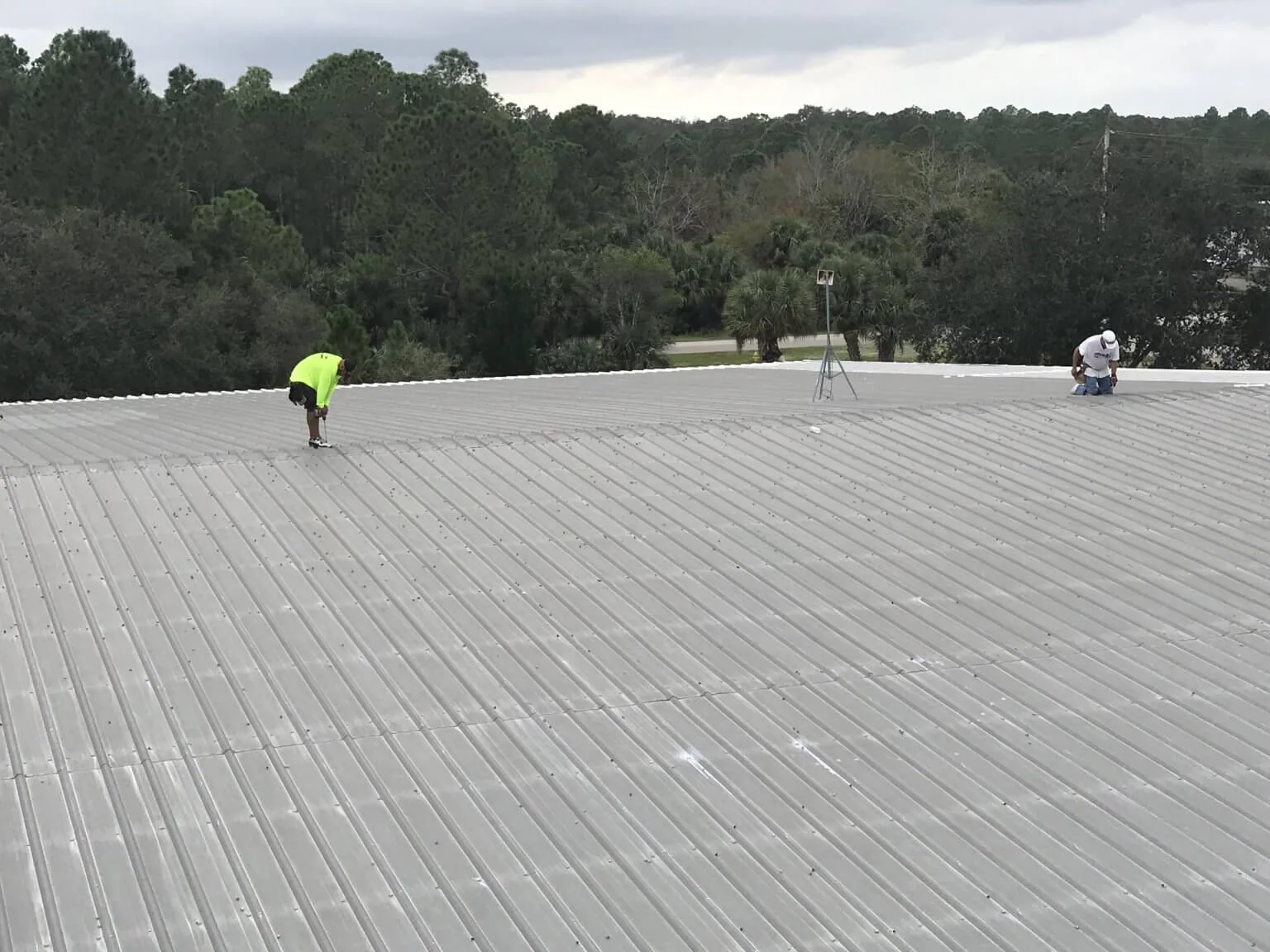
We schedule repairs as work with a sequence, a staging area and a closeout, even when the job is a single day. Small crews still need a ladder or lift location, a material drop and a clear plan for the tenant below. That planning is what keeps a one-day repair from becoming a three-day disruption.
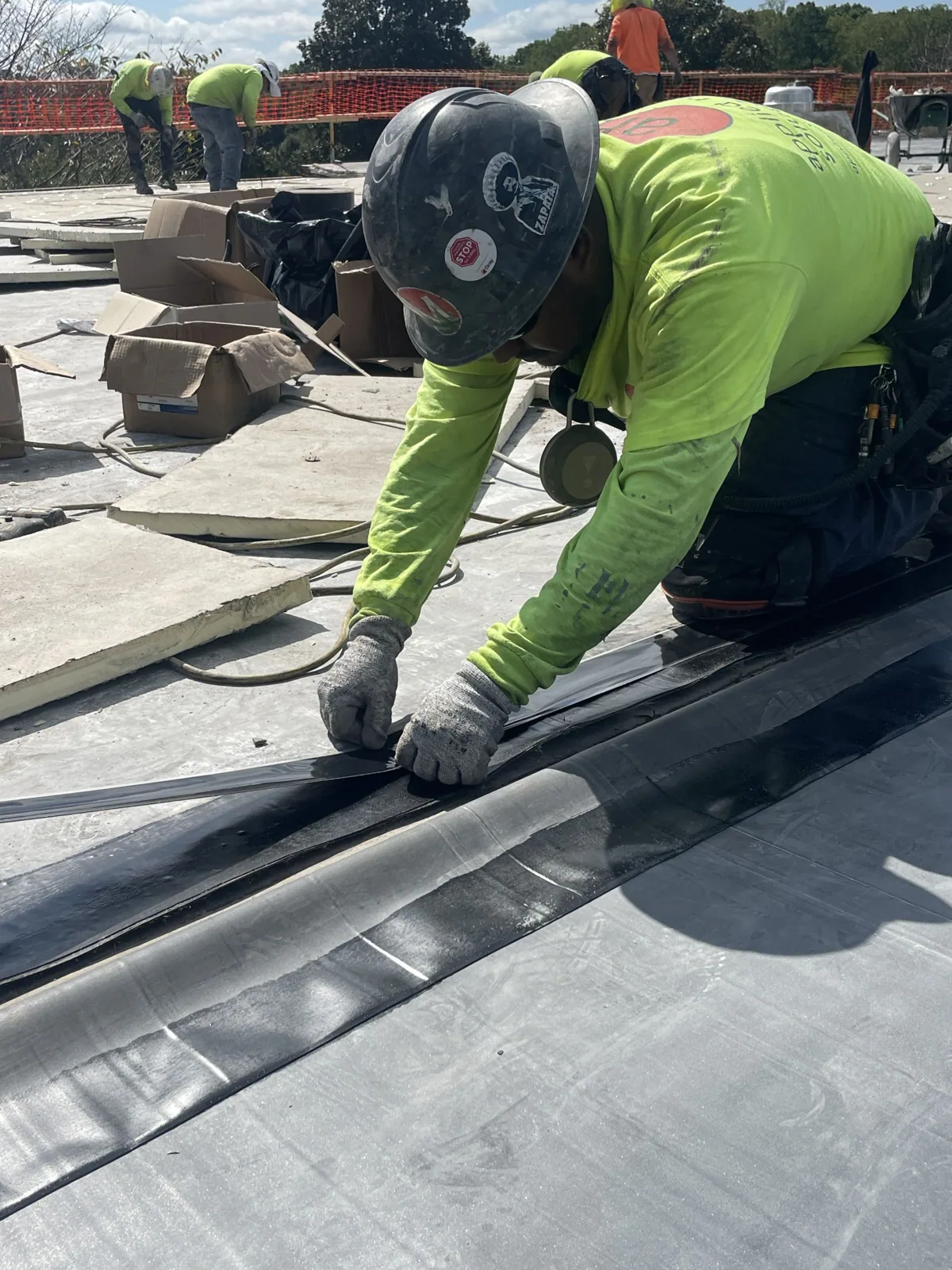
Fixing the Details Before the Field
On low-slope roofs, membrane failures usually start at flashing, seams and penetrations. A base flashing that has pulled away from a parapet, a pitch pocket that has dried and cracked, or a seam that has lost its weld all admit water long before the field membrane wears out. We start repairs there and work outward.
Thermal movement does much of the damage. Missoula has about 24 days a year at or above 90 F, and the record high is 107 F, while about 45 days a year never rise above freezing. A membrane that stretches in July and stiffens in January pulls at every termination. Repairs that ignore that movement, such as a bead of sealant over a lifting edge, fail again within a season.
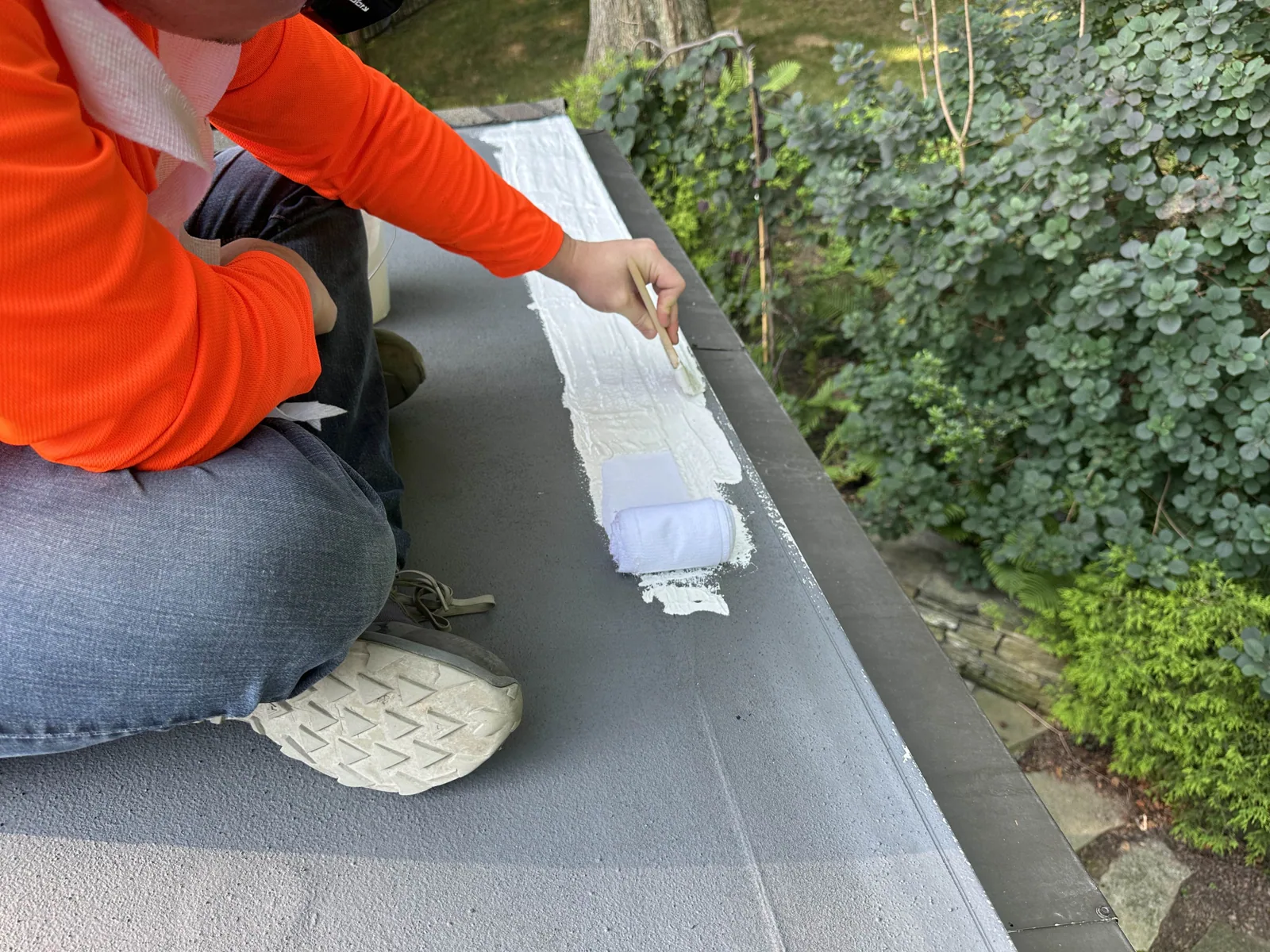
A proper repair replaces the failed termination with new material, mechanically secured and sealed, so it can move with the roof. That is more work than caulk, and it holds through the next cycle.
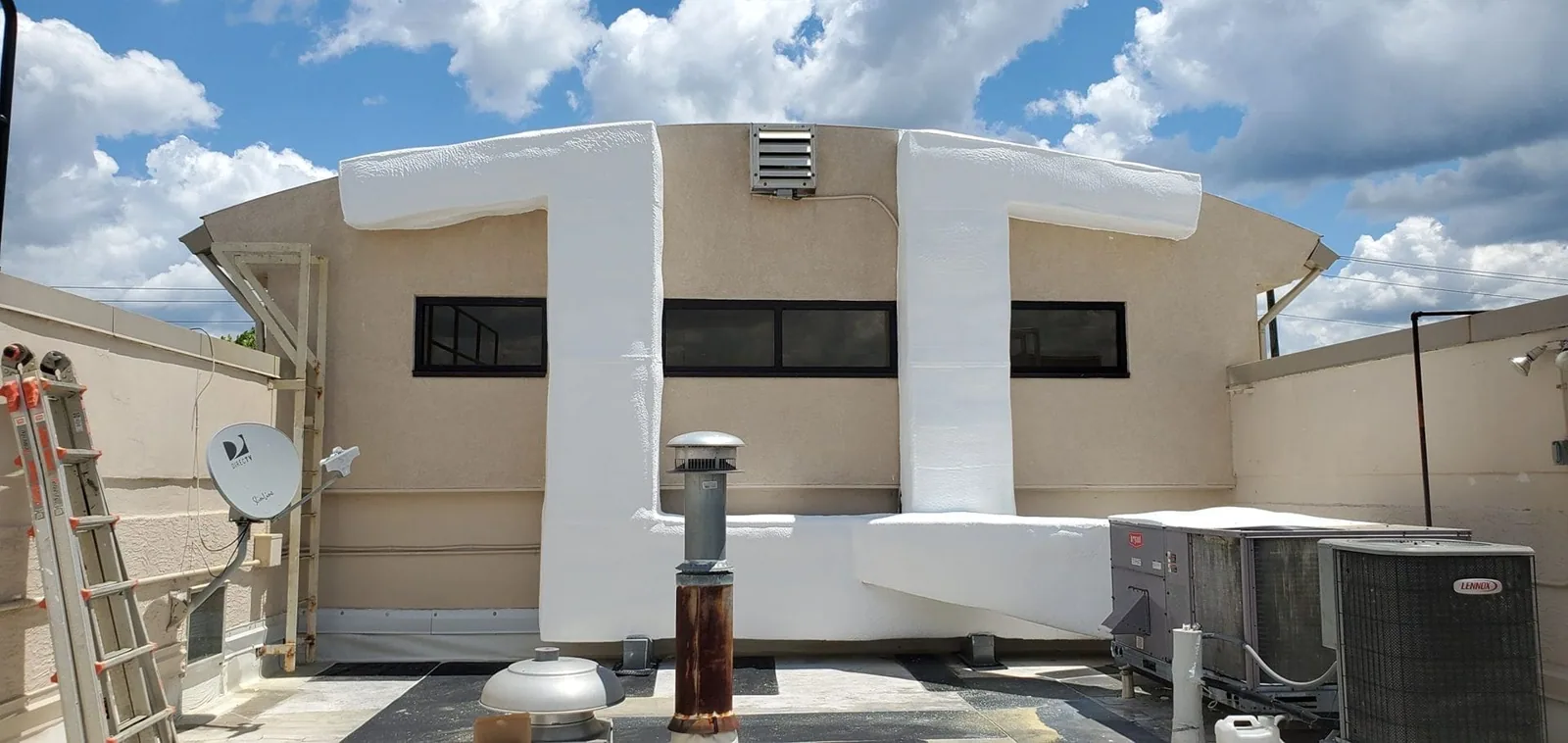
Penetrations get the same treatment. A vent stack, a conduit run or a rooftop unit curb collects movement from the equipment above it as well as from the roof, so the flashing around it fails sooner than flashing on a plain wall. We replace worn boots, add pitch where water stands against a curb, and tighten the clamps that hold counterflashing in place. The goal is a termination that sheds water on its own, with sealant only as a backup.
Rewelding Seams Instead of Coating Over Them
On single-ply roofs, an open seam can often be cleaned, probed and rewelded. Hot-air welding restores the original bond if the membrane is still pliable and clean. When the surface has aged past that point, we use a compatible patch with welded edges, which spreads the stress and seals the opening.
On built-up and modified bitumen roofs, the repair differs. Blisters, ridges and split laps are cut out, dried and rebuilt with new plies or torch-applied cap sheet patches, lapped well past the damaged zone. Where the old asphalt is brittle, we say so, because a patch on brittle material only moves the crack a few inches over.
Our approach to seam failure repair and flashing failure repair is the same on every membrane: remove what has failed, attach new material to sound substrate, and test it before leaving.
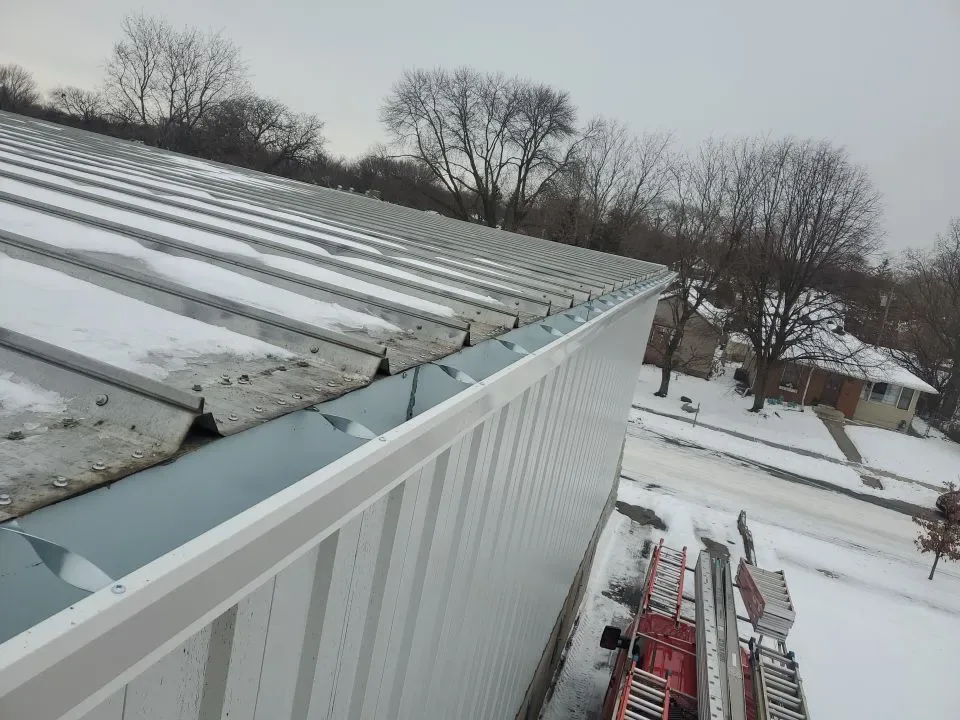
Sequencing Repairs Around Tenants and Snow
Winter is the hardest season for repair work. Snow cover lasts roughly 120 days of the year in Missoula, and cold stiffens membranes and slows adhesives. Temporary repairs are possible in the cold, and we place them when a leak cannot wait, but permanent repairs belong in the warm months. We tag every temporary fix so the permanent scope is clear when the weather opens up.
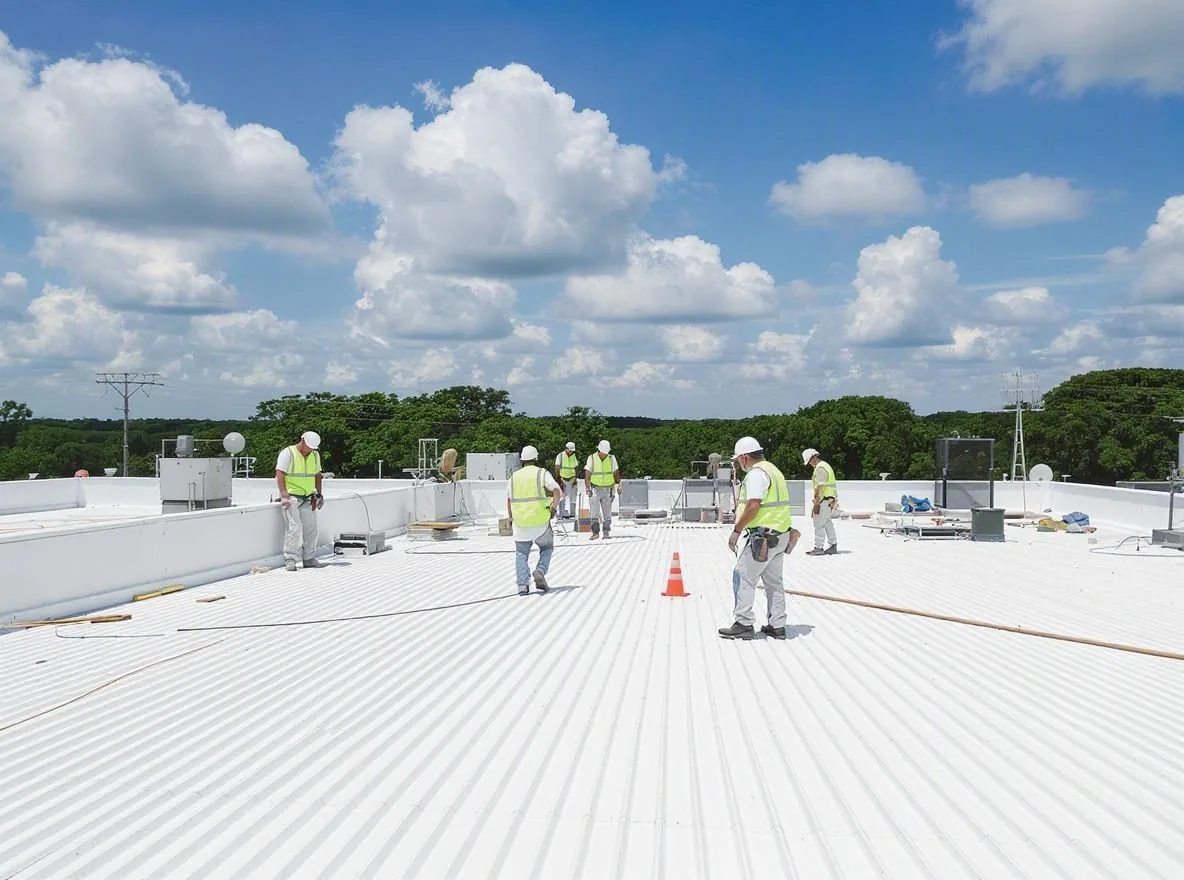
For buildings with tenants, we schedule around operations. A retail suite on the Reserve Street corridor might want work done before opening hours, while a medical office wants the noisy fastening done on a quiet afternoon. Access to the roof, whether by interior ladder, exterior lift or hatch, is settled in advance, along with the parking spot for the lift.
Roofs at the airport, such as hangar buildings west of the terminal, add their own constraints. Airfield operations and site access decide when the work can happen, and we coordinate with the building owner before staging anything.
Recording What Was Fixed and Why
Each repair gets a written record: the location on the roof plan, the condition found, the material used and a photo before and after. Over time, those records show which areas fail repeatedly and which repairs hold. A pattern of repeated failures near a drain, for example, points to a drainage problem, not a bad patch.
The records also support warranty claims and insurance. If hail or wind returns, as happened after the 2016 hailstorm over central and south Missoula, a dated record of the roof's condition before the storm separates new damage from old. Owners who keep records can show an adjuster what changed.
Where the records show the roof is aging out, we say so, and we point toward preventive maintenance or planning for replacement. A repair is a fix for a specific failure, not a stand-in for a program.
Drawing the Line Between Patch and Fix
Not every repair is equal, and we mark each item as either a patch or a fix. A patch stops water now and may need to be redone. A fix removes the cause and should hold until the roof reaches the end of its life. We give you both choices with a price for each, so you can choose by budget and by the roof's remaining years.
That scoping matters for owners across the valley. A building in Wye, one in Lolo and one in Frenchtown may each have a different roof age and a different tolerance for risk. The repair plan fits the building in front of us.
If a repair reveals deeper trouble, such as saturated insulation or a damaged deck, we stop and show you the finding before we continue. You decide whether to expand the scope.
Drains deserve a look on every visit. A clogged sump or a cracked clamping ring sends water across the membrane and into the nearest seam, and a quick clearing and reseating often prevents the next call. We note the condition of each drain on the repair record, along with any ponding we see after rain or snowmelt. The weather window and the crew's route to the roof are on the repair sheet along with the punch list.
Related Roofing Pages
Give Us the Leak Locations and the Access Details
Send the roof plan, the places where water shows up and any hours when the roof cannot be reached. We will lay out the repair sequence, the staging and the patch-or-fix choices for each item.
Call 555-555-5555 or email [email protected].
Questions About Commercial Roof Repair
How can I tell a repair from a replacement situation?
The extent of saturated insulation separates them. Isolated failures at flashing and seams with dry insulation beneath are repair work. Saturated insulation across several drainage zones, a soft deck or membrane that has lost its flexibility points toward replacement. A survey settles it quickly.
Why do repairs fail after one winter?
Usually because the repair did not allow for movement. A sealant bead or surface patch over a lifting edge cannot follow a roof that expands in summer heat and contracts in a winter with weeks that never climb above freezing. A mechanically secured, welded or adhered repair moves with the roof.
Can you repair a roof while snow is on it?
We can place temporary protection in the cold, and we do when water is entering. Permanent repairs need clean, dry surfaces and workable temperatures, so we schedule them for the next warm window and record the temporary work for follow-up.
Which repairs are worth doing on an older roof?
Those that stop water and extend life at a cost below the roof's remaining value. If the membrane is near the end and the insulation is wet, spending on patches may only delay a replacement. We price both paths so the comparison is clear.
What do you need from me before a repair visit?
Access instructions, the location and timing of any leak, past repair records and any tenant restrictions. With those, the crew arrives with the right materials and a plan for the lift and drop zone.