
Commercial Roofing on Brooks Street and in Southgate Midtown, Missoula, MT
Brooks Street and Southgate Midtown
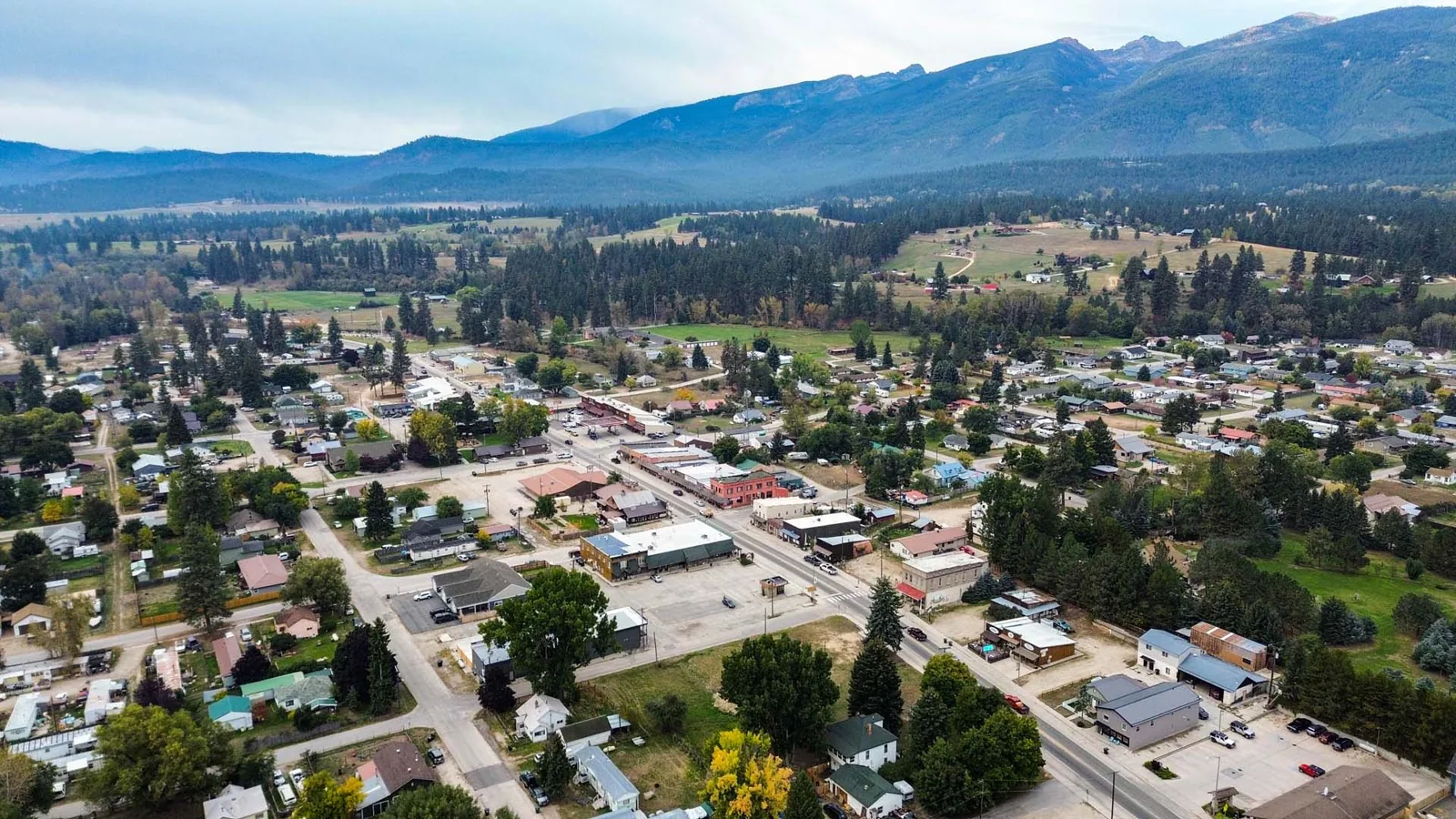
A district that is being rebuilt around its roofs loses roofs to the order of construction before it loses them to weather. A membrane finished in spring can be struck by a crane, a trench or a new wall by fall if nobody mapped the sequence. The Brooks Street and Southgate Midtown area of Missoula, MT is that kind of district. Southgate Mall Associates announced a $70 million renovation and expansion of the mall in 2016, with an AMC dine-in theater and a Lucky's Market among the additions, and Mary Avenue is the first phase of a new street grid joining Brooks Street and Reserve Street with future side streets for housing and retail.
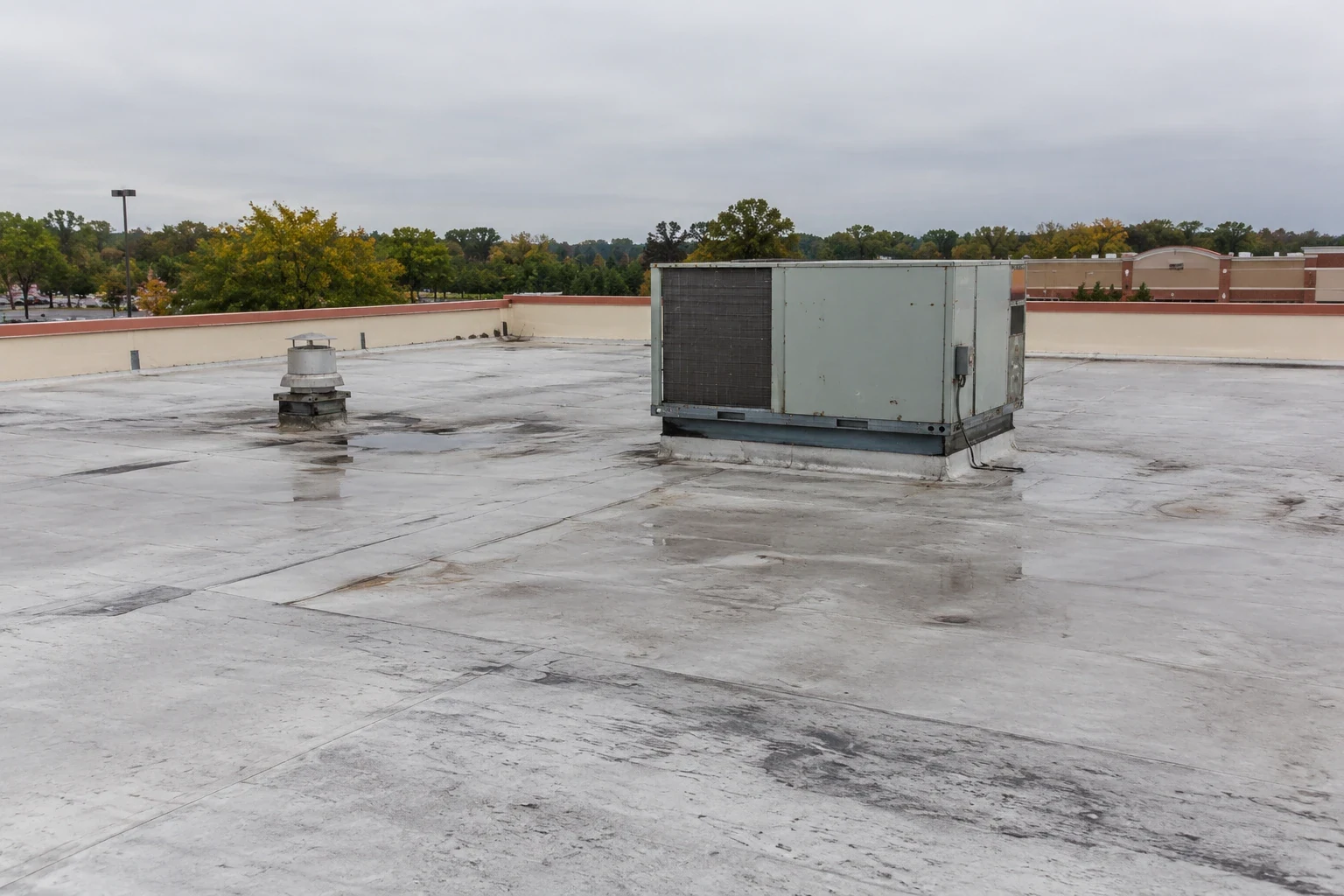
We repair, replace, recover and maintain commercial roofs across this area. Each job begins with a roof plan, a drain map and a phasing sheet tied to the owner's construction calendar, so the roof work and the building work stop colliding.
Map the neighbors before the membrane
The Brooks Street corridor vision calls for greater building densities, more housing, a future parking garage and a Mountain Line transfer center. Each of those means a new wall, new utilities or a new load beside an existing roof. A low roof that stood alone for years can become a wall-to-roof joint, a drainage destination or a drift trap once a taller building rises next to it.
Before a bid goes out, we list every place where a planned building will touch an existing roof, and we mark who builds each flashing and when. The general contractor and the owner read the same list. A tie-in that is left to the last week of a wall's construction is the one that leaks first.
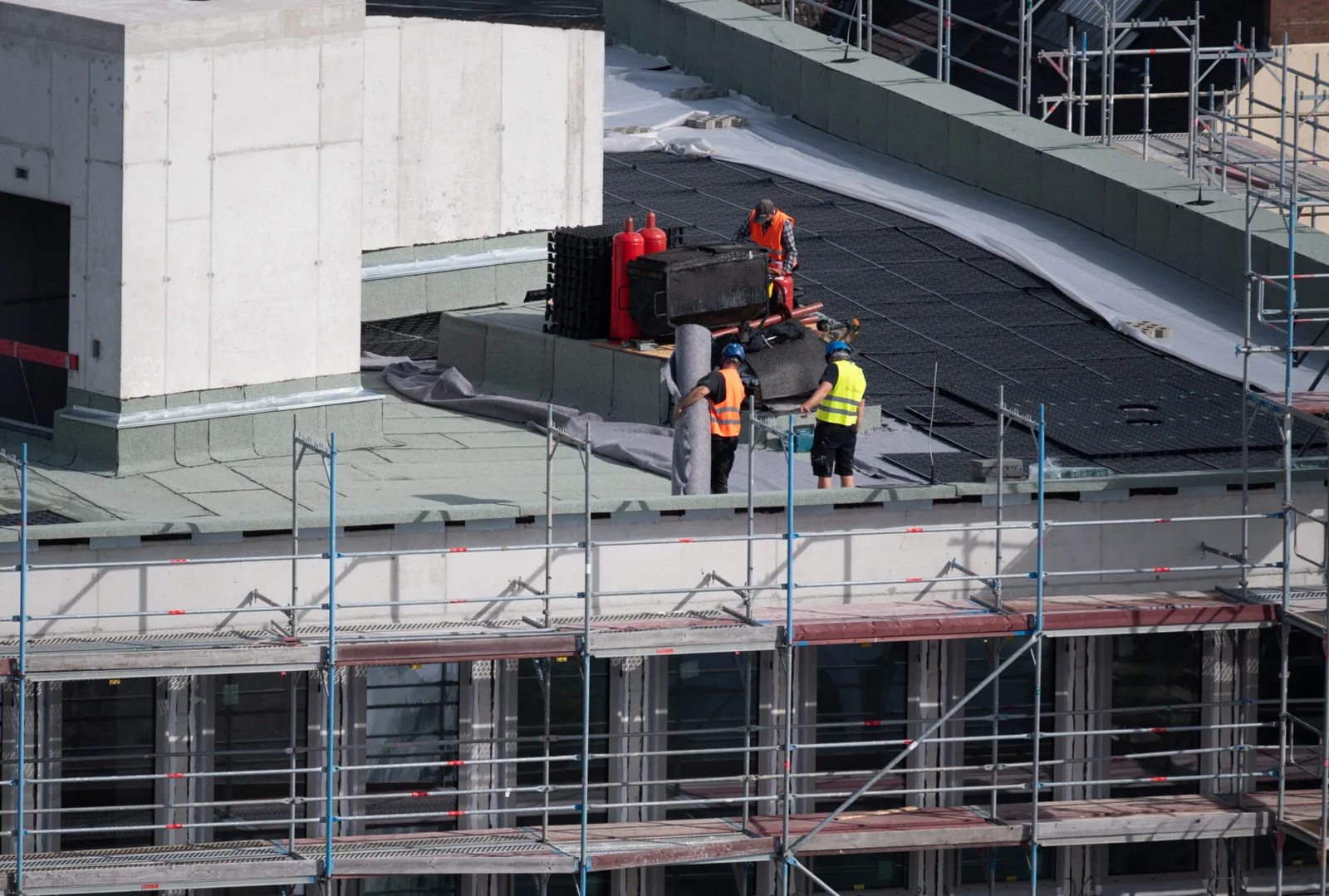
One more step belongs in the sequence: protecting the finished roof from the trades that follow it. Mechanical crews, sign installers and window cleaners all walk on new sheet. Walkway pads go down on their paths, and dated photographs before and after each trade show when a scuff or a cut happened.
Staging needs the same foresight. A laydown yard that is free in March may be a building pad in June, and a crane lane that is open today may be a trench next month. We confirm the yard, the lane and the delivery route the week before each pick, and the plan carries a second location for each so the lift can move without losing a day.
Keep tenants open while the roof changes
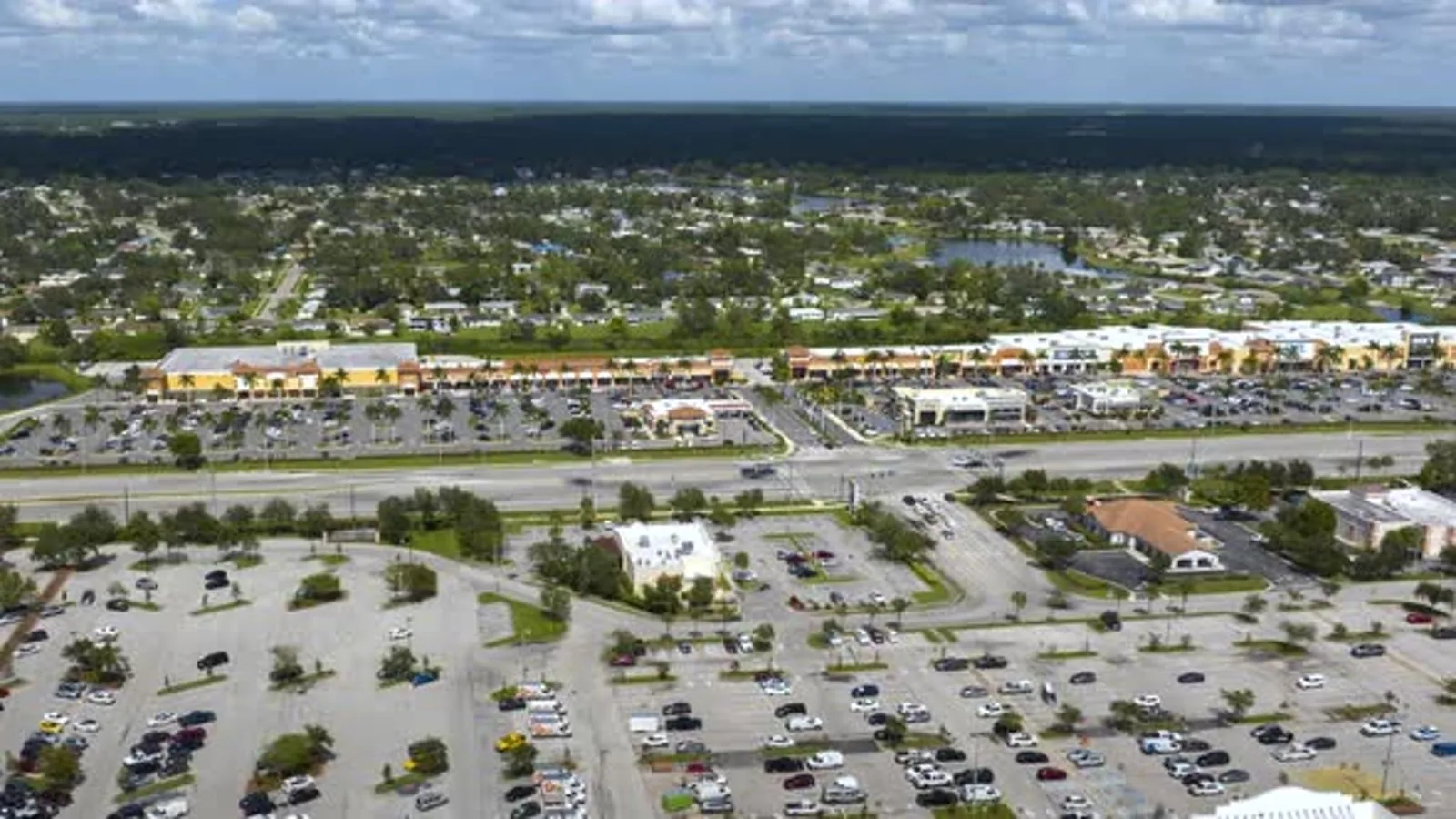
A shopping district roof sits over tenants with different hours, deliveries and fixtures. A theater needs quiet during showings. A grocery needs clear docks and an unbroken cold chain. A restaurant needs its exhaust path left alone. Where the roof allows it, we divide the work into bays that follow tenant boundaries, so noise or a shutdown in one bay does not reach a neighbor.
The plan for occupied building reroofing names noise windows for each tenant, dust control at air intakes and a contact for each space. On a shopping center roof those notes carry as much weight as the membrane specification, because a tenant complaint can stop a crew faster than rain.
Read the roof when a space changes use
Retail space in a redeveloping district changes hands and changes purpose. A grocery moving into space built for another kind of store brings condensers, exhaust and new penetrations, and the roof over it was designed for something else. A grocery store roof carries heavy equipment, so the load path has to be confirmed before the first unit is set.
The assembly is read on site and never assumed from the building's past use. We probe seams, scan for moisture and cut cores where the scan points. If the roof is sound, a recover over the existing roof may save the tear-off. If it is not, replacement happens before the new equipment lands, not after.
Account for shade, drifts and thaw
The design ground snow load is 40 psf, and the thaw cycle repeats through the winter. New construction changes where that snow goes. Drifts form against new walls and load the older roof beside them, and a taller building throws shade that slows melt on the roof it shadows. A sheet that spends longer under ice ages differently at its seams and flashings, so the choice of flashing detail changes with the shade.
Drains deserve a second look too. A sump that served an open roof may now sit in a shaded valley that stays frozen. We check each sump, add heat cable only where a real freeze problem exists and confirm that overflow routes still reach open air after the new walls go up.
Size the drains for the new street grid
In 2016 a cloudburst with quarter-size hail overwhelmed storm drains across central and south Missoula. New paving, new roofs and new streets will all feed the same storm system in this district, and a roof drain cannot assume the pipe below will take the flow.
So the plan includes overflow scuppers, clear sumps and a test of how long water stands after rain. A seam failure found early costs a fraction of a ceiling later. Hail marks get a photograph, a position on the plan and, if deep, a core, and the record stays with the owner for any claim that follows a storm.
Heat adds its own entry to the file. Late-summer days swing by more than 30 F, so we weld and seal in the hours when sheet and substrate sit close in temperature, and we probe each seam after it cools.
Pick the insulation and the sheet together
Montana's energy code is the 2021 IECC with state amendments, in force since June 10, 2022, and a replacement is checked against its insulation requirements. A firm insulation and cover board layer also resists hail and foot traffic better than soft board alone, which matters where trades will keep walking the roof.
Near a restaurant or theater kitchen, a grease-resistant sheet such as PVC is a candidate beside the exhaust, while the rest of the field may take a different sheet. Cost, expected service and the repair path go side by side so the owner can compare them.
Close each phase with a signed punch list
Redevelopment runs in phases, and each phase of roof work gets its own close-out. The finished bay is walked with the owner, every open item is listed with a date and the details are photographed. When the next phase begins, the record shows what the earlier phase left behind.
The same ledger can hold roofs on North Reserve Street and in downtown Missoula, with repair and replacement years set beside each other.
Related Roofing Pages
Send the roof plan and construction schedule
Send the roof plan, the tenant hours and the construction schedule for your Brooks Street or Southgate Midtown property, and we will map the phasing and tie-ins before any material is ordered.
Call 555-555-5555 or email [email protected].
Questions About Brooks Street and Southgate Midtown
What decides whether a retail roof is recovered or torn off?
The insulation and the layer count. Dry insulation and a deck that can carry the load allow a recover. Water across a broad area makes tear-off the cleaner choice.
How do you handle tie-ins with new construction?
Each tie-in is marked on the plan, with an agreement on who builds the wall flashing and when. The roof detail is finished before the wall is closed in.
Can a roof be repaired while a theater is open?
Yes, with noise windows set around showings. Heavy work moves to hours when the theater is closed, and the plan names those hours.
What if a new building shades an older roof?
Melt slows and ice stays on the sheet longer. Drains and seams are checked after the first winter, and maintenance visits are adjusted.
Who approves the staging area on a shared lot?
The owner and any ground-lease tenants. One sheet shows the laydown yard, fire lanes and truck routes for sign-off.