
Commercial Roofing in Russell Street and West Broadway Corridor, Missoula, MT
Russell Street and West Broadway Corridor
Roof work along a corridor that is about to be rebuilt has to be sequenced against the road, and the road sets the order. Montana DOT and the city are designing a rebuild of Russell Street between Dakota Street and Mount Avenue and of West Broadway between Mullan Road and Toole Avenue, with construction tentatively set for spring 2029. Commercial roofs along that corridor in Missoula, MT will be reroofed, repaired or left alone against that calendar. We map the roof phases, the crane pick and the delivery routes around the lane changes, so a tenant keeps access while the street and the roof are both under work.
Schedule Roofs Against the Reconstruction
Roofs that need replacement before the road work starts have a choice: finish early, while delivery routes are open, or wait and live with narrowed access. A crane pick needs a street frontage wide enough for the truck and a clear swing path, and a corridor under construction may have neither.
The design work includes median and turn-lane changes, bike lanes, sidewalks and roadside boulevards. Each changes where a truck can stop. We ask the property manager for the construction phasing as it becomes available, and we place the roof work in a window that leaves the front of the building usable. The sequence is mapped before material is ordered.
Access for the crew matters as much as access for trucks. A roof hatch inside a tenant space, a ladder on an alley wall and a hoist on the street side each need clearance from the road work. If a sidewalk is closed, the crew uses the back of the building and the material hoist moves to the side. The plan shows both versions, so the schedule survives a change in the street layout.
Plan Around Redevelopment and New Owners
A planned headquarters and store for an outfitter in Urban Renewal District II is part of a vision for multi-story housing, commercial and retail along Russell Street. New construction changes neighbors, parking and loading, and an existing roof beside a new building takes new drift patterns, runoff and shade.
A building changing hands also needs a roof file. A due diligence roof survey before a purchase records the membrane, the insulation and the remaining life, and gives the buyer a number for the reserve. We run it before closing, with photographs and cores where the survey flags them.
Owners who plan to redevelop have a different question: does it pay to put money into a roof that will come off in a few years? The survey answers with numbers. If the insulation is dry and the membrane is sound, a repair buys years of service at a low price. If the building is slated for demolition, temporary protection is the only spending the roof deserves.
Walk the Roof Before the Freeze
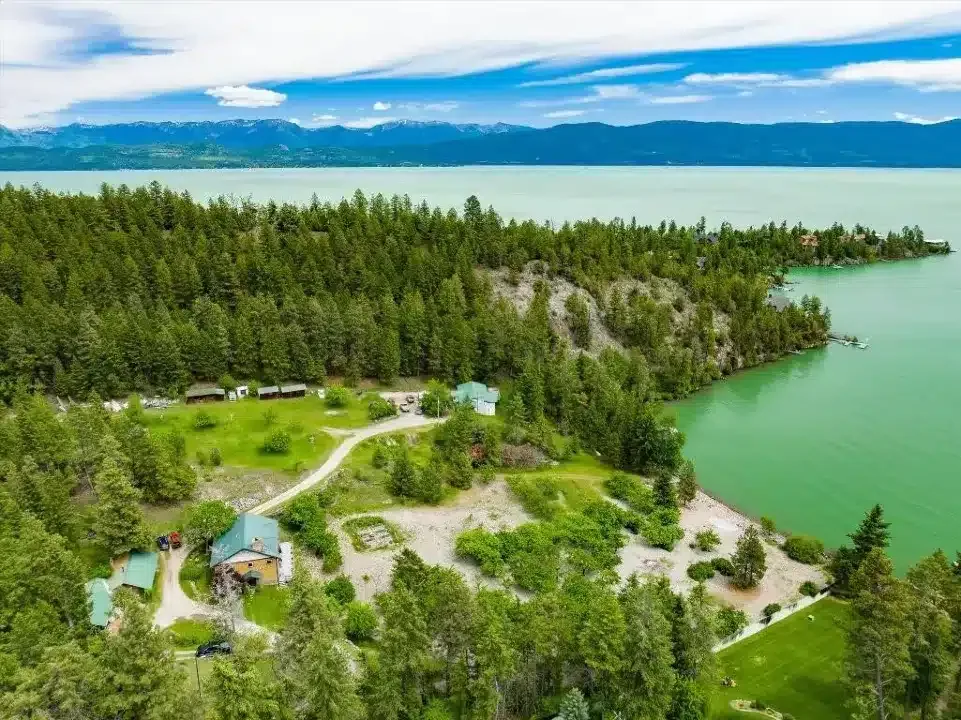
On a first walk we check drains and sumps, edge metal, flashings at curbs and walls, seams and the surface for ponding. We photograph each finding and mark it on the plan. The walk is set before the first freeze, because roughly 45 days a year never get above freezing and snow stays on the ground about four months.
Findings go on a punch list with a price and a date. The list runs open seams and failed flashings first, drains next and surface items last. The owner funds what is urgent now, and the rest carries forward.
Penetrations get their own count. Every rooftop unit, vent stack and skylight is a way in for water, and years of tenant work can leave abandoned pipes and boots. A penetration flashing survey numbers every detail, and the repair list follows the numbers.
Manage Snow, Thaw and Hail on Flat Roofs
Snow design is 40 psf on the ground, against about 39.5 inches in a typical winter. A flat roof near a street collects drifts behind parapets and units, and blowing grit from construction adds to clogging. Drains packed with grit fail first when the thaw arrives.
A cloudburst with quarter-size hail swamped storm drains across central and south Missoula in 2016. A roof on a busy street needs outlets that can pass a sudden burst, and we size and flow-test the drains and scuppers accordingly.
Heat and thaw wear the membrane too: 107 F on June 30, 2021 and summer swings past 30 F mean seams and flashings move many times a year. We probe the laps and press the sealant on each visit, and a soft seam goes on the list with a photograph.
Protect Tenants During Roof and Road Work
Two construction projects on one block try tenants' patience. We keep our part quiet and short: staging inside the lot, deliveries outside peak hours, loud work at the hours the tenant picks and the roof dried in every day. Notices go out in writing with dates.
The method is the same as for any occupied reroof. Entrances stay open, dust stays off the sidewalk and the crew coordinates with the road contractor where the two overlap. A shared loading area is mapped, so the road crew and the roofing crew do not block each other.
Tenants that depend on foot traffic, such as a shop or a restaurant, get the quietest approach: material goes up before opening, the sidewalk stays clear and the crane pick is done at a time the tenant names. If a street closure cuts a delivery route, the roofing crew holds material off site and brings it in during the open window.
Keep the Roof File for the Next Decade
A corridor changes over years, and the file on each roof has to outlast the changes. We leave the owner a dated photo set, a drain tally, a repair list and a maintenance calendar, kept with the warranty paperwork. When the road is rebuilt and the street layout changes, the file shows what the roof looked like before.
Nearby, Downtown Missoula and the Northside have older buildings that follow the same routine, with historic review where it applies. A maintenance program keeps all of them on one calendar. Photographs of each frontage before and after the street work let the owner show what the roof and the sidewalk looked like at each stage.
Related Roofing Pages
Send the Roof Plan and the Construction Dates
Send the roof plan, the age of the membrane and any construction notices you have received, and we will map the roof phases against the street work. The first sheet names the weeks the crane pick is possible.
Call 555-555-5555 or email [email protected].
Questions About Russell Street and West Broadway Corridor
Should I reroof before the road is rebuilt?
If the roof is near the end of its life, finishing before construction keeps street access open for the crane and trucks. A roof with years left can wait, and the survey tells which case you have.
Will road work affect a roof schedule?
Yes. Lane changes, closures and staging limit where trucks can stop, and the schedule shifts if the road contractor changes its phasing. We ask for the construction phasing and set crane picks and deliveries in the windows that stay open.
What does a due diligence roof survey cost?
Price scales with roof size and the number of cores. The survey costs little against a reserve miscalculation, and it gives the buyer a dated record to negotiate with.
How do I protect a roof from construction dust?
Clean drains before and after construction, cover intakes during dusty periods and check the roof after heavy work nearby. Grit in a sump is the usual cause of a backup.
Can a small repair wait until the corridor project ends?
Active leaks should not wait. Water damage grows through each thaw, and a patch now costs far less than a ceiling and insulation replaced later. A leak that stains a ceiling this autumn can saturate insulation by spring.