
Roofing for School Districts in Missoula, MT
School Districts
For a Missoula, MT school district, the roof calendar starts in the fall before the work and not in the spring. A replacement that is bid in April needs materials ordered in March, a crane booked for June and a dry-in sequence that fits inside a break shorter than the snow-free season. If the order slips by a month, the building enters the next winter with half a new roof. The district side of Missoula includes Missoula County Public Schools, which employs about 1,450, and Florence-Carlton School District, south of the city, which enrolled 813 students in 2021-2022. In Missoula itself, roofs hold snow for about 120 days a year.
We map the phases, the staging area and the access for buses, deliveries and custodial staff before any material is ordered.
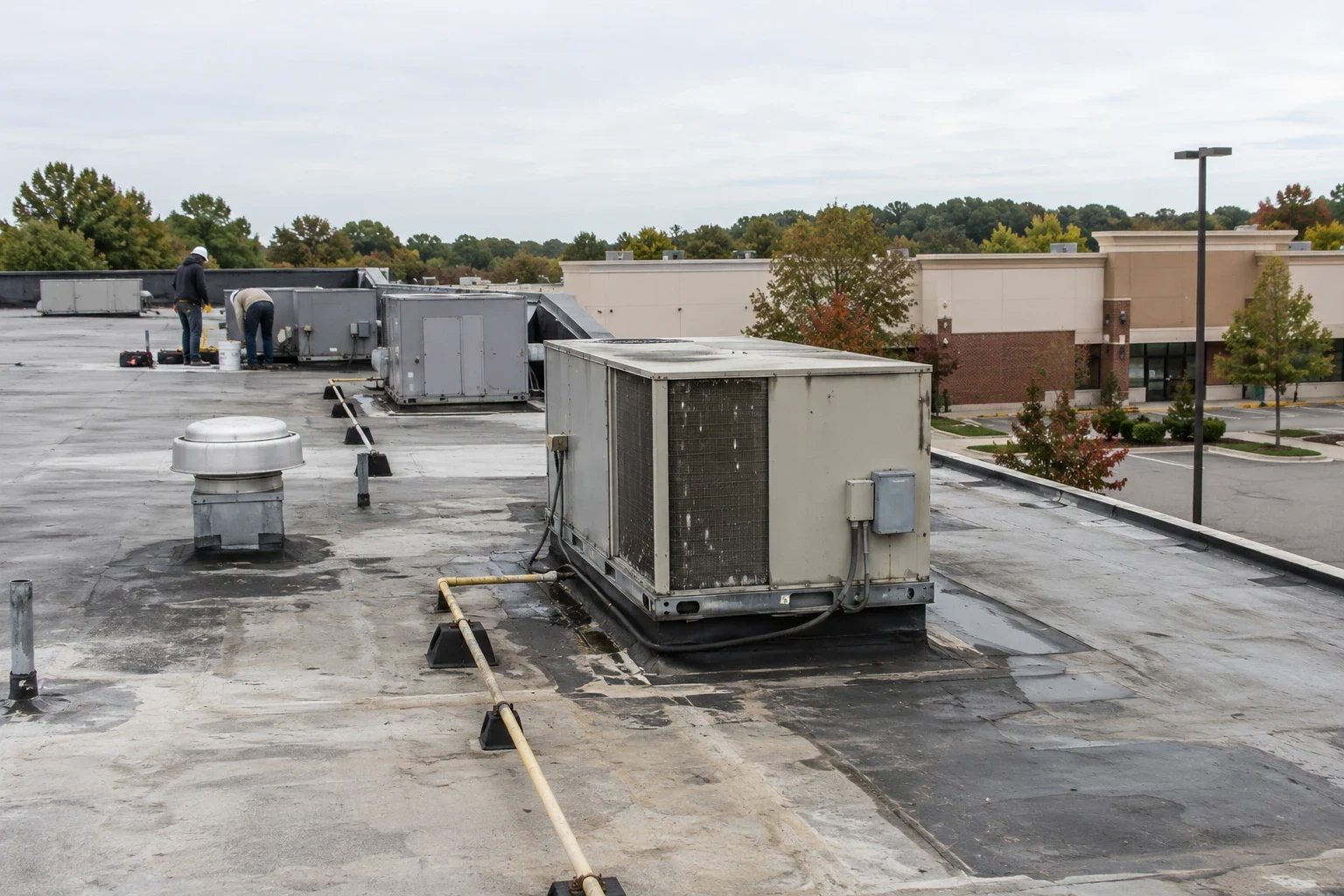
Rank campus roofs by what fails first
A district has many roofs of different ages. We rank them by failure order. A roof with a blocked drain sump and open seams over a gym ranks above a roof with a worn surface over a storage building. Consequence adds weight: a leak over a library, a kitchen or a server room costs more than one over a shed.
The ranking goes on one sheet with a photo, a location and a price for each item. A board can read it and decide. Our roof capital planning turns the sheet into a multi-year schedule that fits a bond or a capital fund, so the district does not face several failures in one winter.
The first pass includes a core cut at representative spots, because a school roof that looks sound can hold saturated layers below the membrane.
Find the failures that repeat across campuses
School roofs share a short list of failures. Drain sumps packed with leaves and grit before the first freeze. Curb seals gone dry on rooftop units. Flashing pulled from parapet walls where the thaw cycle works it every spring. Walk routes worn through the surface where custodians and HVAC technicians cross. Old patches that no longer hold.
Kitchens add grease around exhaust fans, which softens some membranes and holds dirt. Gyms add long runs with few edges and a lot of water to move. Portables add small roofs with little slope. We log each finding by building and by location, and the log shows the district which problems repeat. A district that sees the same drain failure on six campuses can fix it with one standard detail.

Protect gyms and long spans from drifts
Gyms, cafeterias and auditoriums have the longest spans and the largest roofs. The design ground snow load is 40 psf, and drifts pile against taller walls and mechanical rooms, loading those strips beyond what the open field carries. Drift lines are mapped before the first freeze, with sag, ponding lines and cracked fasteners logged along them.
Where we see distress, we recommend a structural review before any recover or equipment lift. A school cannot guess about a gym roof.
Thaw cycles matter at drains. A blocked sump refreezes its own meltwater through the roughly 45 all-day freezes of a year, so sumps are cleared in fall and checked again after the thaw. Snow slides over entrances and play areas are a safety item. We note each slope that can shed onto a walk and recommend snow guards where it can.
Fit the reroof inside the break
The break is short. A district-wide program works when it is split into packages. Each package fits inside the break, with its own dry-in date, its own delivery and its own named supervisor. A few large roofs or many small ones, never so many that one delay breaks the rest.
The crane pick and material hoist go where buses and delivery trucks do not cross. Debris chutes stay away from entries. A fenced laydown yard keeps students out of the work area if summer programs are running.
If a replacement slips past the first day of school, noisy work has a hard stop well before the bell. A recover over a sound old roof can save a week of tear-off, but only when the layers below are dry, which a core cut shows. Larger jobs go to replacement, with insulation brought to the level the Montana energy code in effect since June 10, 2022 requires.
Split the list into now, soon and later
Repair now: active leaks over classrooms, gyms and kitchens, open seams, drain sumps that will freeze, lifted edge metal. These let water onto floors and equipment.
Repair soon: worn pipe boots, dry sealant and walk routes that lack pads, all inexpensive to fix in a dry stretch.
Can wait: cosmetic wear on a membrane that is still sound, faint staining and blisters with no split yet. We list them with a note on when to look again.
The split gives a board something to approve. The first list goes in this year's budget, and the second goes in next year's. Hail is a third path. After a storm like the 2016 one over central and south Missoula, a hail walk follows and the photographs go in the file.
Sequence campus roofs with the calendar
University buildings run on a different calendar than a K-12 district. At the University of Montana, 64 buildings spread over 220 acres, nine of them residence halls, and fall 2024 enrollment reached 10,811, with a 26,500-seat stadium. Move-in week, finals and home games all affect crane placement. The same method applies on the campus and in the University District, with the added step of coordinating with housing. A hall or lab on a college campus gets that coordination.
Districts outside the city, such as the one serving Florence, deal with longer drives for crews and deliveries. We plan those trips so a crew is not stuck waiting for a missing roll of membrane.
Close each phase with a punch list
Each package closes with a walk, a punch list and photographs. Drains are tested, flashings checked and the surface cleaned. Facilities signs off. Before and after photos, material data and warranty papers go into one binder per building, which is what an audit asks for. A district that bids under public agency rules needs quantities that compare line by line, and a roof inside a larger renovation needs its schedule shared with the general contractor. Preventive maintenance visits each fall and spring keep the repair list short.
Related Roofing Pages
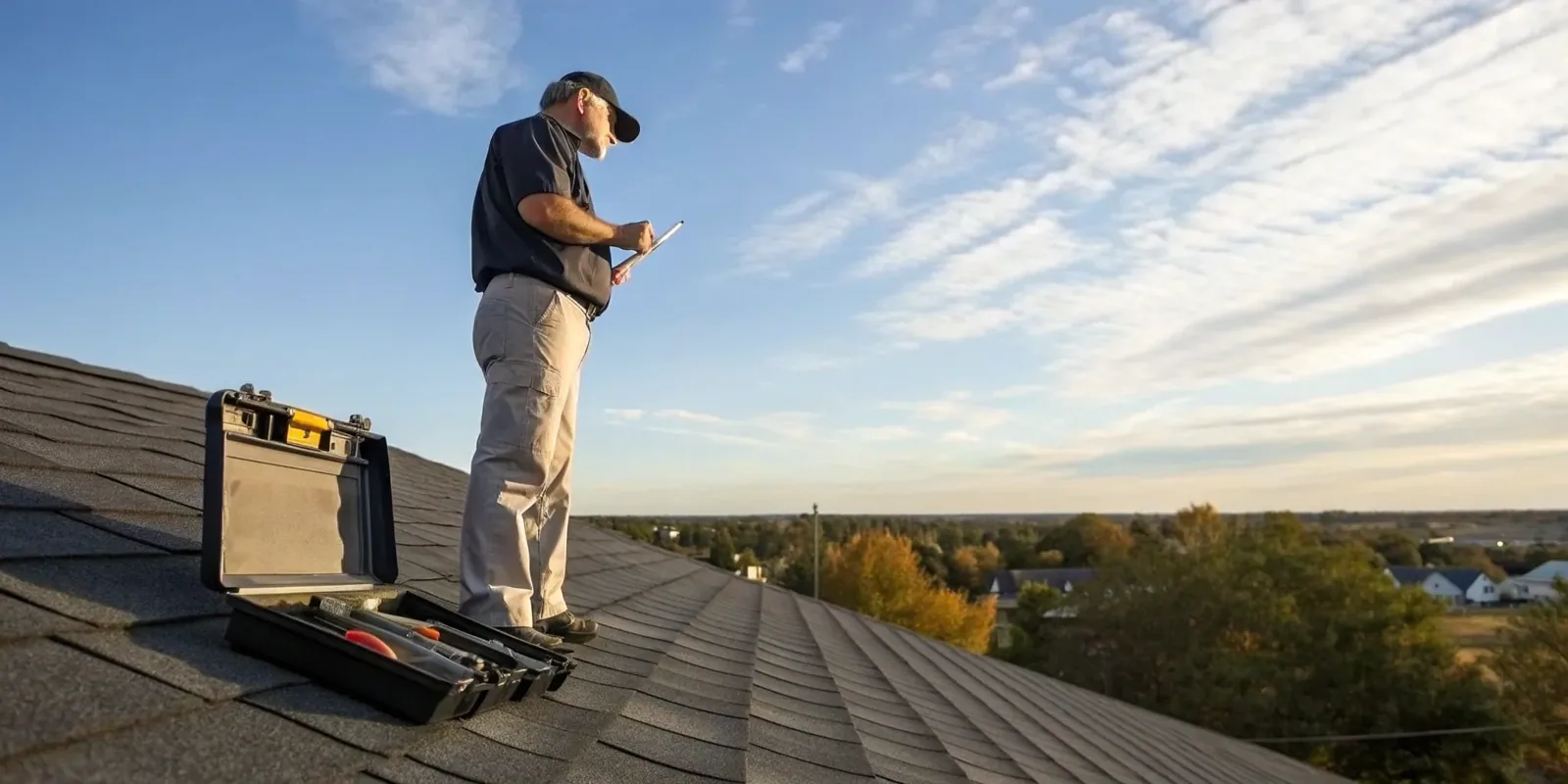
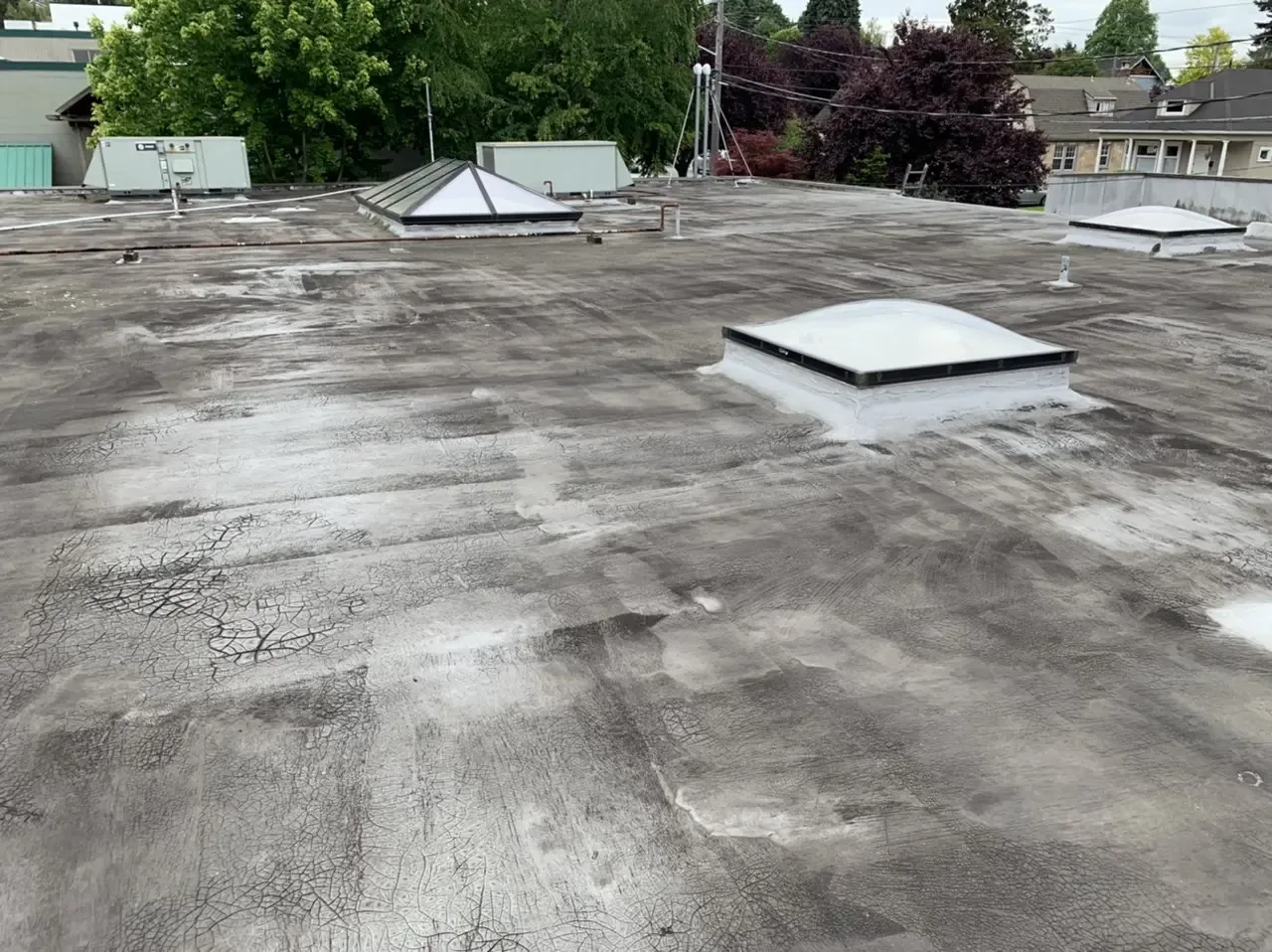
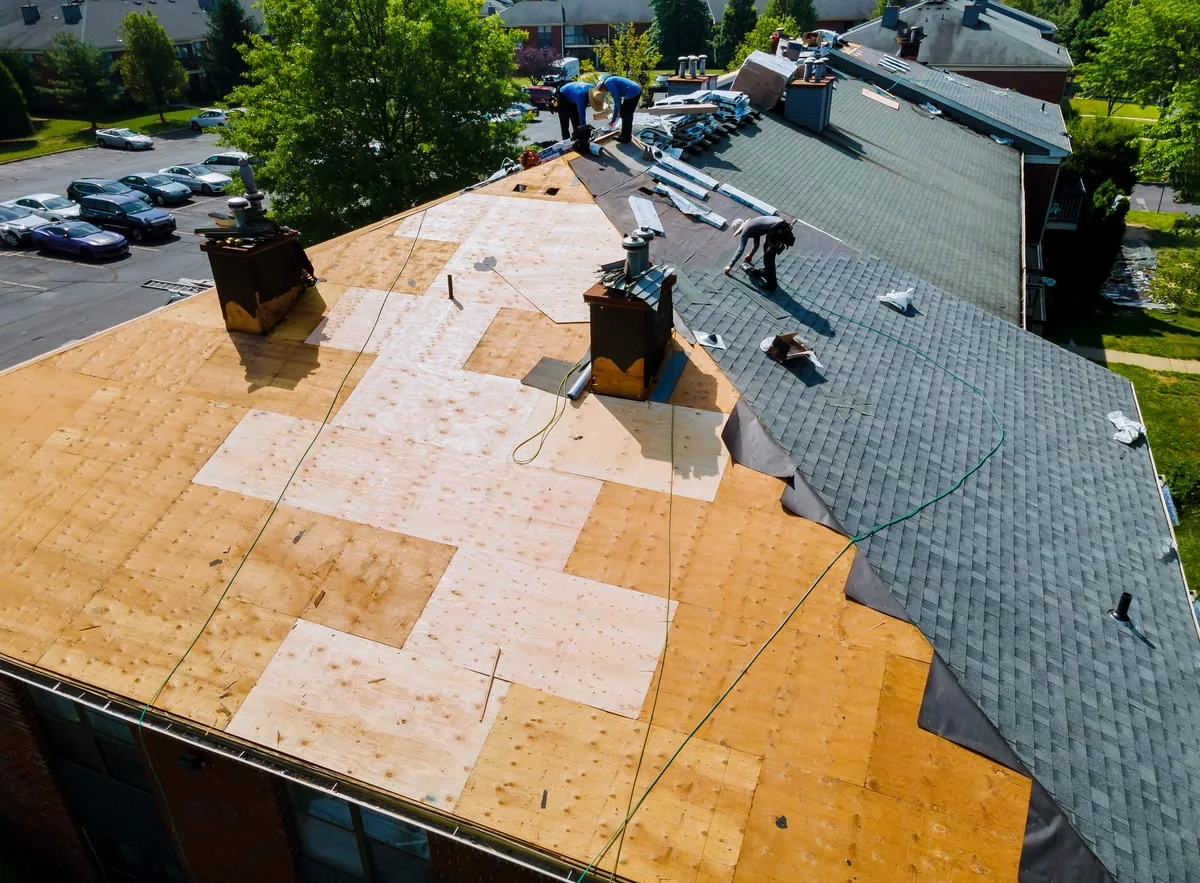

Send the building list and the break dates
Send the building list, the roof plans, the dates of the next break and the access constraints, and we will map the phasing and the staging area for each campus before any material is ordered.
Call 555-555-5555 or email [email protected].
Questions About School Districts
How early should a district plan a summer reroof?
Start in the fall before. Walk the roofs, finish the findings by winter and bid in spring. Materials can run long, and a scope that is ready early has the best chance of finishing inside the break.
Can roof work happen while students are on campus?
Yes, on buildings away from the work. We fence the area, keep noisy steps outside class hours and route material away from entries and play areas. The plan lists which buildings are in use and which hours are blocked.
What happens when a leak hits during the school year?
Call us. In most cases a crew places a temporary dry-in that day, covers the room and records the damage with photographs. The permanent repair is scheduled for a break.
Do portables need the same inspection as main buildings?
They need their own look. Portables have small roofs with a few penetrations and little slope. We check seams, flashing, drains and the joint where the roof meets the wall.
What records support a bond or grant audit?
Before and after photos, a roof plan, quantities, material data, warranty papers and completion notes, delivered as one binder per building.