
TPO Roofing in Missoula, MT
TPO Roofing
A TPO roof is only as good as its welds, and a weld made on a cold, damp morning is the one that opens in the first thaw cycle. That is the sequence problem on a Missoula, MT roof. The sheet cannot be welded until the deck is dry and warm enough, and the dry-in has to finish before the next front arrives. About 120 days a year the ground is covered with snow, so the season for new work is short. We lay the install out by weld day, not by calendar week, and we price the weather holds as a line the owner can see.
Know what the sheet is
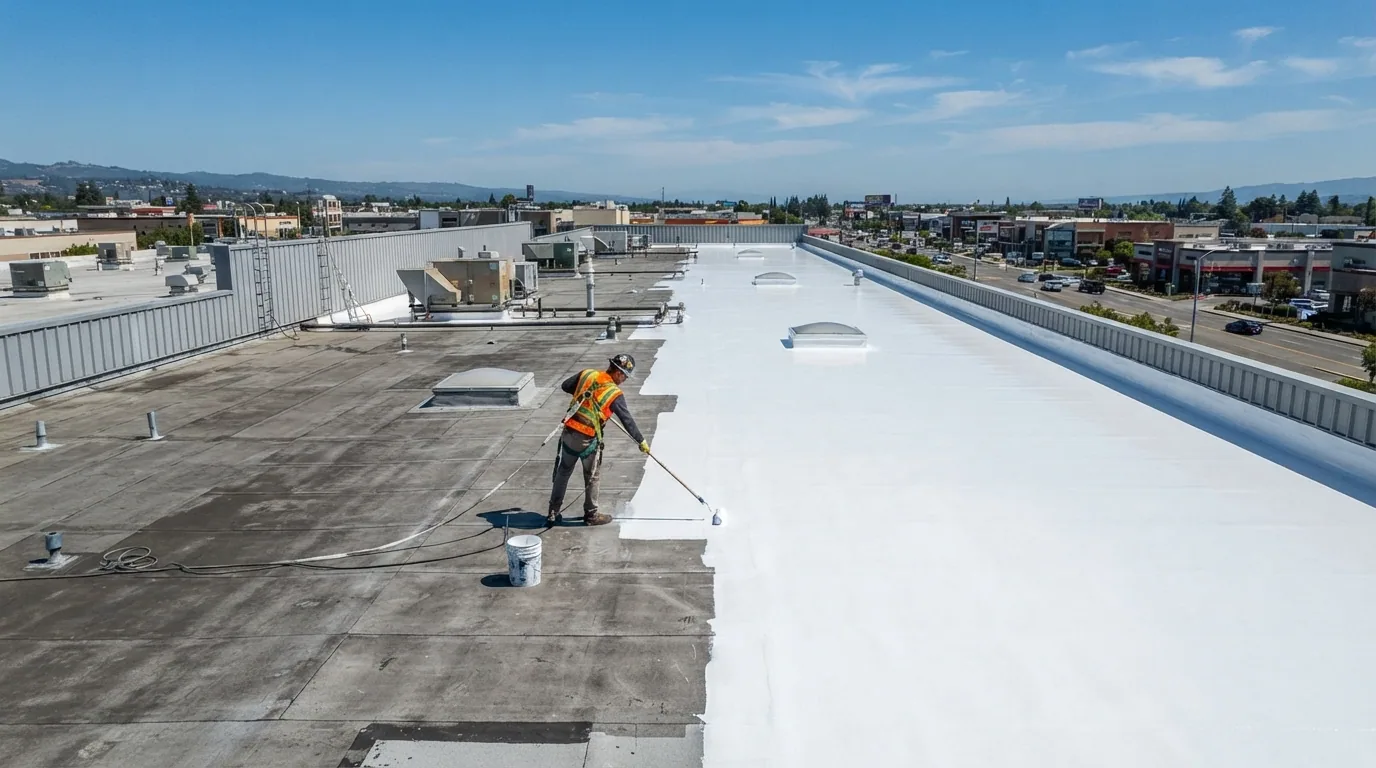
TPO is a thermoplastic single-ply membrane. It is made in wide rolls, usually white, and the seams are fused with hot air so two sheets become one. It is attached in one of three ways: mechanically fastened through the insulation to the deck, fully adhered with bonding adhesive, or ballasted with stone. Each method moves the schedule and the load path differently.
Mechanical attachment is faster and works through a wide temperature range. Full adhesion gives a smoother surface and spreads wind load across the field, but adhesive wants a dry, warm substrate. Ballast adds weight the structure must carry, which matters in a market with a 40 psf design ground snow load. We choose the method after the deck and the insulation are known, never before.
Trace what fails first
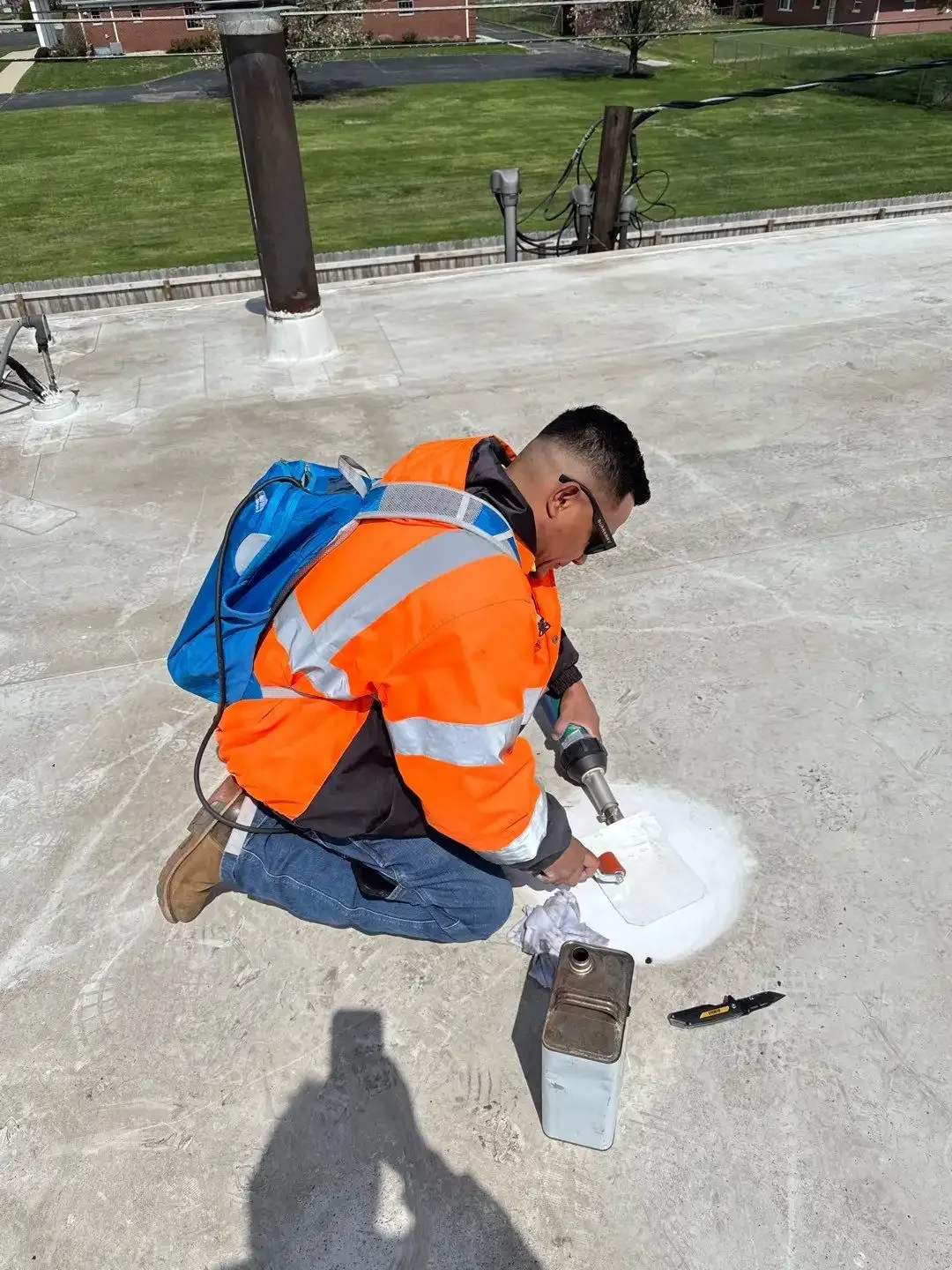
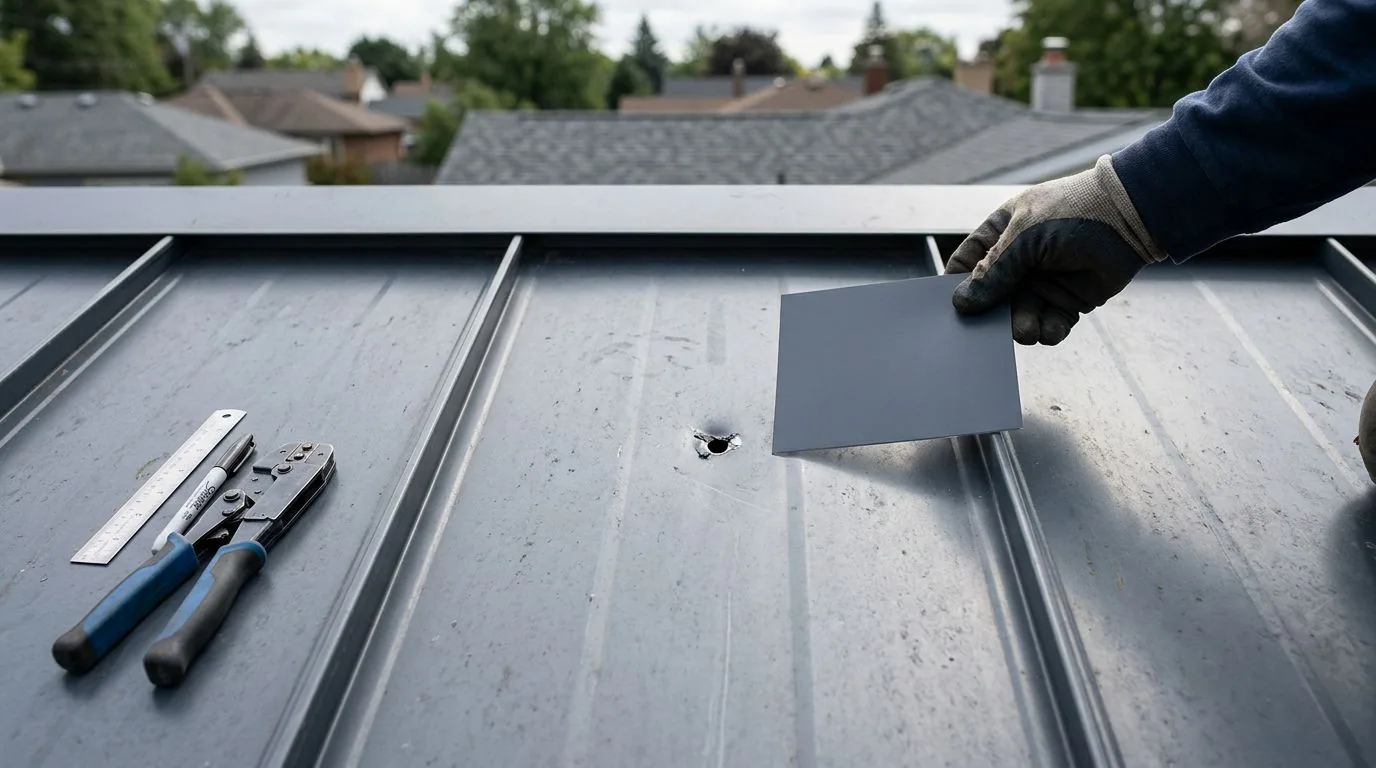
On TPO the first failures are at details, not in the field. Seams around penetrations, corners of curbs, terminations at walls and the edge of the sheet at the perimeter. Each is a place where welding is hardest and movement is greatest.
Missoula adds a thaw cycle. Late-summer days swing more than 30 F on average, and through the winter the sheet moves each time the temperature crosses freezing. A detail that was welded cold, or that was left with a small void, opens a little with each cycle. We probe every seam on a new install, and on an existing roof we record every open lap before we recommend a repair. The record tells the owner whether a fix is a patch or a pattern.
Flashing at walls is the next place to look. A termination bar that has pulled away from a wall lets water behind the sheet, and the next freeze widens the gap. We reseal terminations with compatible sealant only after the substrate is dry, and we record the repair next to the original detail photo.
Stage the rolls and the crane pick
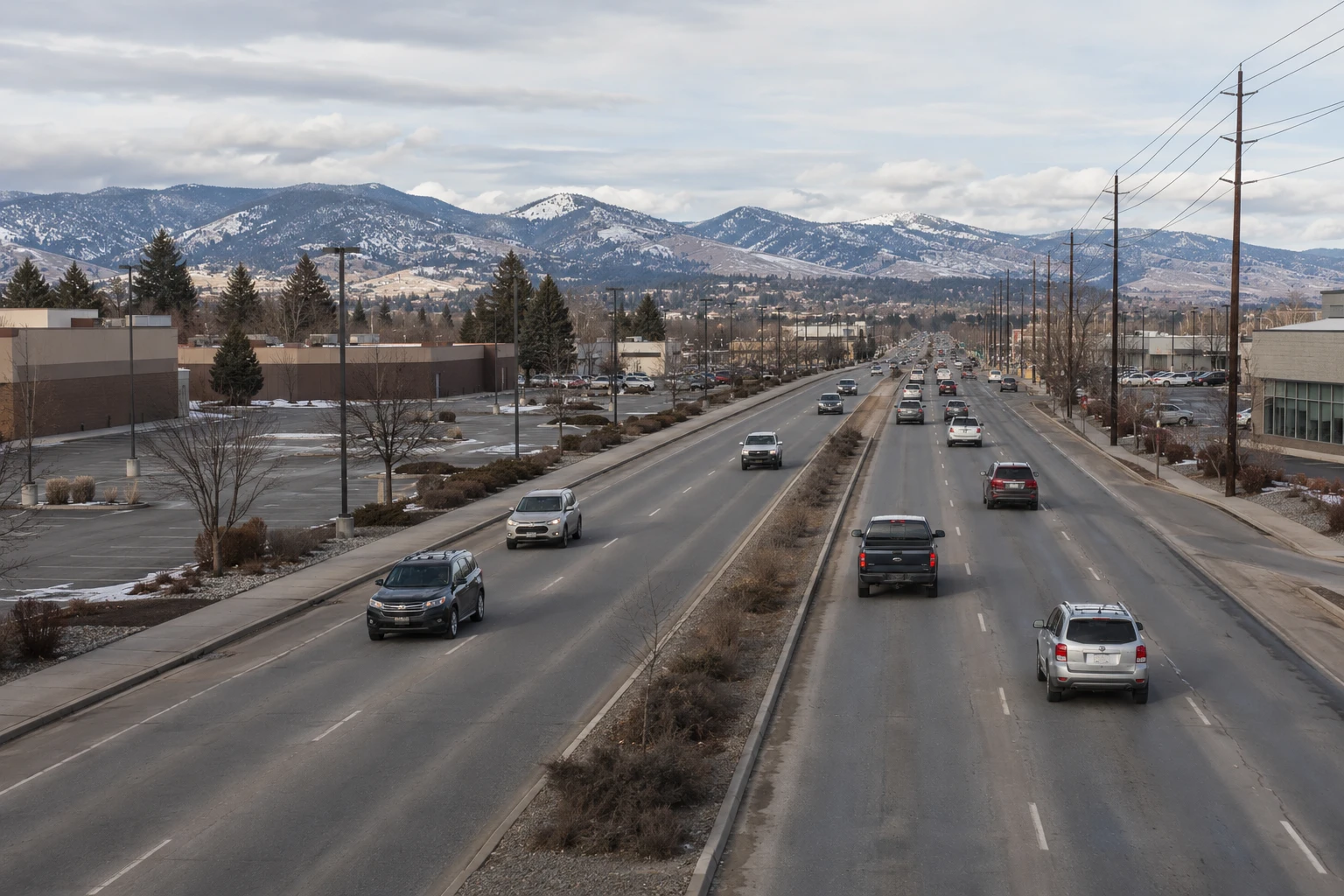
A TPO job needs a laydown yard for rolls, insulation and fasteners, and a crane pick or hoist to get them to the deck. The yard has to sit where it will not block a loading dock or a tenant door. A corridor like North Reserve Street, where more than 30,000 vehicles pass daily, makes delivery windows as important as the roof.
We map the staging area and the pick on the roof plan before material is ordered. Rolls are stored flat and dry, and only what can be installed that day goes up. A half-open roof is the real exposure, because a storm that arrives before the dry-in leaves insulation exposed. Each phase ends sealed to the old roof, so the building stays dry overnight.
Plan for snow load and thaw
Roof snow loads here start from a 40 psf ground load and follow ASCE 7-16. TPO adds little weight, which helps, but drifts pile behind parapets and rooftop units. Drift areas get more fasteners or a different attachment, and the drain sumps need a clear route for meltwater.
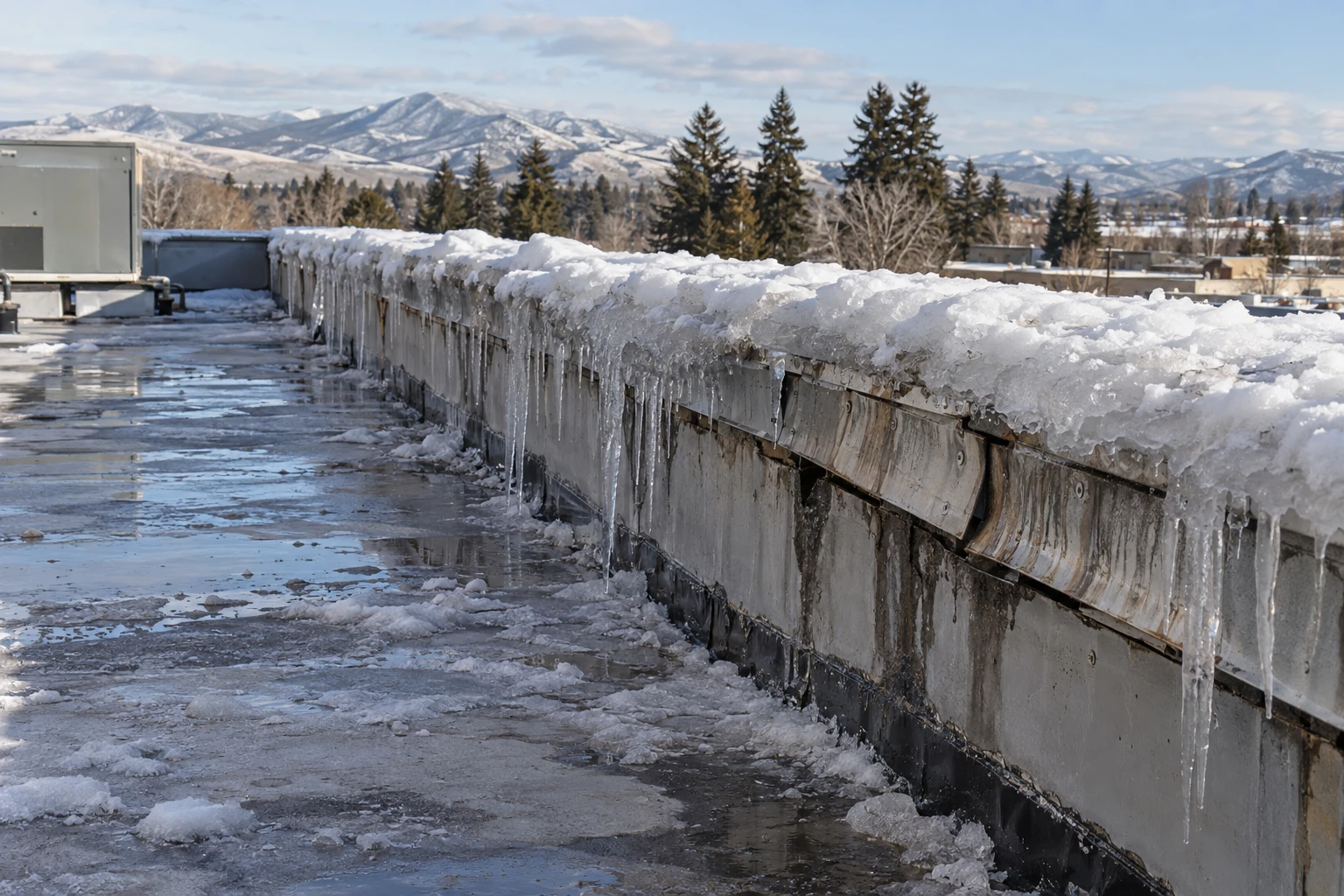
Meltwater is the failure to plan against. If a sump is blocked during a thaw, water backs up behind a fresh seam before it has cured. We clear and test every drain before the membrane closes, and we leave overflow paths open. Snow guards, where the roof needs them over doors and walkways, are placed before winter, not after the first slide. A skipped step shows up within a winter or two as snow and ice damage at the edge and the drains.
Fasten the perimeter to the wind rating
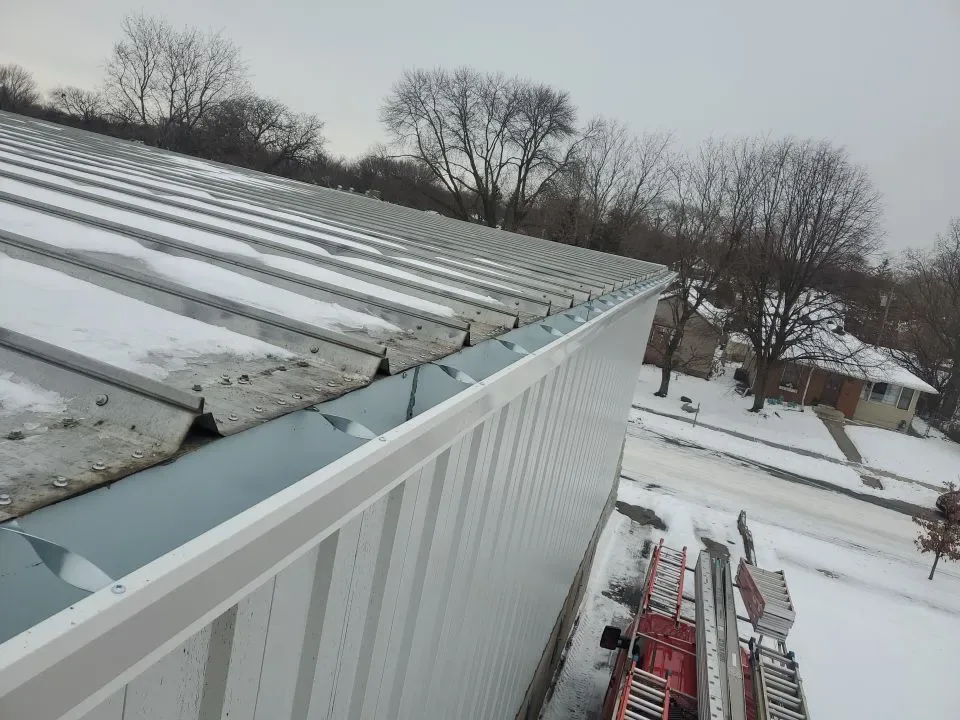
The wind design speed for a Risk Category II building here is 102 mph. Wind loads concentrate at corners and edges, so TPO attachment is denser there. Perimeter plates, edge metal and the termination bars all carry the load. A coping and edge metal detail that is not continuous lets the sheet peel from the edge.
We lay out the fastener pattern by zone and record it for the warranty file. When the roof is a recover, the pattern has to work with the existing deck and the insulation already there. If the deck will not hold fasteners, the answer changes to adhesive or a different system. That decision is made on the survey, not on the day the rolls arrive.
Protect tenant access
Occupied buildings keep working while the roof changes. Fastener noise is the first complaint, hot-air welding fumes are the second, and falling debris is the third. We schedule the loudest work for hours the tenants choose, keep intakes screened and cover entrances with protected walkways.
Retail sites and business buildings, such as those on North Reserve Street or near the airport area, carry customers and trucks. The plan names which doors stay open each day. We close out with a punch list that covers drains, edges, flashings and the seam probe, and the owner signs it before the crew demobilizes.
Decide between TPO and the alternatives
TPO competes with PVC, EPDM and modified bitumen. PVC tolerates grease and chemicals better. EPDM is flexible in cold. Modified bitumen is rugged under foot traffic. TPO costs less than PVC in most markets and offers a reflective surface. The owner decides by weighing exhaust exposure, foot traffic, budget and the energy code. The 2021 IECC with Montana amendments has governed energy design since June 10, 2022, so the insulation level in the assembly is part of the decision.
Building type steers the answer too. Big-box and hotel roofs along Reserve Street, with Costco, Lowe's and Walmart among the big names, favor a fast install over large open areas. The University of Montana campus, with 64 buildings on 220 acres, mixes low-slope roofs of different ages, so the survey comes first. Industrial roofs at the redeveloped Bonner mill site raise snow-load and drainage questions before the membrane choice is made.
Related Roofing Pages
Send the roof plan and the occupancy schedule
Send the roof plan, the occupancy schedule and the access constraints, and we will map the staging area, the crane pick and the dry-in phases before any material is ordered.
Call 555-555-5555 or email [email protected].
Questions About TPO Roofing
How cold is too cold to weld TPO in Missoula?
Hot-air welding can work in cold weather if the sheet and the substrate are dry and the crew adjusts temperature and speed. Frost, snow and moisture stop the job. We probe each seam and stop work when conditions cannot give a clean weld.
Does a white membrane make snow stick longer?
A reflective surface absorbs less heat, so snow can melt more slowly than on a dark sheet. That matters at drains and walkways. We plan drain routes and snow guard locations with that in mind.
Can a TPO roof go over the old roof?
Only when the old roof is dry, attached and within the layer limits the code allows. A moisture scan and a few core cuts answer that. If the old insulation is saturated, tear-off is the safer path.
What should the closeout package include?
Photos of every detail, the fastener layout, seam probe results, product data, the warranty documents and the signed punch list. Those items let the next manager see exactly what was installed.
Will rooftop equipment have to come off?
Units on curbs usually stay and are flashed around. Units that sit on bare supports may need lifting so the sheet can run under them. The crane plan lists each lift and its schedule.