
Built-Up Roofing in Missoula, MT
Built-Up Roofing
A built-up roof is laid in layers, and each layer has to be down and bonded before the next one goes on. That order is the whole system. Skip a ply, or lay one onto a damp surface, and the roof carries the flaw for its life. In Missoula, MT the weather window decides how many plies can go down in a day, because snow covers the ground about 120 days a year and a day of rain stops hot asphalt work. We plan a BUR job by ply count and by forecast, and the plan shows which day each layer closes.
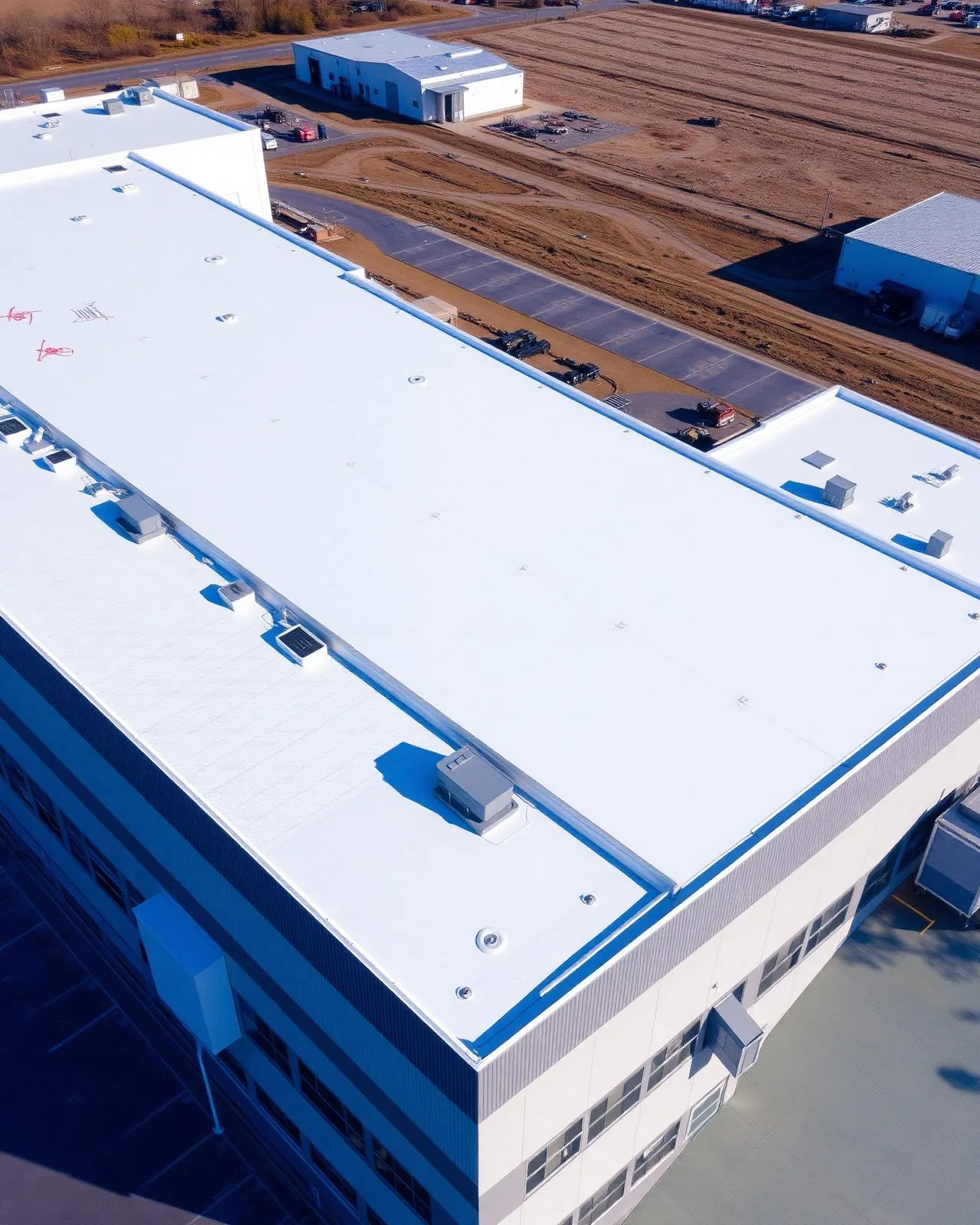
Count the plies
Built-up roofing, often called BUR, is a multi-ply assembly. Layers of reinforcing felt or fabric are set in hot asphalt or cold adhesive, and a surfacing is added on top. The surfacing may be gravel embedded in asphalt, a granule-coated cap sheet or a reflective coating. Insulation and a base sheet sit underneath.
More plies mean more redundancy. If one layer is damaged, the others still shed water. The system is heavy, and it is old. It has been used on commercial buildings for generations, and a building may carry old BUR layers under a newer surface. An owner who plans a recover or a replacement needs to know how many plies are there and how much they weigh.
Look for blisters, splits and bare spots
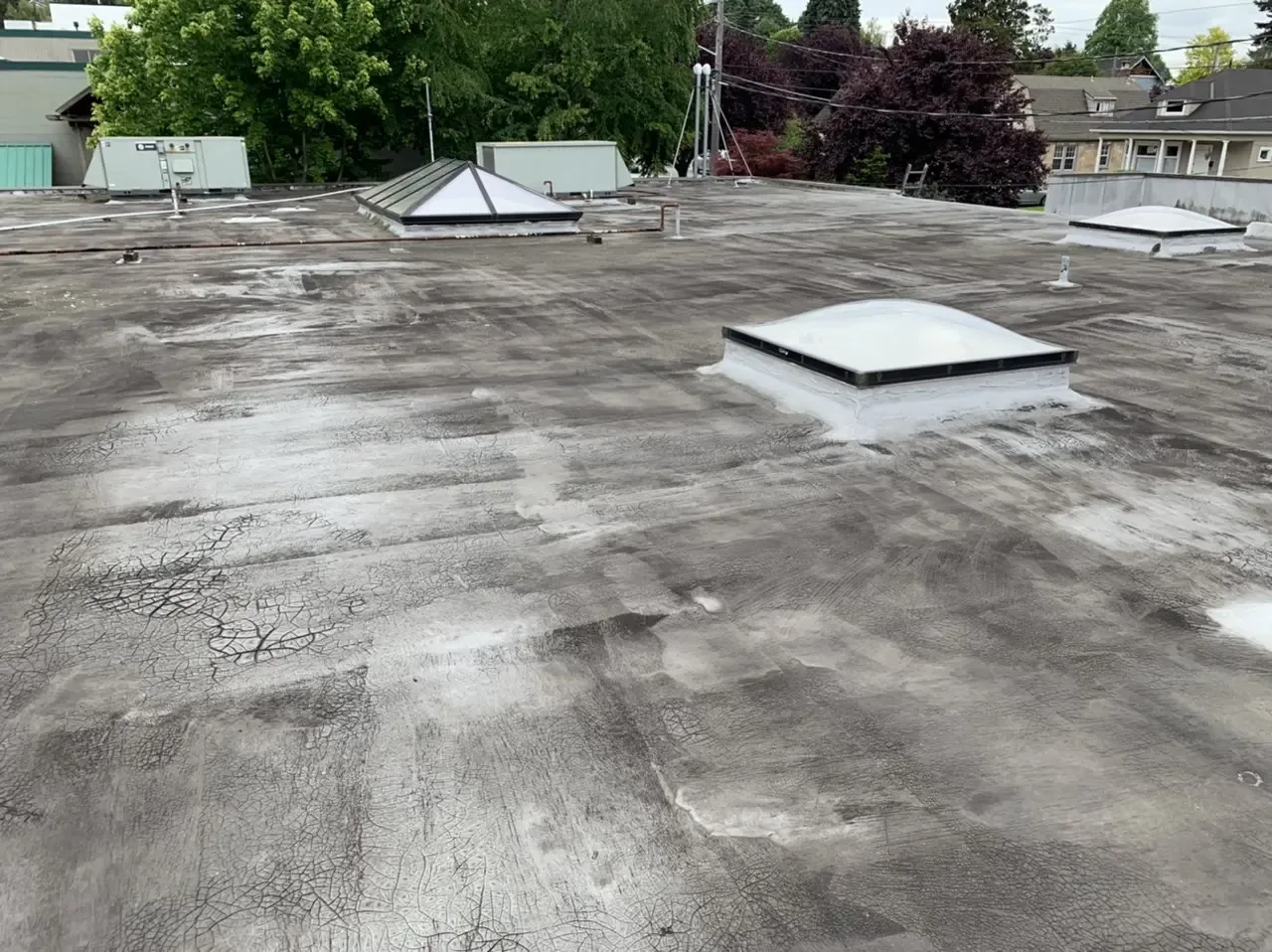
BUR fails in recognizable ways. Blisters, where trapped moisture or air has raised the plies. Splits, where thermal movement has pulled the felts apart along a line. Alligatoring, a cracked surface of the asphalt. Bare spots where gravel has blown or washed away. Ridging at insulation joints, where the board moved and the roof followed.
Summer swings past 30 F work the membrane in July, and about 45 all-day freezes work it in winter. Splits tend to line up with insulation joints and deck seams. We map them on the roof plan, probe the edges and look for the dark staining that signals moisture below. The findings sheet separates surface repairs from ones that reach the insulation.
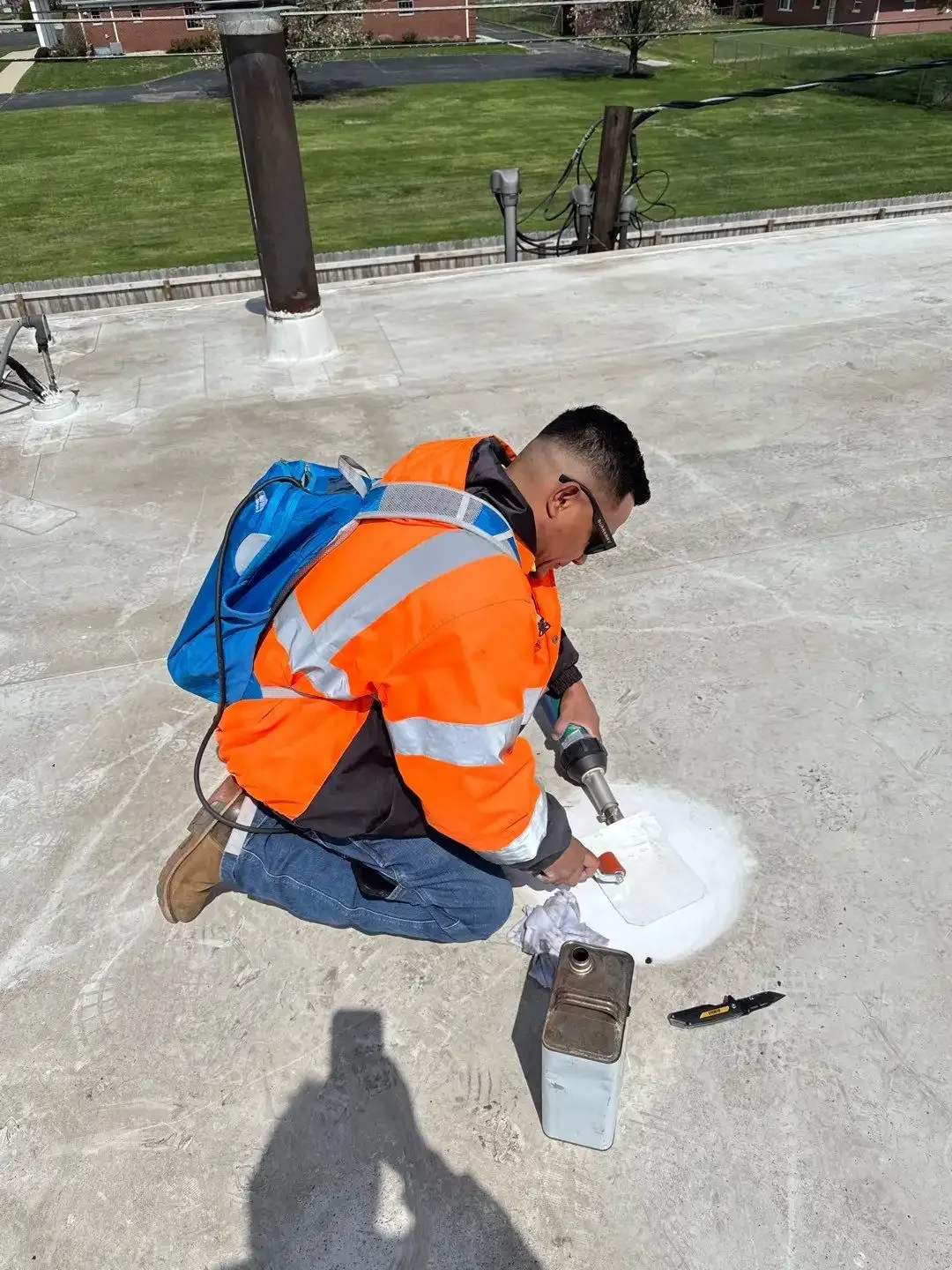
Flashings on BUR are their own item. Base flashing is built up from felts and a cap flashing, and it can split at corners. Where the roof meets a wall, the flashing carries thermal movement every day. We press each corner and probe each seam, then photograph the result. A cracked corner repaired with new plies and mastic lasts longer than a bead of sealant.
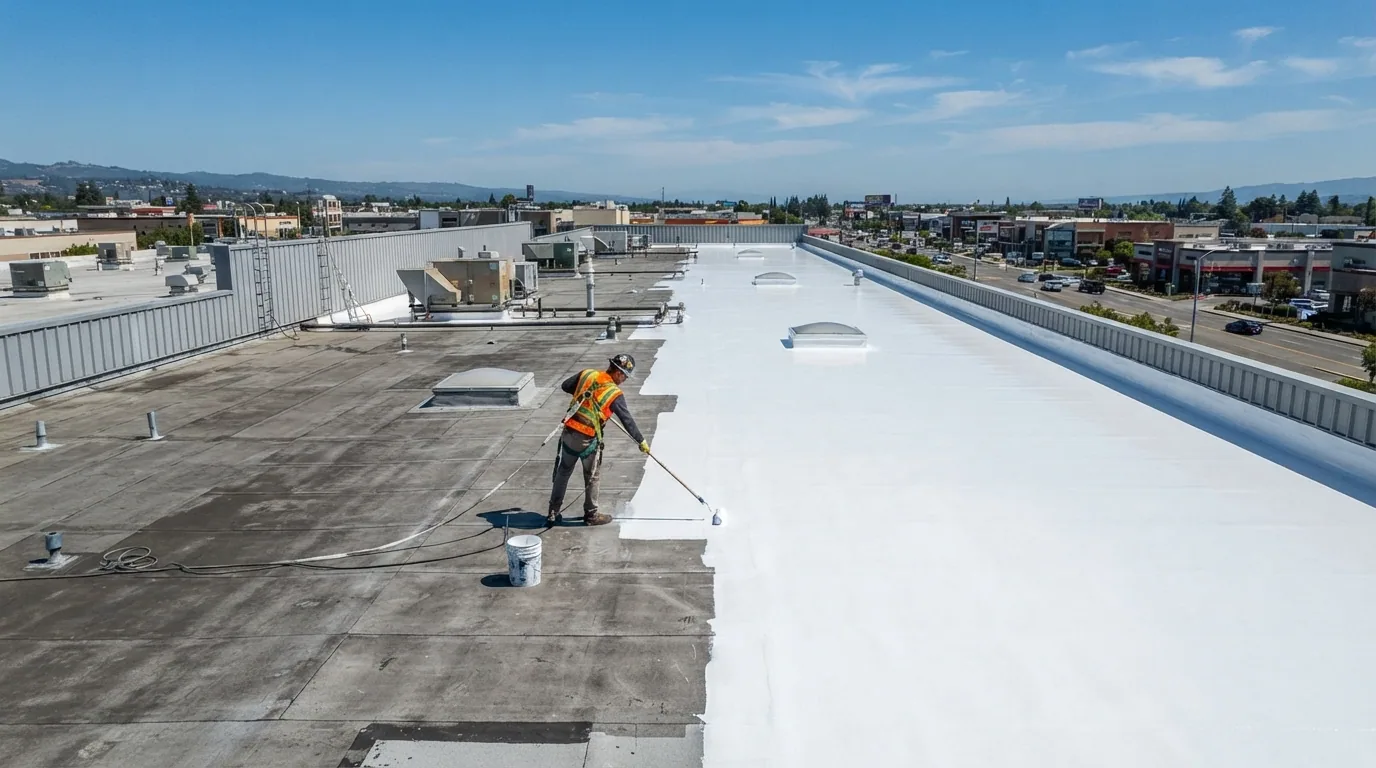
Control the kettle and the fumes
Hot asphalt is heated in a kettle on site, and that kettle needs a place. It sits away from air intakes, fire lanes and tenant doors. Hoses run to the roof or the asphalt goes up in buckets by hoist. A fire watch stays on the roof, and extinguishers are within reach of every work area.
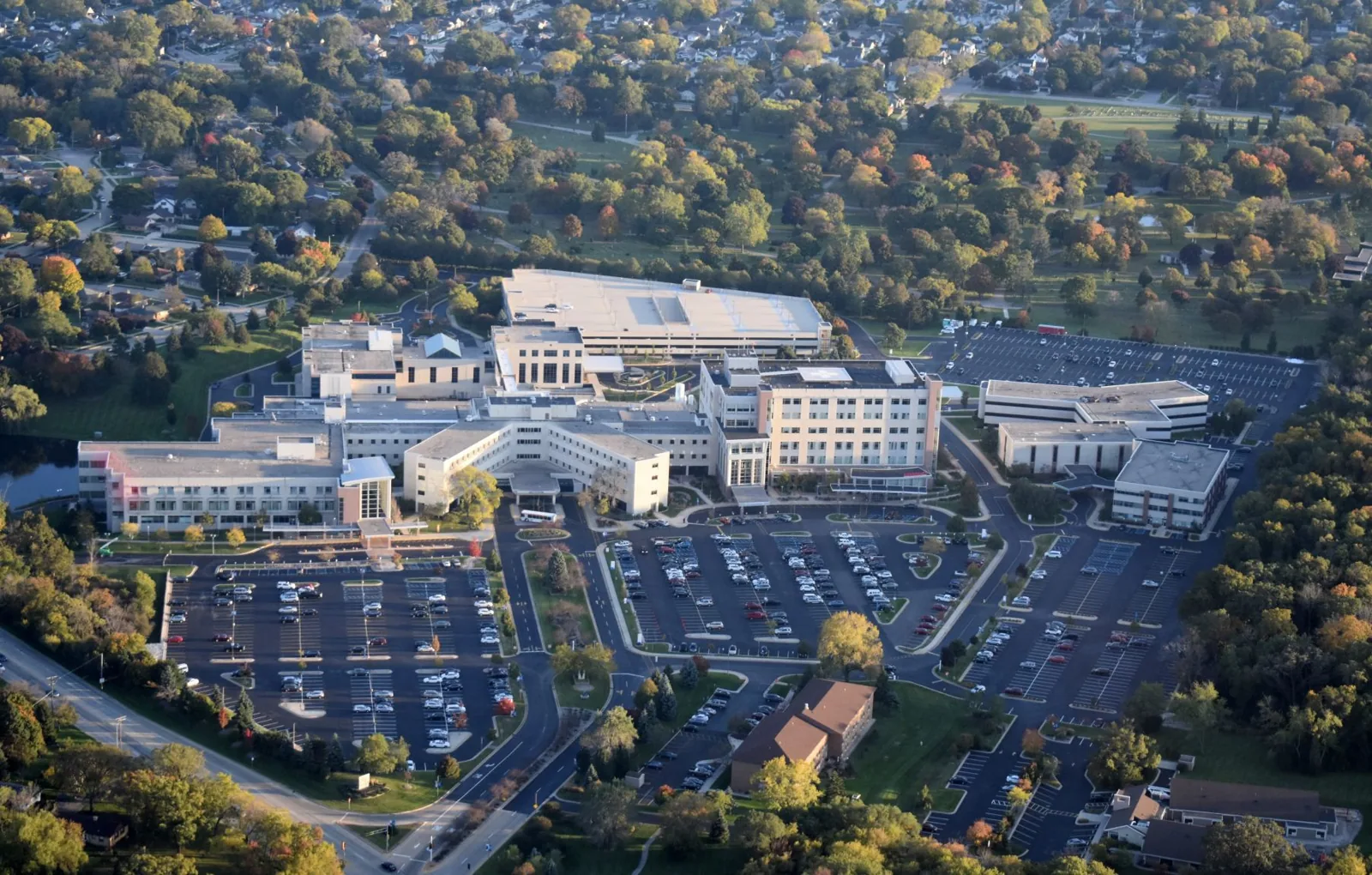
Fumes reach intakes quickly, so we locate and screen them in advance. A hospital or clinic needs a different method than a warehouse. Where hot work is not allowed, cold-applied BUR uses adhesives instead of hot asphalt. Missoula's hospitals, including St. Patrick Hospital and Community Medical Center, are among its largest employers, and any hospital roof job starts with an access and odor plan agreed with the facilities office.
Disposal has a cost too. Old BUR is heavy, and gravel adds more. The tear-off bid shows the weight, the haul and the dump fee as lines, so an owner comparing a recover against a tear-off sees the whole number. A recover overlay avoids the haul but adds weight, and the deck decides.
Check the deck against the load
BUR is heavy, and gravel adds more. Missoula's design ground snow load is 40 psf, with roof loads calculated under ASCE 7-16, and the deck must carry the roof, the snow and any drift. The heavy snow that collapsed much of the former Bonner mill roof in 2011 is the reminder. We check what the existing deck can carry before any recover goes on, and we weigh the gravel removed in a tear-off.
Drift areas behind parapets and rooftop units get attention. Drains must be open before the first thaw, because ponded meltwater adds weight and soaks seams. Modified bitumen is lighter and often replaces BUR when weight is the problem.
Snow removal is a hazard for gravel roofs, since shovels scrape the surface and move stone. We advise against owner-led shoveling and mark the drain lines so a trained crew knows where to clear if loads grow.
Stage the tear-off and the hoist
Gravel-surfaced roofs make a lot of debris. The tear-off needs a dumpster or chute positioned away from entrances, and the gravel gets swept before new work begins. Material goes up by hoist or crane pick on a schedule that matches the day's coverage.
Before tear-off starts on a historic roof in Downtown Missoula, someone reviews what can be changed; the city lists more than 60 National Register buildings. Access and noise planning come first in the redevelopment area of the Old Sawmill District. Delivery windows downtown are tight, and the plan names the days and the doors that stay open.
At the Bonner mill site and the county development park near the airport, industrial work involves large roofs and heavy equipment. A big BUR tear-off there needs a debris plan and a scale ticket for disposal, and the crane pick is mapped to the day.
Decide whether to keep BUR
BUR is durable and repairable, and its redundancy is real. It is also heavy, slow and smelly to install. Single-ply systems such as TPO install faster and weigh less. The owner decides by weighing the deck's capacity, the fire rules, the noise and odor tolerance and the budget. Montana's 2021 IECC with Montana amendments sets the insulation level, which affects the cost of any new assembly. We compare the options with prices and show the recover versus tear-off numbers next to each.
A last point on moisture. BUR traps water well, and saturated board under it can sit for years. An infrared scan and core cuts map it before a recover is priced. If the board is saturated across a drainage zone, the cheaper recover path closes, and the findings sheet says why.
Related Roofing Pages
Send the roof plan and the load information
Send the roof plan, the occupancy schedule, the access constraints and any structural notes, so the phasing and the staging area can be mapped before any material is ordered.
Call 555-555-5555 or email [email protected].
Questions About Built-Up Roofing
How many layers can a roof have before it must be torn off?
Codes limit the number of roof assemblies on a deck, and the deck's capacity limits the weight. A survey counts the plies and weighs them. If another layer exceeds either limit, tear-off is the path.
Can a blister be repaired?
Small blisters can be cut, dried and patched with plies set in adhesive. Large or numerous blisters point to trapped moisture, and a scan is needed first. Cutting open a blister without a plan can let water in.
What is the gravel for?
It protects the asphalt from sun, hail and foot traffic and adds fire resistance. It also adds weight and hides defects. Some owners remove it and add a cap sheet or coating to see the surface.
Is BUR still a good choice for new roofs?
It remains a durable choice where traffic and hail are concerns, and where the deck can carry it. The install requires hot work or adhesive methods, so fire rules and tenant tolerance play a part.
Why does the schedule slip in spring?
Wet decks and cold nights stop asphalt work. We plan weather holds into the bid and keep sections small enough to dry in the same day.