
Government Building Roofing in Missoula, MT
Government Building Roofing
A public building roof has to be specified before it is bought, and the specification depends on a record that the agency can defend in a meeting. The sequence for a municipal or county roof starts with an inspection report, then a scope, then a procurement path, then a schedule, and only then a crew. If the order is reversed, the agency ends up with a bid it cannot compare or a change order it cannot explain. Weather adds a hard limit in Missoula, MT: snow covers the ground about four months of the year, which leaves a short window for work once funds are approved.
We write government roof scopes so each line can be read by a facilities director, a finance officer and an elected board, and so each cost has a reason. Public owners also have to explain choices years later, when staff have changed and memory has faded. A scope with dated photographs, test results and a stated basis for each decision is the best insurance against that second-guessing, and it is the document we aim to leave behind, kept in the agency file for the next facilities director.
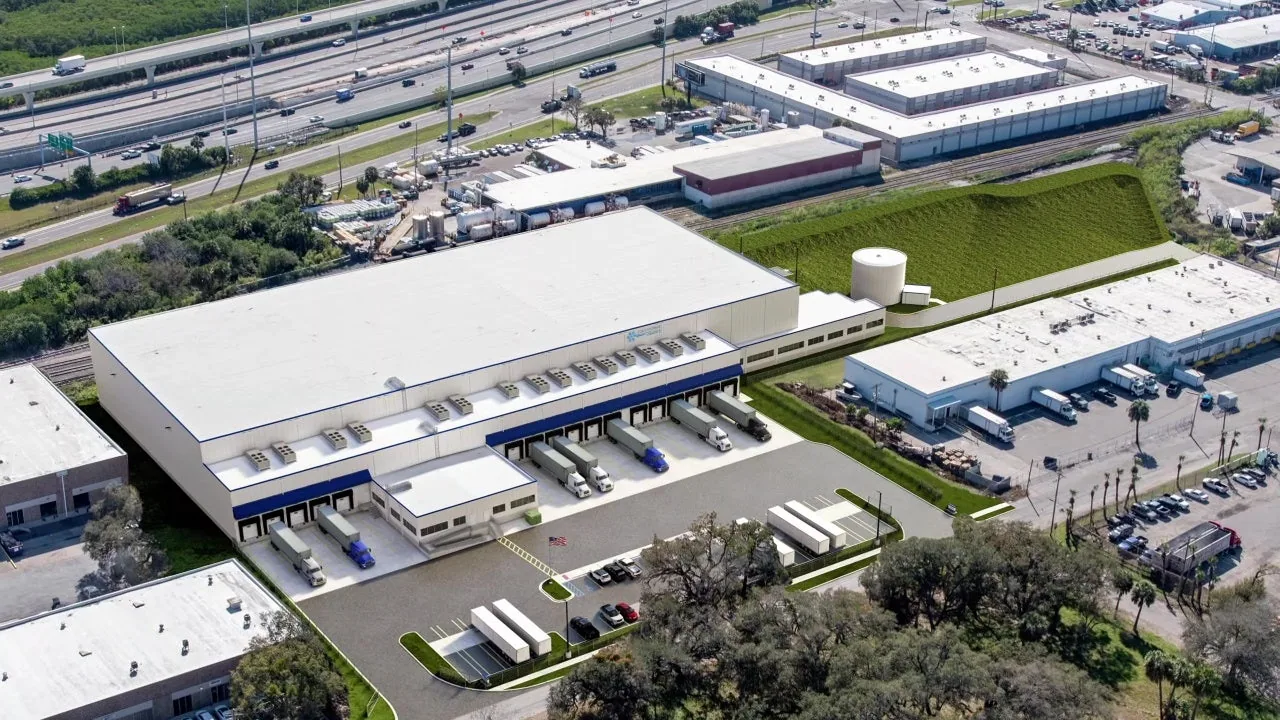
Build the record first
Every roof gets a walk first. Each building's entry lists the system, area, known age, drains, penetrations and condition. We take core cuts where the evidence points, and we photograph each finding in a dated set. A moisture scan identifies saturated insulation without opening the roof.
The result is a roof condition report that ranks buildings by remaining service. A board can read it. An auditor can check it. A bidder can price from it. The report separates repairs from replacement and gives cost ranges for each, so the agency can ask for funds with numbers behind them. Libraries, fire stations, maintenance shops and offices each have a different roof profile and a different tolerance for downtime, and the report treats them separately. A building that closes to the public for a day is a different cost from one that cannot close at all.
Write scopes that bid cleanly
A scope that bids cleanly names the system, the attachment, the insulation, the flashing details, the warranty terms and the testing. It lists the work window, the staging area, the access rules and the closeout items. It states what is included and what is not.
We write scopes in plain language, with a drawing set where the project calls for it. The scope also names the weather allowance, so bidders do not price in an unknown. A public owner that gives every bidder the same facts receives bids it can compare. We also explain the cost drivers: roof area, the system, access, deck condition and insulation depth. When the board asks why one building costs more than another, the answer is on the page. We also state the allowances: weather holds, unforeseen deck repair and added insulation. Each has a unit price, so a change order has a basis the agency already approved. A scope with named allowances is easier to administer than one that hides them in a lump sum.
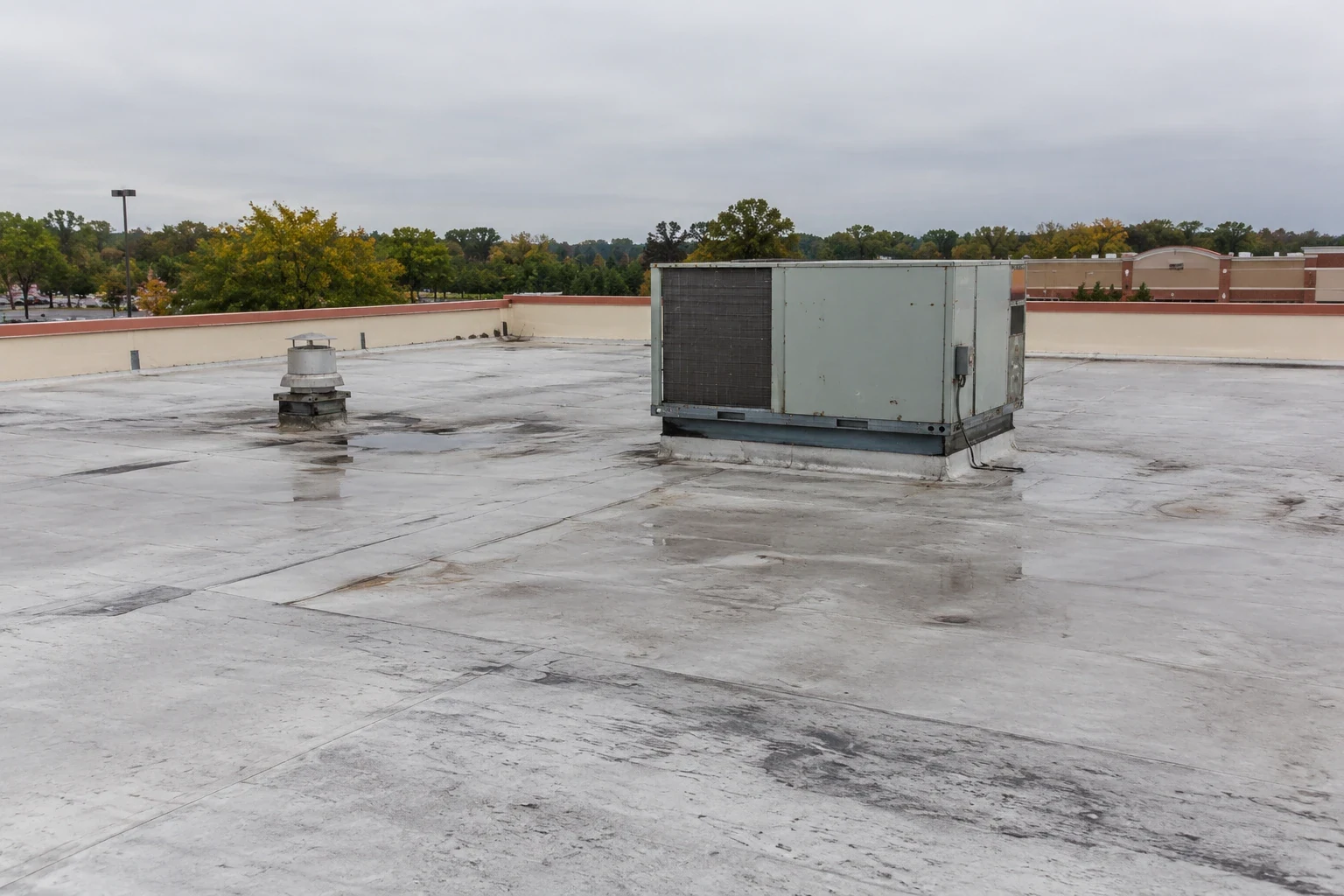
Control access and occupancy
Government buildings stay open. Offices, courts, libraries and service counters serve the public during the day, and staff have deadlines of their own. The staging area must stay clear of public entrances and accessibility routes. The crane pick happens early, and the material hoist runs away from walkways.
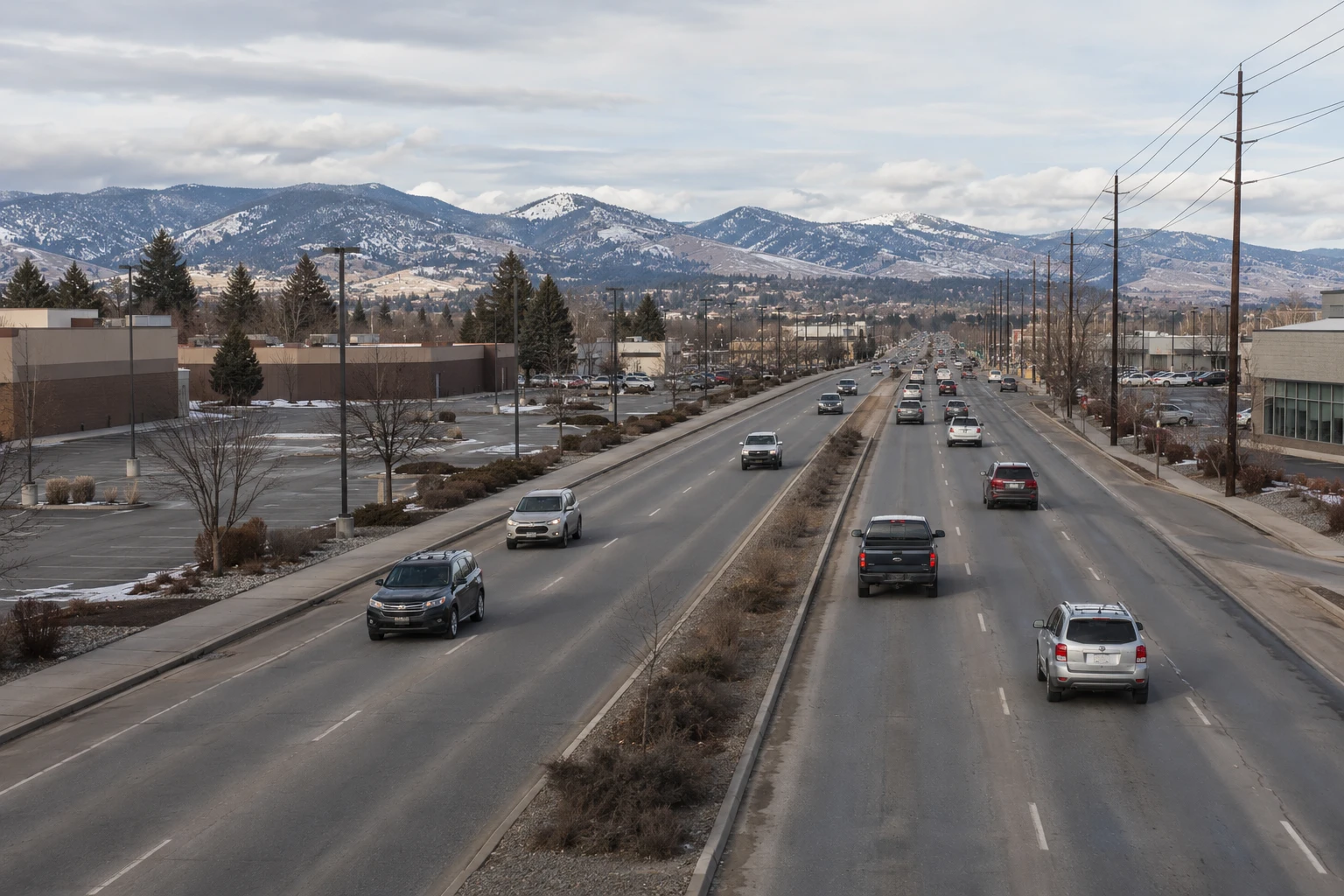
Some buildings have security rules: badging, escorts and restricted areas. Those rules are asked for up front and written into the scope. Where the building has records storage or server rooms, interior protection goes in first, and the dry-in sequence is tight. Sensors, tarps and a standby crew on weather watch are listed in the scope for those areas, and the agency's IT or records staff are told the dates in advance so equipment can be moved if they prefer. A short daily note goes to the facilities manager, and the punch list is cleared before the crew leaves. Public buildings on a busy corridor such as North Reserve Street also deal with traffic and public parking, so the delivery route is drawn on the site plan and approved before the first load arrives.
Plan for snow, thaw and code
A winter here brings about 39.5 inches of snow, and the state table sets the ground snow load at 40 psf; ASCE 7-16 turns that into a roof load. The 2021 IECC with Montana amendments governs insulation on a replacement.
We design to those requirements and note them in the scope. Drifts against taller walls and mechanical rooms need extra attention, and drains must handle meltwater in a thaw. A 102 mph wind speed for Risk Category II buildings shapes the attachment and the perimeter details. A roof designed to the code and installed to the spec is easier to defend than one that merely matches the old roof. Insulation levels under the energy code often rise on replacement, which adds thickness and changes flashing heights. We account for that in the detail drawings and the budget, so the agency does not find out about it during construction.
Handle older and historic buildings
Missoula has more than 60 National Register buildings, so a public building may carry historic status. The walk identifies the roof system and records its condition. The agency confirms what approvals and materials apply before work is scheduled. We do not assume any historic status or exemption.
For older masonry buildings, parapets, copings and gutters get as much attention as the field. The report lists them as separate items so the agency can fund them together. A campus with older halls faces the same questions, and the same record structure serves both.
Close out with documentation
The closeout file holds the as-built system, attachment, insulation, test results, photographs and warranty papers. The agency keeps it in its roof inventory with the next review date. A multi-site roof program built for a school district or a county uses the same format for every building, so the agency reads the whole portfolio in a single table. A building in downtown Missoula and one at the development park off Mullan Road read on the same scale. Public bid documents age quickly, so the condition report carries the survey date on every page. A reader who opens it a year later can see at a glance which findings predate the last storm season and which came after it.
Related Roofing Pages

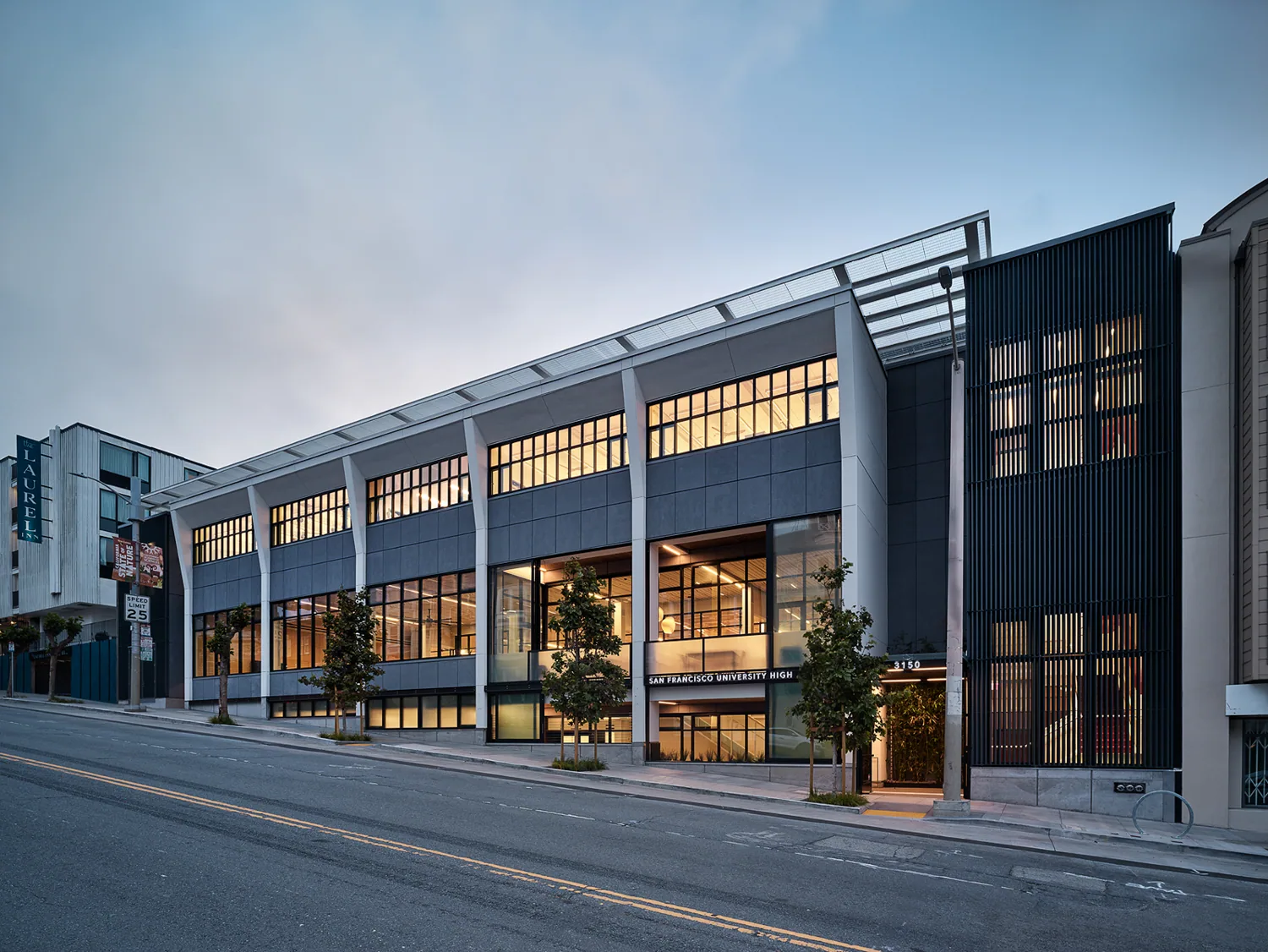
Send the building list and the access rules
Send the building list, the occupancy schedule and the access rules, and we will map the phasing and the staging area before any material is ordered.
Call 555-555-5555 or email [email protected].
Questions About Government Building Roofing
What does a public owner need before bidding a roof?
A condition report, a clear scope and a budget range. The report ranks roofs by remaining service, and the scope states the system, the work window and the closeout items.
How do you keep a public building open during roof work?
We keep entrances clear, dry in each section daily and protect the interior below. Security rules are written into the scope.
Which codes apply to a Missoula roof replacement?
Energy design follows the 2021 IECC with Montana amendments, and roof snow loads start from the state's ground snow load. Both go into the scope.
What about older public buildings?
The roof is recorded as it stands, the agency confirms which approvals apply and parapets and copings are priced as their own items.
What should an agency send to start?
The building list, any roof reports, the occupancy schedule and the access and security rules. We then draft a condition report and a phased scope.