
Roofing for Property Management Companies in Missoula, MT
Property Management Companies
A property manager with six Missoula, MT buildings cannot reroof them in the same month, so the first question is which one goes first and what breaks if the order is wrong. A roof that is repaired in October, a week before the first hard freeze, is a different job from one repaired in July. The weather window here is short, with snow cover lasting about four months and thaw cycles that decide which seams and drains fail next. We map the sequence on the roof plan before any material is ordered, then we price each phase.
You see which days a crane pick happens, which entrances stay open and which tenants hear noise. The plan is something you can forward.

Build one inventory for every building
The first step is a single record. For each building we note the roof system, the approximate area, the drains and sumps, the penetrations and the history of leaks the manager can recall. A dated photo set goes with it. Core cuts at representative spots show whether the layers below the membrane are dry.
This inventory is what lets a manager answer an owner. Why this building this year? Because its drain sump backs up in every thaw and its seams have opened along the north edge. Why not the other? Because its layers are dry and its surface is sound. Our roof condition reports use the same format for every building, so a portfolio reads as one document.
A manager who inherits a building with no roof file starts with this step. It costs little and it prevents the most expensive mistake, which is replacing a roof that only needed a repair.
The same inventory tells a new manager what the previous one knew. Which tenant reports leaks first. Which roof hatch sticks. Which building has a skylight nobody has opened. Those details live in people's heads, and they leave when the person does.
Plan around snow, drifts and thaw
Design snow load is 40 psf, the city gets about 39.5 inches in a winter and roughly 45 days never rise above freezing. Those numbers shape every roof here. Taller walls and mechanical rooms build drifts, and the weight there can run past the open-field load. Likely drift lines are marked on the plan before the first freeze.
Thaw does the next round of damage. Meltwater runs to the drain sump and refreezes overnight if the drain is blocked. A blocked sump is the cheapest finding on the walk and the one that costs the most if it is left. We clear sumps first, in the fall, and we check them again in the first thaw.
Snow guards and gutters matter above entrances. A slide from a sloped roof onto a walkway is a liability, and it can tear off an edge. We note each risky spot for the manager.
Match the plan to each building type
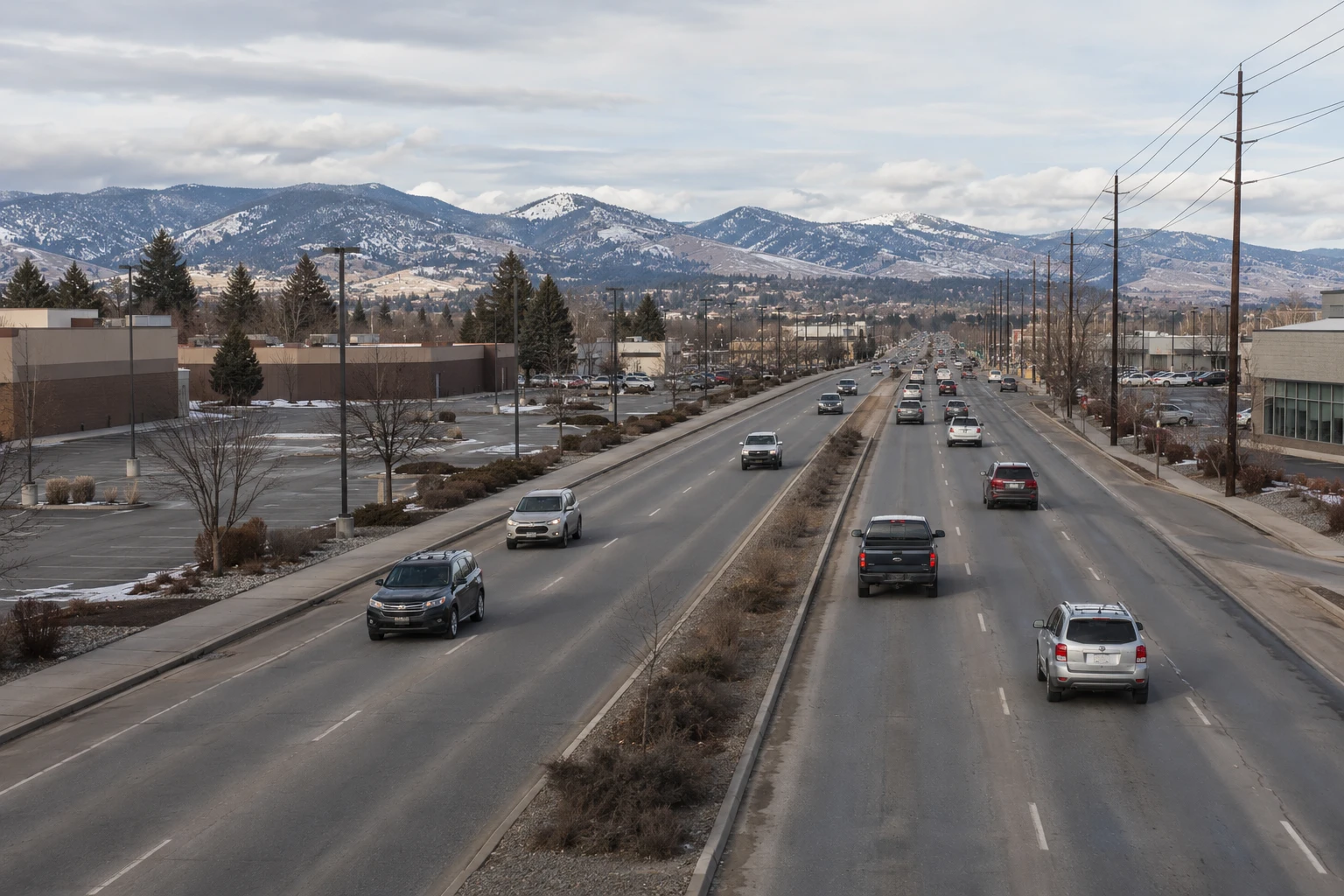
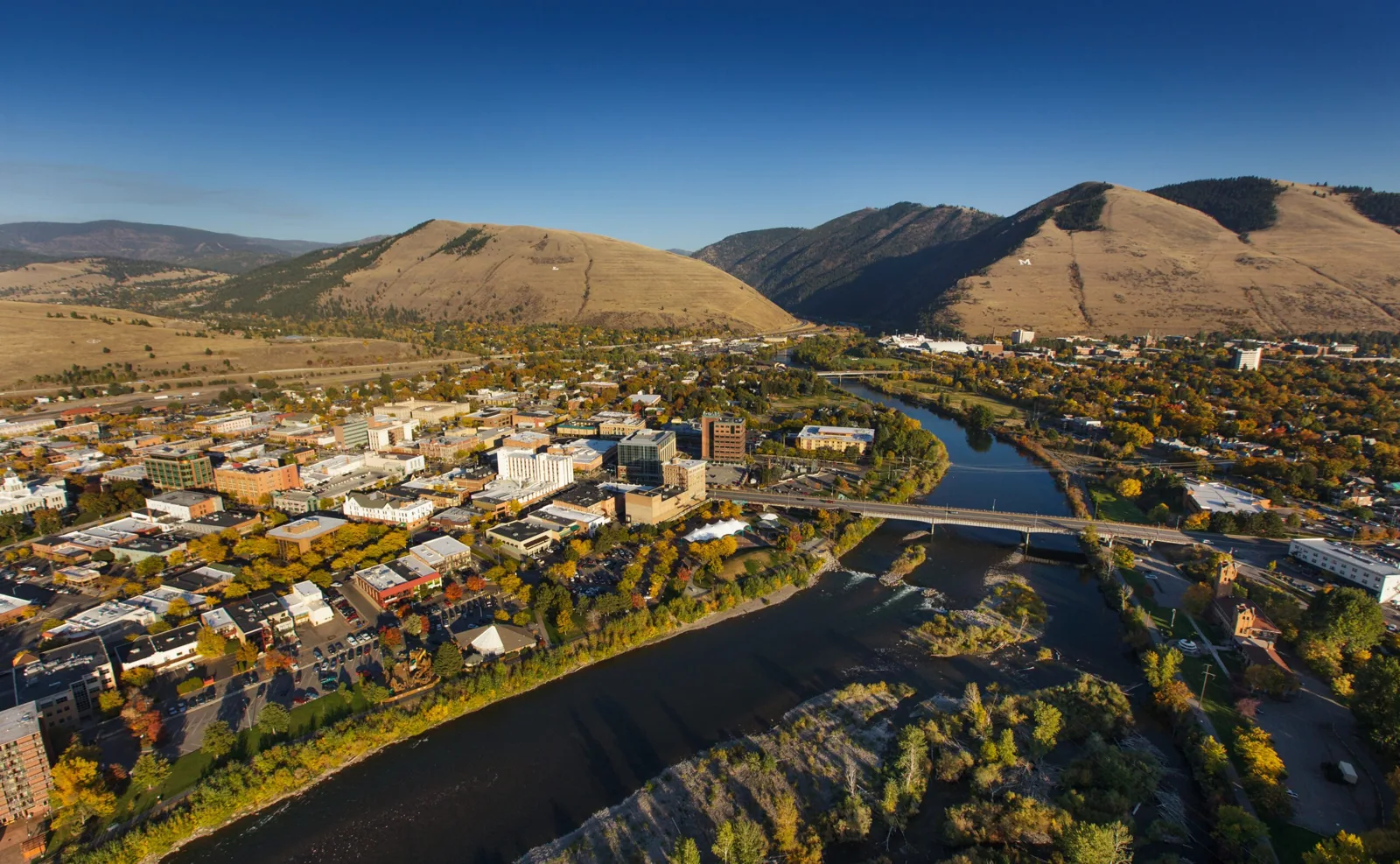
A portfolio can mix retail, office and older downtown stock. Along the North Reserve Street corridor, which carries more than 30,000 vehicles a day, retail buildings share drains and edges with neighbors, and lease lines matter. Missoula has more than 60 National Register buildings, so a roof in Downtown Missoula may sit on older masonry and need details that match the walls. Access in tight blocks of downtown Missoula is planned block by block.
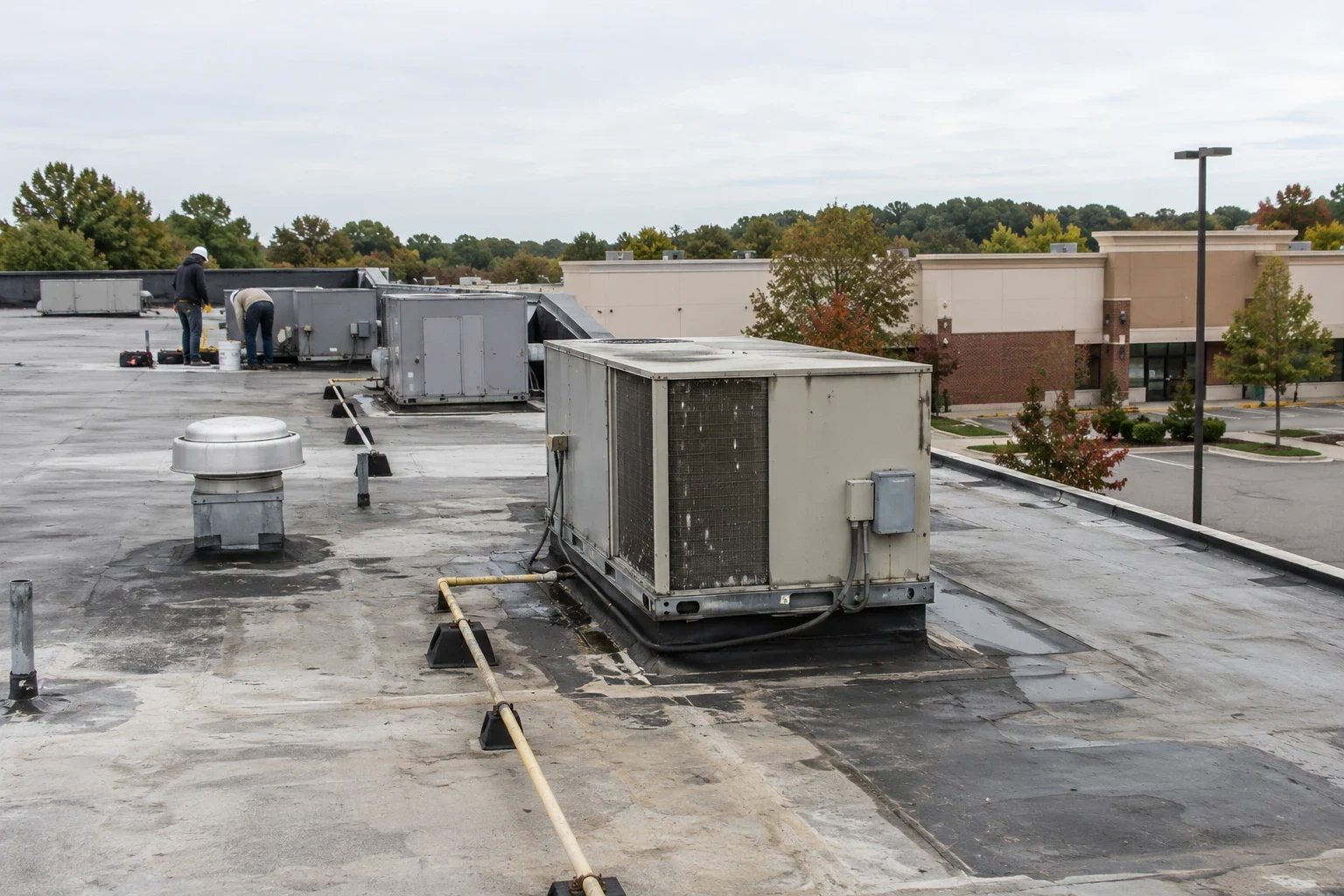
For retail, we follow the approach used on any shopping center roof: stage the hoist where it will not block customer access, keep the laydown yard small and dry in each section the same day. For office buildings, we schedule around tenant hours and keep entries clear.
We group buildings by type and by location. One mobilization then covers several roofs, which lowers the cost of each phase.
Rank the work by what fails first
Failure order is the budget order. Drains and sumps come first, because blocked drainage turns one thaw into interior damage. Edges and flashings come second, since they move the most when late-summer days swing past 30 degrees. Field membrane comes last, unless a core cut shows saturated layers.
We write the list in that order and price each line. The manager can fund the first group now and carry the second group into the next budget. Owners who hold older buildings downtown, where roofs sit on historic masonry, should expect the edge and parapet line to be larger than on a newer retail building.
Hail adds a second path. A hail walk goes on the calendar after any storm like the one that overwhelmed central and south Missoula's storm drains in 2016. The photographs from that walk are what an insurer and an owner both ask for.
Protect tenant access through each phase
A roof visit touches tenants in three ways: noise, parking and entry. We send a notice you can forward. It lists the building, the phase, the hours and a contact. We keep the crane pick away from the busiest entrance, and we flag the days when a lane will be closed.
Tear-off phasing keeps the building dry. We open only what we can close the same day, and we watch the forecast. A half-open roof in a Missoula storm is a bigger problem than the leak you started with, so each phase ends with a dry-in.
When a tenant has sensitive equipment or fixed hours, tell us. We build the sequence around them and put the schedule in writing. Where an owner holds through a fund, the same plan feeds the capital review described in investor and REIT roofing.
Close every phase with a punch list
A walk, a punch list and a photo set close each phase, with drains tested, flashings checked and the roof and lot cleaned. Once the manager signs, the building file takes the record and a date for the next review.
Over time the file shows which buildings need the most attention. A multi-site roof program turns those records into a calendar. A manager who has the calendar can set budgets a year ahead and can tell an owner when a roof will need work. Preventive maintenance visits in fall and spring keep the repair list short.
Related Roofing Pages

Send the roof plans and the tenant schedule
Send the building list, the roof plans, the occupancy schedule and the access constraints, and we will map the phasing and the staging area for each building before any material is ordered.
Call 555-555-5555 or email [email protected].
Questions About Property Management Companies
How many buildings can one phase cover?
As many as the crew can dry in before the weather window closes. The count is set by roof size, crane access and tenant hours, so we plan a few buildings per phase and move the rest to the next window.
What is the best season for roof work in Missoula?
Late spring through early fall, after the thaw and before the first hard freeze. Cold mornings can slow adhesives, so we check the forecast and surface temperature each day and hold a section if it cannot cure.
Can tenants stay in the building during a reroof?
Yes. We work in sections, keep entries open and schedule loud steps around tenant hours. Tenants with sensitive equipment or fixed hours get a separate note and a contact.
Who handles a tenant leak call after hours?
Our emergency line is answered at any hour. A crew can often set a temporary dry-in the same day, and the permanent repair goes on the next phase of the plan.
What records do owners ask for after a roof project?
A punch list, before and after photographs, material data and warranty papers. We deliver them as one file per building, so the manager can pass them on without editing.