
Commercial Roofing in Clinton, MT
Clinton
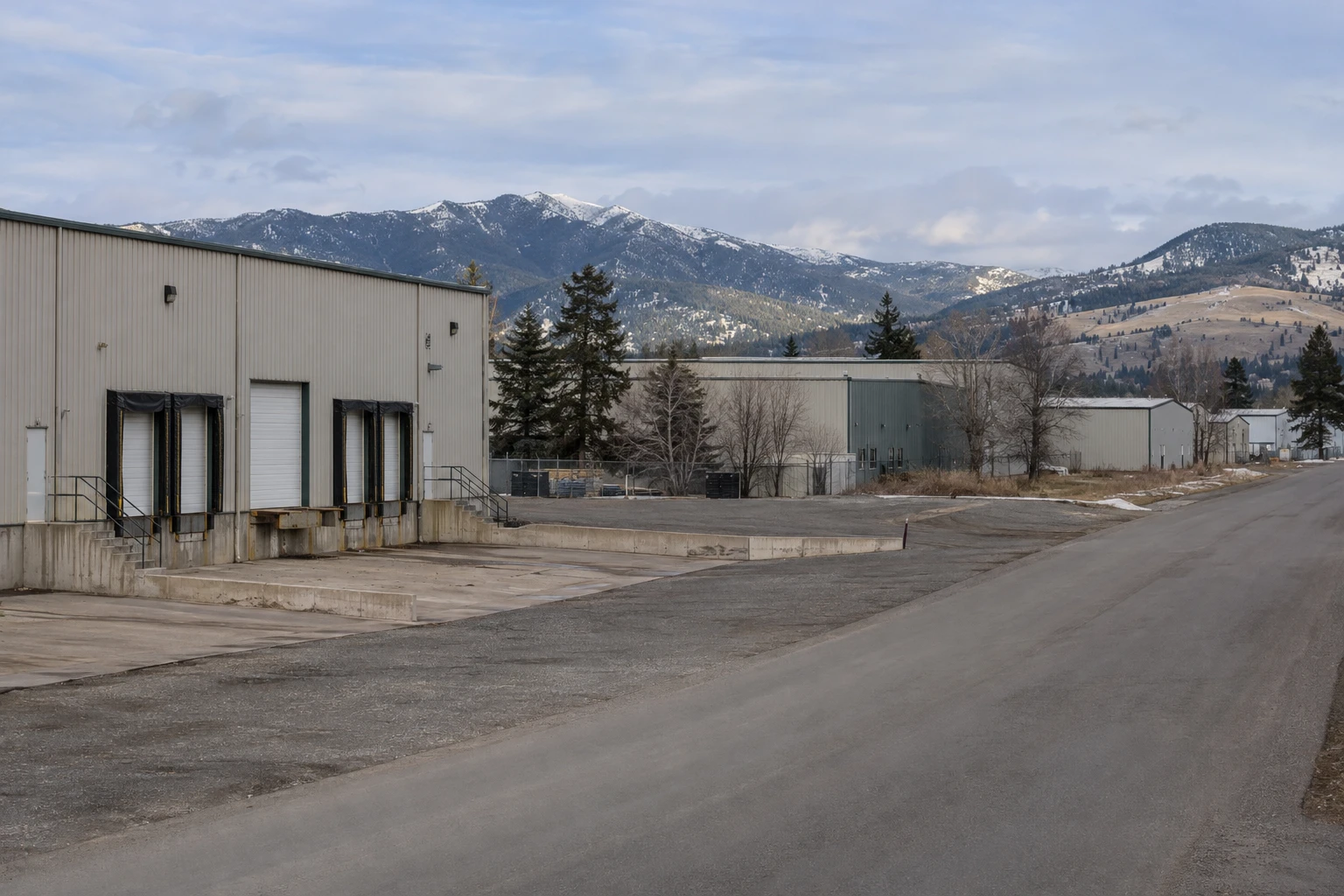
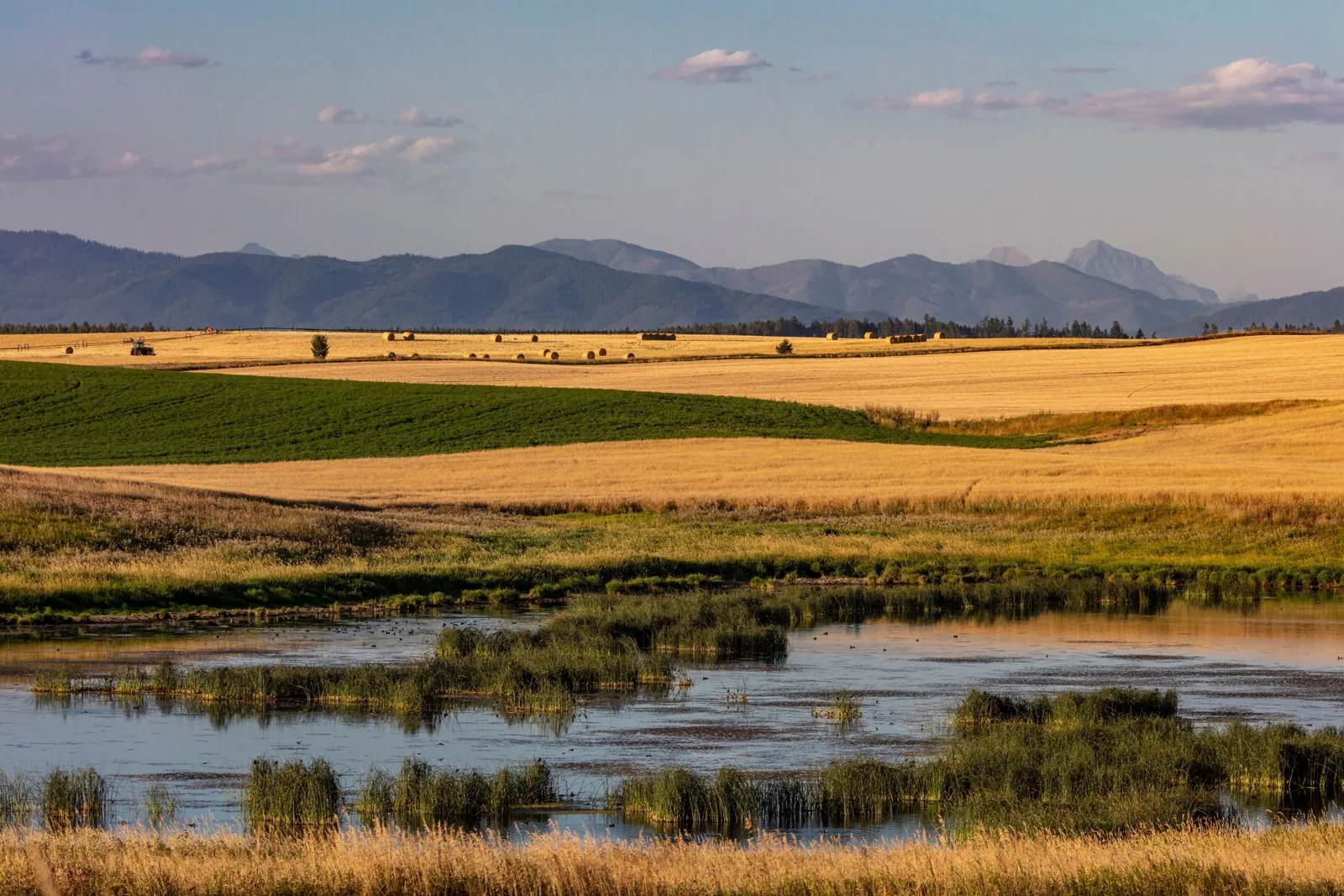
A small valley town needs a roofer who plans the drive as carefully as the roof. Clinton, MT sits about 17 miles from Missoula in the Clark Fork River valley, with I-90 Exit 120 and 1,018 residents at the 2020 census, at an elevation of 3,458 feet. Commercial buildings here are few and spread out, and each job begins with a decision about the trip: how many days, what crane, what forecast. We write that plan first, then survey the roof, then price the repair, restoration or replacement the survey supports.
Book the Trip Around the Forecast
Seventeen miles is not far, but a late storm turns it into a day. We book work in blocks of several days, put the crane on the clearest of them and name a fallback window. If the forecast breaks, the crew stays in town and nobody waits on an open roof.
A winter in Missoula brings about 39.5 inches of snow and about four months of ground cover, so the working season is short. We confirm local conditions on the morning of the lift. A job that opens in the morning has to close by evening, and the plan says how.
Frost, wind and a wet deck each change what a crew can do on a given morning, and a roof at 3,458 feet in the Clark Fork valley gets the same check as any other. We check the forecast the night before and the sky on the drive, and the foreman has the authority to call the day off without a phone call to the office.
Start With a Condition Report
For a small commercial owner, the most useful first document is a roof condition report: a dated photo set, a plan of defects, core results and a priced list. It takes a half day on site and a few days to write, and it turns a vague worry into a set of choices. The choices come with prices.
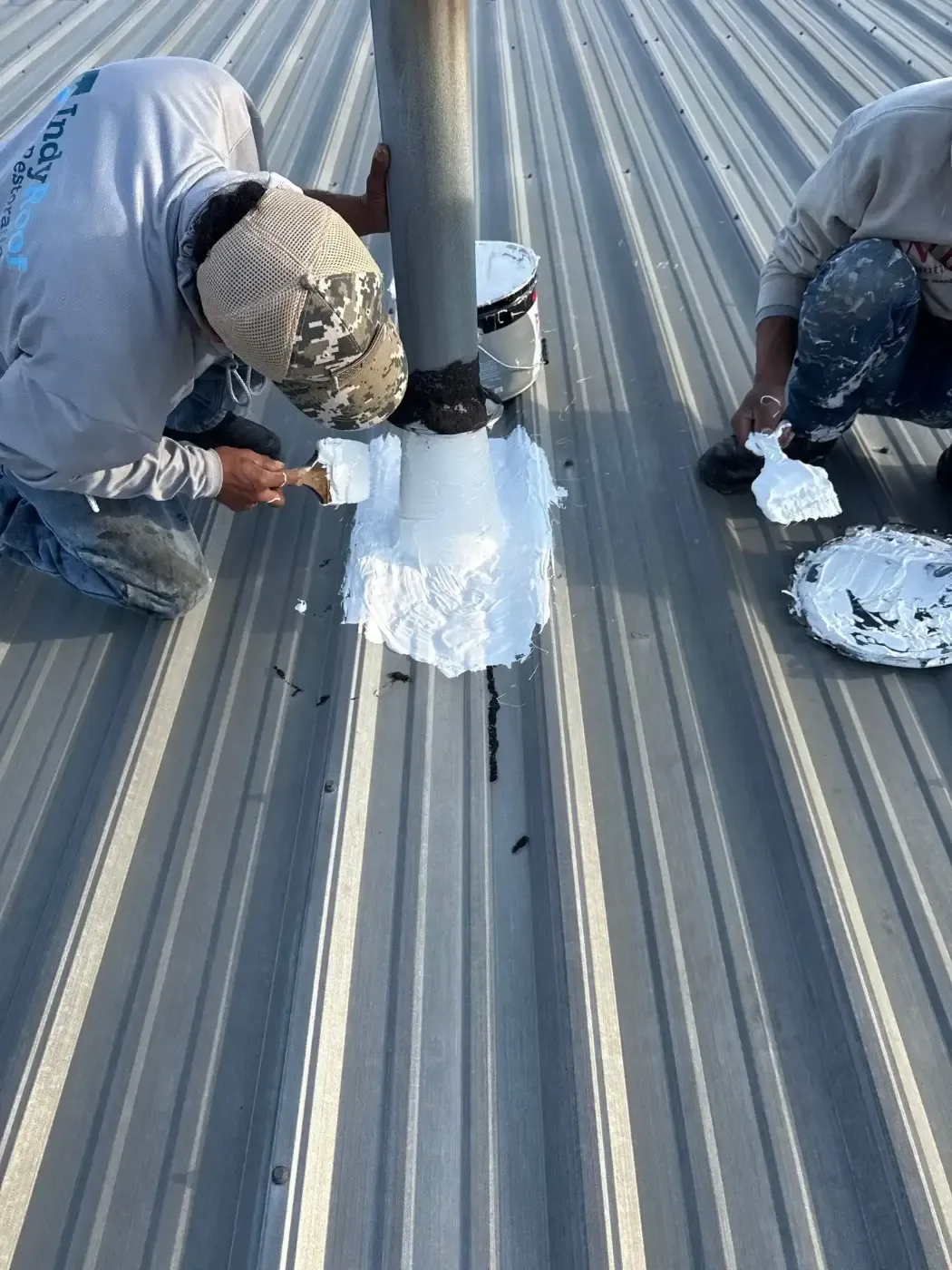
Each area is graded sound, watch, repair or replace. A cracked boot that is not yet leaking becomes a dated watch item, while a fan base with soft sealant or an open seam becomes a priced repair. The owner funds the repair list and carries the watch list forward, and the next report shows what changed.
Photographs make the report useful to people who never visit the roof. A lender, a partner or an insurer can look at a dozen images and a one-page summary and understand the state of the roof. We shoot each finding at close range and at a distance, so the location is clear, and we label each with the date and the number on the plan.
Keep Water Moving Before the Freeze
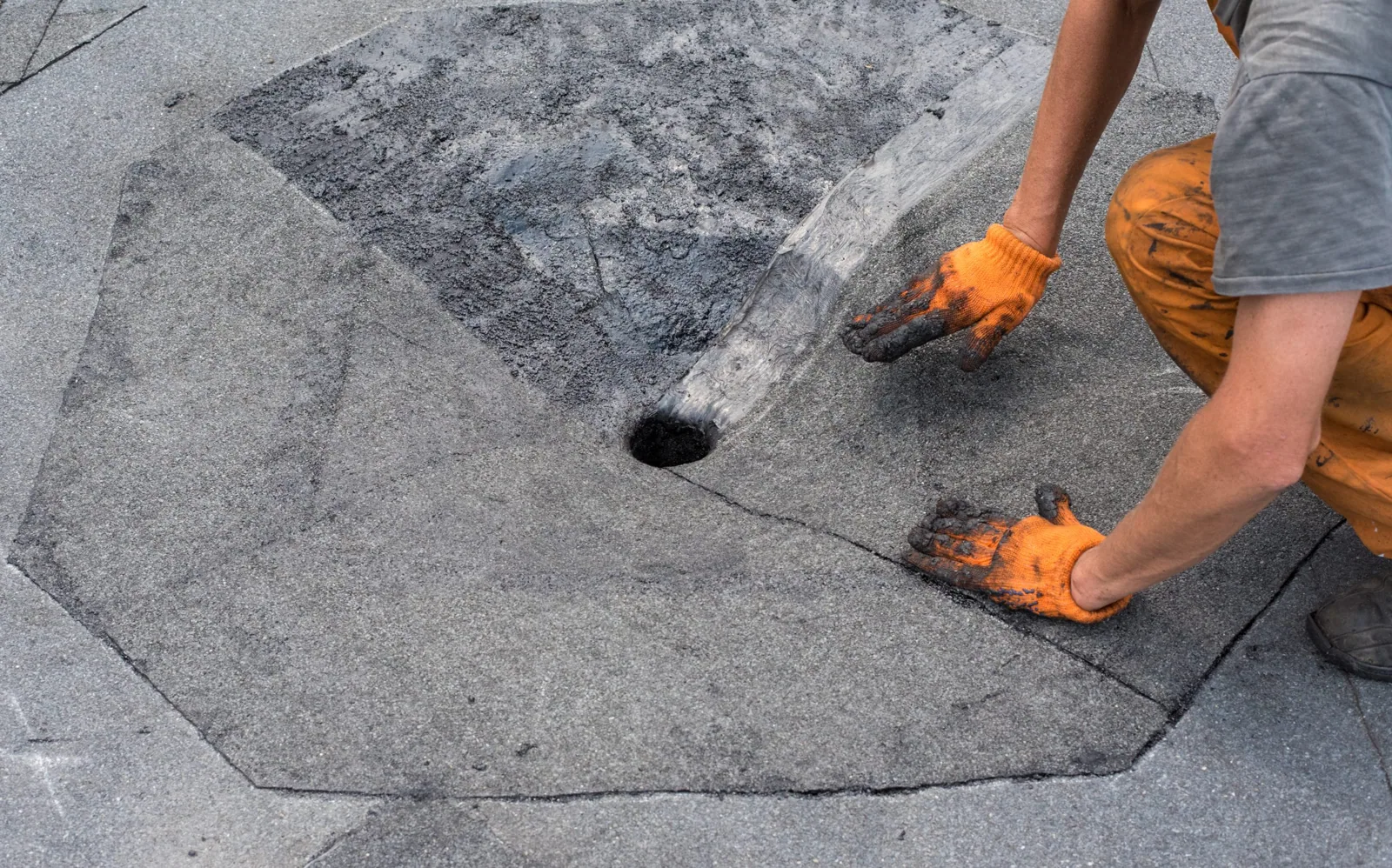
About 45 days a year in Missoula never rise above freezing, and a blocked drain in December can stay blocked until March. Before the first hard freeze we clear strainers, flush lines and flow-test each sump. On a small roof there may be only one or two outlets, so each one matters.
Gutters and downspouts get the same check. A downspout that spills onto a walk becomes an ice patch, and a gutter packed with ice pulls from the fascia. We set the slope, tighten the brackets and move the discharge, and we record the work in the log. Hail adds its own check. After any storm like the 2016 hail and downpour in central and south Missoula that overwhelmed storm drains, we press the field for bruises and photograph dents on vents and units. The full routine of drain and scupper checks runs each autumn and spring.
Read the Warranty Before You Repair
A repair by the wrong party can void a warranty that still has years to run. Before any work, we read the warranty text, note who must perform repairs and what details are approved. A warranty file with the installation date, the product data and the repair log makes any later claim simple.
If the manufacturer requires notice, we send it. If the manufacturer wants an inspection, we schedule it. The file is the owner's, and we keep a copy. Dates matter, since many warranties run from the installation date and require repairs within a stated period after a defect appears. A roof with a good file is worth more to a buyer or a lender than a roof of the same age without one.
Design for Snow, Wind and Code
The numbers behind a replacement here are a 40 psf snow load, a 102 mph wind speed and the amended 2021 IECC for energy, enforced since June 10, 2022. Those numbers set insulation, attachment and framing checks when a roof is replaced. We state them in the proposal so the owner sees what the roof is built for.
A TPO roof suits a low-slope building and a standing seam metal roof suits a sloped one. Both can be installed in the short season if the crew and the material arrive on the right days. Insulation is chosen for condensation as well as code, because warm interior air meeting a cold winter deck condenses inside the assembly.
Share the Route With Nearby Buildings
Turah lies up I-90 in the same valley, about 9 miles from Missoula, and an owner with a building in Turah or in Milltown can share the trip. We price the route, not the roof alone, so each building carries its share of the drive.
A maintenance program visits each roof before the freeze and after the thaw. The calendar lists the buildings in drive order, and the log records what was found. The first call is a survey, and the second is a calendar. Clinton has I-90 Exit 120, and a crew coming from the city sees the same highway every trip, so the route is simple and the plan holds a backup day for closures. The same discipline applies to small roofs and large ones. A condition report for a Clinton building is written to be read by someone who has never driven out to see it: a lender in town, a partner out of state, an insurer with a form to fill. The photographs and the plan carry the argument, and the prose only labels them. The staging area, the crane pick and the weather window go on one sheet before the trip is booked.
Related Roofing Pages

Send the Roof Plan and the Warranty Paperwork
Send the roof plan, the age of the roof and any warranty paperwork, and we will plan the trip and the first walk. The first report lists each finding with a photograph and a price.
Call 555-555-5555 or email [email protected].
Questions About Clinton
What does a condition report cost?
Price follows roof size and the number of cores. It is a small part of a replacement and a large saving when it shows that replacement can wait, because a roof that can wait another year frees the budget for something else.
How far in advance should I book?
Book in late winter or early spring, before the thaw. The season is short and crews fill quickly, and a booked date lets the supplier ship insulation and membrane on time.
Is winter repair possible?
Only as a stopgap, since sealants and adhesives need mild, dry weather. We tarp or patch to stop the water and return in spring, and the temporary work is photographed and marked so it is replaced with a permanent fix on time.
Will a repair void my warranty?
Not if the repair follows the manufacturer's approved details. We read the warranty text first and keep the record, and we ask the manufacturer in writing when the text is unclear.
Can you coat a small roof?
Yes, if the insulation is dry and the membrane is sound. A moisture scan and a bond test decide it, and a coating applied in the warm months goes on with its thickness measured and logged.