
Commercial Roofing in Milltown, MT
Milltown
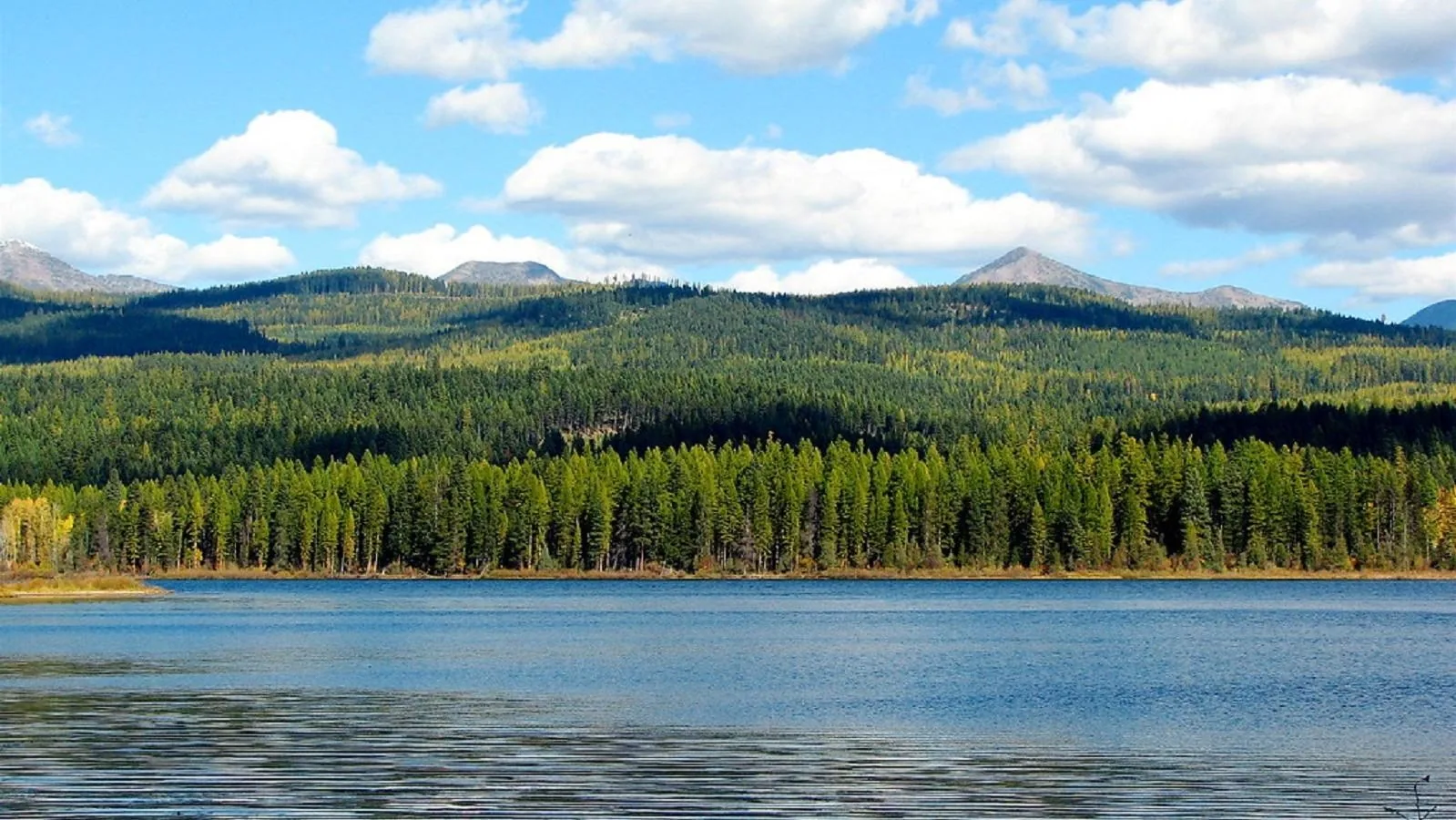
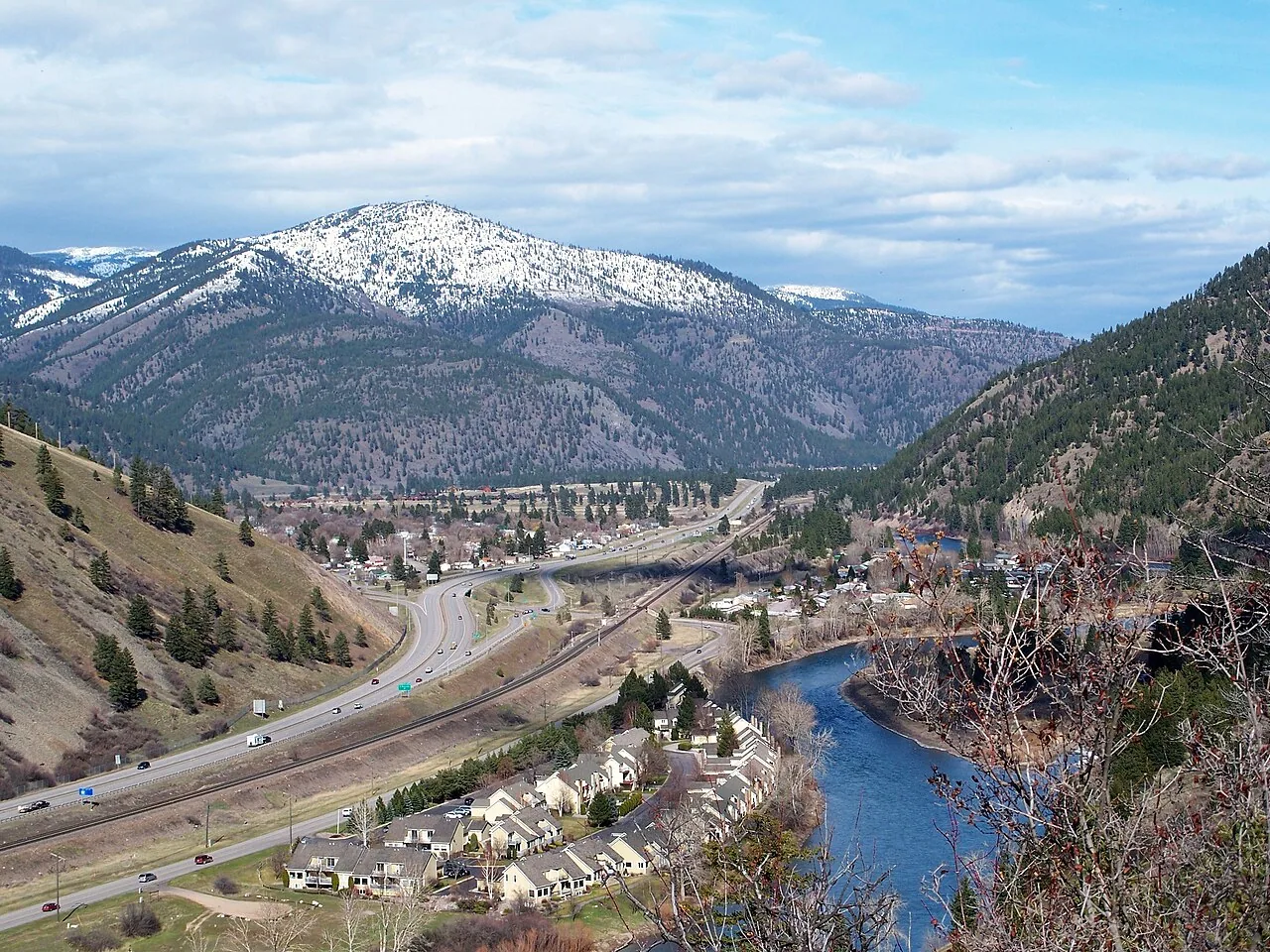
A hillside changes how a roof is reached and how it sheds water, and Milltown, MT is built on one. The town sits about 5.5 miles east of downtown Missoula on a hill above the confluence of the Clark Fork and the Big Blackfoot, at an elevation of 3,288 feet, with Interstate 90 and Montana Highway 200 running along it. It began in 1886 beside a mill and grew up around mill workers and support businesses. Commercial roofs on a hillside are reached by sloped streets, so the first question on any job is where the crane can stand.
Find a Level Place for the Crane
A crane needs a level, firm pad and a clear swing, and a hillside offers few of either. We walk the site before the pick is booked, noting grade, the street width, retaining walls, overhead lines and the distance from the pad to the roof. Where the street slopes, outriggers are cribbed and the crane is leveled, or a smaller machine is used with more picks. The operator signs off on the setup before the first lift.
Material goes up in short loads when the pad is small. A hoist on the uphill side sometimes beats a crane on the downhill side. The plan shows both, and the foreman picks the safer one on the morning.
Deliveries to a hill need thought as well. A flatbed with insulation board has to climb the street, turn and stop where the pad is. We send the driver a sketch with the approach, the turning space and the staging spot, and we confirm that the street can take the weight. If it cannot, material is shuttled in smaller loads from a flat lot nearby.
Let the Slope Work for the Drainage
On a hillside lot, water from the roof, the lot and the street all head downhill, and the roof drainage has to fit that path. We check where each drain, scupper and downspout discharges, and we keep the water away from foundations and entries.
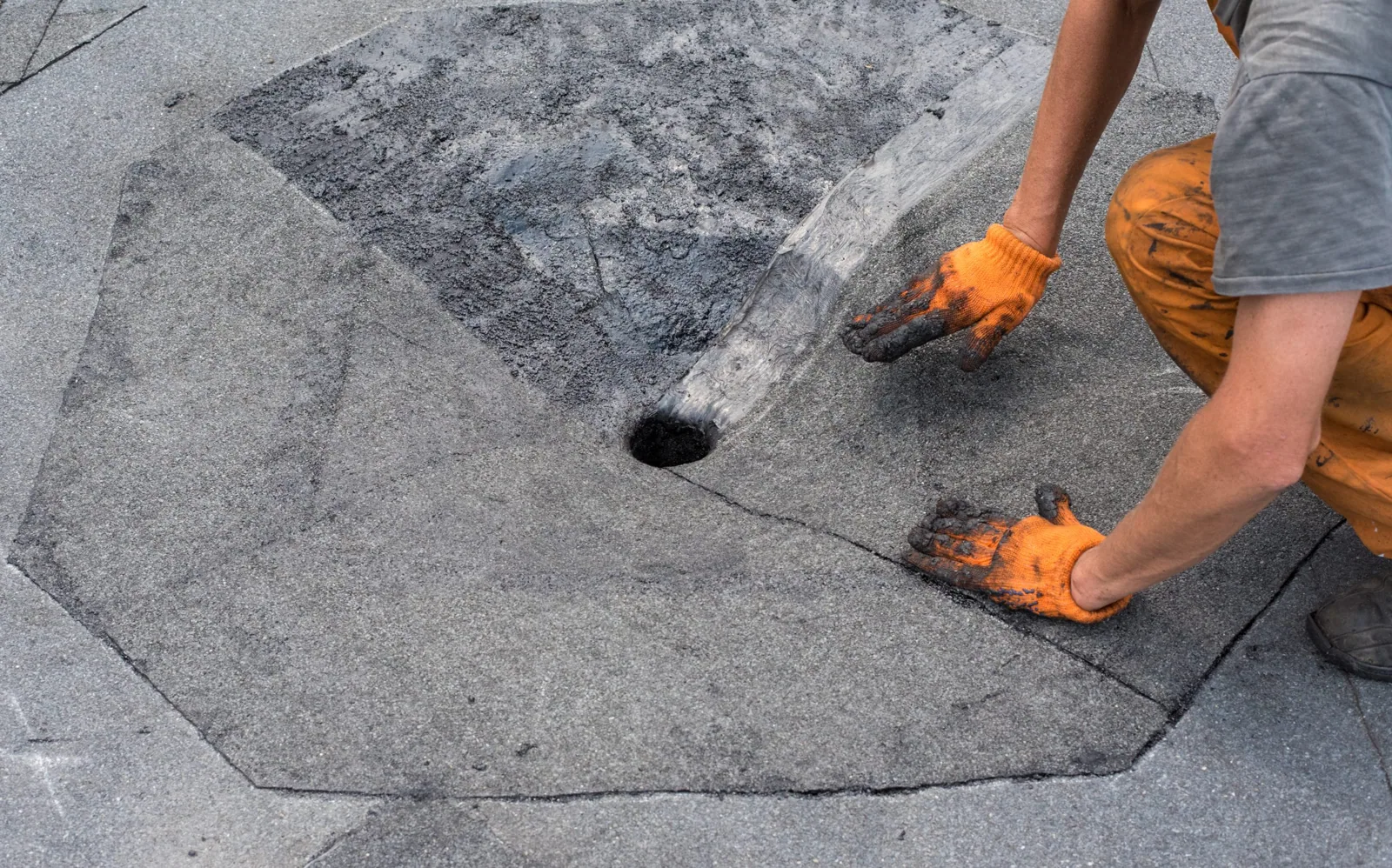
Roof drains are only half the system. A downspout that empties against a retaining wall or onto a walk causes ice in the freeze and erosion in the thaw. We extend or redirect discharge where needed. The cost of an extension is small next to the cost of an iced entry or a washed-out footing. The drain and scupper list for each building shows the outlet, the path and the fix.
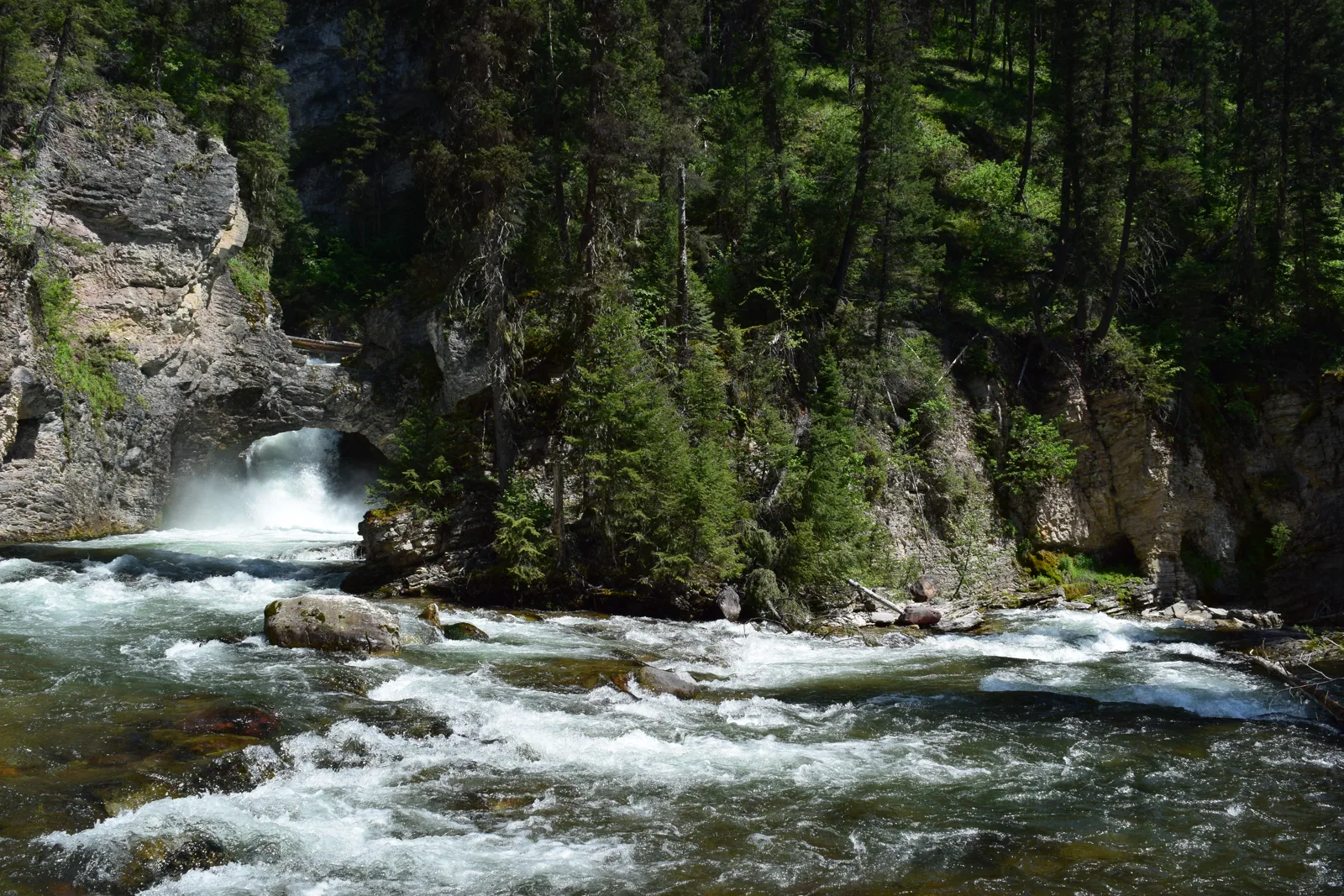
Thaw cycles make it matter. Freezing holds all day on about 45 days a year in Missoula, so a downspout that drains in July can freeze solid in January. Heat cable on the first section of a downspout, or a discharge moved to a sunnier side, keeps the path open.
Plan for Snow Sliding and Snow Drifting
A Missoula winter brings about 39.5 inches of snow, four months of ground cover and a 40 psf design ground load. On a sloped lot, snow that slides off a roof lands on the lot below, on a walk or against a neighbor's wall. Snow guards and a changed eave detail keep it where it belongs.
Flat roofs collect drifts behind parapets and against taller walls. We mark the drift zones on the plan and check deflection after heavy storms. Removal runs from the heaviest drifts toward the supports, with plastic tools that spare the membrane. The former Bonner mill roof that failed under snow in 2011 shows what a long span can do, so a building with a large flat roof gets a deflection check after a heavy storm.
Respect the Age of the Town's Buildings
Milltown began in 1886 beside a mill, and older commercial buildings may sit among newer ones. A roof of unknown age gets cores before any price is final. Each core reveals the layers, their thickness and any moisture, and a handful describe the whole roof. Records of earlier repairs are often missing, and the cores fill the gap.
Where a building has a distinctive edge or cornice, we photograph it before work and match the profile. The owner decides whether to keep it, and the schedule makes room for any approval that applies.
Records are the other gap in an older town. Earlier owners may have changed the roof without leaving a note. We assemble what exists, add the cores and the survey, and start a file that goes forward. The file lists the layers, the repairs and the dates, so the next owner begins with facts.
Choose the System and Check the Code
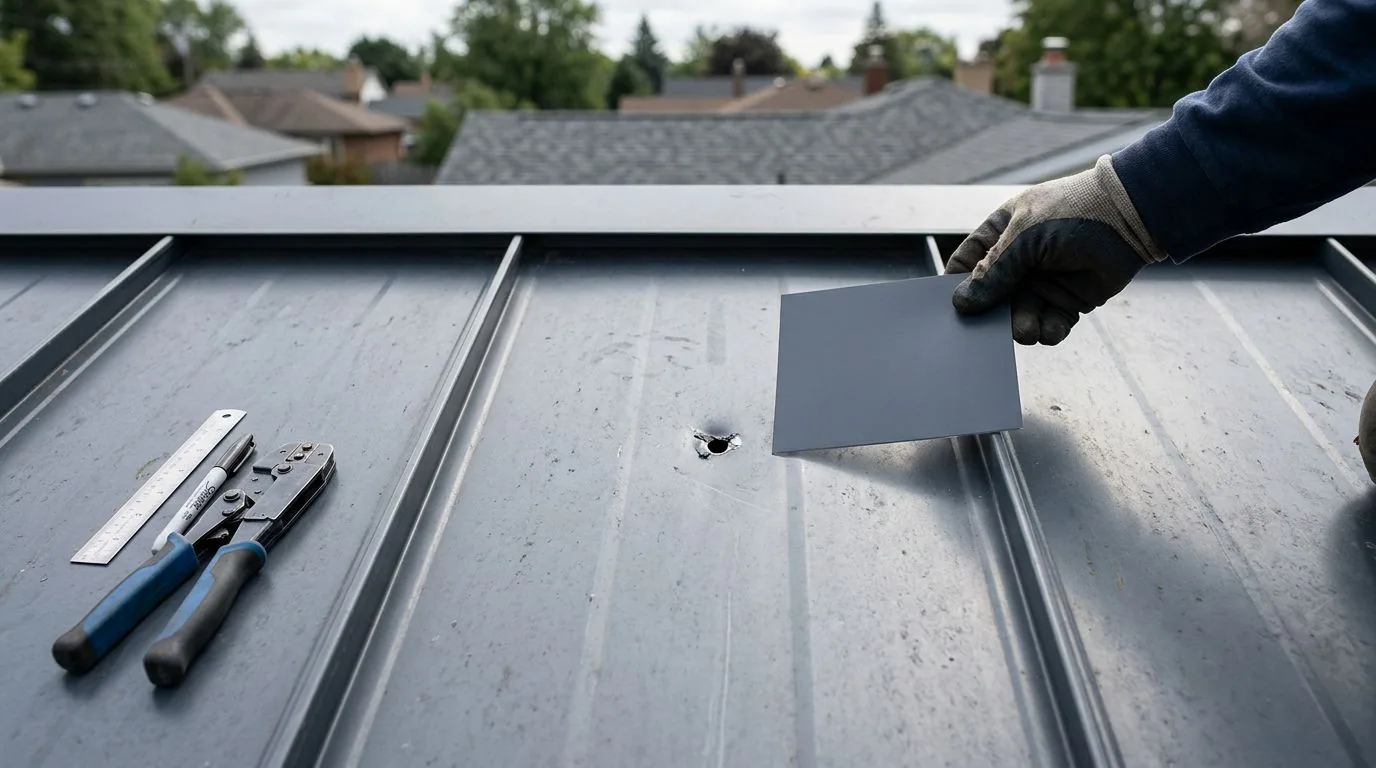
A standing seam metal roof suits a sloped building and sheds snow in a controlled way. A TPO roof suits a low-slope one. The 2021 IECC with Montana amendments, enforced since June 10, 2022, governs insulation on a replacement, and the building department confirms the path.
Insulation is priced on its own line, apart from the membrane, so the owner sees what the code adds. Cover board is priced as an option, since it resists hail and spreads foot traffic. The 2016 quarter-size hail that hit central and south Missoula came from the kind of cell that can cross any roof in the county. After any storm the roof is walked, the field pressed and dents on vents and units photographed with a date.
Share the I-90 Route and the Calendar
Milltown lies along I-90 and Montana Highway 200, and Piltzville sits about 7 miles east of Missoula on the same interstate. An owner with buildings in both can share the trip, and our East Missoula visits fall on the same road. We price the route, not the roof alone.
A maintenance program puts one visit before the freeze and one after the thaw, and the log records what was found, which shows an owner what the winter did. Owners can fold the building into a roof asset management record, which ranks roofs by risk and cost. Retaining walls and sloped parking on a hillside lot change where meltwater goes after it leaves the roof. We follow each downspout to its end and photograph where the water lands, since a discharge that works in July can undercut a slab or ice a stair in January. The note goes into the file beside the drain tally.
Related Roofing Pages
Send the Roof Plan and the Lot Details
Send the roof plan, a note on the grade of the lot and the street width, and we will walk the site and pick a crane position. The first sheet lists each finding with a photograph and a price.
Call 555-555-5555 or email [email protected].
Questions About Milltown
Can a crane work on a hillside lot?
Yes, with a level pad, cribbing and a clear swing. We survey the site first and choose the machine and the position to suit it, and we name a second position in case the first is blocked on the day.
How do I stop snow from sliding onto a neighbor?
Options are snow guards, a changed eave detail or a roof edge set back. The right choice follows the slope and where the snow lands, and we mark the choice on the plan before the order goes in.
What if I do not know how old my roof is?
Cut cores. A core shows each layer, its condition and any moisture, and it tells us the age of the oldest layer. Every cut is sealed that day and photographed.
Which system fits a Milltown building?
Slope picks the system: pitched roofs take metal that sheds snow, low-slope roofs take single-ply with a lower first cost, and both are priced.
When is the best time for roof work?
Late spring to early autumn, between the last thaw and the first hard freeze. Winter is for surveys and emergency protection, and a hill road can add a day to any winter call.