
Roof Warranty Management in Missoula, MT
Roof Warranty Management
A warranty claim is decided by the paper trail long before anyone climbs the roof. In Missoula, MT the trail has to survive winters of snow removal, thaw cycles and the repairs that follow, and every one of those events can put a warranty condition at risk if it is done out of order or left undocumented. We keep the warranty file current: the original terms, the installation records, each repair with its date and photographs, and the inspection visits the terms require. When a leak appears, the owner has a file to hand the manufacturer instead of a search through old emails.
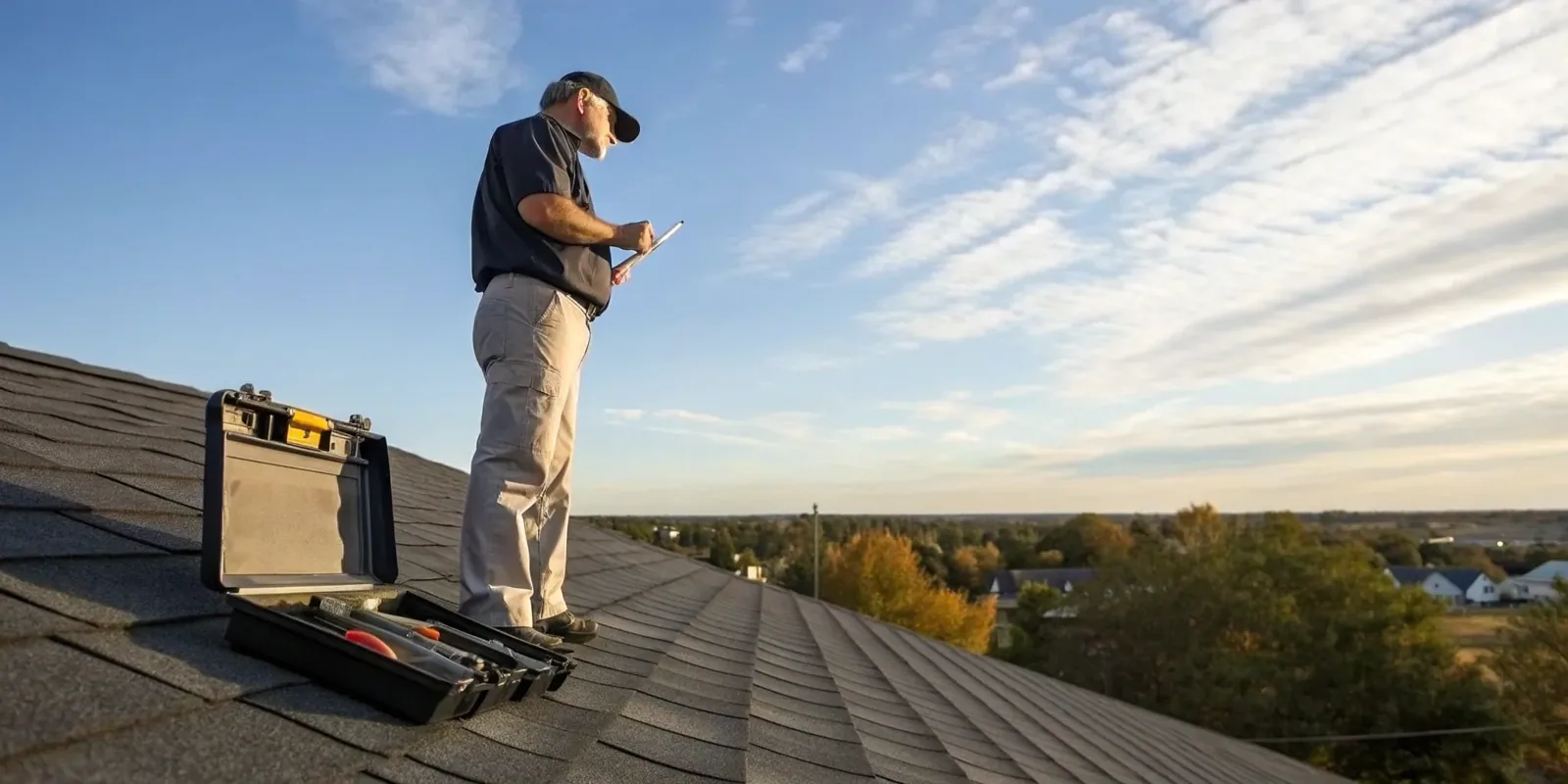
Read the Terms Before the First Winter
Warranty documents differ, and we do not summarize them from memory. We read the actual terms for each roof and list the conditions in a single table: who may repair the roof, which repairs must be reported, what maintenance the owner must perform and what events the warranty excludes. Most exclusions involve damage from other trades, ponding beyond a stated depth, unreported alterations and physical damage from foot traffic or ice removal.
The table goes into the warranty file and into the roof register. A facilities manager can then check, before a rooftop unit is replaced or a satellite dish is mounted, whether the work needs notice to the manufacturer. That check costs a phone call, and skipping it can cost a claim.
Control Snow Removal So It Does Not Void Anything
Missoula averages about 39.5 inches of snow a winter, and snow lies on the ground about 120 days a year. Owners sometimes clear a roof to relieve load, and a shovel or a metal blade can cut a membrane in seconds. Ice removal at drains carries the same risk. Many warranty documents treat that damage as the owner's responsibility, so the removal method is a warranty matter.
We write a snow plan for each roof: which areas may be cleared, with what tools, who does the work and how the damage is checked afterward. Where snow guards are installed, we note their locations. After any removal, we walk the area and photograph the membrane, so a later claim does not turn on a disagreement about what the roof looked like in March.
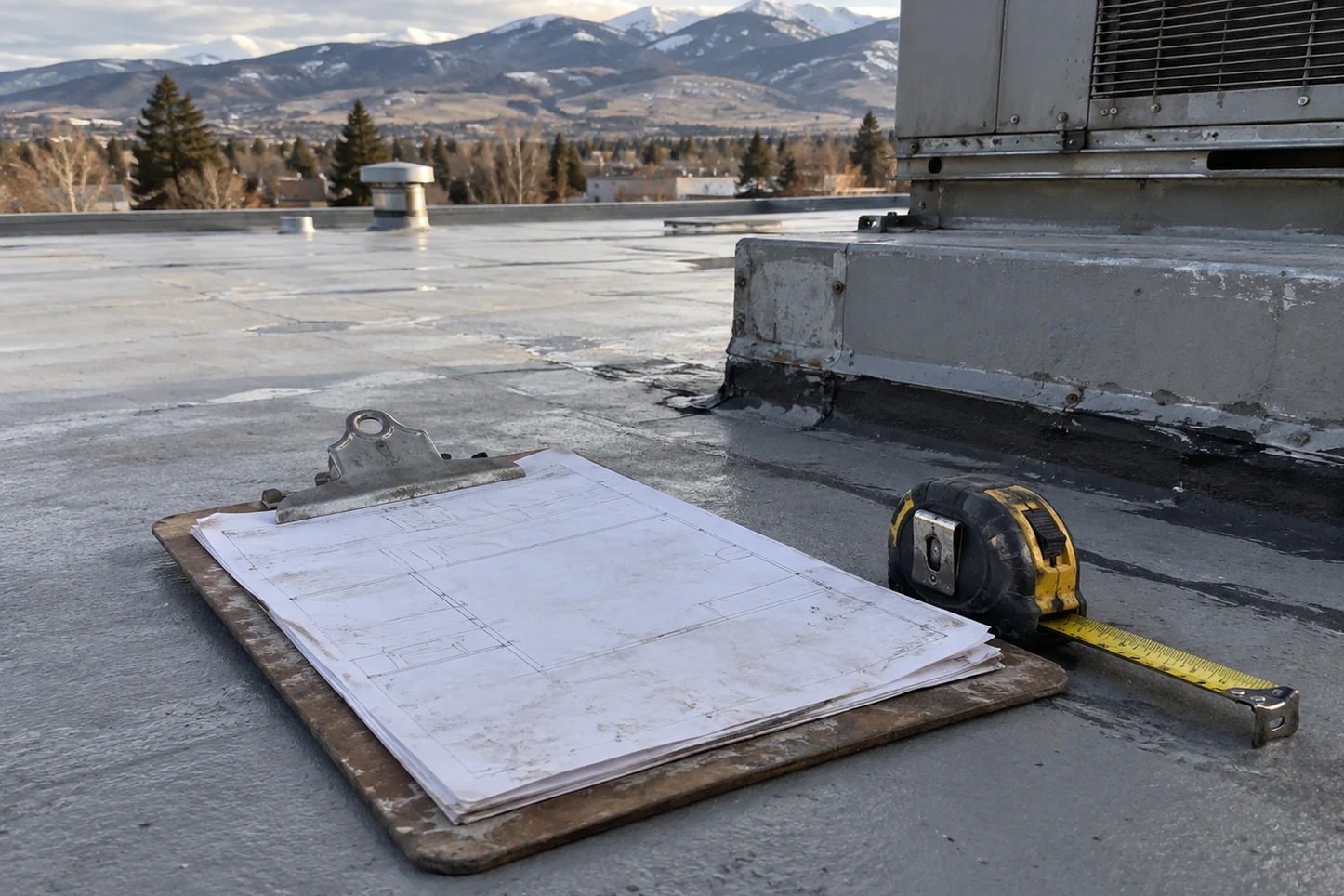
Document Every Repair at the Time It Happens
A repair that is not recorded cannot be defended. Each repair entry carries the date, the location marked on the roof plan, the cause as far as it is known, the materials used and before-and-after photographs. When the repair touches a warranted area, the entry also records whether the manufacturer was notified and what they replied.
We use the same format for the walk before the first freeze, the spring visit after the final thaw and any call after hail or wind. Quarter-size hail hit central and south Missoula in 2016, and a roof walked within days of an event like that has a clean timeline for any hail-related claim. The preventive maintenance visits supply the photographs.
Match the File to the System on the Roof
Each system has its own conditions. A TPO roof and an EPDM roof differ in how seams are repaired and how walkways are protected. A standing seam metal roof adds clip, trim and snow guard conditions. We pull the system's repair rules into the file so that a repair uses compatible materials and is stated in the manufacturer's terms.
Our role is to keep the owner's record complete and to carry out repairs that follow the written terms, while the manufacturer decides coverage under its own rules.
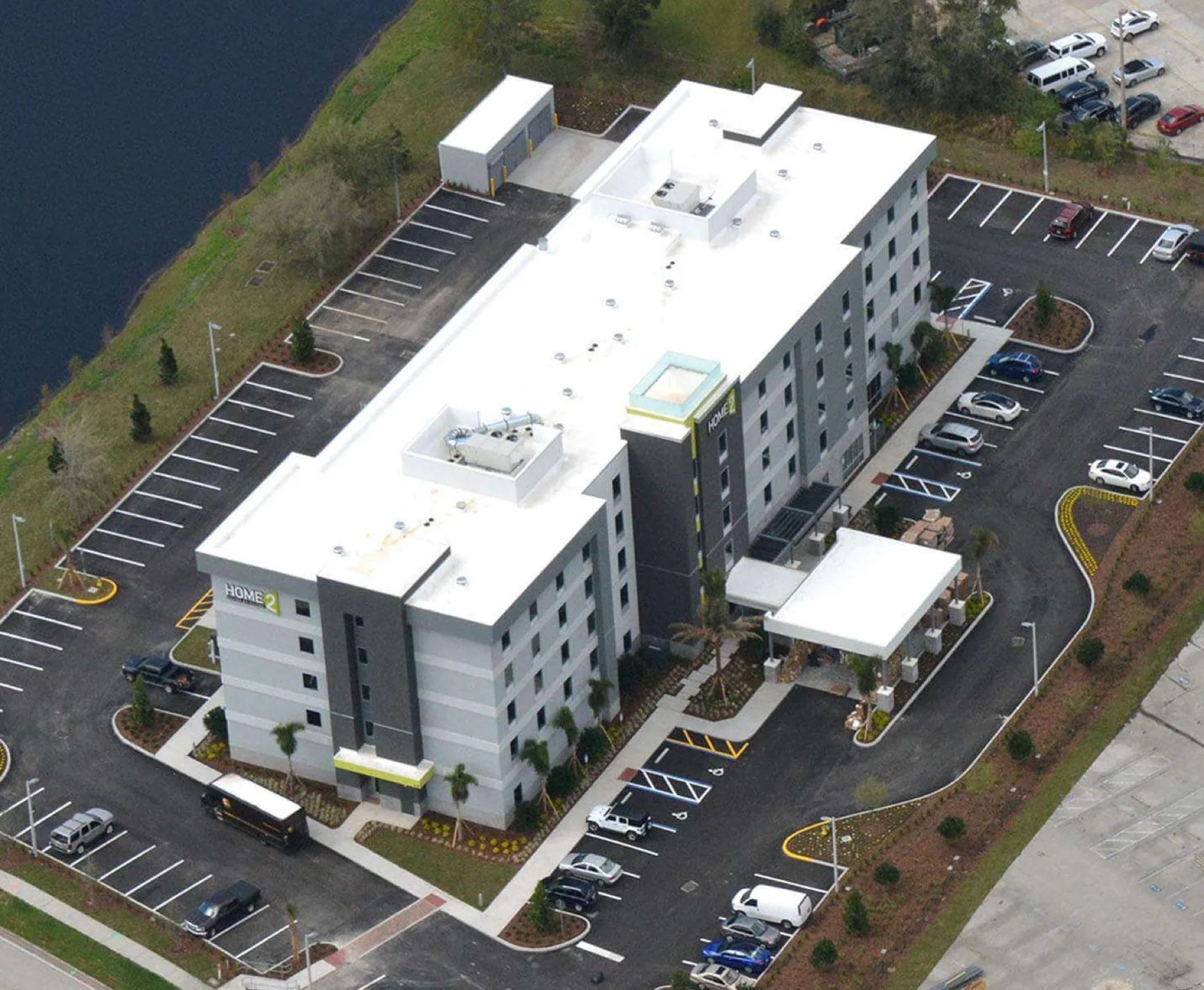
Multi-tenant roofs add a wrinkle. On a retail or hotel roof along North Reserve Street, several tenants may hire several trades, and each trade can touch the membrane. The warranty file lists who has roof access, which trades have been on the roof and when, and the walkway routes they use. A dated photograph after each trade visit shows the roof was handed back intact, and it keeps a dispute between trades from becoming a warranty dispute.
Prepare the File for a Sale or Refinance
Warranties often matter most when a building changes hands. A buyer wants to know what coverage remains, what conditions apply and whether the terms allow transfer. A lender wants the same. The file answers those questions in one place, with the roof's age, the repair history and the last inspection date.
For a transaction we pair the file with a due diligence roof survey and an updated roof condition report, so the buyer sees both the coverage and the real state of the roof. Gaps are listed plainly, because a gap found at closing costs less than one found at claim time.
Timing matters in a snow climate. A warranty inspection requested by a manufacturer has to fit a window when the roof is clear, which in Missoula means late spring through early fall. We keep a calendar of inspection dates, notice deadlines and expiry dates for every roof, with reminders set ahead of the first freeze. A deadline that falls in January is handled in October, because a roof under snow cannot be inspected on short notice, whether it sits near the Mullan Road park or beside Interstate 90. A calendar entry for each notice deadline sits beside the repair log, so a deadline that falls in the quiet weeks of winter is met with a form already drafted and a photograph already taken.
Related Roofing Pages
Send the Warranty Documents and the Repair History
Send the warranty documents, the installation records if you have them and the repair history, and we will build the condition table and the visit calendar before the first freeze.
Call 555-555-5555 or email [email protected].
Questions About Roof Warranty Management
Does a repair by a different contractor void the warranty?
Some warranties limit who may repair the roof and some require notice first. The written terms control, so we read them before any work is done. When the terms allow third-party repairs, the file still needs the date, photographs and materials. Where notice is required, we draft the notice for the owner to send.
What records does a claim usually need?
Typical claims look for the original terms, the installation records, the inspection and maintenance log, repair entries with photographs and proof the leak was reported promptly. We keep all of these in one folder per roof, so the owner can send the whole set the same day a leak call comes in. A claim that arrives with dates, photographs and a repair log is easier to review, and a reviewer has less reason to ask for more.
Can rooftop equipment be added during the warranty period?
It can, but the work often needs notice or approved flashing details. We review the terms, mark the new curb locations on the roof plan and photograph the finished flashings. If the manufacturer wants to inspect, we schedule it around the equipment contractor so the roof is not left open.
How does heat or hail affect coverage?
Terms vary, and many treat hail as a named exclusion. The June 30, 2021 record of 107 F and the 2016 hail event show why the file records weather. After an event, we walk the roof and record the damage, which supports an insurance claim even where the warranty does not respond.
What if the warranty has already expired?
The file still has value. It documents the roof's history for an insurer, a buyer or a lender, and it supports a repair-or-replace decision. We start the file at the first walk, record the age and condition and add each visit, so the record begins today even if the original paperwork is missing. Cores, photographs and the drain tally from that first walk give an insurer or buyer a baseline, and each later visit shows the roof's trend against it.