
Preventive Roof Maintenance in Missoula, MT
Preventive Roof Maintenance
A maintenance visit that happens in the wrong month fixes the wrong thing, and in Missoula, MT the order of the year decides what a visit can reach. Snow covers the ground about 120 days a year and the city averages 39.5 inches of snow a winter, so the roof is under cover or under load for a third of the calendar. A program has to place its visits before the first freeze and after the last thaw, with a short summer pass between them. We map the visits first, then price them, so the owner sees which weeks the crew is on the roof and which tenants are told in advance.
Walk the Roof Before the First Freeze
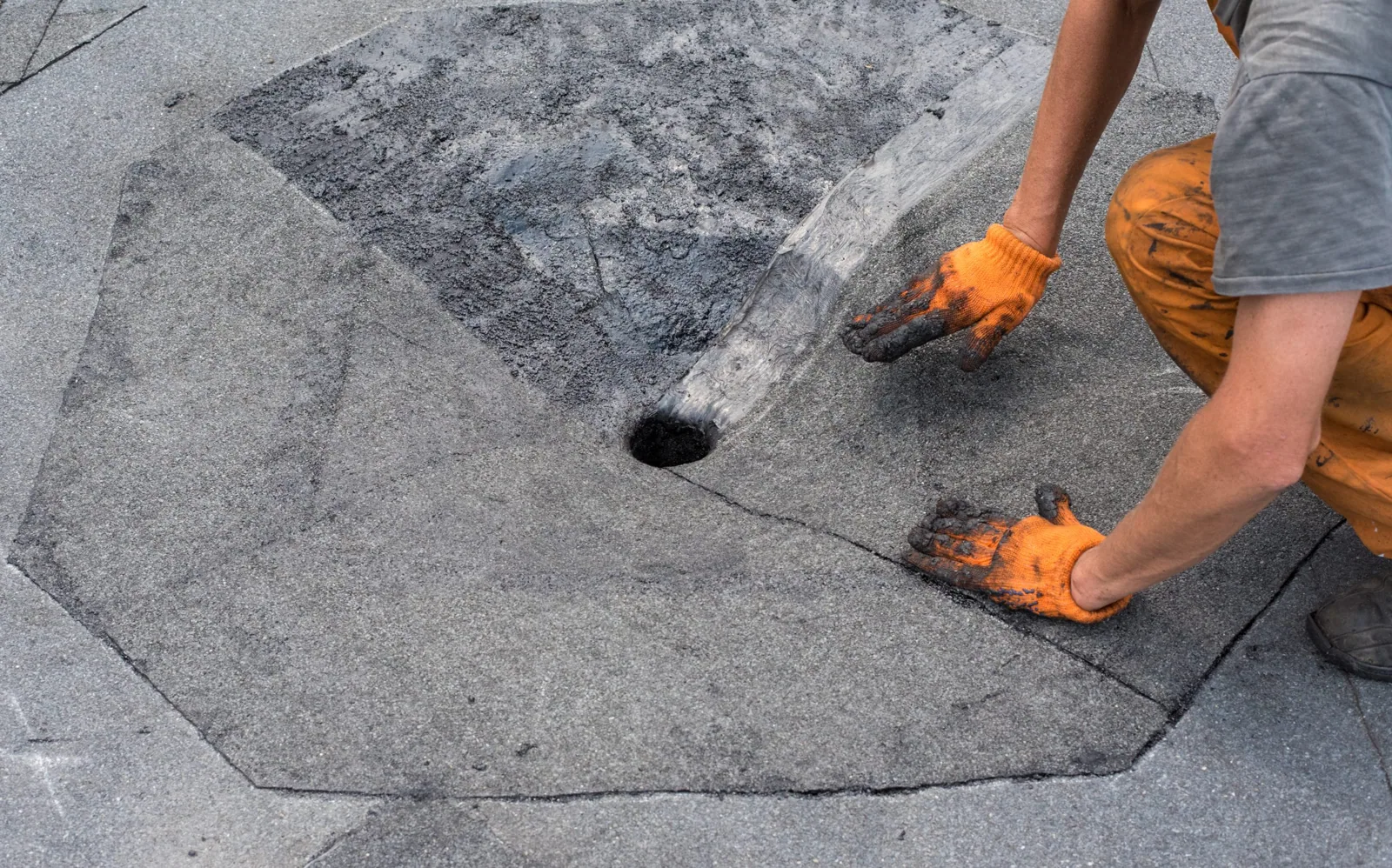
The autumn visit is the one that prevents the most damage. Drain sumps, scuppers and downspouts are cleared of leaves and grit, because a blocked outlet holds water that freezes in place and splits seams and fittings through the thaw cycles that follow. Loose sealant at flashings is cut out and replaced while temperatures still allow it to cure.
Fasteners and edge metal get a hand check along the perimeter. Missoula's design wind speed is 102 mph, and an edge that has worked loose over the summer is the first place a winter gust takes hold. The visit ends with a punch list the owner can sign.
Roof drains get a flow test as well as a visual check. We pour water into each sump and time how fast it clears. A slow drain that looks clean usually has a partial blockage in the line below, and it goes on the list for a camera or a snake before the freeze, since a line that backs up in January cannot be cleared until spring.
Clear Snow Loads Only Where the Plan Says
Snow removal on a flat roof is not a routine task, and it can do more harm than the snow. The state table sets 40 psf as the ground snow load here, and every roof load starts from that number. Drifts form against parapets and rooftop units, so the heavy spots are rarely the middle of the field.
We mark the drift zones on the roof plan and set the removal order, working from the heaviest areas toward the supports. Shovels with plastic blades stay off the membrane. The 2011 collapse of much of the Bonner mill roof under heavy snow is a reminder of what an unwatched load can do.
Inspect After Each Thaw Cycle
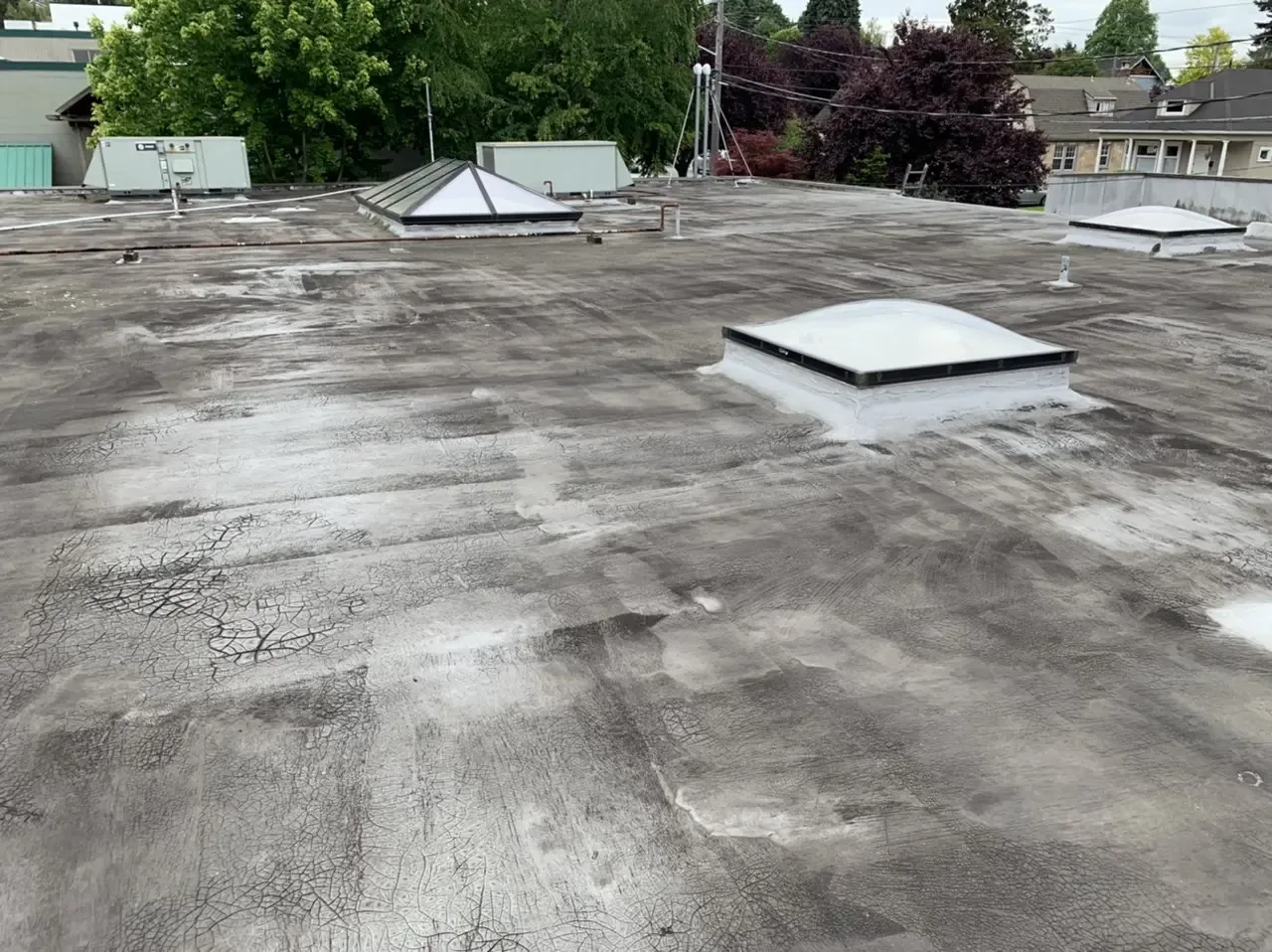
Thaw cycles decide what fails first. Roughly 45 days a year stay below freezing from dawn to dusk, and summer days swing more than 30 F, so seams and flashings flex over and over. After a thaw, we check the places where meltwater lingers: crickets, drains, penetrations and the base of parapets.
Ponding that stays after a thaw means the drain is slow or the deck has deflected. Either one gets a line on the punch list, with a photograph and a location. Repeating the check after each cycle gives the owner a dated record of how the roof is aging.
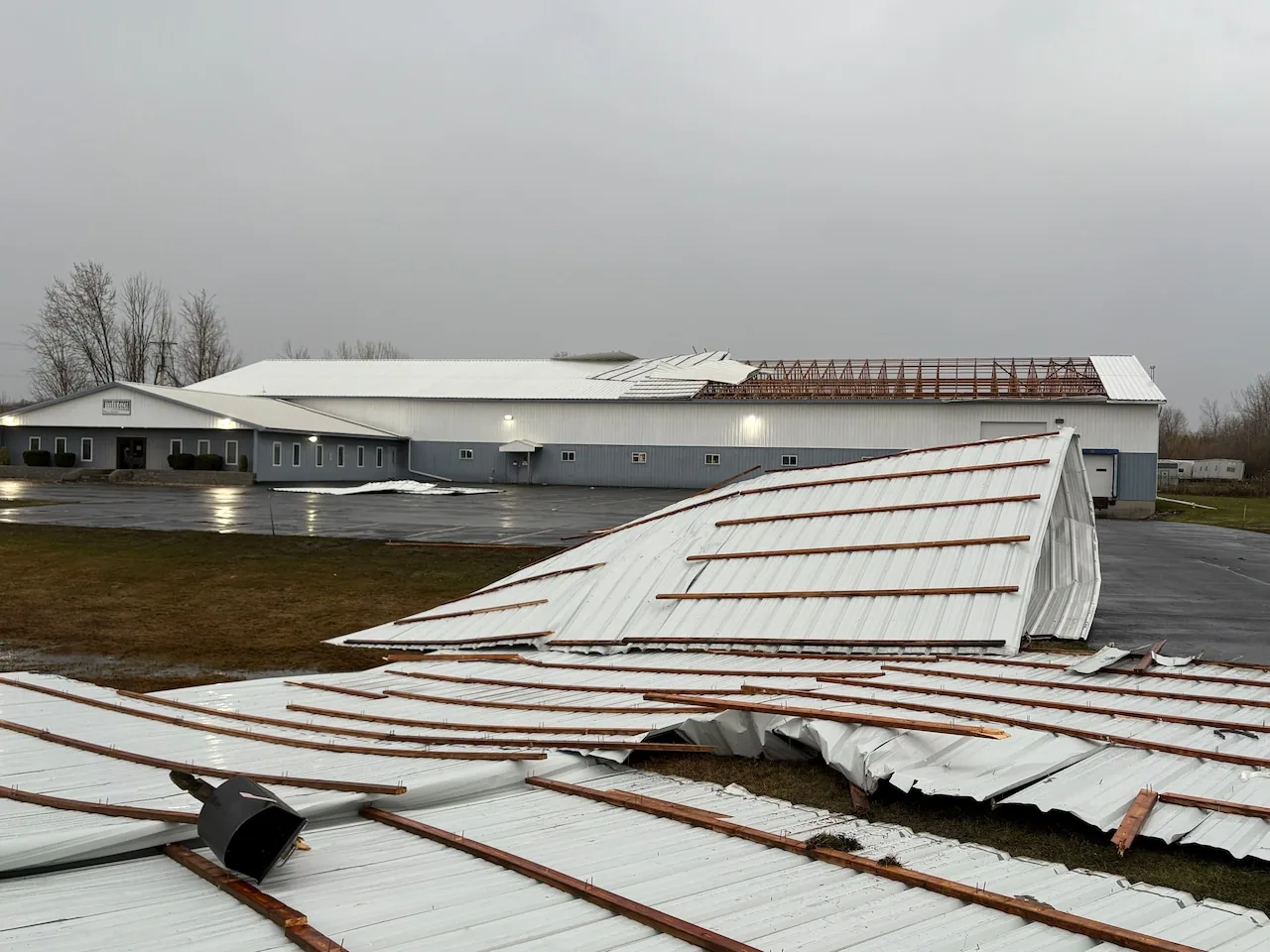
Hail adds a second kind of visit. A 2016 storm dropped quarter-size hail and about half an inch of rain in 20 minutes on central and south Missoula and overwhelmed storm drains. After a storm like that, the program calls for a walk within days, with a photo set of dents, punctures and overflowed drains, so that any storm damage repair starts from evidence.
Coordinate Visits With Tenant Access
Most maintenance can be done without disturbing a tenant, but access still has to be planned. Roof hatches, ladders and mechanical rooms sit inside the building, and a visit at the wrong hour interrupts a retail floor or a clinic. We agree on the staging area, the route to the roof and the hours when the crew can pass through.
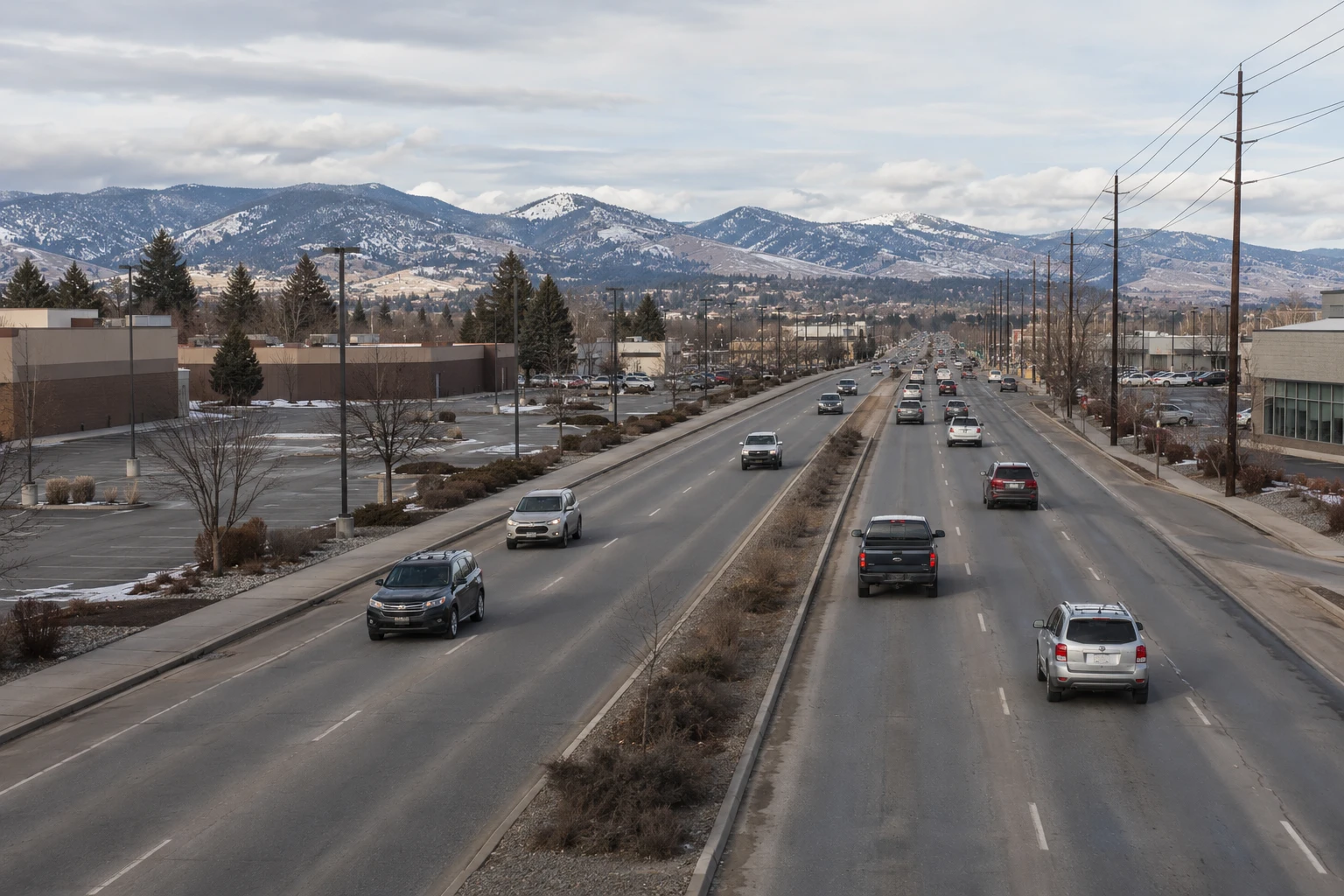
Retail on North Reserve Street, where more than 30,000 vehicles a day pass, needs visits outside the busiest hours. A reroof with tenants in place uses the same access plan, scaled up, so a maintenance program also rehearses the larger project. Summer heat matters too: Missoula reached 107 F on June 30, 2021, and about 24 days a year reach 90 F or higher, so dark membranes run hot and sealants soften. Visits on those days start early and finish before the roof surface peaks.
Document Every Visit for the Warranty File
A manufacturer warranty usually requires proof of upkeep, and an insurer asks for the same record after a loss. Each visit produces a dated photo set, a drain tally, a list of repairs made and a list of repairs deferred. The file builds over the years into the history of the roof. A buyer, a lender or a new property manager can read it in one sitting and see what was done and what is coming.
That history supports a decision about coating restoration or replacement, because the owner can see how fast the roof is changing. It also makes a claim simpler to document, since the condition before the loss is already on paper.
Match the Program to the Building
A program for the University of Montana campus, with 64 buildings on 220 acres, looks different from one for a single retail building. Large owners need a rotating schedule that visits every roof twice a year and sends the worst reports to the top. A single owner may need two visits and a post-storm call.
Hospitals add access rules and infection control that shape the hours, and the city's largest employers include St. Patrick Hospital and Community Medical Center. In each case the first step is a baseline survey. A roof condition report sets the starting point against which later visits are measured.
Related Roofing Pages
Send the Roof Plan and the Access Rules
Send the roof plan, the last inspection report and the hours when the building can be entered, and we will map a visit calendar before the first freeze. You will see which weeks the crew is on the roof and which entrances stay open.
Call 555-555-5555 or email [email protected].
Questions About Preventive Roof Maintenance
How many visits a year does a Missoula roof need?
Two visits cover most roofs: one before the first freeze and one after the final thaw, which usually falls in spring. Add a call after any hail or high-wind event, since both leave damage that is easy to miss from the ground. Roofs with known drainage problems or heavy equipment may need a mid-summer pass as well.
What decides whether a visit includes snow removal?
Snow removal is scheduled only where the plan shows heavy drifts. If the plan shows heavy drifts against a parapet or a unit and the building is near its design load, removal is scheduled. Otherwise the snow stays, and the crew monitors it.
Does maintenance change the manufacturer warranty?
Regular upkeep usually supports the warranty, since most manufacturers require proof of care. The work must follow the manufacturer's repair details, and a dated record of each visit proves it did. We follow the written details and keep the photo record.
When is a visit too late to help?
A visit after a hard freeze cannot cure sealants or weld seams. Temperature sets the limit: most sealants and adhesives need mild, dry conditions. After the freeze, we limit work to temporary protection until the weather allows permanent repair, and we mark each temporary fix on the plan so it is not forgotten in spring.
What does a program cost compared with repairs?
Cost scales with roof size, equipment count and visit frequency. Deferral drives it: a drain cleared in autumn costs little, while a seam split by frozen ponding costs far more. The punch list prices each item so you can compare the cost of a visit with the cost of the failure it prevents, and the deferred items carry a recommended date.