
Commercial Roofing in Turah, MT
Turah
How the material gets there, and how long the crew can stay on the roof before the weather turns, is the first question on a Turah roof. Turah sits in the Clark Fork valley at I-90 Exit 113, about 9 miles from Missoula, MT, so a crane and a load of membrane can arrive in a single morning. That short haul lets us build the job in order: drains first, then the perimeter, then the field, with dry-in finished each day. We repair, recover and replace low-slope and metal commercial roofs for small buildings in the valley, and we write the order of work down before anything is ordered.
Plan the Haul and the Crane Pick
Nine miles of interstate is a short drive, but the part that matters is the last few hundred feet. We look at the approach, the turning room and the ground where the crane will stand. Soft shoulders in spring can stop a heavy truck, and a pick that cannot reach the far corner of the roof forces a second setup. We settle these points on a first walk, not on the morning of delivery.
Once the pick is mapped, we decide how much material comes at once. A small roof usually takes a single delivery, staged on the owner's ground, with insulation sealed under tarps until the hoist starts. That keeps the laydown yard small and the crew focused on the roof and not on the pallets.
Read the Roof for What the Valley Winter Left Behind
A winter in the Missoula area leaves a recognizable pattern: ice built up at the eaves, meltwater held in low spots, and fasteners that have worked loose where the deck flexed. Snow at the Missoula reference averages about 39.5 inches a winter, lies for about four months and is designed for at 40 psf on the ground, so structure and drainage both carry a real load.
We walk the roof after the thaw and mark where water stood, where seams have lifted and where flashing has pulled away from a wall. Then we test the suspect areas for trapped moisture with a moisture meter, and on larger roofs with an infrared scan flown at dusk when the surface has cooled. A roof that looks fine from the ground can still hold saturated insulation under a dry surface, and finding it before the crew opens the roof avoids a change in scope halfway through. Saturated insulation that stays under a new membrane keeps corroding the fasteners below it, so we cut it out and replace it in the same visit. The written findings give the owner a clear split between what must be done this season and what can wait a year.
Pick a System That Suits a Small Footprint
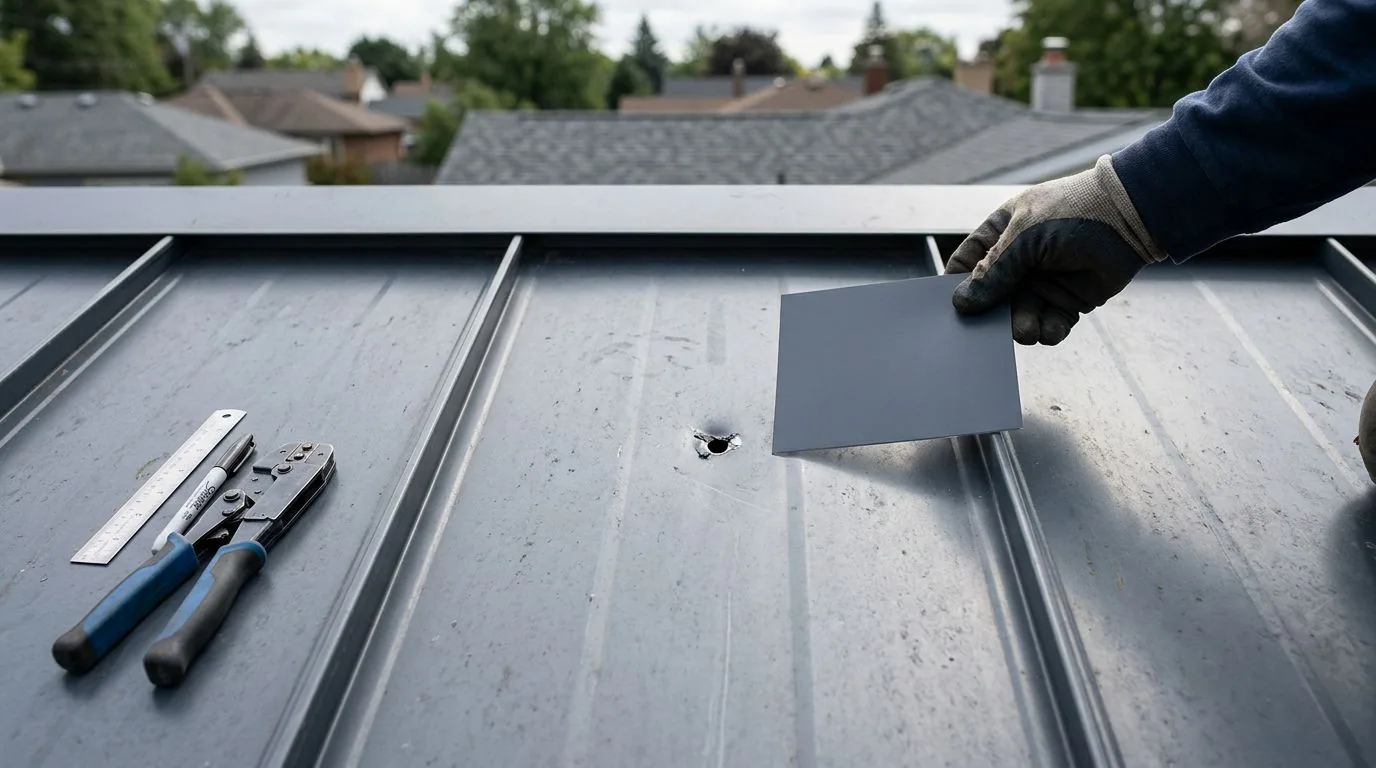
Smaller commercial roofs reward simple systems. A single-ply membrane such as TPO or PVC goes down quickly, welds at the seams and handles a roof with a few penetrations. A standing seam metal panel sheds snow and suits a steeper pitch, though it needs snow guards over any entrance or walkway. Modified bitumen is a sound choice where foot traffic and tool drops are common.
We choose by how the building is used, where the snow will slide and how the drains are laid out, not by habit. The owner sees the options side by side with the work window each one needs. A welded TPO roofing system and a standing seam metal roofing panel are the two choices that come up most often for small valley buildings, and each has a different price curve once the snow guards and trim are counted.
Control Water Before It Controls the Schedule
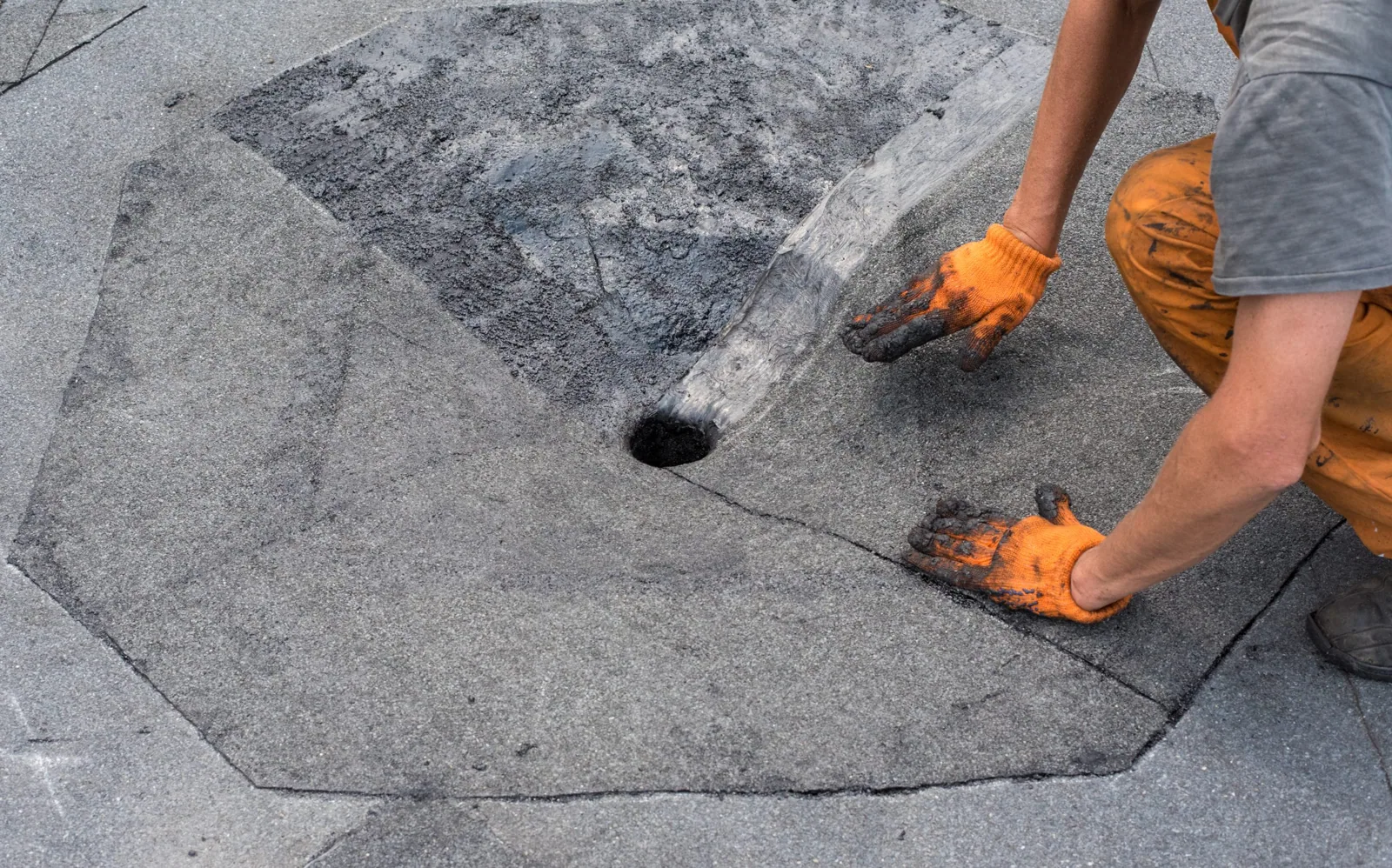
Drains, scuppers and gutters decide whether a thaw is a nuisance or a leak. When a drain sump clogs, meltwater backs up behind the new membrane before it has cured, and the first weld is the one that fails. We clear and test the drainage path before we touch the field, and we add a temporary tie-in at the end of every work day so water cannot run under the open edge.
If the roof needs better slope, tapered insulation corrects it during replacement. If a full replacement is not warranted, a repair at the low point and a new scupper can solve it. The tradeoff is cost against how long the fix lasts, and we lay both out. Our guidance on roof drains and scuppers covers the usual details.
Keep the Building Open While the Roof Changes
A small shop, office or storage building often cannot close for a week. We phase the tear-off so only the section we can dry in that day is open, and we leave the entrance and the loading door clear. Any rooftop unit that has to be disconnected is scheduled for the moment the crew reaches it, and not left off overnight.
If a tenant needs quiet hours, the loud work, such as fastener driving and tear-off, moves to the morning or the afternoon as asked. The plan lists these hours so the tenant and the crew read from the same sheet. When a delay pushes a day, we revise the sheet and send it again, so nobody finds out about a changed start time at the door. That coordination is part of occupied building reroofing, and it is written into every schedule.
Finish With Photos and a Maintenance Calendar
When the work is done, we walk the roof with the owner and record the result with photographs of every flashing, seam and drain. A punch list names anything left open and gives it a date. The owner keeps the report with the building records.
Then the roof goes on a two-visit calendar: one pass in autumn to clear debris from the drains before the first snow, and one in spring to look for freeze-thaw damage. Neighbors in the valley such as Clinton and Milltown keep to a similar calendar, since the weather is shared. A preventive maintenance program catches small defects while they are cheap, and a commercial roof inspection sets the baseline. If a storm or a failed drain gets ahead of the calendar, the same photographs let us see at once what changed since closeout, which shortens the repair visit and keeps the cost of that visit down.
Related Roofing Pages
Share the Roof Plan and the Approach
Send the roof plan, the occupancy schedule and a photo of the approach, and we will map the phases, the crane pick and the staging area before any material is ordered.
Call 555-555-5555 or email [email protected].
Questions About Turah
How long does it take to reach a roof in Turah from Missoula?
The drive is about 9 miles on I-90, so the travel itself is brief. The longer part is access: we need to confirm where the crane stands and where material is staged. With that settled, a first roof walk can be scheduled within days.
Which matters more for a small building, the membrane or the drainage?
Drainage comes first. A membrane that is welded perfectly still fails early when water pools on it through repeated freeze and thaw. We correct the drain path and slope, then choose the membrane to suit the building's use.
Is a metal roof a better fit for a valley location with heavy snow?
Metal sheds snow well, and a standing seam panel has no exposed fasteners on the field. It does need snow guards where sliding snow could reach a door or a vehicle. Single-ply suits flatter roofs and tighter budgets. The roof pitch and the entrance layout settle the question.
What can an owner do before winter to reduce leak risk?
Clear leaves and debris from drains and gutters, trim any limb that touches the roof, and note any ceiling stain for the walk-through. Those three actions give us the information we need and prevent meltwater from backing up at the first thaw.
Can a crane be used the same day the material arrives in Turah?
Usually, because the haul is short, but the pick is booked for a calm morning and the ground at the crane pad is checked first, since soft shoulders in spring can stop a heavy truck.