
Commercial Roofing in Alberton, MT
Alberton
A roof job 29 miles from Missoula is planned as a single day with everything on the truck, and Alberton, MT is where that discipline pays off. The town sits at I-90 Exit 75 with the Clark Fork River along its southern border, and the interstate is the route for crew, crane and material. We repair, recover and replace low-slope and metal commercial roofs, and we build the plan so one mobilization covers the pick, the tear-off of that day's section and the dry-in, with nothing left open when the crew drives home.
Load the Truck for a Complete Day
The drive to Alberton from Missoula is 29 miles on I-90, and a forgotten part means a lost half day. We prepare for it by walking the roof in advance, listing every flashing, curb, drain and penetration, and packing sealant, fasteners, membrane scraps and edge metal for the expected range of conditions.
We also bring temporary protection: sheet membrane, tape and tarps sized to the roof, so that if weather turns, the open area is covered quickly. A short roof gets a margin of extra material. A larger one gets a staged delivery with the second load timed for midday. The aim is simple: whatever the roof reveals, the crew can dry it in before leaving.
Tools matter as much as parts. A heat-welding machine for thermoplastic seams, a spare nozzle set, extra extension cords and a second generator are cheap compared with a lost day. We also confirm power and water on site, since a crew that needs to weld or clean a surface cannot do either without them, and we bring what the building cannot supply.
Pick the Crane Spot Before the Delivery Date
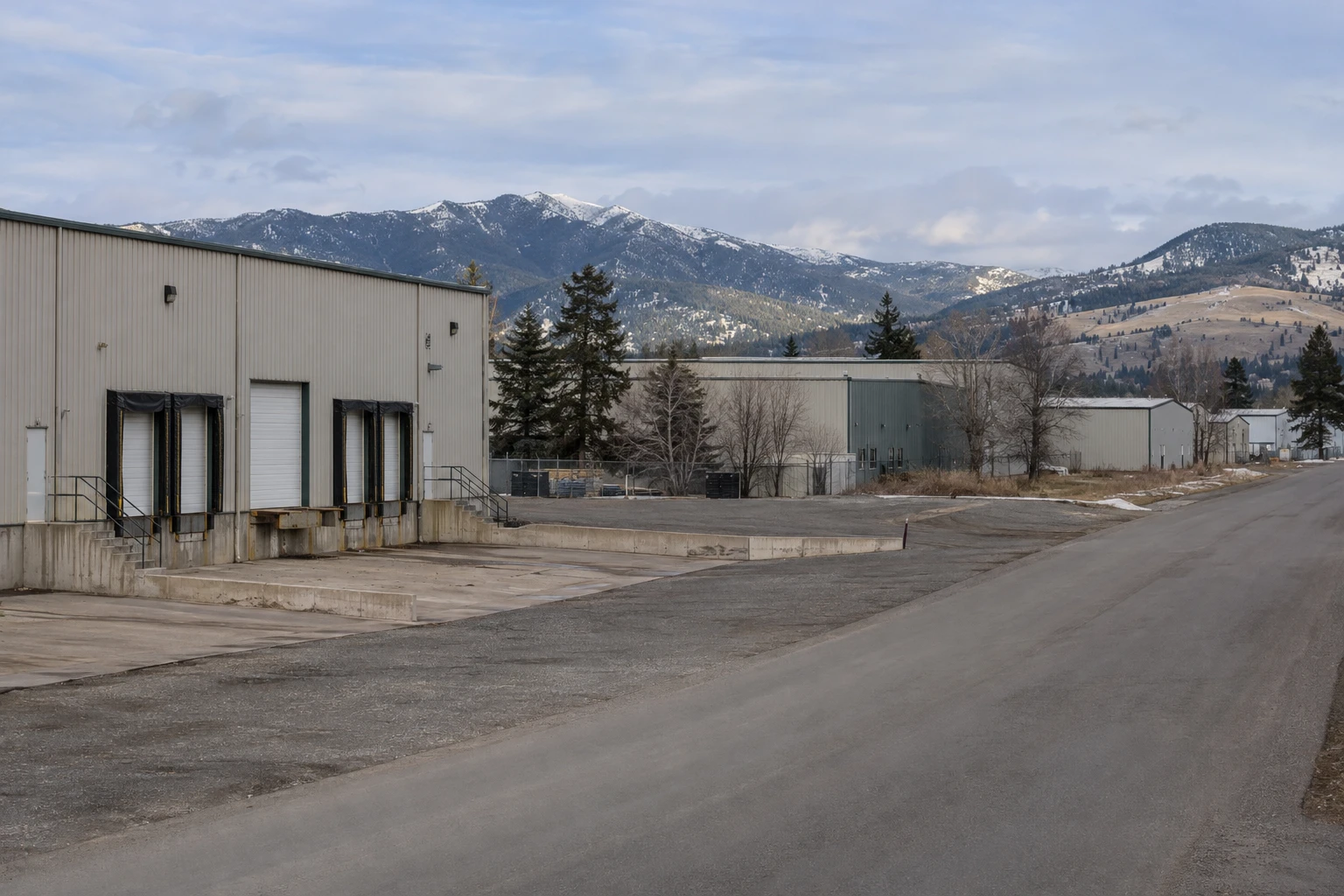
Exit 75 gives easy access from the interstate, but the last stretch to the building is what matters. We measure the approach, look for overhead lines and check the ground where the crane would stand. A soft shoulder or a tight turn changes the setup, and we want that answer before the truck is loaded.
Once the crane spot is fixed, we map the material hoist and the laydown yard on the owner's property. We keep them out of customer parking and away from the building's door. If a pick over the building is needed, the plan names the time, the path and who watches the ground, so nothing is improvised on the day.
Overhead lines get special attention. A crane boom needs clearance from any energized line, and a pole at the wrong corner can move the whole setup. If clearance is tight, we ask the utility for guidance in advance, and we shift the pick to a safer side of the building. A short call to the utility before the date is far cheaper than a crane standing idle at a rental hourly rate.
Look Hard at What the Thaw Cycles Did
Missoula, the nearest climate reference, sees about 45 days a year that never rise above freezing and about 120 days with snow on the ground. The repeated cycle of freezing and thawing works on every joint in a roof. Water enters a small gap in sealant, freezes and widens it, and the next thaw sends more water in.
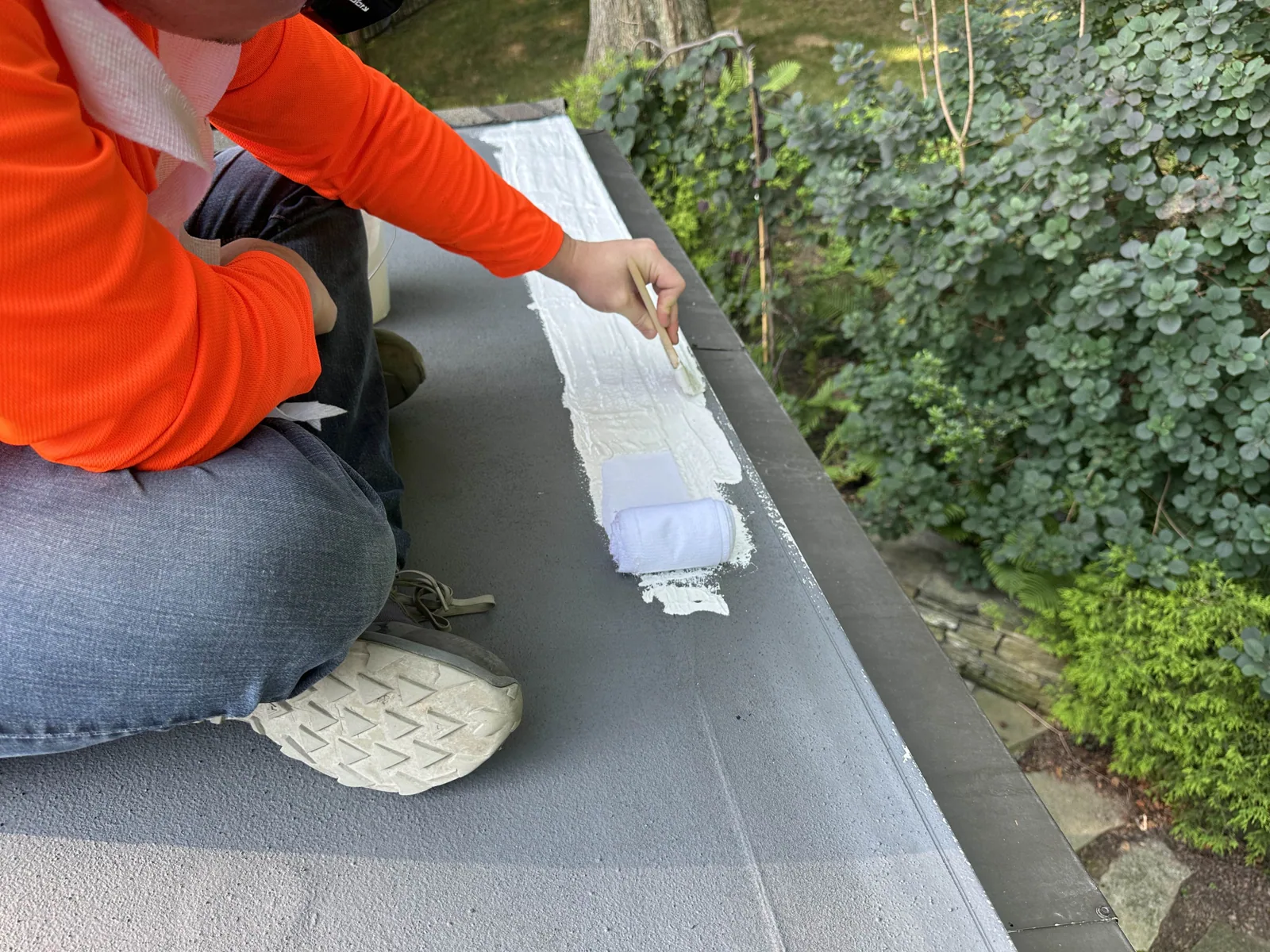
On the first walk we look at the laps of the membrane, the sealant at penetrations, the terminations at walls and the area around each drain. We press and probe each one. The goal is a ranked list: which details must be fixed this season, which can be watched, and which are sound. A commercial roof leak repair begins with that list, followed by the smallest repair that stops the leak at its source and not at the stain on the ceiling.
Where water has already entered, we check the insulation under the opening for moisture. Saturated insulation does not dry out under a membrane, and it will freeze and expand in winter, which opens the next seam. Cutting out a damp panel and replacing it is a modest job when found early, and a much larger one when the whole area has soaked through.
Retrofit Metal When the Old Roof Is Corrugated or Standing Seam
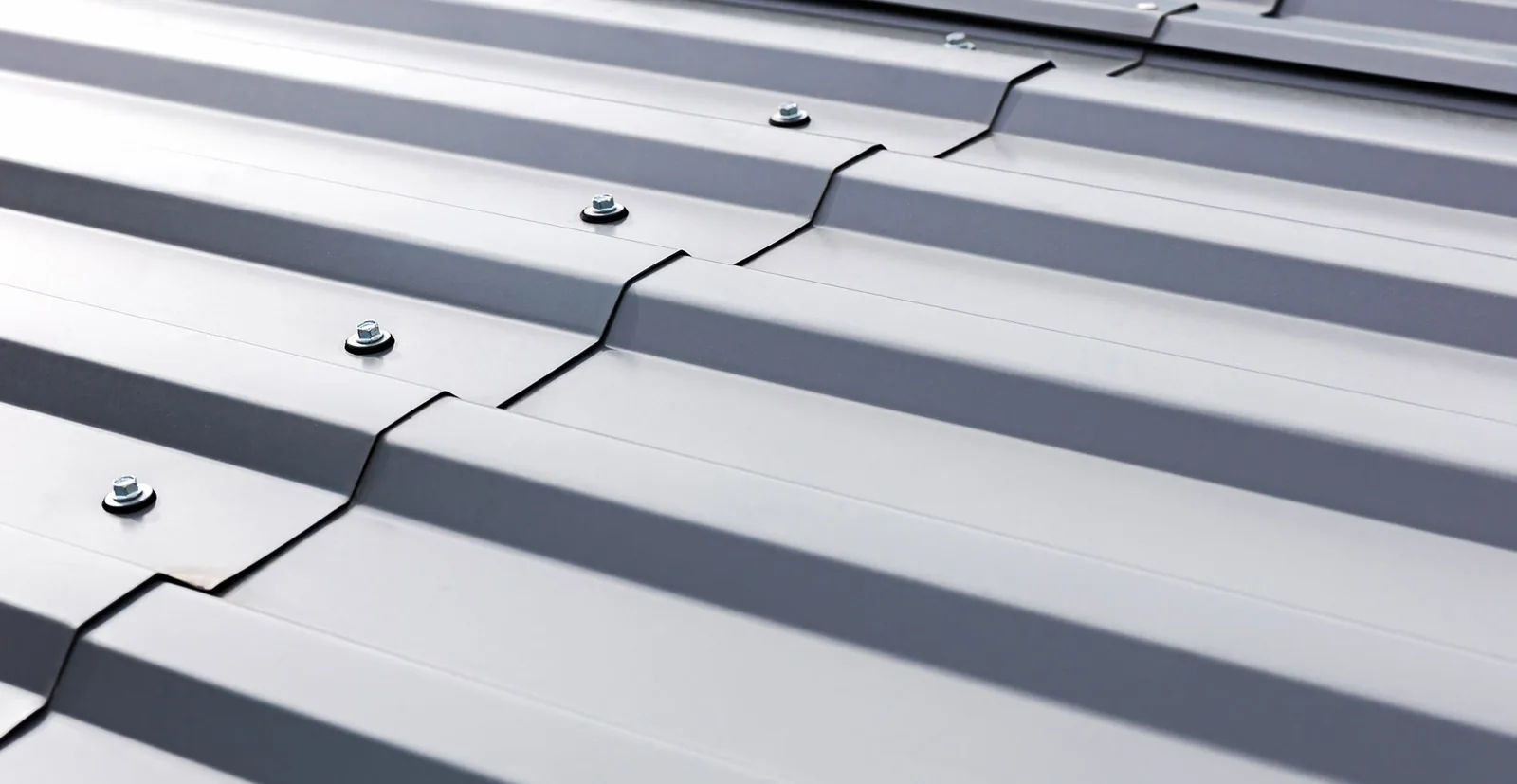
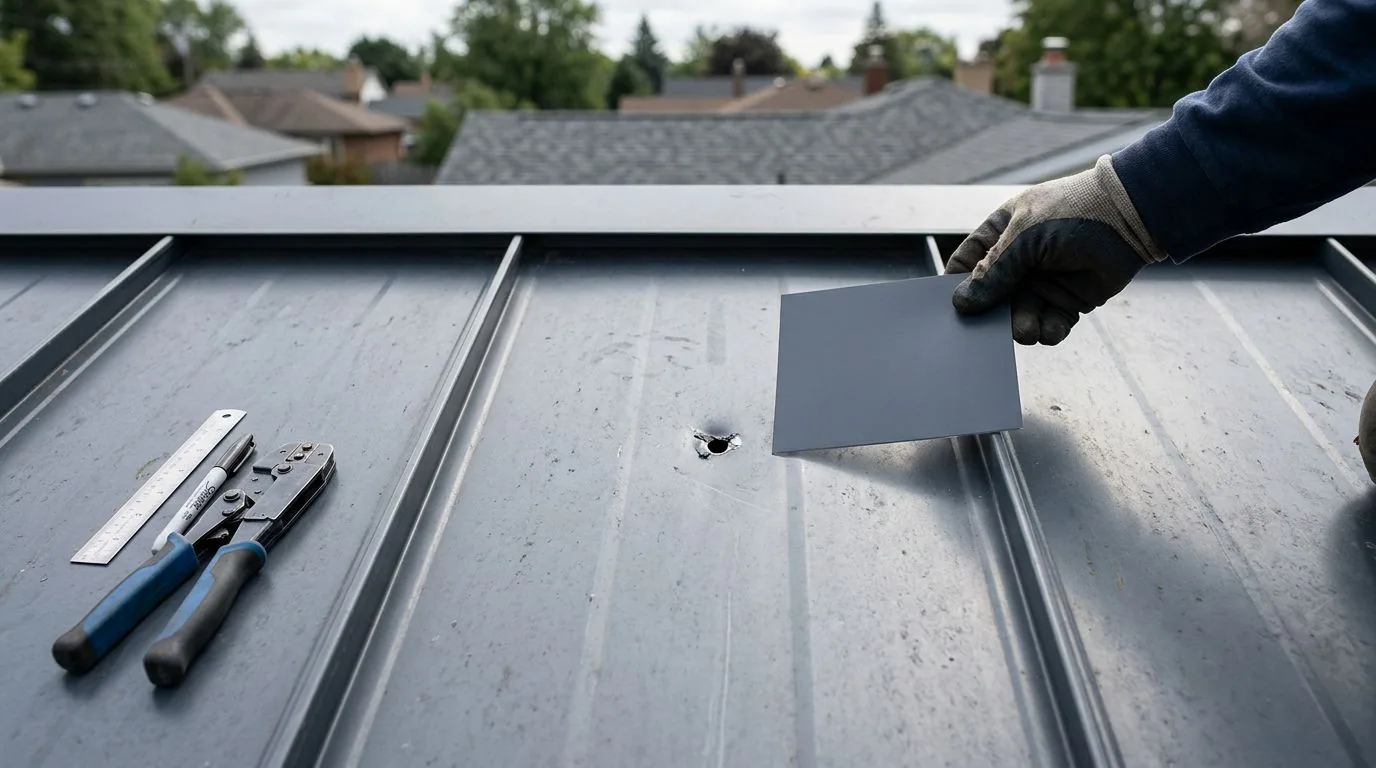
When an existing metal roof has rusted fasteners, loose panels or leaking laps but a sound structure, a retrofit can give it a new life. A new metal system goes over the old on purlins or a subframe, and it adds a clean surface, a new fastener pattern and a fresh drainage path.
The decision hangs on the framing. A retrofit adds weight, and snow adds more on top of that, so we confirm the structure can carry both under the 40 psf design load. We also check the building's insulation and ventilation, because trapped heat ages a new panel as fast as an old one. The details of metal roof retrofit and standing seam metal roofing are worked out on paper first, with panel profile, clip spacing and the snow guard layout shown on the roof plan before any material is ordered. Panels are cut to length in the shop or on site depending on the run, which affects the number of trips and the day count.
Coordinate Access With the Operating Building
Alberton's buildings, like any, run on their own schedules. We ask when doors open, when deliveries arrive and what equipment on the roof must keep running. The answers set the phases, the work hours and the shutoff windows for rooftop units.
During the work, we protect walkways, keep the entrance clear and mark the zone beneath the crane. At the end of each day, we sweep the deck, close the edge and send the owner a summary with photographs. That routine holds whether the job is a single bay or a large roof, and it is how we handle occupied building reroofing everywhere.
Close the Job and Set the Return Visits
When the roof is complete, we walk it with the owner, photograph all flashings, seams and drains, and write a punch list with dates. The report stays with the building records.
Because the trip is 29 miles, we schedule return visits in advance, usually one in autumn and one in spring, and we combine them with other work along the interstate. Nearby Huson and Frenchtown sit along the same I-90 route. A preventive maintenance program makes those visits routine, and a written roof condition report helps the owner plan the next repair.
Related Roofing Pages
Send the Roof Plan and the Approach Photos
Send the roof plan, photos of the approach and the occupancy schedule so the crane spot, the phasing and the staging area can be mapped before any material is ordered.
Call 555-555-5555 or email [email protected].
Questions About Alberton
How do you avoid leaving a roof open when the building is 29 miles away?
We open only the section that can be dried in that day, carry temporary protection sized to the roof and watch the forecast. If weather turns, the open area gets covered before the crew leaves, so the building is never exposed overnight.
What decides whether a metal retrofit is possible?
The structure decides. The framing must carry the added weight plus snow load under a 40 psf design value, and the old panels must be sound enough to support the new subframe. We check both on the first walk.
Can a delivery truck go straight from the interstate to the roof?
Exit 75 puts the truck on local roads close to town, but the approach to each building is walked first for turning room, soft shoulders and overhead lines, and the delivery time is fixed before the truck leaves Missoula.
How soon can a leak be stopped?
We dispatch day or night and aim first for a temporary dry-in. The visit includes a photographic record of the leak source, and the permanent repair is scheduled for the next workable weather window.
Can return visits be combined with other work nearby?
Yes. Maintenance visits at Alberton can be grouped with others along I-90, which lowers the travel cost per visit. We set the dates in advance and send the owner a short report after each one.