
Commercial Roofing in Huson, MT
Huson
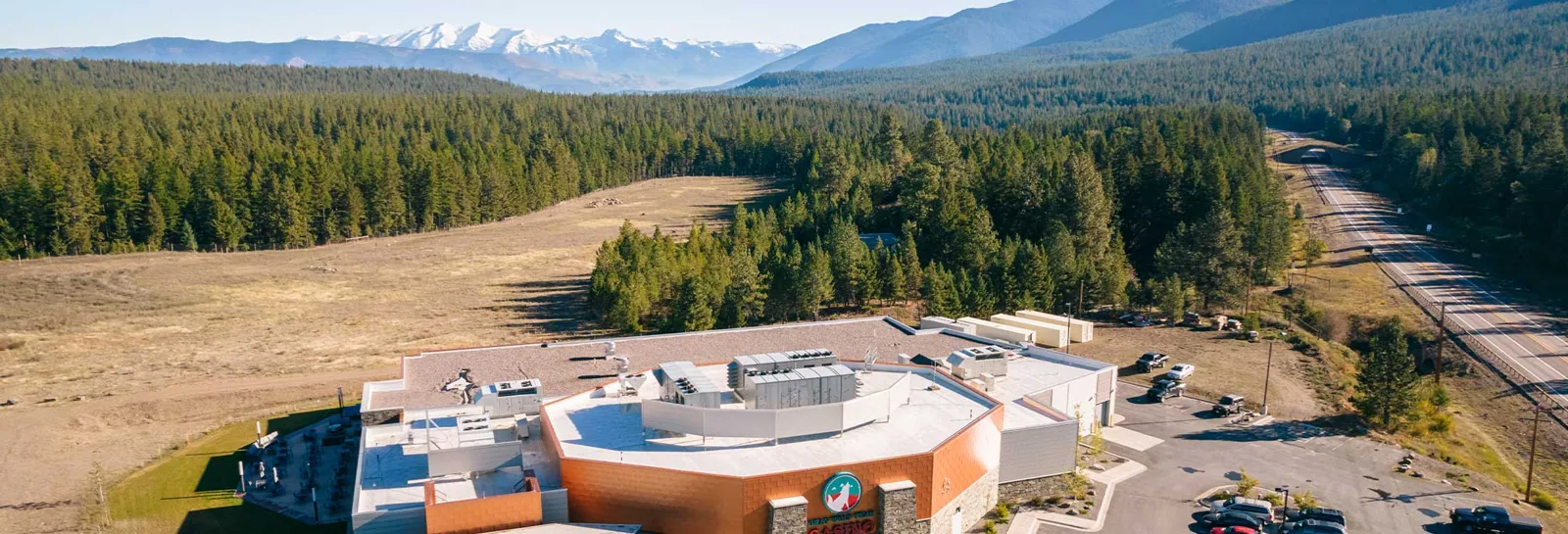
Before a crew leaves for Huson, MT, the material list has to be right, because a missing roll of flashing is a forty-mile round trip. The community sits in the Clark Fork valley at I-90 Exit 85, about 20 miles northwest of Missoula, and that distance shapes how we run a job here. We count every curb, drain and penetration on a first walk, load the truck against that count, and sequence the work so the roof is dried in by evening. We repair, coat, recover and replace low-slope and metal commercial roofs, and we put the order of work on paper before anything is ordered.
Count the Details Before the Truck Leaves
A small roof still has a long list of details: pipe boots, vent stacks, a rooftop unit curb, a scupper, two or three corners of edge metal. Each one is a place where water can enter, and each needs the right piece of material on hand. We make the list on the first walk and measure each detail, then pack the truck against it with a margin for surprises.
This habit matters more at a distance than in town. When a hidden defect shows up mid-tear-off, we can often cover it from the truck, and when we cannot, we dry in what is open and return the next morning with the part. Either way the roof is not left open overnight, and the tenant is not left to wonder when the work resumes.
Judge Heat and UV Along With Snow
Winter gets the attention in this part of Montana, but summer does its own damage. Heat counts here too: Missoula's record of 107 F fell on June 30, 2021, and summer swings pass 30 F. A membrane that sits in that heat all afternoon and then cools overnight works hard at every seam.
Ultraviolet exposure dries out old sealants and chalks the surface of aging coatings. We look for crazing at the flashing, for brittle caulk at the terminations and for a surface that rubs off on a gloved hand. Those are the signs of a roof that has used up its surface life even if it is not yet leaking, and they lead to a decision on restoration or replacement.
Restore the Surface When the Membrane Is Still Sound
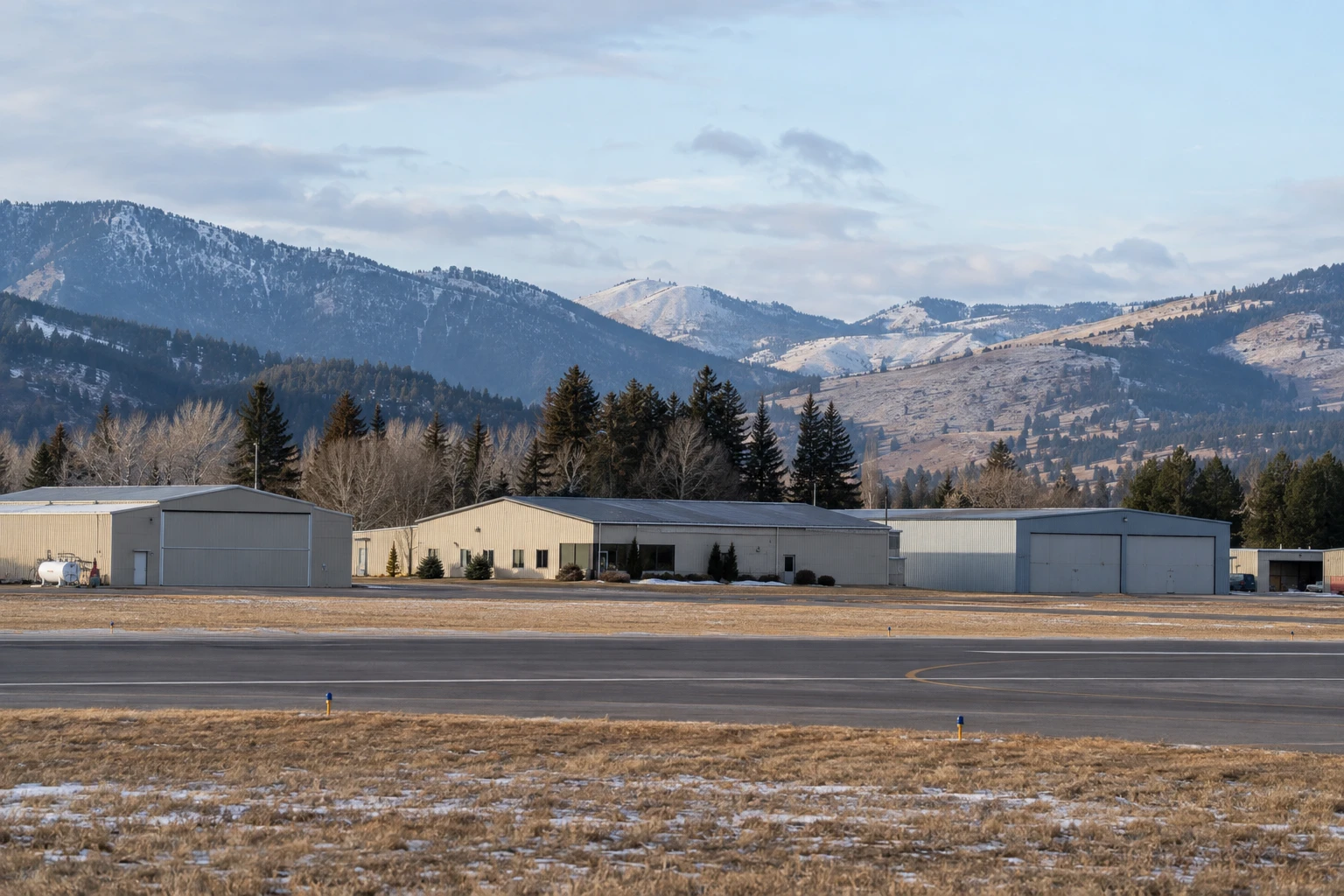
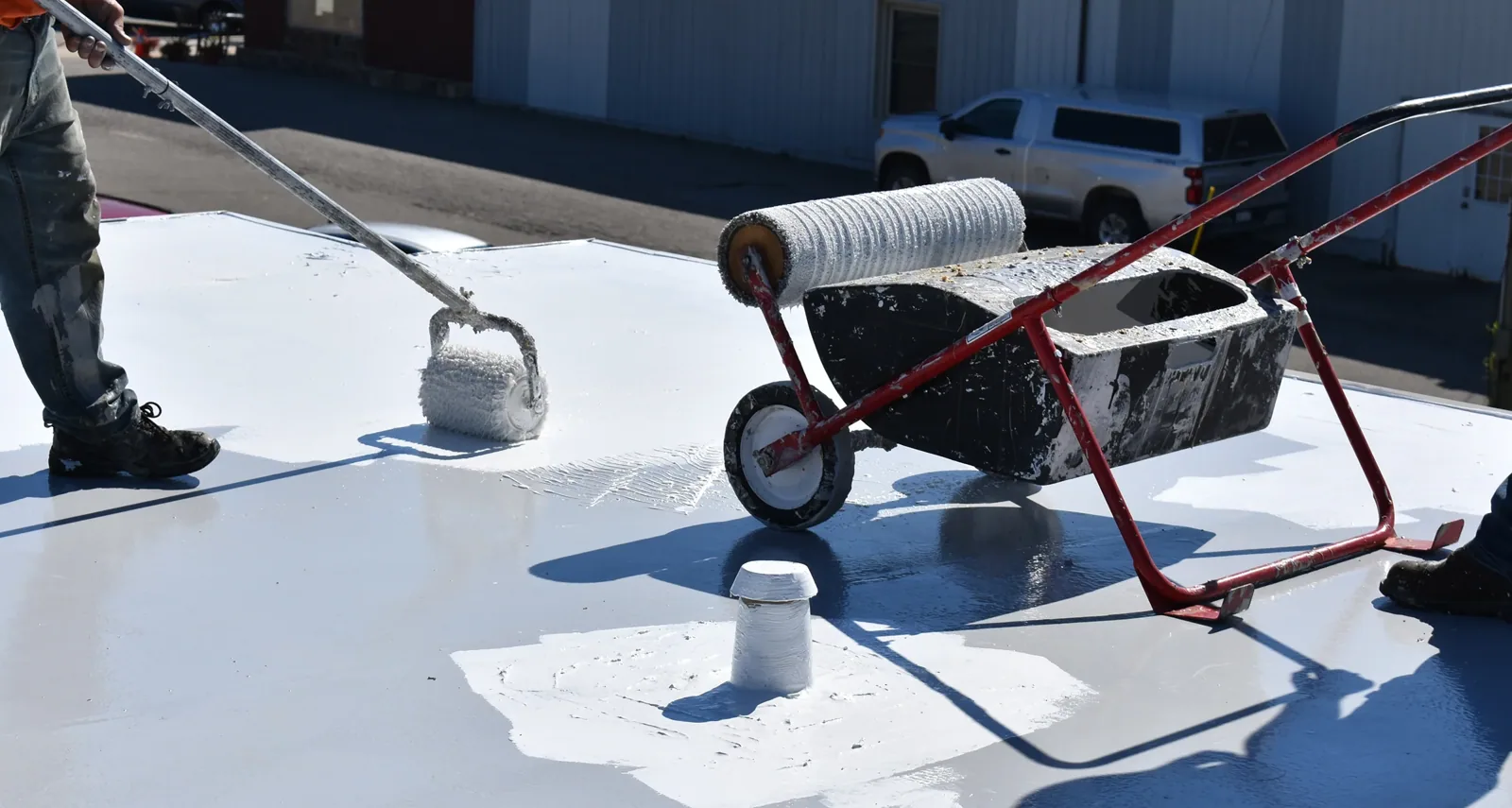
If the insulation tests dry and the seams are intact, a fluid-applied coating can add years to a roof for a fraction of what a tear-off costs. We clean the surface, repair the seams and flashings, prime where needed and apply the coating in coats that have time to cure. Silicone suits roofs that hold standing water, while an acrylic system suits a roof that drains cleanly.
The weather window decides the schedule, since coatings need dry surfaces and moderate temperatures to cure. A roof coating restoration using silicone roof coatings has tradeoffs of its own, such as dirt pickup and recoat timing, so the owner receives the numbers for coating against replacement before choosing either. We also check that the coating's required thickness can be reached on every detail, because a thin edge near a drain is where a restored roof starts to fail again.
Phase the Tear-Off When Replacement Is the Answer
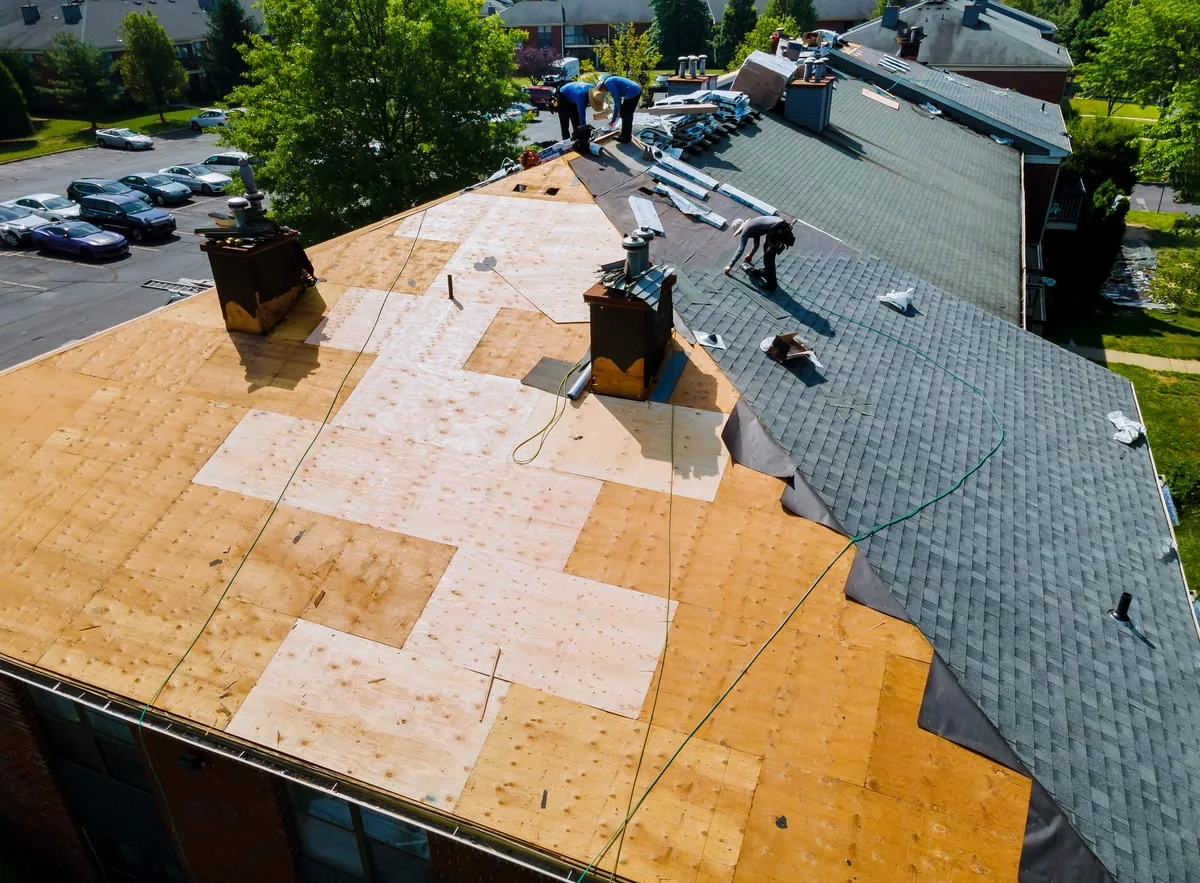
When insulation is wet across much of the roof, replacement is the sounder route. We open the roof in sections no bigger than the crew can close in a day, set the material hoist where it clears the entrance, and keep the laydown yard small. The dry-in sequence runs from the low drain edge up to the high point, so any shower on the afternoon of the work runs off the new membrane and not under it.
The new assembly may include tapered insulation to correct ponding and a cover board to protect the membrane from foot traffic. Those choices are made against the design snow load of 40 psf, so we check what the deck can carry before adding layers. That sequence is the core of any commercial roof replacement, and it is the reason a modest roof can be finished in a few working days instead of a few weeks. At the end of each day, the crew sweeps the deck, bags loose debris and checks that tie-ins are tight.
Keep Tenant Access Open Through the Job
A building along the valley may serve customers on a fixed schedule. We set up the work zone so the main door stays open, route foot traffic under a covered walkway when the roof edge is active, and put the dumpster where the haul truck does not cross the customer lot.
Noise-sensitive hours are written into the plan. We also coordinate the shutoff of any rooftop equipment so the tenant is not without heating or cooling longer than necessary. The same attention applies to a small office as to a larger shop, and it is the daily routine of occupied building reroofing. A one-page schedule goes to the tenant before the crew arrives, and it lists the start time, the work zone, the noisy phases and a phone number for the person running the job. If a delay moves a phase, the schedule is reissued the same day.
Close Out and Schedule the Next Look
After the final weld or coat, we walk the roof with the owner, photograph every flashing and drain, and write a punch list with dates. The owner keeps the photo report with the building file. If the roof is ever sold, financed or insured, that report shows the as-built condition and each detail we touched, which saves arguments about what was already there.
We then put the roof on a two-visit calendar, one in autumn before snow and one in spring after the thaw. Neighboring Frenchtown and Alberton sit along the same stretch of interstate, and a roof in any of the three benefits from the same schedule. A preventive maintenance program keeps the cost of small repairs low.
Related Roofing Pages
Send the Roof Plan and Equipment List
Send the roof plan, the rooftop equipment list and the occupancy schedule, and we will map the phases and the staging area before any material is ordered.
Call 555-555-5555 or email [email protected].
Questions About Huson
Why does a crew need an exact detail count for a roof this far from town?
A missing part costs a return trip of roughly 20 miles each way. Counting curbs, drains and penetrations on the first walk lets us load the truck correctly, so a hidden defect rarely stops the dry-in.
Is a coating a reasonable alternative to replacement for a small commercial roof?
It can be when the insulation is dry and the seams are sound. A moisture survey settles that question first. If the roof passes, a coating restores the surface and extends service life at lower cost and with less disruption than tear-off.
How hot does a roof surface get compared with the air temperature?
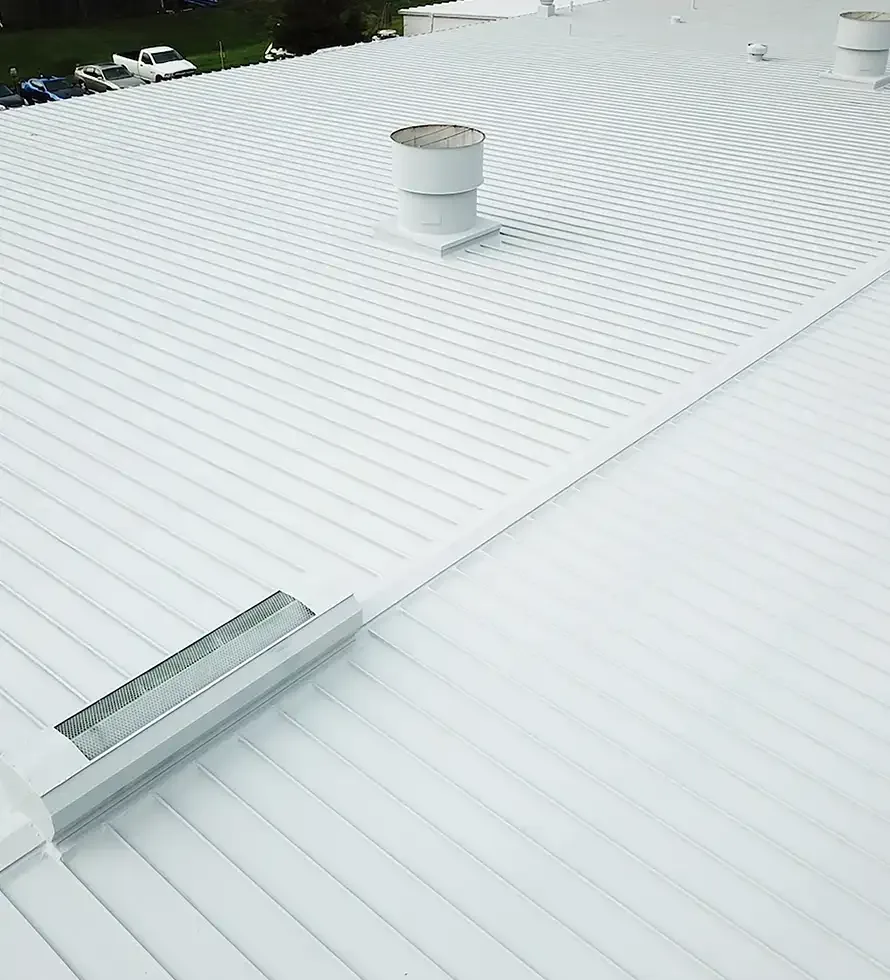
Dark membranes run well above air temperature in direct sun, and Missoula has reached 107 F in air. That heat accelerates sealant aging. A light-colored membrane or a reflective coating lowers the surface temperature and reduces thermal stress on seams.
What happens if rain arrives mid-replacement?
We plan for it. Each section is dried in before we leave it, with temporary tie-ins at the open edges, and we watch the forecast for the days the roof is open. Work pauses when a storm is close, and the open area stays small enough to protect quickly.
Do I need a structural review before adding a recover layer?
Often yes. The deck has to carry the added dead weight on top of a 40 psf design snow load, so we check framing and deck condition on the first walk and bring in an engineer if anything looks stressed.