
Commercial Roofing in Frenchtown, MT
Frenchtown
Frenchtown, MT is a town that has seen what an industrial roof is worth: the Smurfit-Stone containerboard mill closed in 2010 with 417 workers, and the site is under EPA cleanup. The town sits about 16 miles northwest of Missoula at I-90 Exit 89, had 1,958 residents in 2020 and grew 7.3 percent from 2010. The commercial roofs in town are a different job from a mill roof, and the work is repair, replacement and upkeep for small and mid-size buildings. We start with a survey, set the order of work and plan the trip and the weather window before any material is ordered.
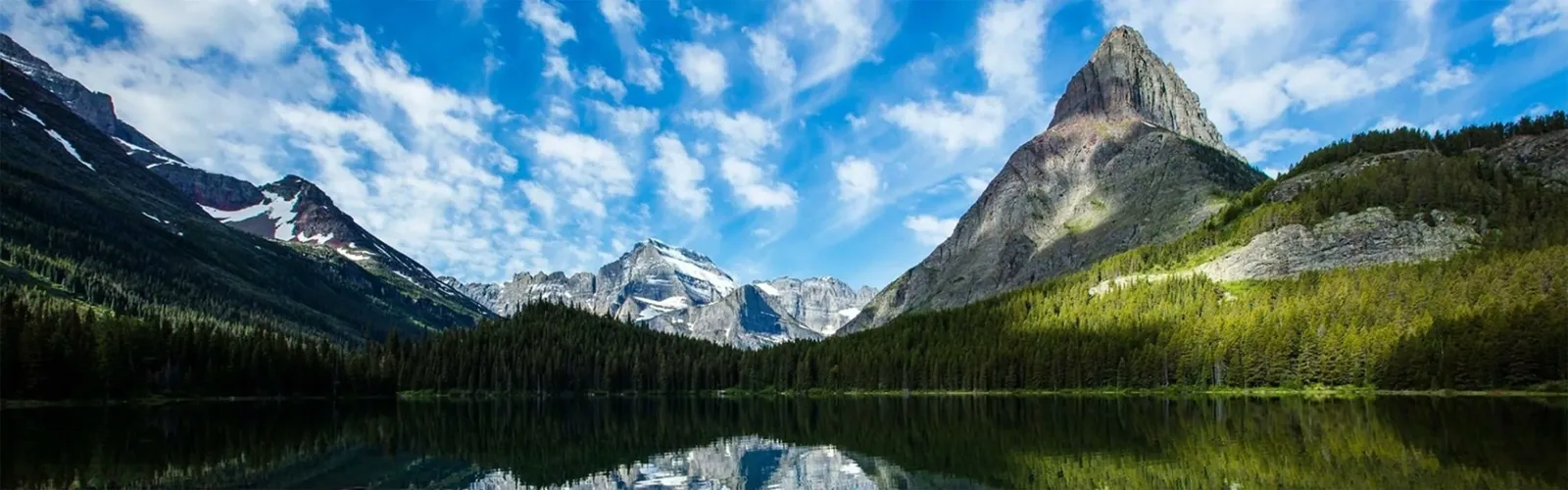
Plan the Drive and the Weather Window Together
A job 16 miles from Missoula has a travel cost, and a late snow turns that cost into a lost day. We schedule roof work in blocks long enough to justify the drive and book the crane for the clearest forecast in the block. If the forecast turns, the crew stays in town and the next window is named in advance.
Missoula averages about 39.5 inches of snow a winter and about 45 days a year never rise above freezing, so the work season runs from the last thaw to the first hard freeze. Inside that season, a tight sequence keeps the roof from sitting open to the weather.
The route matters as much as the date. I-90 Exit 89 and the US 93 junction at Wye, about 8 miles southeast, are the usual way in. A closure on either leaves the crew with a long detour, so the plan carries a backup route, and material is held until the day of the lift.
Survey First, Then Choose Repair, Coating or Replacement
On the first walk we check drains, edge metal, flashings, seams and the surface for ponding. We cut cores at suspect spots and probe seams by hand. Each finding is photographed, marked on the plan and priced.
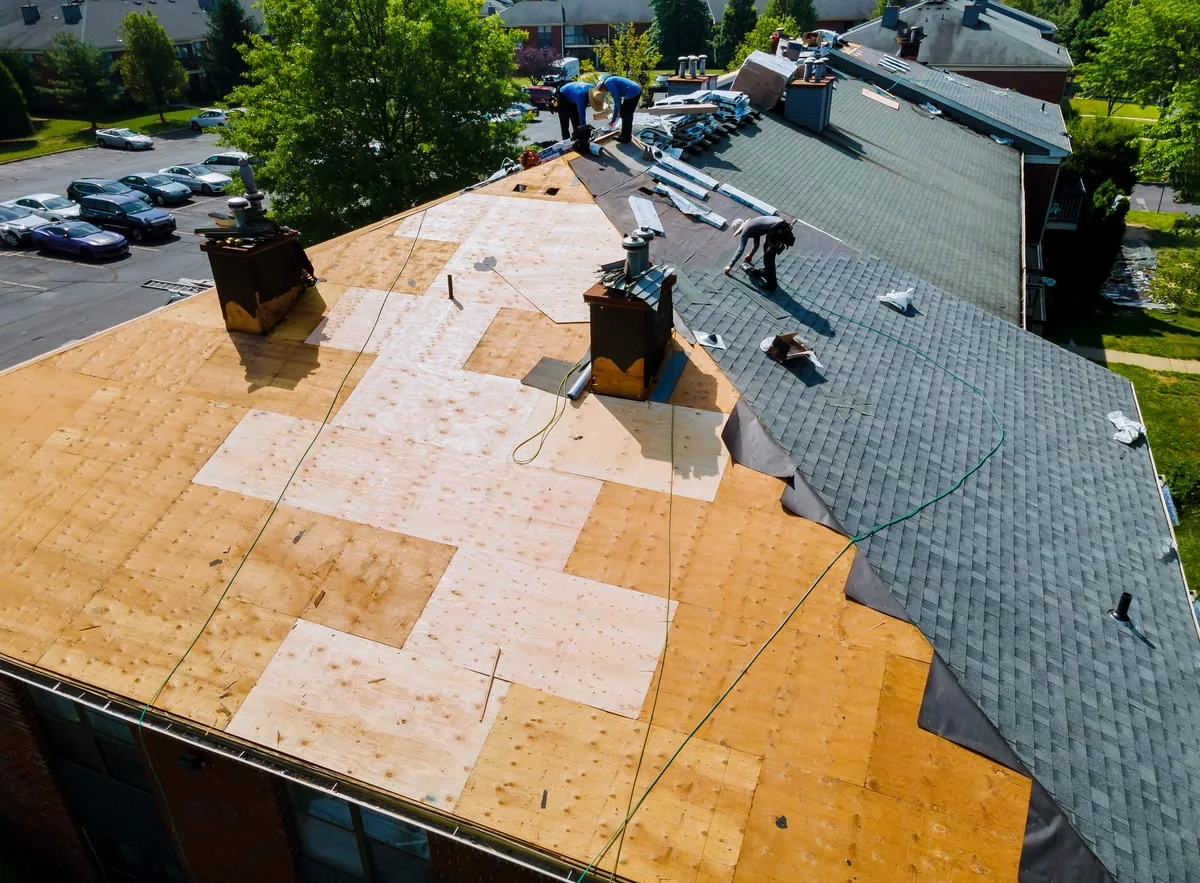
Three options cover most roofs, and the survey tells which one fits. A repair fixes what is found, a coating restoration adds years to a sound, dry roof, and a replacement starts over when the insulation is saturated or the membrane has failed widely. The three prices go on one sheet, and the owner decides.
Cores matter more than guesses. A core shows each layer, its thickness and any moisture, and a handful of cores across the roof describes the whole assembly. We seal each cut the same day and photograph it, so the roof is left watertight and the record shows where each sample came from. An infrared scan after sunset adds a map of wet and dry areas.
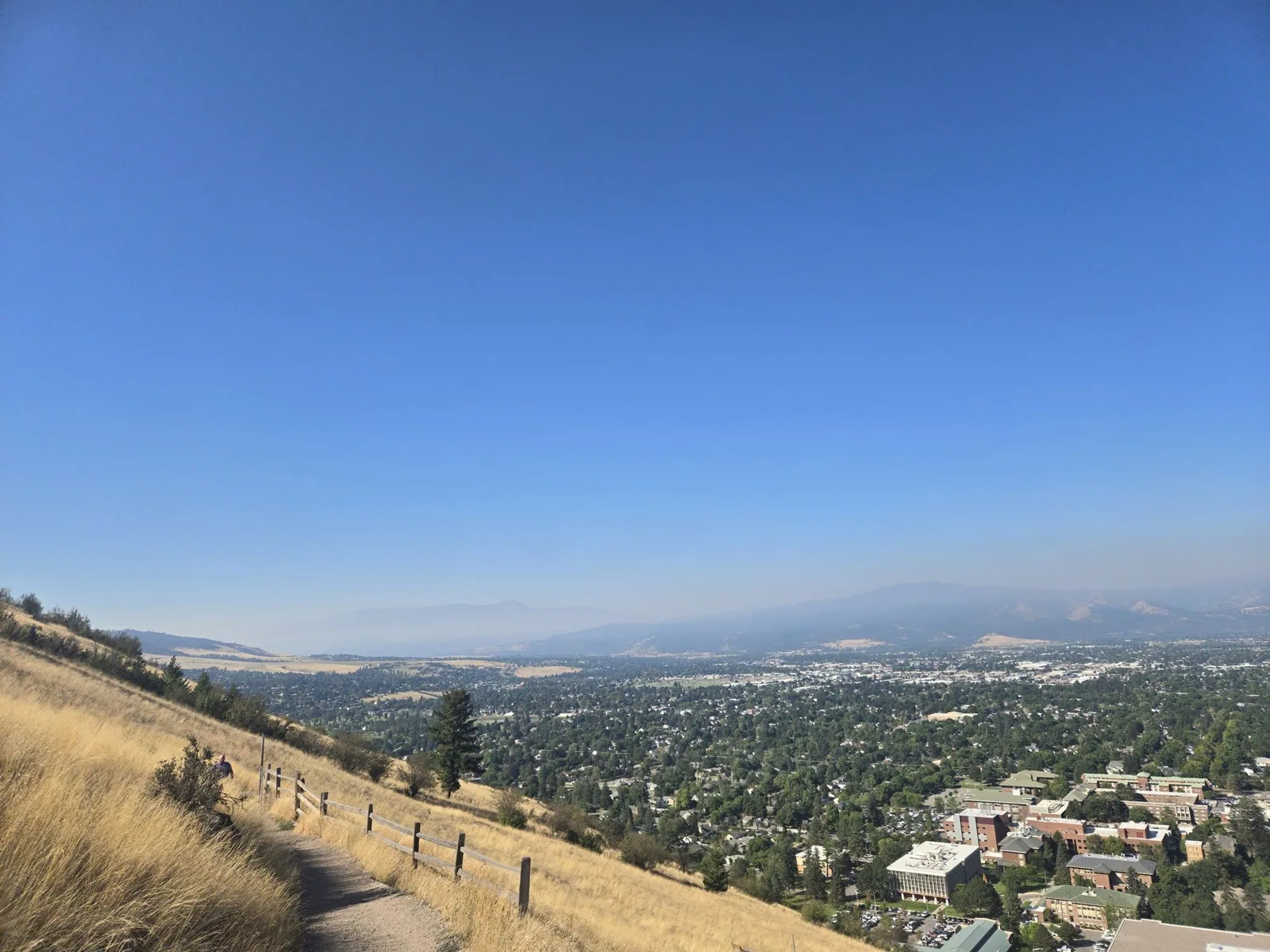
Work Near Cleanup Sites With Care
The former mill site has contamination under EPA cleanup, and any roof work nearby should follow the site's rules about access, dust and runoff. Buildings that are not on the site still deserve a look at how the work affects neighbors: debris stays on the roof until it is bagged, wash water is kept off the ground and the crew sweeps at the end of each shift. Tools and fasteners are counted on and off the roof.
If a building sits on or beside controlled ground, the owner or the agency sets the access rules, and we follow them. The plan names the staging area, the route and the person to call. Nothing leaves the site except through the haul route in the plan.
Industrial history matters for roofs in another way. Older industrial buildings often show layers of repairs, abandoned penetrations and unrecorded changes. A survey that maps patches, cores the layers and counts the penetrations replaces guesswork with a plan. A vacant building gets the same survey, with extra attention to ponding and snow load.
Design for Snow, Wind and Hail
Roof calculations start from Missoula's state-table figures: 40 psf of ground snow, 102 mph of basic wind and a 36 inch frost depth. A roof that carries a deep drift behind a parapet has more than the ground figure, and a roof that loses its edge loses its membrane next.
Hail is the other storm. The 2016 cell over central and south Missoula overwhelmed its storm drains. We walk the roof after storms, press along the field for bruises and photograph dents with a scale and a date.
The former Bonner mill roof that failed under heavy snow in 2011 is a local reminder of what a long span can do under load. A building in Frenchtown with a long span or a large flat roof gets a deflection check after heavy storms, and we plan removal from the heaviest areas toward the supports.
Choose a System for the Building You Have
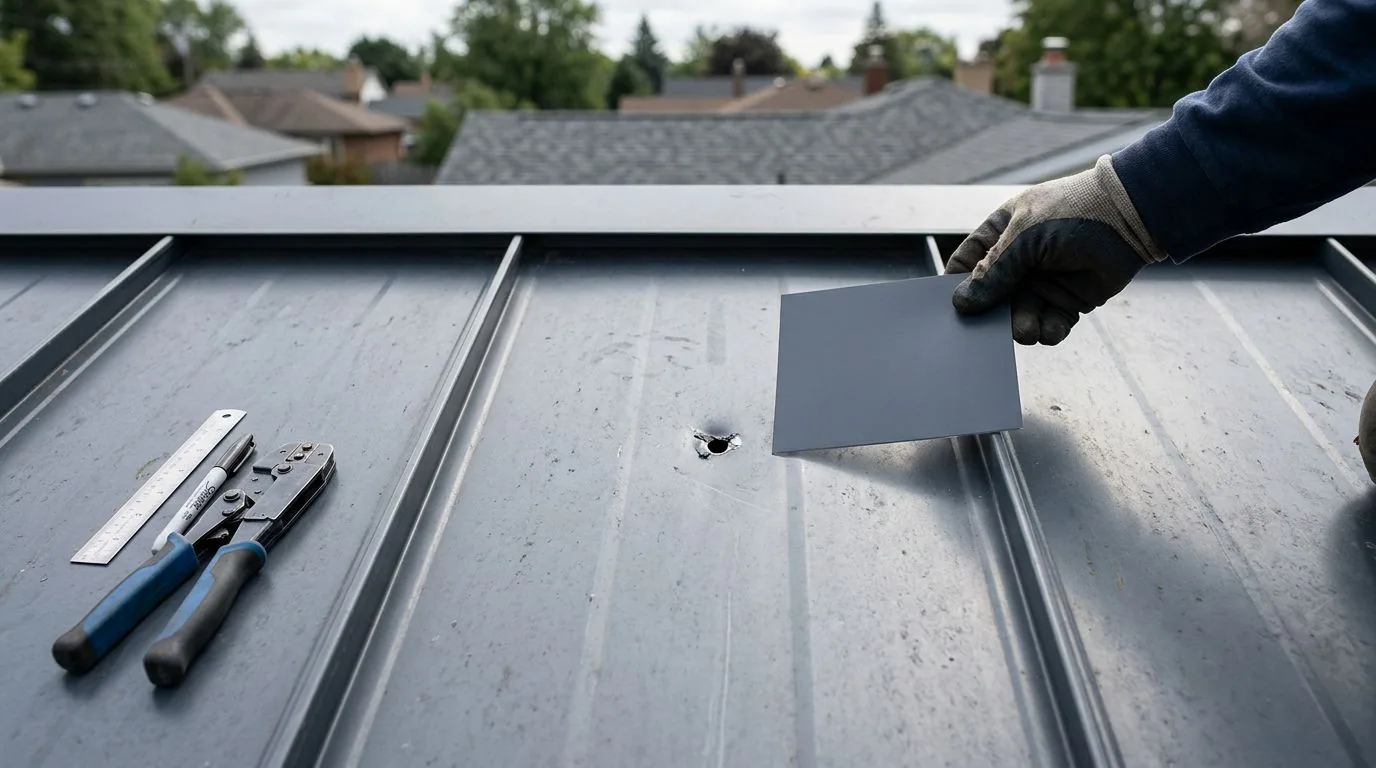
A sloped building suits a standing seam metal roof, which sheds snow and has few fasteners exposed. A low-slope building suits a TPO roof with welded seams. Where the roof has equipment, curbs are rebuilt and flashed to the new membrane.
The energy code governing insulation is the amended 2021 IECC, and the building department confirms the path when a roof is replaced. We list the insulation line apart from the membrane line so the owner sees what the code adds.
Rooftop equipment gets its own list. Each unit, vent and pipe is numbered, photographed and graded, and the curbs are rebuilt tall enough to clear drifts. A curb and support repair at the same visit costs less than a second trip.
Keep a File That Outlasts the Crew
The closeout folder holds the photo set, the core log, the repair list and the warranty paperwork. A maintenance visit before the freeze and one after the thaw keep it current. The folder travels with the building if it is sold or leased.
Owners with buildings in Wye and Huson along I-90 can fold them into one route, and a maintenance program prices the trips together. The calendar shows each building's visit and what was found last time. A route sheet goes to the driver and the crane operator the evening before each lift, showing the exit, the turn and the staging point.
Related Roofing Pages
Send the Roof Plan and the Building Address Area
Send the roof plan and the general location of the building, and we will plan the trip and the first walk. The first sheet lists each finding with a photograph and a price, and it names the weather window for the work.
Call 555-555-5555 or email [email protected].
Questions About Frenchtown
Do you work near contaminated ground?
We follow the site owner's and the agency's rules on access, dust and runoff. Any rule that changes the schedule is written into the plan before the crew starts. The plan names the route and the staging area, and nothing leaves except by the haul route.
How far in advance should I book?
As early as the thaw allows. The work window is short, and crews fill their calendars in late spring. A survey in winter or early spring gives time to price the work and order material before the window opens.
Can a small roof be coated instead of replaced?
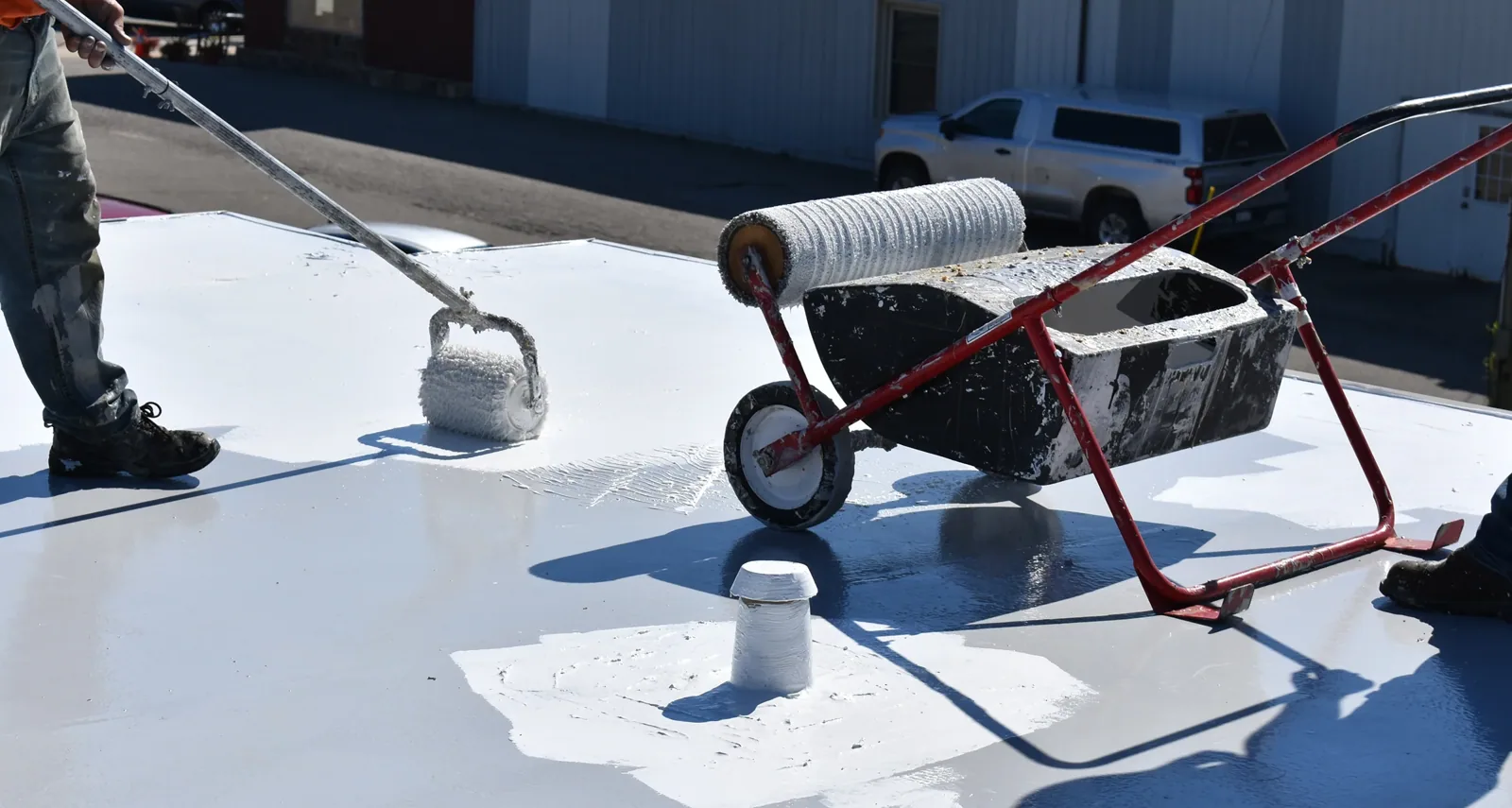
Yes, when the insulation is dry and the sheet is sound. A moisture scan and a bond test settle it before the contract, and film thickness is measured during application so the warranty file has a reading.
What does an emergency call involve?
Call at any hour. We find the entry point, tarp or patch it and photograph the damage. A written summary follows, and the permanent repair waits for mild weather. The temporary cover is marked on the plan so it is replaced on schedule.
How do I keep records for a lender?
Keep the photo set, the core log and the repair list in one folder, and update it after each visit. We supply the set at closeout, with a summary page that a lender can read in a few minutes.