
Fitness Center Roofing in Missoula, MT
Fitness Center Roofing
A fitness center roof carries moisture from below as well as weather from above, and the repair order has to separate the two before anything is torn off. Showers, pools, saunas and heavy breathing raise the humidity inside, and warm, wet air rises into the roof assembly where it meets cold deck in winter. A stain on a ceiling may be a leak, or it may be condensation, and the repair for each is different. In Missoula, MT, about 45 days a year never rise above freezing, so the difference shows up often.
We sequence fitness roof work by finding the source first, then by area, then by member schedule. The owner sees which zones are affected, when the pool or court is closed and when the dry-in is complete. A gym that wants to keep members through the work can use the schedule to plan class moves and tell staff in advance.
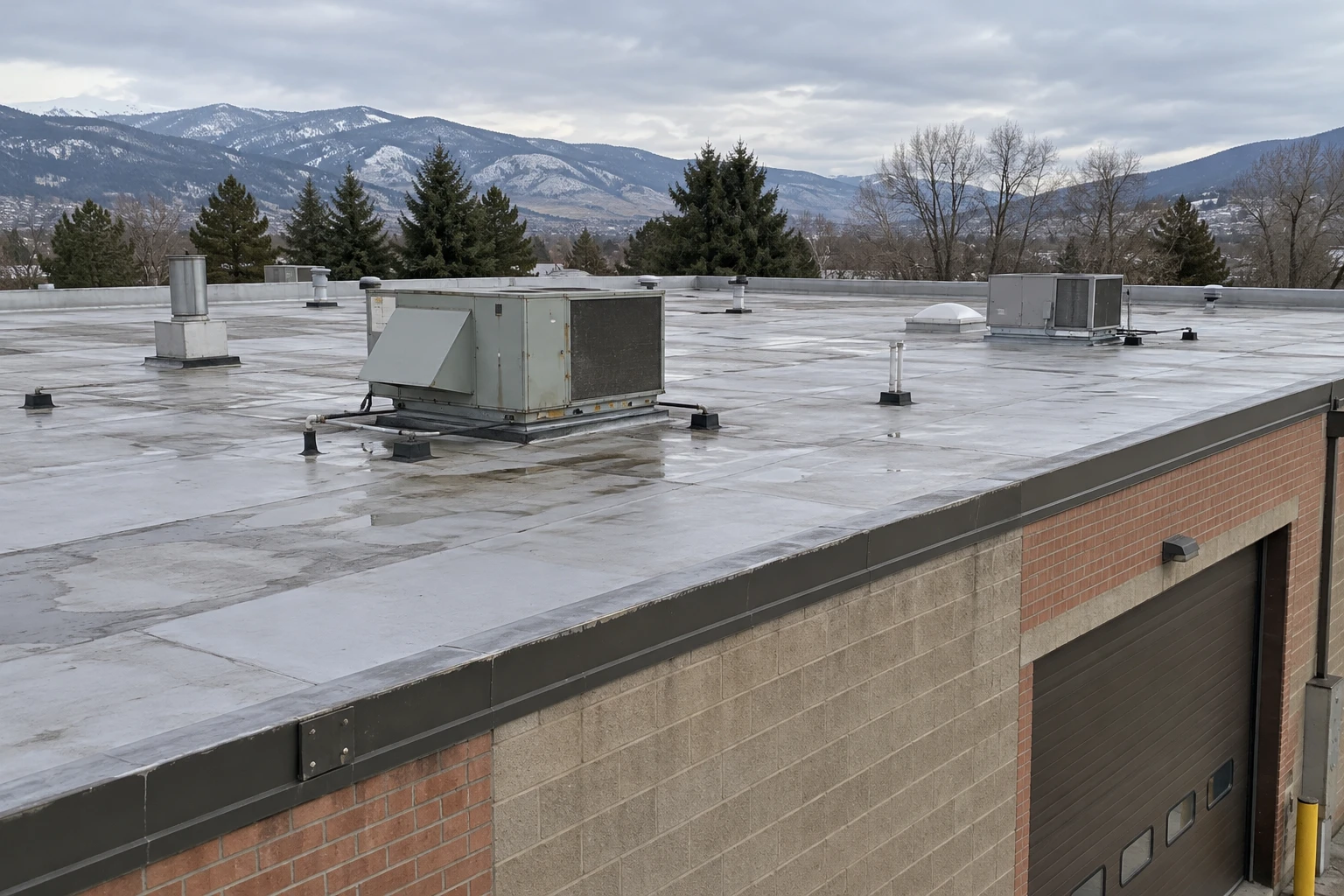
Separate leaks from condensation
The first test is whether the moisture comes from outside or inside. We look at the pattern: a stain that follows a seam or a penetration suggests a leak, while a broad, even dampness under cold deck points to condensation. We take moisture readings, look at the vapor control and check the exhaust ducts for leaks into the roof space.
Core cuts show the layers and tell us whether the insulation is dry. A gym with a leaking air handler duct can look exactly like a gym with a failed membrane. We trace the ducts, the vents and the dehumidification equipment to the roof and check each seal. The report separates findings by cause, so the owner does not pay for a membrane repair that a duct seal would have fixed. Roof-mounted exhaust fans from locker rooms and saunas are the usual suspects. A cracked boot or a missing damper lets warm, wet air into the roof assembly, where it condenses on the cold side. We look at each fan, photograph the boot and test the damper by hand.
Check the long spans and high ceilings
Courts, pools and studios have wide, high roofs with few interior supports. Deflection under snow loads is a concern, since the deck and framing are doing a lot of work. Winter brings about 39.5 inches of snow to Missoula, and the ground stays covered about 120 days a year under a 40 psf design load.
We look for ponding, sagging and open laps. We check the drains and scuppers, which carry meltwater off a large area. Skylights and clerestories, which give natural light in many gyms, are extra penetrations. We probe each glazing seal and curb. Thermal movement across a wide metal roof opens sealant at the laps, so we count the failed joints and price their repair. Where a pool is under the roof, chlorine and humidity add corrosion to the list. Steel purlins, fasteners and deck underside can rust long before the membrane fails, and a rusted fastener loses its hold. We look at the underside from the interior where access allows and note any section that needs a structural review before a new roof goes on.
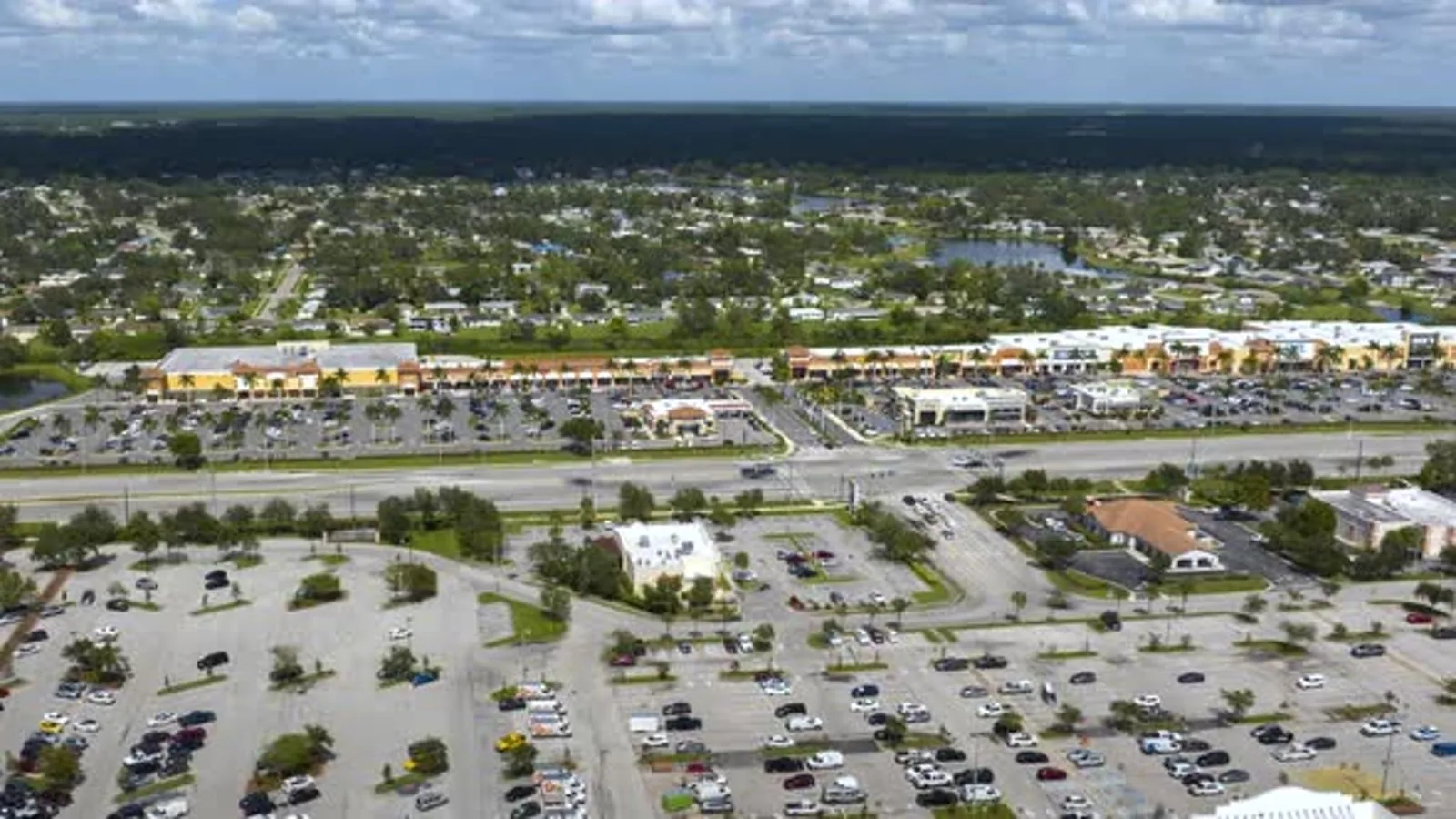
Schedule around members and classes
A fitness center has peak hours and quiet hours. Early mornings and evenings are busy, and midday is lighter. Classes, leagues and youth programs set their own calendars. We ask for the schedule at the start and plan loud work for the quiet hours.
The staging area sits away from the entrance and parking. The crane pick happens when the lot is empty. A pool or court below the work area may need to close, and the owner can pick the days. Interior protection goes in over equipment and flooring. Each section is dried in before the crew leaves, and the manager gets a daily note. If a member event cannot move, the crew stops work and secures the roof. Youth programs and school groups often use the building in the afternoon, so we keep the staging area and the fall zones away from the drop-off lane and the walk to the door. Signs and barricades go up the day before, and the front desk gets a copy of the schedule.
Plan for snow, heat and swing
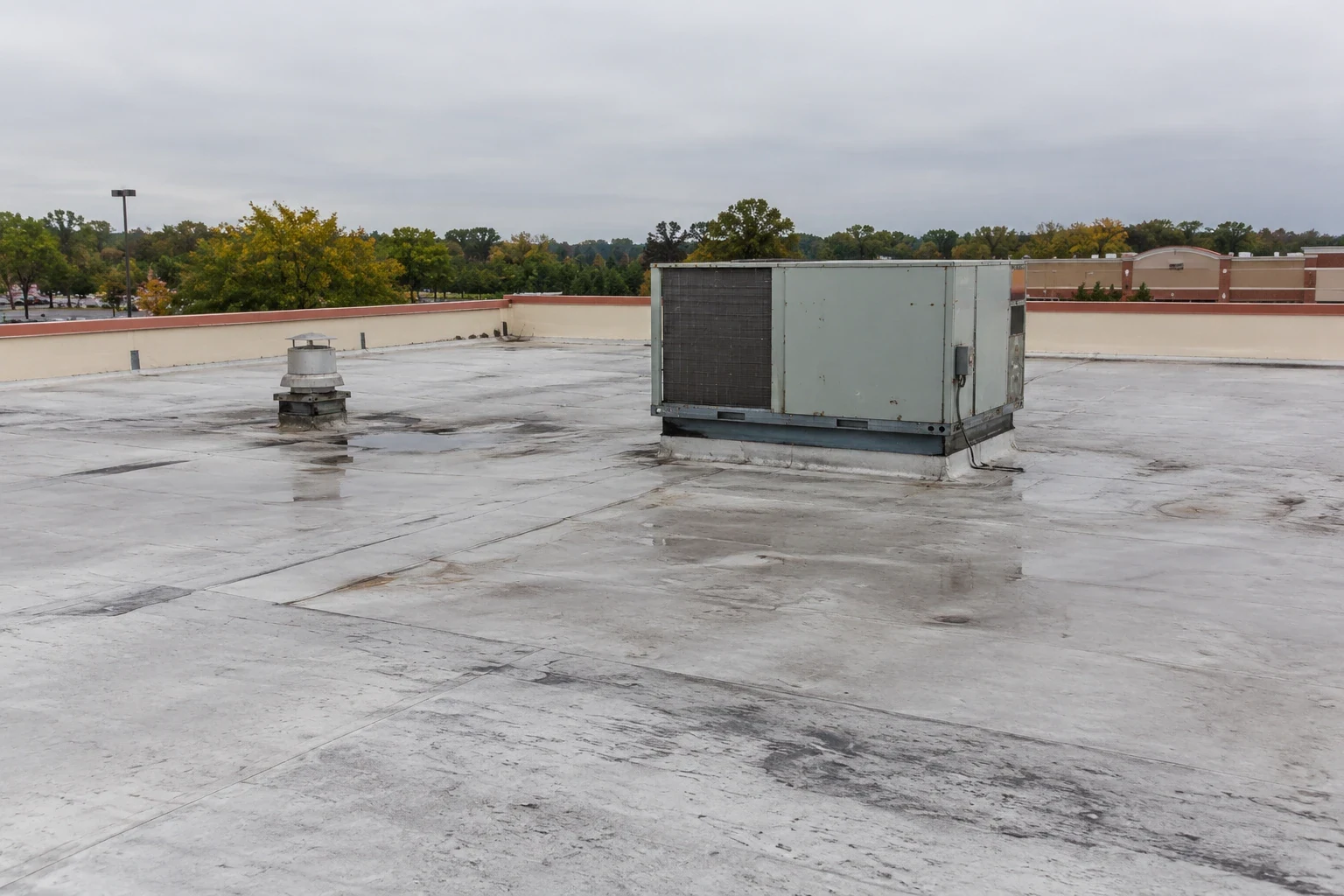
About 45 days a year never rise above freezing, and about 24 days reach 90 F or hotter. Late June through late September brings daily swings of more than 30 F. A gym roof sees both ends, and the seams, laps and flashings work all year.
In winter, snow loads and thaw cycles drive water into every gap. In summer, heat softens sealant and expands the roof. We check drains and scuppers in fall and again in spring, and we look at the flashing around mechanical units. The design wind speed is 102 mph for Risk Category II, which shapes the attachment at the edge. A wind damage repair starts at the perimeter for the same reason.
Choose the system for humidity and span
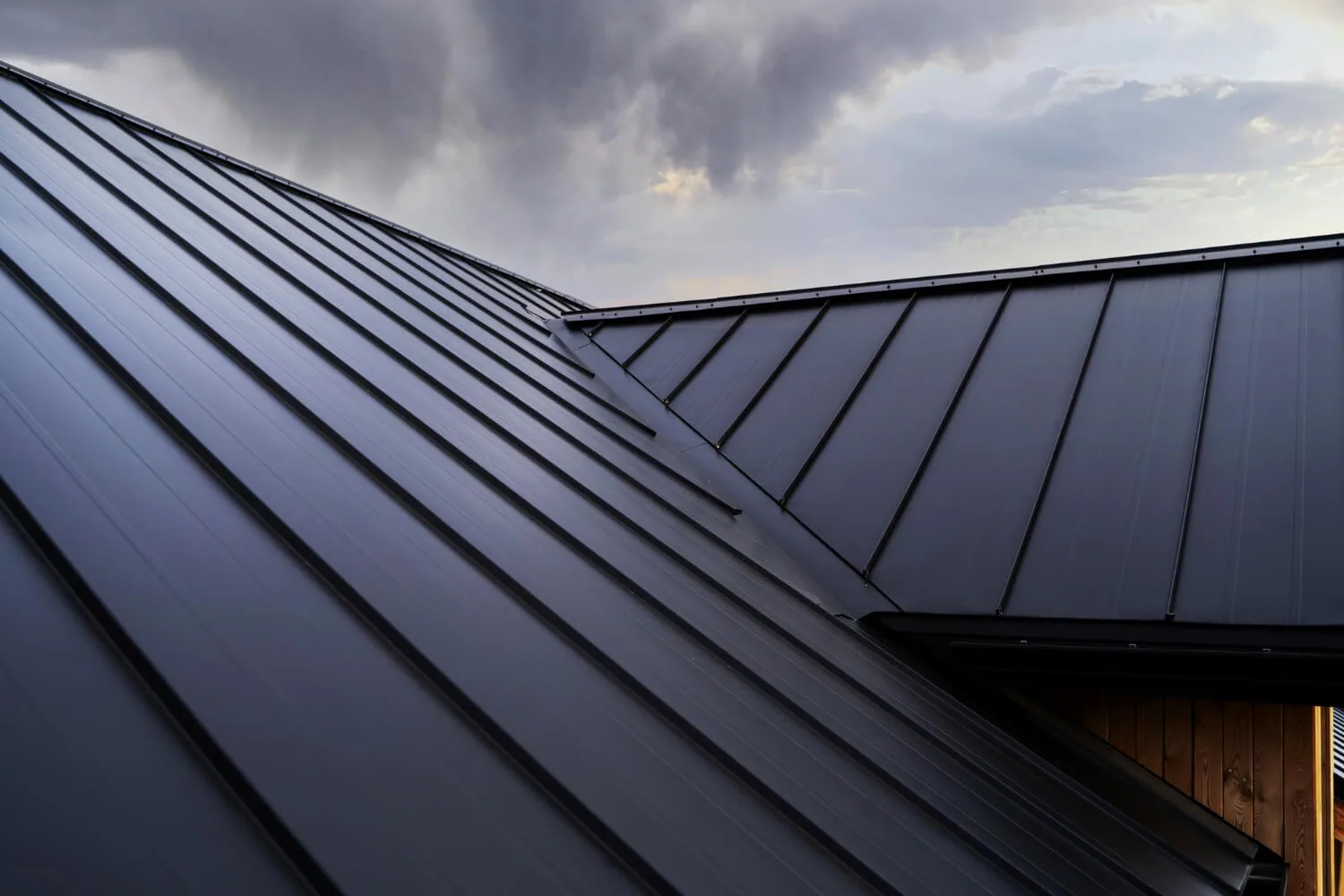
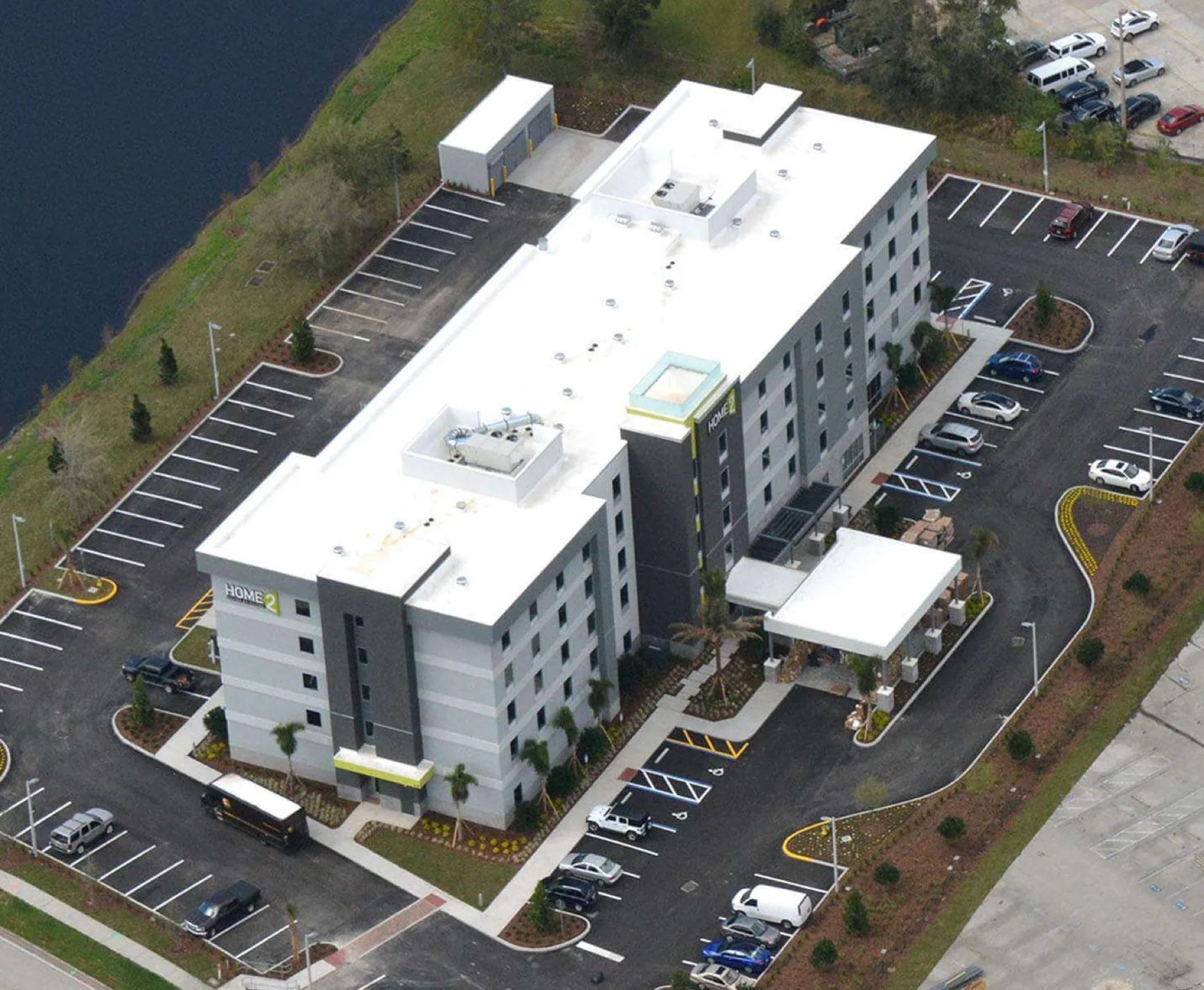
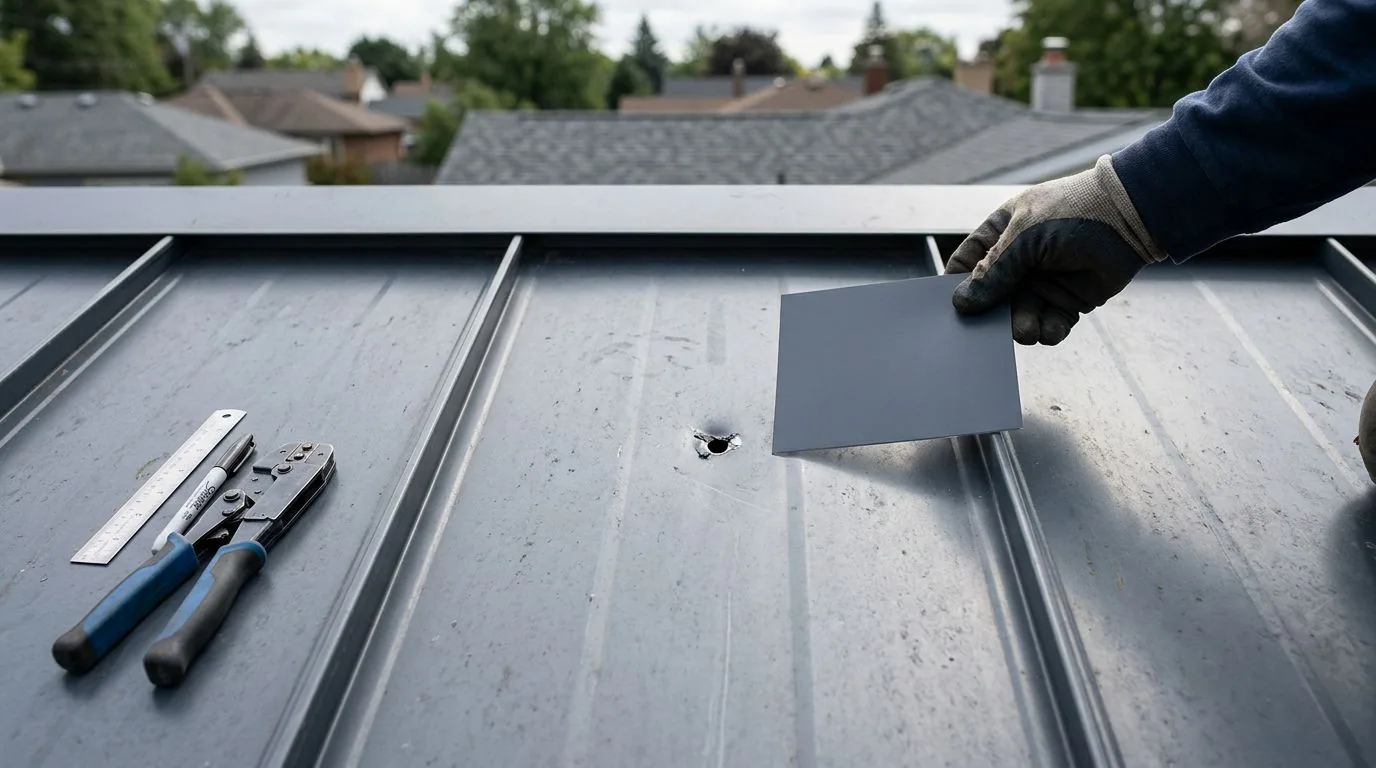
A fitness roof needs a vapor control layer and sound insulation. A TPO or PVC membrane over insulation suits a low-slope roof. A standing seam metal roof suits a long span with some pitch. For an aging metal roof, a retrofit may work.
Each option gets an installed cost, an expected service life and a repair path. The choice also affects interior comfort, since insulation and air sealing change heating and cooling load. The scope names the vapor layer and the insulation thickness and follows the state energy code, the 2021 IECC with Montana amendments. A building with a high ceiling loses heat to the roof, and a thicker insulation layer with an air barrier can cut that loss. We show the owner the added cost and the options, so the board or the owner can decide with the numbers in front of them.
Plan for the neighborhood
A gym near the University District has student traffic and a semester calendar. A rec center out in Lolo or on North Reserve Street has its own patterns. We ask about them at the start. The method is close to that for a school gym. Hotels with pools add guest rooms to the same plan, as the hotel roofing approach shows. Owners with a fitness center and other buildings can list them together, with each roof ranked by remaining service and a cost range beside it.
Close out with the manager
The closeout walk covers the roof with the manager, a water test of the drains and the punch list. The roof file holds the system, the vapor layer, the photographs and a date for the next review.
Related Roofing Pages
Send the class schedule and the HVAC layout
Send the roof plan, the class schedule and the HVAC layout, and we will map the phasing and the staging area before any material is ordered.
Call 555-555-5555 or email [email protected].
Questions About Fitness Center Roofing
How can I tell a leak from condensation?
A leak follows a seam or penetration, while condensation is broad and even under cold deck. Moisture readings and a core cut tell us.
Can a gym stay open during a roof replacement?
Usually, with phased work, interior protection and quiet-hour rules. A pool or court below the work may close for a few days.
Why do skylights leak in gyms?
Seals age, curbs settle and thermal movement opens the joints. We probe each one and price repairs by item.
Does humidity change the roof system?
Yes. A vapor control layer and sound insulation matter in wet buildings, and the scope names them.
What does the manager need to send?
The roof plan, the schedule of members and classes, earlier leak notes and the HVAC layout. Then the phasing and staging can be mapped.