
Commercial Roofing in Lolo, MT
Lolo
Lolo, MT sits about 10 miles southwest of Missoula where US 12 and US 93 meet, and commercial roofs there serve a junction, not a downtown. The town had 4,399 residents in 2020, a humid continental climate with about 13.1 inches of annual precipitation and cold winters, and local businesses that include Lolo Peak Brewing Co. A roof job in Lolo starts with the drive: a crane and a truck have to get from the city to the lot, and the weather decides whether they can. We plan the route, the staging and the dry-in sequence before any material is ordered.
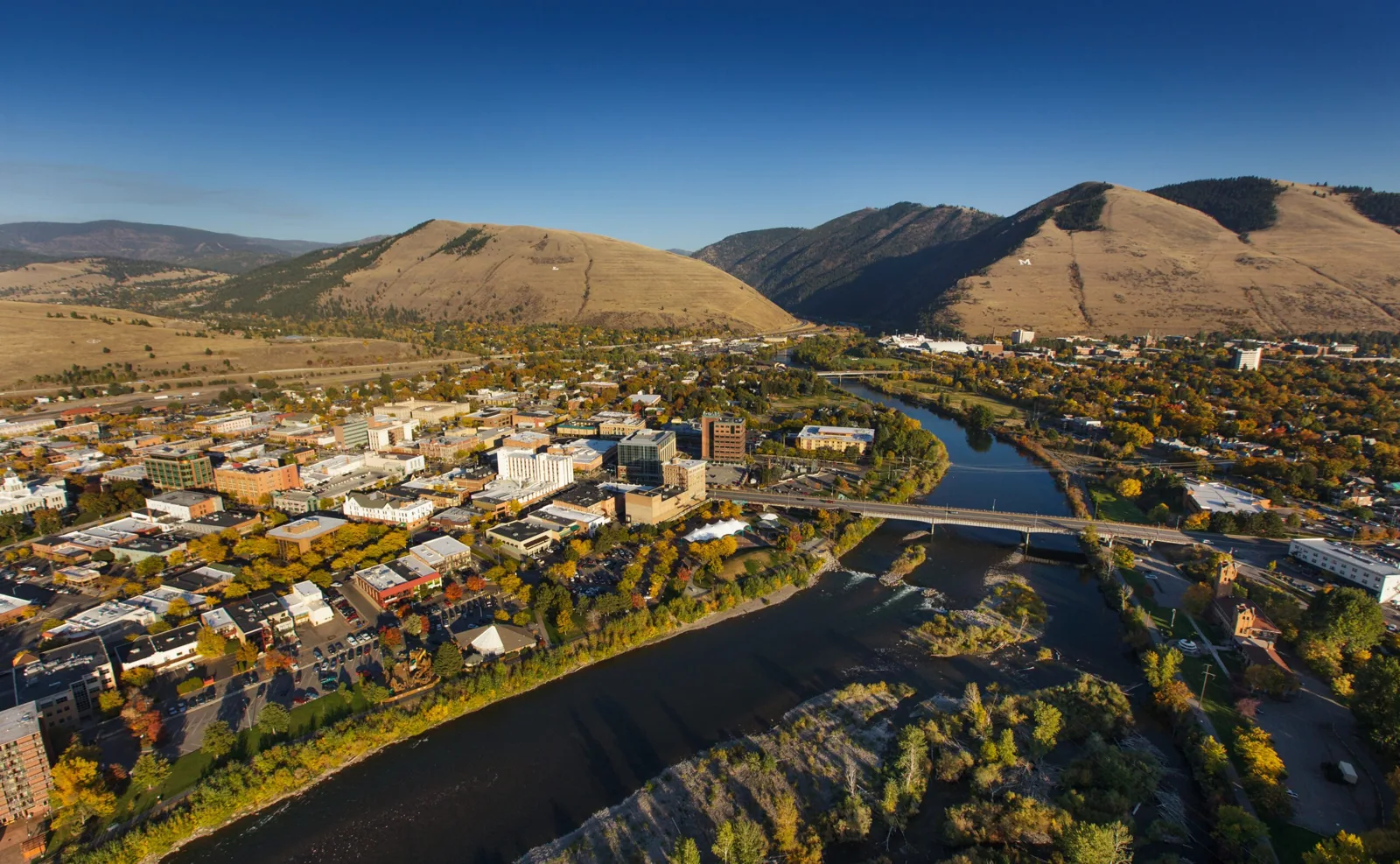
Start With the Trip and the Weather Forecast
A crew traveling to a job outside the city loses time on the road, and a late snow can close the window. Trips to Lolo are bundled into multi-day blocks, with the crane set for the best forecast day in the block. When the forecast breaks, the crew waits and a new window is named ahead of time.
A Missoula winter brings about 39.5 inches of snow and roughly 45 days that never climb past freezing; Lolo's cold winters run along similar lines, which sets the work season between the last thaw and the first hard freeze. A tight schedule inside that season keeps the roof from sitting open.
We also plan the hauling. Insulation board, membrane rolls and metal panels arrive on flatbeds, and a driver who cannot find the lot or cannot turn around loses an afternoon. The site plan marks the entrance, the turning area and the laydown yard, and we send it to the driver before the truck leaves.
Survey the Roof Against the Climate Lolo Actually Has
Lolo gets about 13.1 inches of annual precipitation, and that modest total hides the real wear, because snow and thaw still work its roofs. A roof that sees little rain can still hold water in a low spot for days after a thaw, and the freeze that follows splits seams.
The first walk covers drains, edge metal, flashings and any ponding on the surface. We take cores at suspicious spots and probe seams by hand. The findings go on a punch list with a photograph and a price for each item, and the owner chooses what to fund now.
A roof near a busy road can collect dust and grime. The film does not damage the membrane by itself, but it clogs drains and holds moisture against edges. A rinse and a drain clearing in autumn costs little and prevents the first backup of the thaw. We note the condition of every outlet in the log. The log also records the date, so the next visit starts from a known state.
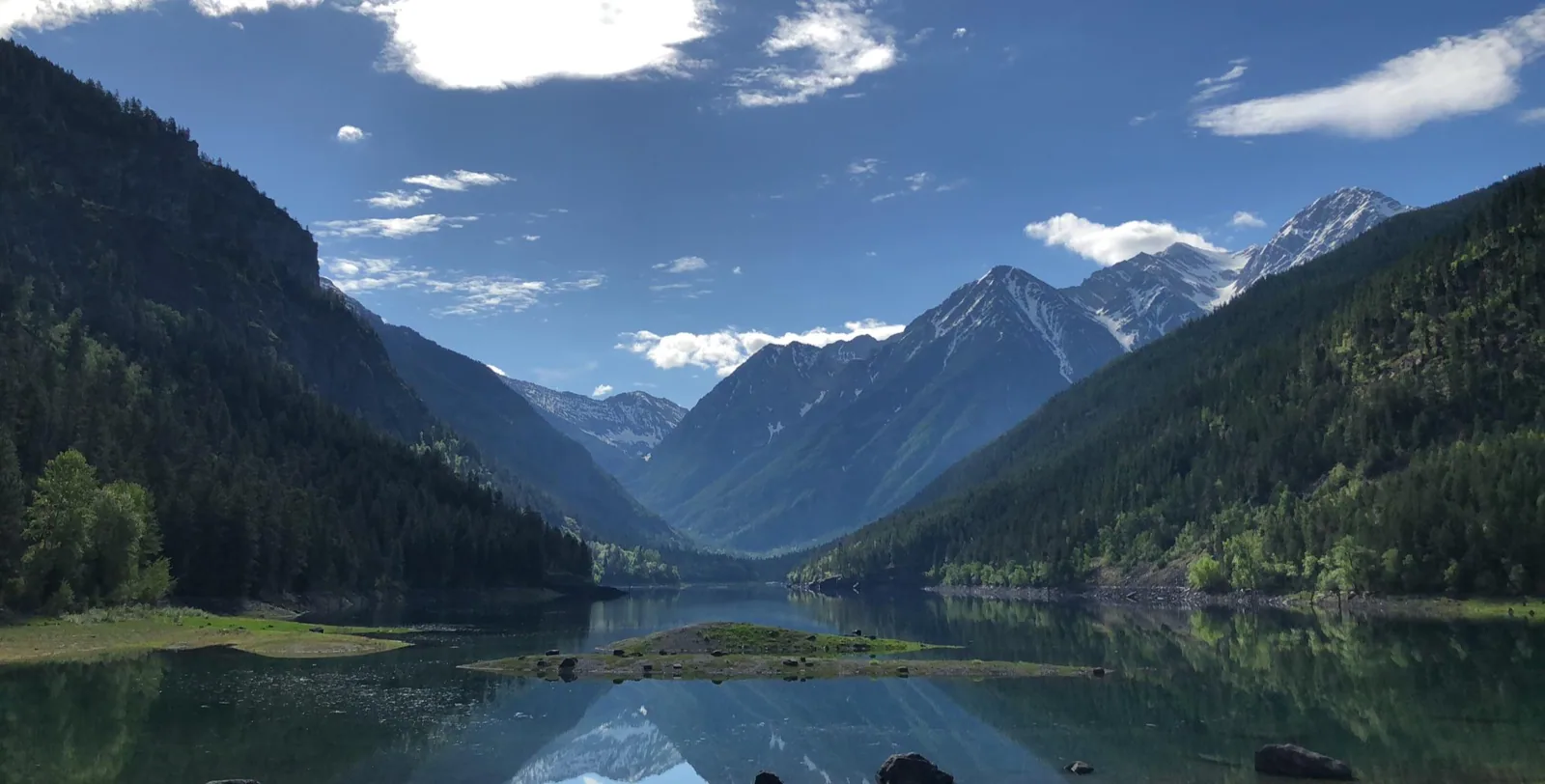
Match the Roof System to a Small Commercial Building
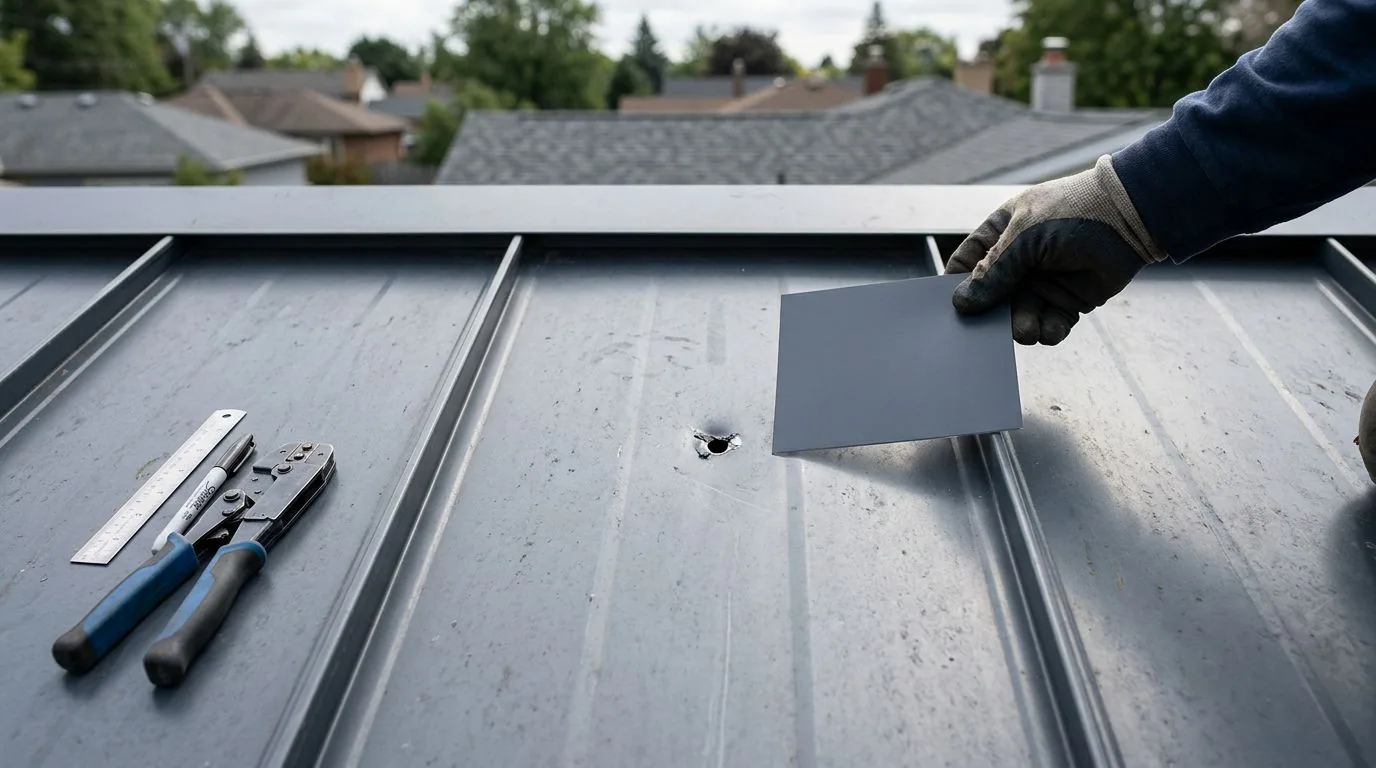
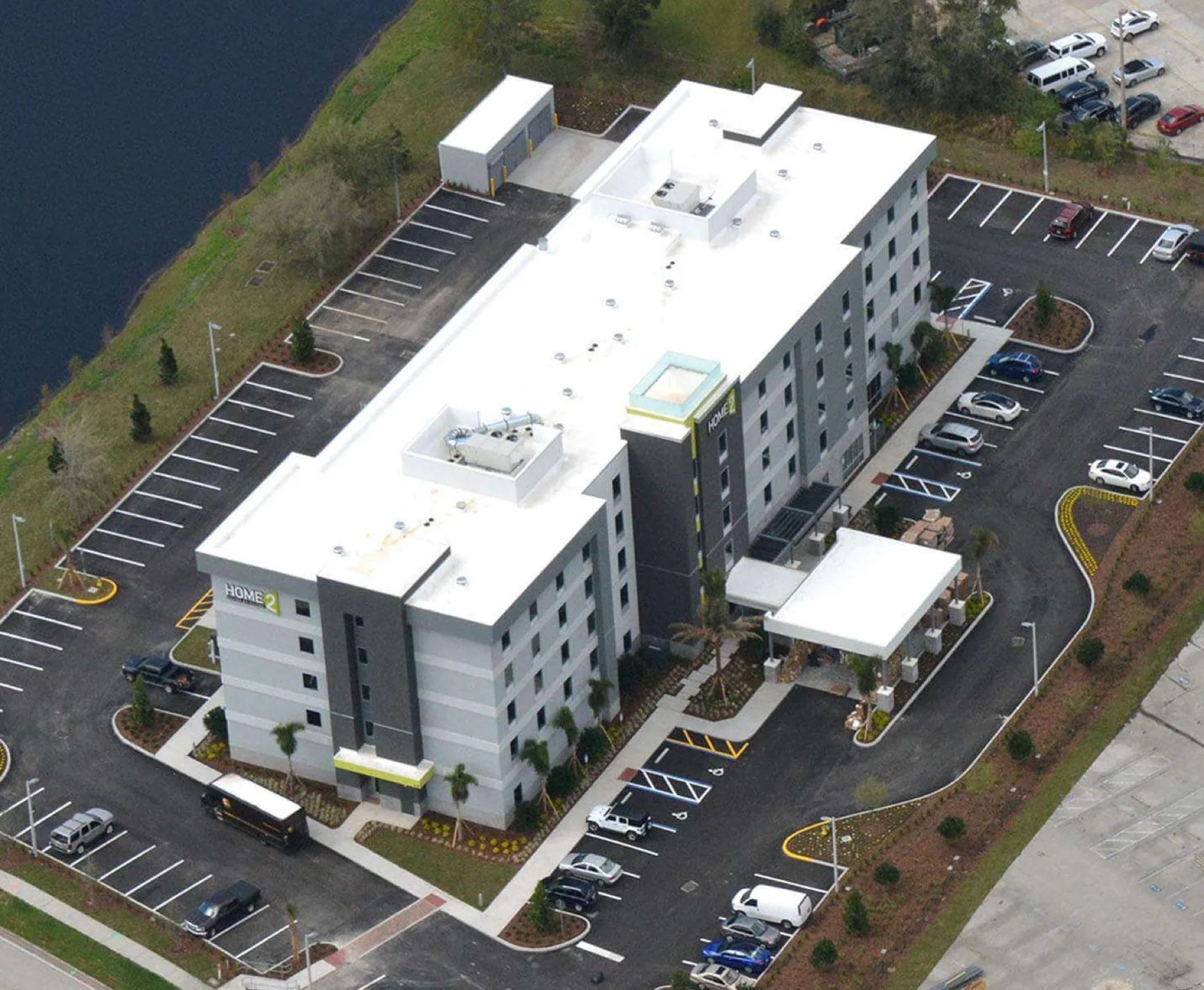
A small commercial building in a junction town can take a standing seam metal roof if it is sloped, or a TPO roof if it is low-slope. Metal sheds snow cleanly and lasts, though snow guards are needed over entrances. Single-ply costs less at first and welds at the seams.
Where a roof allows either, both get a price with upkeep shown beside the first cost. On a replacement, insulation is set by the amended 2021 IECC, with the building department confirming the path.
Wind is a second design number. Missoula designs for 102 mph on a Risk Category II building, and perimeter and corner pressures run highest. A junction site tends to be open, so we check the edge metal run by run and specify the fastener pattern for the corners.
Plan Around Traffic at the Junction
US 12 runs west from Lolo to the Idaho line at Lolo Pass, about 33 miles away, and US 93 passes through the junction. A building near the intersection sees steady traffic, and a delivery truck or a crane can block a driveway. We stage the crane away from the turning lanes and bring material in outside the busiest hours.
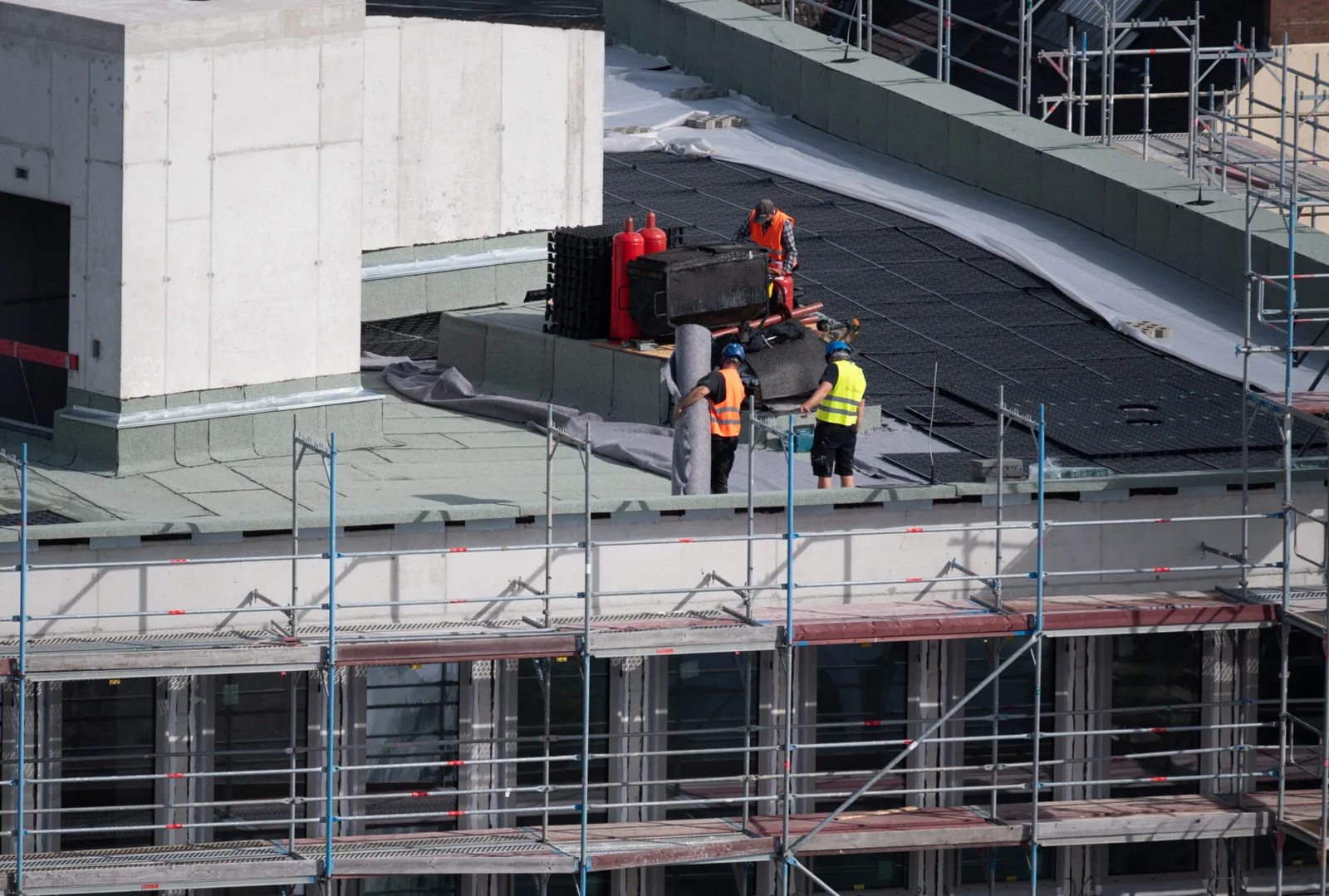
The crew keeps customer parking open and the front entrance clear. Noisy work is scheduled for the hours the tenant picks, and the roof is dried in every day. The method is the one used for any occupied building reroofing, scaled to a small lot. Neighbors at the next lot over are told when the crane will swing, and the pick is timed for a calm hour.
An owner with buildings in more than one place, such as Wye and Lolo, can book visits as a single route. Fewer trips cut the cost of each visit, and the calendar shows which building gets which day.
Check the Details That Fail First
On small roofs, the details fail before the field does. Pipe boots crack, curbs lose sealant, and edge metal lifts. A penetration flashing survey counts each one, photographs it and grades it. Repairs follow the grades.
Hail can arrive with a summer storm. The 2016 hailstorm that hit central and south Missoula shows the kind of cell that can reach any roof nearby, so after storms the field is pressed for bruises and dents on vents and units are photographed with a scale and a date.
Keep the File and Share the Calendar
At closeout the owner gets one folder: photos, core log, repair list and warranty papers, refreshed by an autumn visit and a spring visit. Owners with buildings in Orchard Homes and the nearby parts of Missoula can use one calendar for all, with Lolo's trip priced as a separate line.
A maintenance program that includes Lolo adds the trip to the cost of the visit, and the price states it. The file also helps when a building is sold, since the buyer's lender wants proof of condition and a dated record. Lolo's mix of highway-junction retail and small offices means a roof often belongs to a landlord while the tenant pays through a lease. We read the lease roof clause before the proposal so the scope names who is responsible for which repair. A short written summary of that clause goes in the file, and the owner, the landlord and the property manager all see the same document.
Related Roofing Pages
Send the Roof Plan and the Site Details
Send the roof plan, the roof type and the location of the lot, and we will plan the trip and the first walk. The first sheet lists each finding with a photograph and a price, and it names the weather window that fits the trip.
Call 555-555-5555 or email [email protected].
Questions About Lolo
Can a crew reach a roof in Lolo in winter?
For emergency protection, yes. We respond at any hour, though road and weather conditions affect travel time. Permanent work waits for mild, dry weather, and the temporary cover is photographed and marked on the plan so it is replaced on time.
Should a small Lolo roof be metal or single-ply?
Slope usually answers it: a pitched roof takes metal and sheds snow, a low-slope roof takes single-ply at a lower first cost. Both get priced with upkeep, such as snow guards, gutter heat and yearly fastener checks.
Does Lolo need a different roof than Missoula?
The design numbers come from the state tables and the local building department. Snow load and wind speed for the site are confirmed before the roof is specified, and both appear in the proposal.
How often should a small commercial roof be checked?
Twice a year, before the first freeze and after the last thaw, plus a visit after any hail or high-wind event. The trip is priced once per route, so a visit to several buildings costs less per roof.
Can the work happen while the shop stays open?
Yes. The roof is opened in small sections and dried in each day, and the entrance stays clear. Customers use the front door, and the crew uses a ladder at the side or a hoist at the back.