
Commercial Roofing in University District, Missoula, MT
University District
Here the academic calendar is the project schedule, and the roof work has to fit inside it. The University of Montana's main campus covers 220 acres between Mount Sentinel to the east and the Clark Fork River to the north, with 64 buildings including nine residence halls, and enrollment reached 10,811 in fall 2024. Commercial and institutional roofs in the district in Missoula, MT have a short window between the end of spring term and move-in, so the sequence runs backward from that date. We map the phases, the crane picks and the dry-in days before any material is ordered.
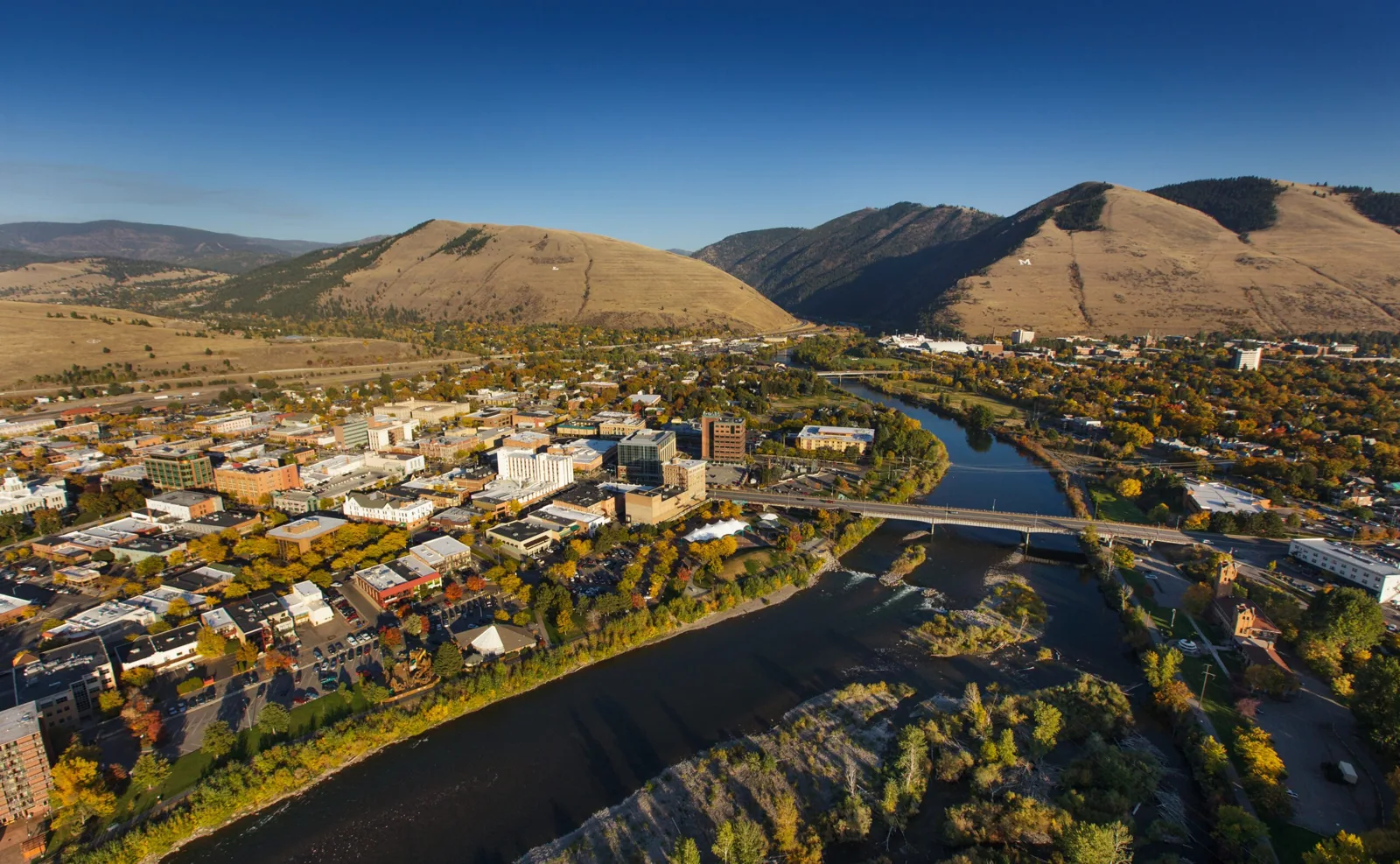
Fit the Roof Into the Summer Gap
The weather window and the academic window overlap, but only just. Snow stays on the ground about 120 days a year in Missoula, and cold persists into spring, so tear-off and membrane work cannot start until the last thaw. Move-in puts a hard stop on the other end.
A residence hall roof that opens in June has until August to close, and a storm in July can take a week of that. We build the schedule with spare days, name the milestones and show the property manager when the roof will be dried in. If the work falls behind, the plan says which sections slip first.
Student housing is being planned beyond the campus as well. The developer's timeline for the Old Sawmill District, a former mill site near downtown, included student housing, an inn and a grill among 650 to 700 new residential units, so new roofs and the district's older ones may share the same summer calendar.
Treat Residence Halls Differently From Lecture Halls
Students live under residence hall roofs, so a leak is a housing problem as well as a building one. Roof access, noise and the dry-in rule are set with the housing office, and roofs over rooms in use get the earliest protection. Lecture halls and labs can take noisier work during breaks and quiet weeks.
Labs add exhaust and sensitive equipment. Fume hood stacks, supply fans and special exhaust are shut down for short, agreed periods, and the crew covers intakes. A research building's roof is scheduled with the department chair so that experiments and the roof work do not collide.
Sound and vibration matter near teaching spaces. Tear-off is loudest through the deck, and rooms below feel it. We schedule the loudest work for the breaks between terms and keep exam weeks quiet. A written notice goes to the department with dates, and a contact name stays on the roof for questions.
Hot work is limited near residence halls and labs. Torch-applied roofing needs a fire watch and a clear plan for the hours after the crew leaves, so cold-applied and heat-welded systems are the usual choice near occupied space. A TPO roof installed with welded seams produces little odor and no open flame.
Check the Drainage Before Move-In
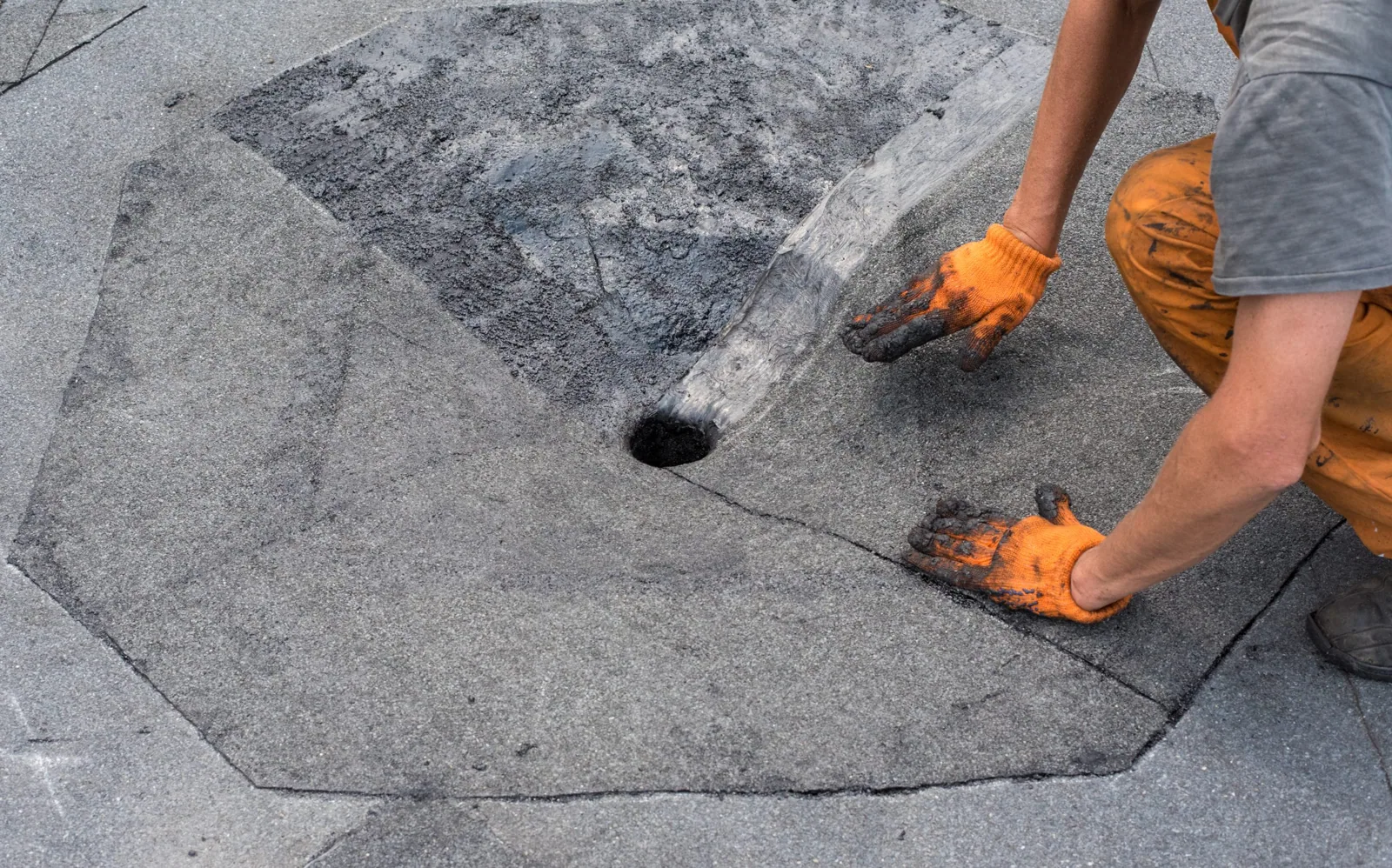
Leaves, grit and blown debris collect in drains, and a clogged drain holds water through the first thaw or the first fall storm. Large flat roofs on the district's buildings carry drains that serve wide areas, so a single clog matters. We flow-test each sump and photograph it, and we clear the line below. A sump that drains slowly in a dry week will back up in a wet one, and the list shows which ones need a camera or a snake before the first freeze.
In 2016 a cloudburst overwhelmed storm drains across central and south Missoula. A roof outlet faces the same burst, and the drains and scuppers list shows which outlets need a larger sump before autumn.
Plan Around Event Days and Crowds
Washington-Grizzly Stadium seats 26,500, and event days put crowds, traffic and parking pressure on the whole district. Roof work near the stadium avoids game weekends, and crane picks need street closures that conflict with event traffic. The calendar includes the athletic schedule as well as the academic one.
Wide-span buildings of any kind have roofs that hold snow drifts and show deflection first. We check those roofs after heavy storms, and we plan snow removal from the heaviest areas toward the supports. The design ground snow load is 40 psf, and a long-span roof is where the number matters most. Missoula averages about 39.5 inches of snow a winter, and the structure is checked against the load whenever the roof is changed.
Document Roofs the Way a Facilities Office Needs Them
A facilities office wants a table: building, roof, age, condition, next action and cost. We build that table from the survey, with a dated photo set and a core log behind each row. It sorts by risk, so the worst roof is first, and it sorts by year, so the capital plan can follow.
Each row has a recommended action and a recommended date. A hall with a sound membrane and dry insulation gets a coating or a maintenance visit. A hall with open seams and saturated insulation gets a replacement line. The numbers come from cores and a moisture scan, and the facilities director can trace any row back to a photograph.
The same table serves the roof capital plan and the maintenance program. A maintenance visit before the freeze and another after the thaw keeps the table current, and the file survives turnover in staff and trades.
Coordinate With Neighbors in the District
The University of Montana is Missoula's largest employer, with 2,842 jobs, and the district around it holds commercial buildings that serve students and staff. Delivery routes, parking and pedestrian paths are shared, and a roofing crew has to share them too. The crew leaves each path clear at the end of a shift and sweeps the area for fasteners and scraps.
We stage inside the lot, plan deliveries outside class changes and close sidewalks only where unavoidable. Next door, Downtown Missoula sits close to the university, and a crane that serves one can serve the other if the schedule allows. A reroof with tenants in place follows the same plan whether the occupant is a department or a shop.
Related Roofing Pages
Send the Building List and the Term Dates
Send the building list, the roof plans you have and the dates the halls are empty, and we will map the phases against the calendar. The first sheet ranks the roofs by risk and shows where the schedule is tight.
Call 555-555-5555 or email [email protected].
Questions About University District
When can campus-area roof work start in Missoula?
After the last thaw and the end of spring term, typically late spring. Surveys and snow checks can run in winter, but membrane work needs mild, dry weather, and Missoula's cold lasts long enough that the first warm week is often the start.
Can a residence hall roof be replaced in one summer?
Often, if the roof is of moderate size and the weather cooperates. Larger roofs are phased across two summers, with the worst sections first, and each phase is dried in and signed off before the students return.
How do you protect labs during roof work?
We cover intakes, plan fan shutdowns with the department and keep dust and fumes away from vents. The department chair approves the plan first. Each shutdown is logged with the time and duration.
What if a leak appears during the term?
Call at any hour. We stop the water, photograph the damage and plan the permanent repair for the next break unless the leak endangers occupants. A temporary repair holds until the break, and the file marks it so it is not forgotten.
Do event days affect roof schedules?
Yes. Game weekends and graduation bring crowds and street closures, and we avoid crane picks and deliveries on those days. The athletic and event calendars go into the schedule alongside the academic one.