
Commercial Roofing in Florence, MT
Florence
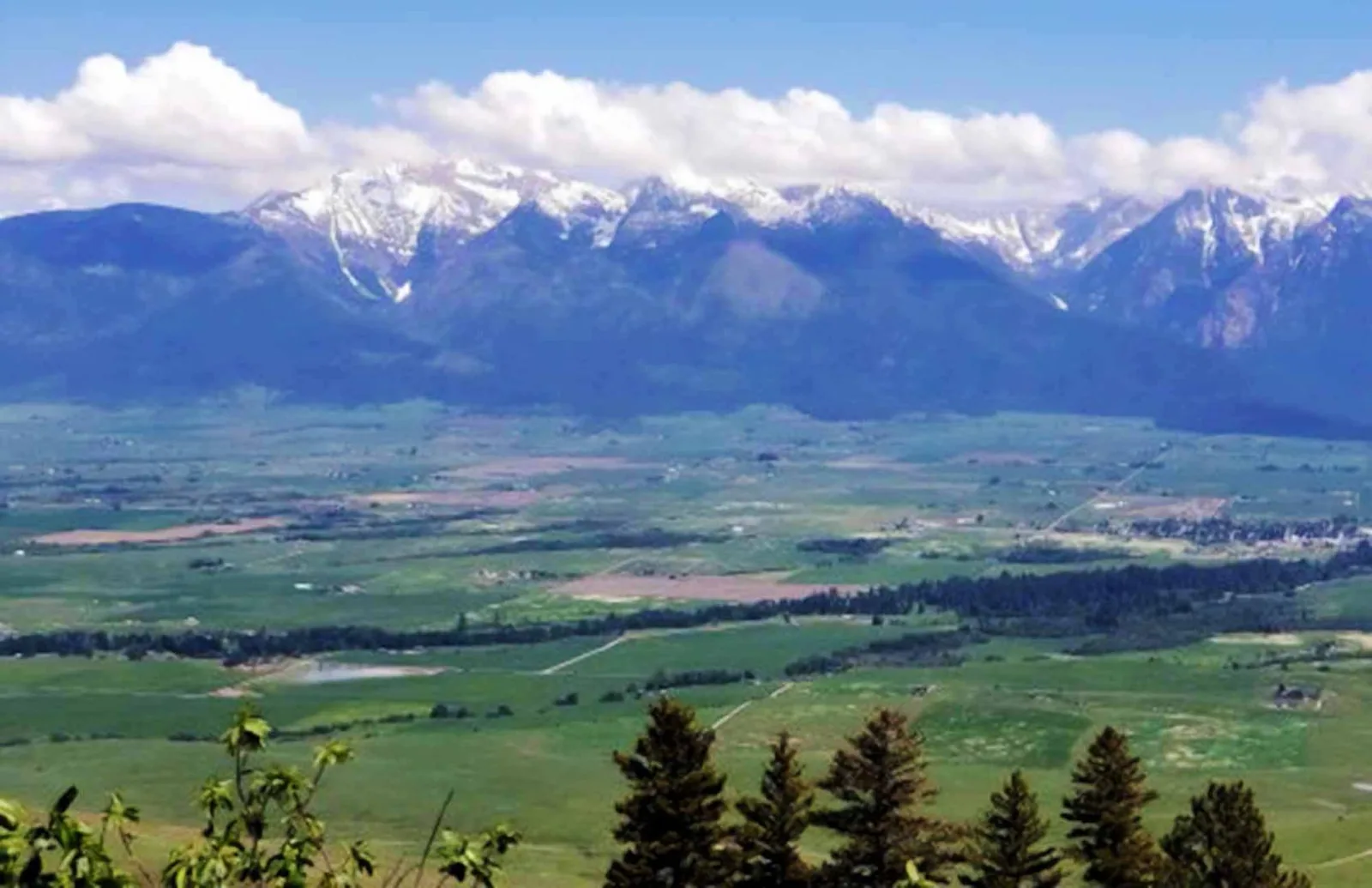
Work on a Florence roof begins with a calendar, because the quiet weeks for a building that serves the public are rarely the same as the dry weeks for roofing. Florence sits in Ravalli County just across County Line Road, about 23 miles south of Missoula Montana Airport, with US 93 running north to south through town. A school break, a church schedule or a store's slow season each opens a different window. We line the tear-off, the crane pick and the dry-in up with that window, and we repair, recover and replace low-slope and metal commercial roofs on that plan.
Match the Tear-Off to the Building's Quiet Weeks
Florence-Carlton School District enrolled 813 students in the 2021-2022 school year, and a building that serves families works on a rhythm of term and break. Summer is the obvious window for any building with a daytime population, but it is also the season when roofing contractors are busiest, so early scheduling matters. A roof booked in winter for a June start gets its material ordered on time and its crew assigned.
We ask three questions on the first call: when is the building empty, when must it be open, and which entrances can be closed. The answers set the phases. A school, church or community building may need the noisiest work done on weekends, while a store may prefer early mornings before the doors open. The plan states those hours and holds to them. If a phase runs long, the next phase moves back and the building is told the same day, rather than discovering the shift when a crew shows up at an unplanned hour. Alternate dates are held in reserve for the weeks when weather pushes the first choice out.
Stage Around US 93 Traffic
US 93 carries Florence's through traffic, and a delivery truck backing into a lot on a highway frontage creates a hazard that has nothing to do with the roof. We look at the entrance geometry on the first walk and decide where trucks can stop, where the crane will stand and where the material hoist can run without crossing customer parking.
If the lot is tight, we stage material in two drops and keep pallets close to the building wall so the work zone is a single compact area. Barricades mark the zone, and a spotter works the entrance during deliveries. The plan also notes where the waste container sits so the haul truck does not need to cross the front of the building.
Read the Roof for Signs of Snow and Thaw Stress
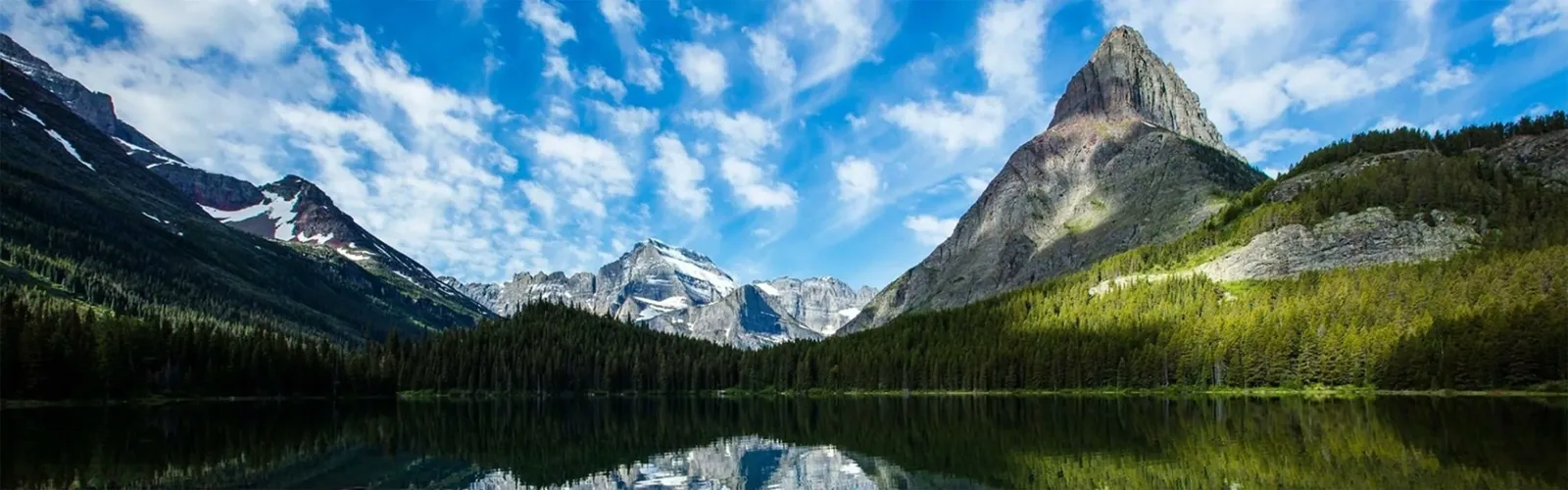
Missoula, the nearest market for climate figures, sees about 39.5 inches of snow a winter and snow on the ground for about 120 days, with a design ground snow load of 40 psf. A Florence building sits in a neighboring valley, and its roof meets a similar cycle of freeze and thaw. Each cycle opens small gaps in sealant and pushes ice against curbs and parapets.
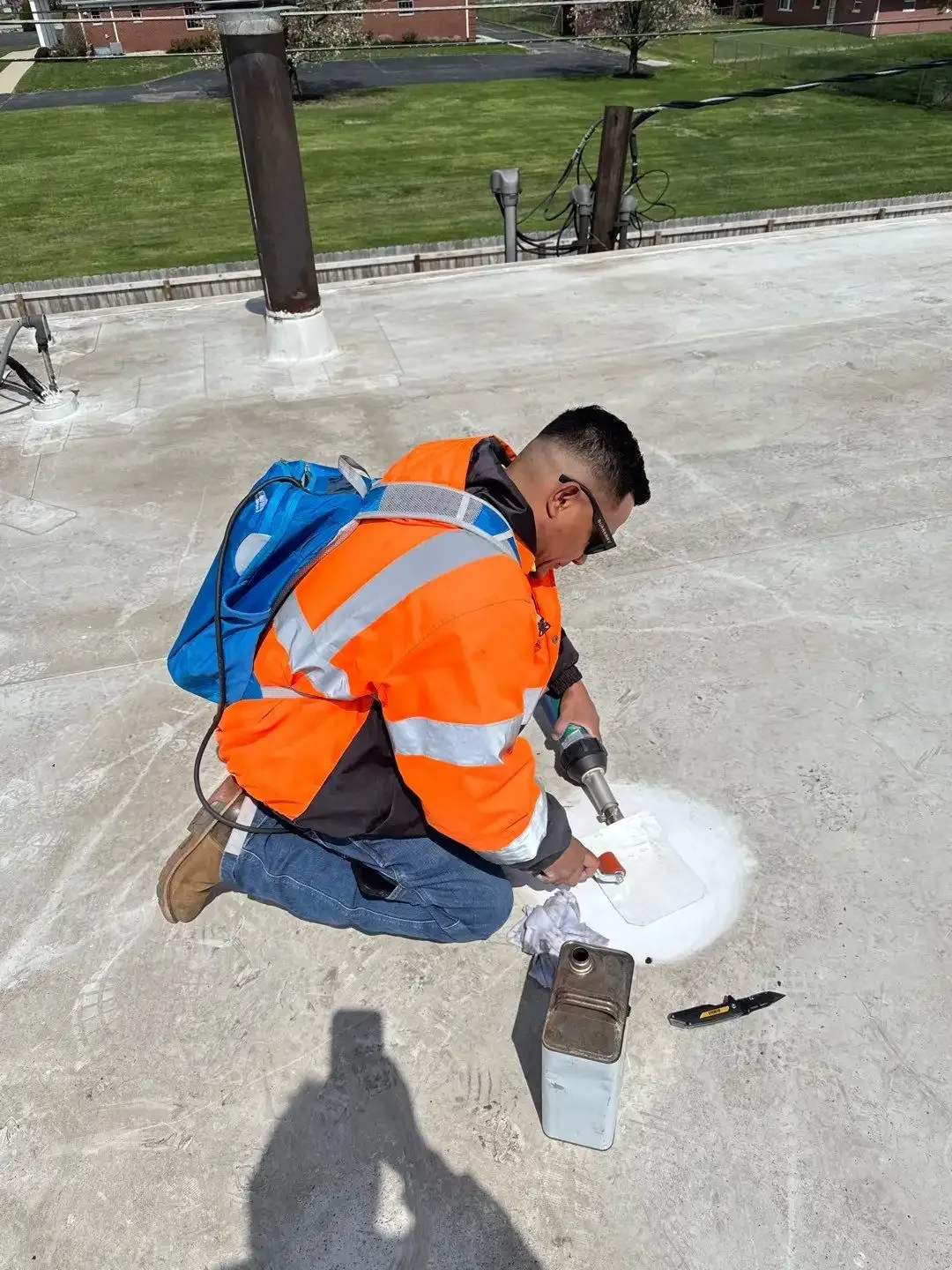
We look at the places that move: expansion joints, flashing at walls, the laps of a membrane near drains. Soft spots underfoot suggest saturated insulation, and a roof that ponds after rain suggests slope or drain problems. We mark each finding on a roof diagram and recommend the repair that fits its extent. Our commercial roof inspection produces that diagram with photographs.
Choose a System for the Building's Use
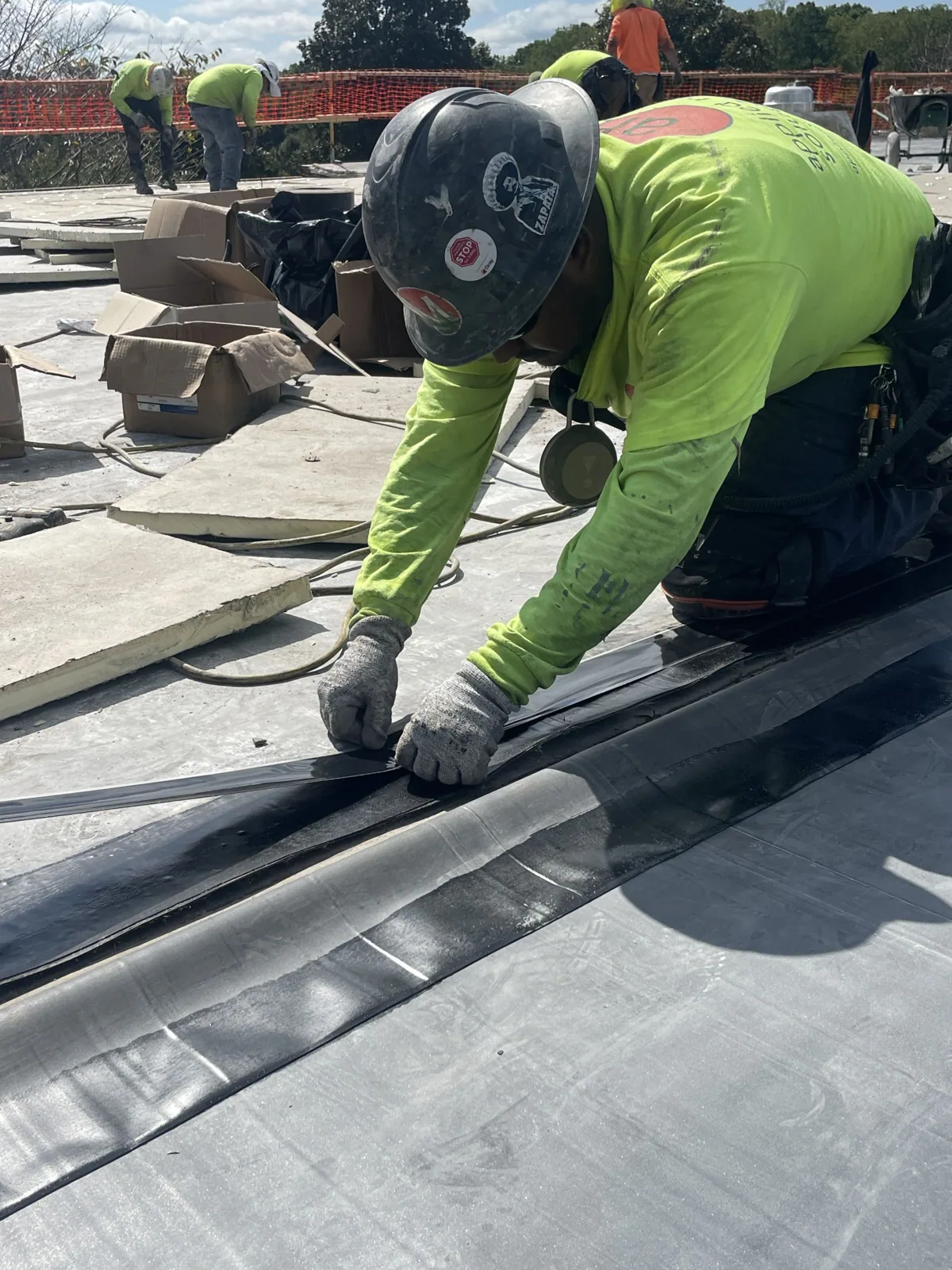
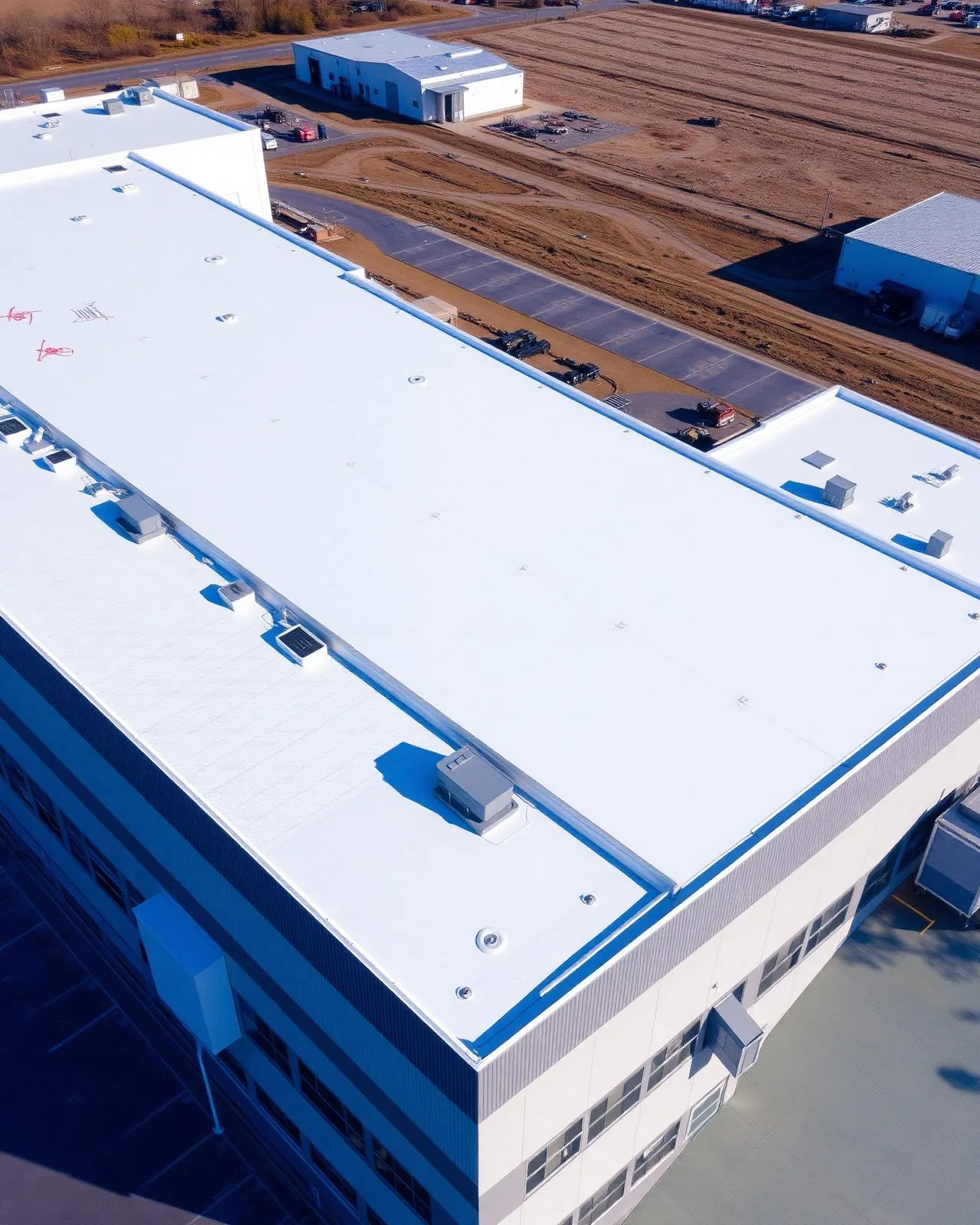
A community building with a broad, low-slope roof is a candidate for a white single-ply membrane such as TPO or PVC, which welds at the seams and reflects heat in summer. A building with a pitched roof and a view toward appearance may suit standing seam metal, which sheds snow and has a long service life.
The decision turns on slope, rooftop equipment, snow behavior and budget. We compare options in writing, listing installed cost drivers, the work window each needs and what maintenance each will ask for. Whatever an owner has already chosen, such as PVC roofing or modified bitumen roofing, gets reviewed against the roof's slope, drainage and snow behavior before a roll is ordered. If the choice is sound, we say so and proceed. If it conflicts with the building, we explain the conflict and offer the closest workable alternative, with the cost difference stated.
Protect Occupants Under the Work Zone
Wherever people use the building during the day, protection under the work zone is part of the job. We cover walkways, keep the main entrance clear and run a debris chute that ends over a fenced container and not over a path. Ceiling tiles below an open section may be covered or lifted out of the way, and sensitive equipment gets a tarp. Any area below an open section is checked at the end of each day for dust or moisture, and the findings go into the daily summary the owner receives.
Noise from tear-off carries through a light roof deck, so we keep the loud phases away from the quiet hours the building needs. Rooftop equipment that has to be shut down is coordinated with the owner ahead of time. The result is a roof project that disturbs the building as little as the work permits, which is the standard for occupied building reroofing.
Finish With Records the Owner Can Use
Before we leave, we walk the roof with the owner, photograph every flashing, seam and drain and write a punch list. The photo report and the written scope go in the building file. A board, a congregation or a property committee often changes members over the years, and a clear record lets a new member see what was done and why.
After that, the roof is placed on a simple schedule of checks. A fall pass clears the drains before snow, and a spring pass looks for freeze damage. Carlton, about 3 miles north, follows the same US 93 route, and Lolo lies on that highway closer to Missoula. A preventive maintenance program keeps findings small, and the roof condition reports we write support budgeting for the next repair or replacement.
Related Roofing Pages
Send the Calendar and the Roof Plan
Send the roof plan, the building's occupancy calendar and the access constraints so the phasing and the staging area can be mapped before any material is ordered.
Call 555-555-5555 or email [email protected].
Questions About Florence
When should a building that serves the public schedule its re-roof?
Book in winter for a summer start. The dry months are short and contractors fill up, so an early booking secures both crew and material. The building's own quiet weeks then set the phase dates.
How do you handle deliveries on a lot that fronts US 93?
We pick the stopping point and the crane position on the first walk, then split deliveries so no more than one truck is on the lot at once. A spotter works the entrance, and the staging area sits against the building wall, away from customer parking.
Which is a better fit for a low-slope community building, TPO or modified bitumen?
TPO welds quickly and reflects summer heat, so it suits a roof with long runs and few penetrations. Modified bitumen is tougher underfoot and suits a roof that sees regular traffic from service staff. Slope and drainage decide it in writing.
What does a Florence job need from the owner before it is scheduled?
The building's quiet weeks, the entrances that can close and any earlier leak notes. With those, the phases and the crane date can be fixed in one call, and the roof type and age are read from the roof itself on the first walk.
Can a leak be stopped before the main project starts?
Yes. A temporary dry-in or a targeted patch stops water entry while the full scope is planned. We photograph the patch and its location so the later work addresses the underlying cause.