
A Roofing Partner for General Contractors in Missoula, MT
General Contractors
On a Missoula, MT job, the roof has to be dry before the interior trades start, and the date the roof is dry is set by the first snow, not by the schedule. If curbs, blocking and penetrations are not finished in the right order, the roofer waits on the mechanical sub, the drywall crew waits on the roofer and the whole interior slides into winter. We write the roofing scope as its own sequence with dates for the curb release, the crane pick, the dry-in and the final penetrations.
You get the sequence before the bid, so the roof appears on the project schedule as a set of steps and not as a single line.
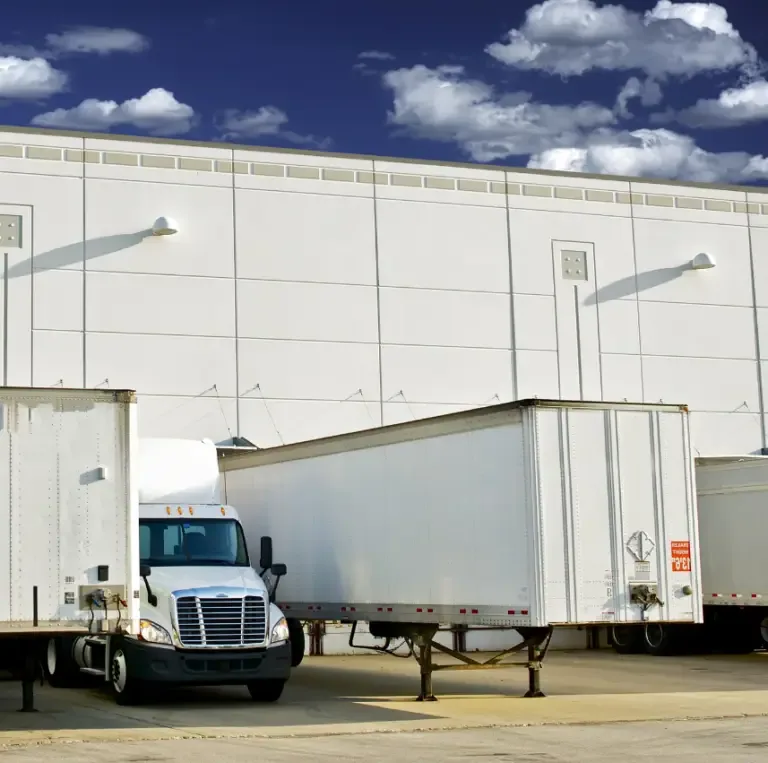
Write the scope to close the gaps between trades
A scope that works for a GC names the system, the deck, the insulation, the slope, the edge metal, the penetrations by count and the warranty the owner expects. It names what the roofer does not do: curb framing, structural patching, unit setting, sheet metal outside the roof edge. Each belongs to another trade.
When those lines blur, the roofer prices a gap and the GC pays twice. We close the gaps in writing, and we flag details that cannot be built as drawn: a flashing height at a low parapet, a curb too close to an edge, a drain sump with no overflow. Each flag goes to the architect as a written question with a sketch, so the answer lands in the submittal log.
Roof snow loads here come from a 40 psf ground load under ASCE 7-16, so we read the drawings for drift provisions and tapered insulation before a number goes out.
Alternates matter on a new build. An owner may ask for added insulation, a higher grade of membrane or a longer warranty term. We price each on its own line, so the GC can bring the owner a menu and not a surprise.
Know what is going up in this market
Missoula has several areas under construction or redevelopment. The Old Sawmill District sits on a former mill site that ran for nearly a century, and its developer's timeline called for 650 to 700 residential units plus a mixed-use parking structure, student housing, an inn and a grill. Mary Avenue is the first phase of a new street grid around Southgate Mall, with future side streets for housing and retail. Private hangar construction west of the airport terminal was picking up in 2018, and a new South Concourse opened in 2022.
Industrial work is planned as well. The county plans roughly 400 acres south of the airfield for light manufacturing, and the proposed 116-acre West Bonner Log Yard subdivision across the Blackfoot River would hold 27 industrial lots. A GC here may build a student housing block, a hangar and a tilt-up warehouse in the same year. Each calls for a different roof and a different crew. The Old Sawmill District and the Missoula airport area are two places where that mix shows.
Access differs by site. A job on Brooks Street sits inside a corridor planned for greater density, so lanes and lifts compete with new street work. A job off Mullan Road sits in an industrial area where sewer service and right-of-way are in place and the county development park has been described as largely filled. A job at Bonner-West Riverside works around the old mill site and the Blackfoot River. We ask early where the lift goes, which gate the crew uses and where deliveries stage, and we write the answers into the bid.
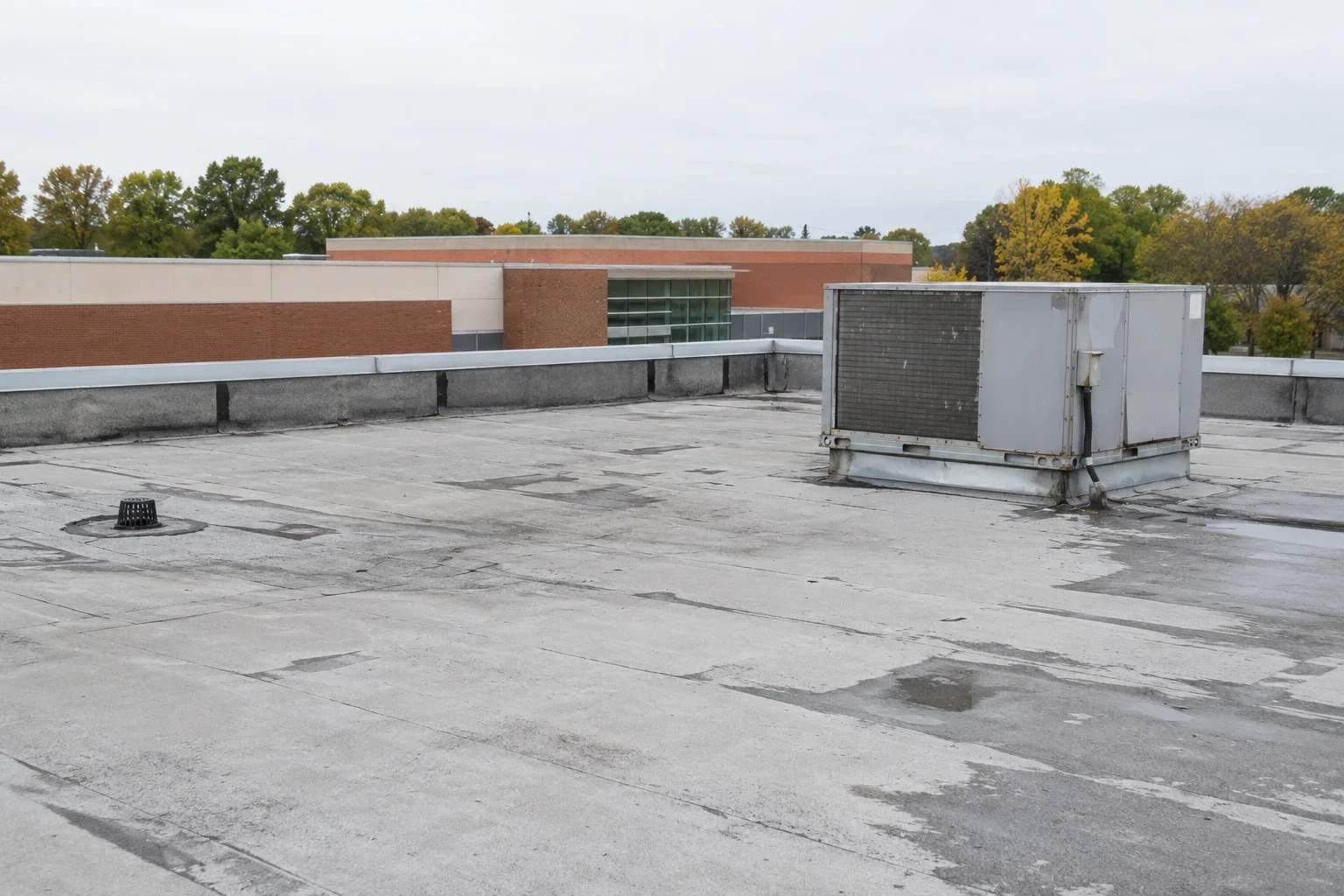
Sequence the roof with mechanical and electrical
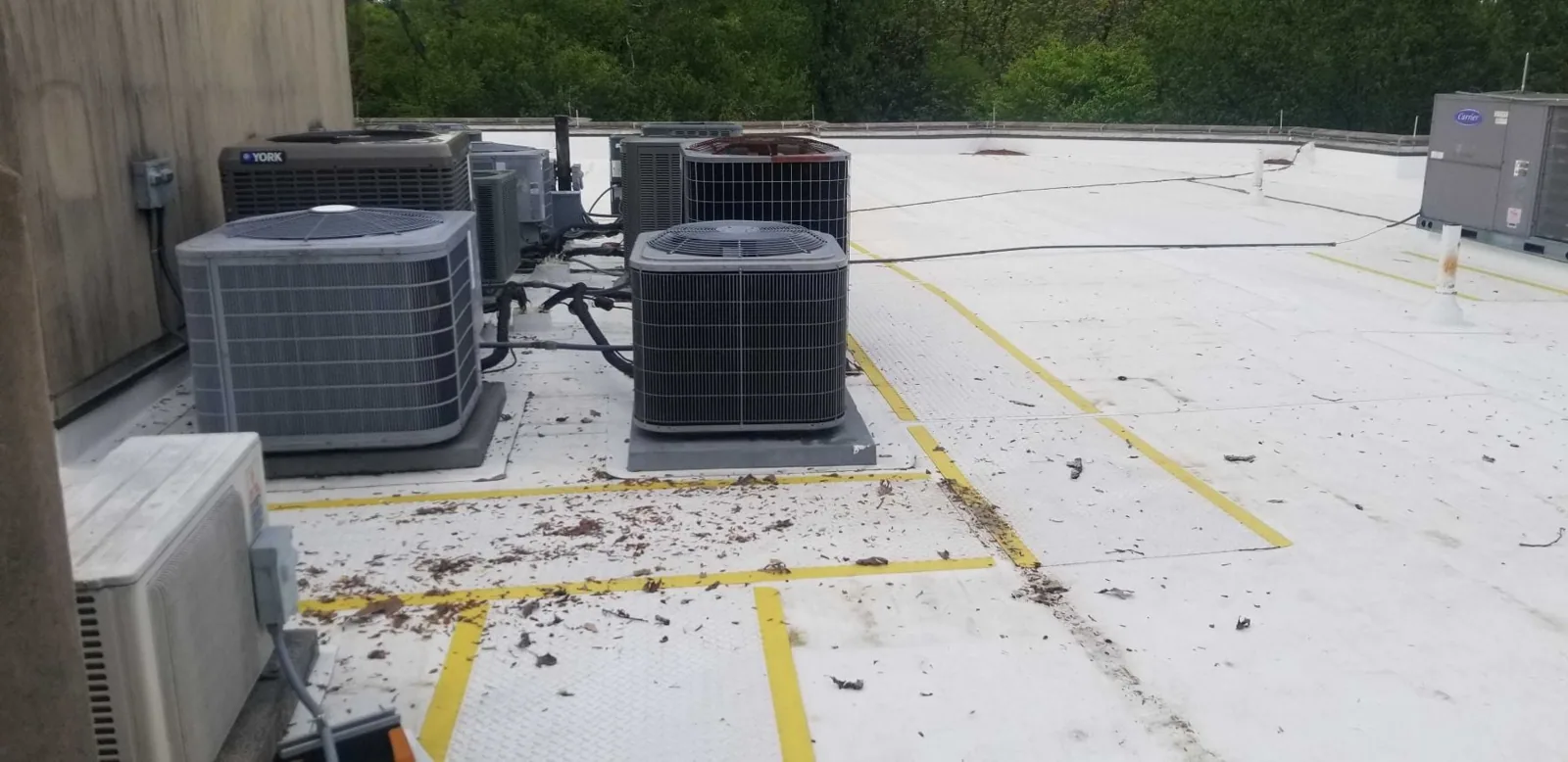
The mechanical sub wants curbs early and units set soon. The roofer wants curbs flashed before units go on. Electrical wants conduit through the roof where it suits. A clear sequence settles the argument: curbs and blocking first, then membrane and flashing, then units, then final penetrations with a roofer on site to seal each one.
We attend the roof coordination meetings with a marked-up plan of every penetration, its size and its trade. Penetrations added after the membrane is complete are priced and sealed under the same warranty rules, which beats a plumber cutting a pipe through a finished roof and leaving a pitch pocket for someone else to fix in February.
Details such as equipment curbs and supports need a decision before the deck is closed. A cover board choice affects thickness and flashing height. If the owner wants panels later, solar-ready roofing details go in the first pass, so the membrane is not opened twice.
Protect the dry-in from snow, thaw and wind
Snow totals about 39.5 inches in a winter here, stays down for months and comes with roughly 45 all-day freezes. Adhesives, primers and some membranes need steady temperatures to cure. A day that starts below freezing can end too late to start a seam, so we build winter days into the schedule with a number for each month.
Wind adds a second limit. Wind design is 102 mph for Risk Category II. A half-finished roof has loose insulation and open edges, so we tie down boards at the end of each shift and watch the forecast. If a cell is likely, the open area closes first and material comes off the edge.
The state energy code in effect since June 10, 2022 is the 2021 IECC with Montana amendments. We confirm insulation levels with the architect before ordering, since a change after the boards arrive costs a week.
Phase renovation work above occupied space
A tenant improvement or renovation in a working building changes the roof plan. Dust, noise, access and egress have to be managed, and the roof cannot be opened above areas that must stay in service. Our occupied building reroofing method opens small sections and closes them the same day.
We confirm with the GC which tenants are affected, which roof sections belong to the landlord and which to the tenant, and who signs for a repair if a leak traces to new work. We photograph the roof as found, before anyone cuts. That record protects the GC from a claim for conditions that existed before the job.
Close out with the paperwork the owner needs
The closeout binder asks for the warranty, material data, as-built drawings with penetration locations and a maintenance guide. We deliver each in the format the GC wants, and we track the warranty application so a missing signature does not stall final payment. Warranty management continues after closeout.
The punch list comes last. Drains tested, flashings checked, surface cleaned, covers removed. For public work, such as school district and public agency projects, the paperwork list is longer, with payroll reports, bonds and insurance certificates. We keep them ready so they do not hold the pay application.
Related Roofing Pages

Send the drawings and the dry-in date
Send the roof drawings, the project schedule and the date the building must be dry, and we will map the roof sequence, the crane pick and the coordination items for the other trades before any material is ordered.
Call 555-555-5555 or email [email protected].
Questions About General Contractors
Do you take new construction scopes as well as re-roofs?
Yes. New construction needs the deck ready and the curbs and blocking in place. We confirm a readiness list with the GC before mobilizing, so the crew does not arrive to a deck that is not ready.
How are unforeseen conditions handled at tear-off?
Saturated insulation, rotted decking and missing blocking are priced by unit rates stated in the bid. We photograph them and measure quantities, and the GC gets documentation to pass up to the owner.
Can you work with an owner's preferred system?
Yes. We install TPO, PVC, EPDM, modified bitumen, built-up, standing seam and other systems. Our job is to price it and detail it for the snow and the freeze.
What if the roof is not ready when other trades need it?
We tell the GC as soon as a delay is likely, with the cause and a recovery plan. Common causes are material lead time, a late deck release or a cold or snowy week.
Who inspects the roof before the owner accepts it?
We walk it and photograph every seam and penetration. A manufacturer's inspector may also walk it when a warranty requires it, and we set the visit with the GC.