
Solar-Ready Roofing in Missoula, MT
Solar-Ready Roofing
The roof must outlive the array, and that sets the order: roof first, array second. A solar array fixed to a roof that needs replacement in five years means taking the array off, replacing the roof and putting the array back, at a cost the owner did not budget. In Missoula, MT the roof also carries a 40 psf design ground snow load and a 102 mph basic design wind speed, so the array adds weight to a structure already working in winter. We check the roof's remaining life and structure first, then lay out the mounting, the access paths and the warranty steps in a sequence the solar contractor can follow.
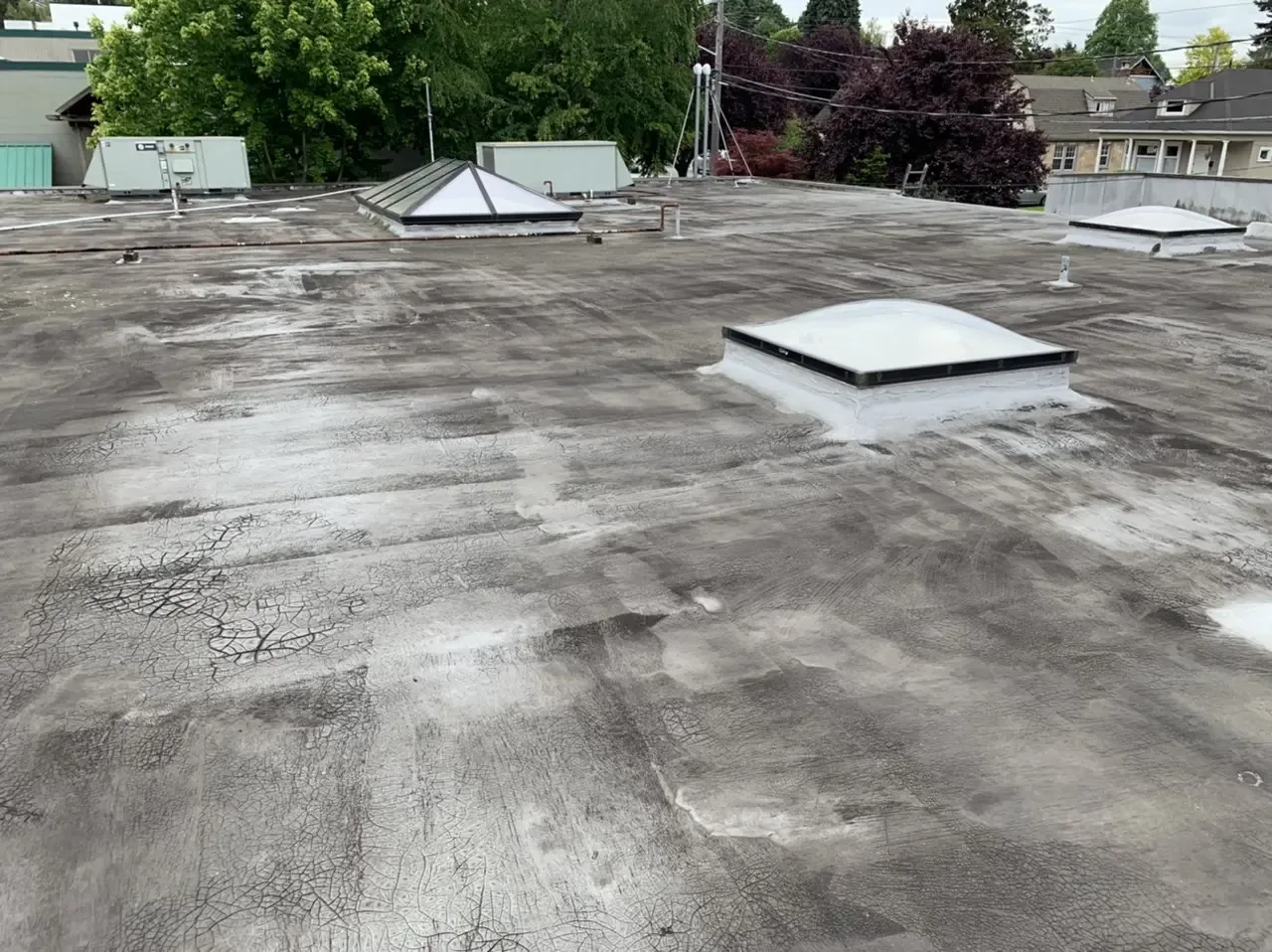
Confirm the Roof Has Years Left
A roof with ten or fifteen years of service ahead is a good host. A roof with three is not. We survey the membrane, the insulation and the drains, and we estimate remaining life from the findings. An infrared scan finds saturated areas that must be replaced before any rack goes down.
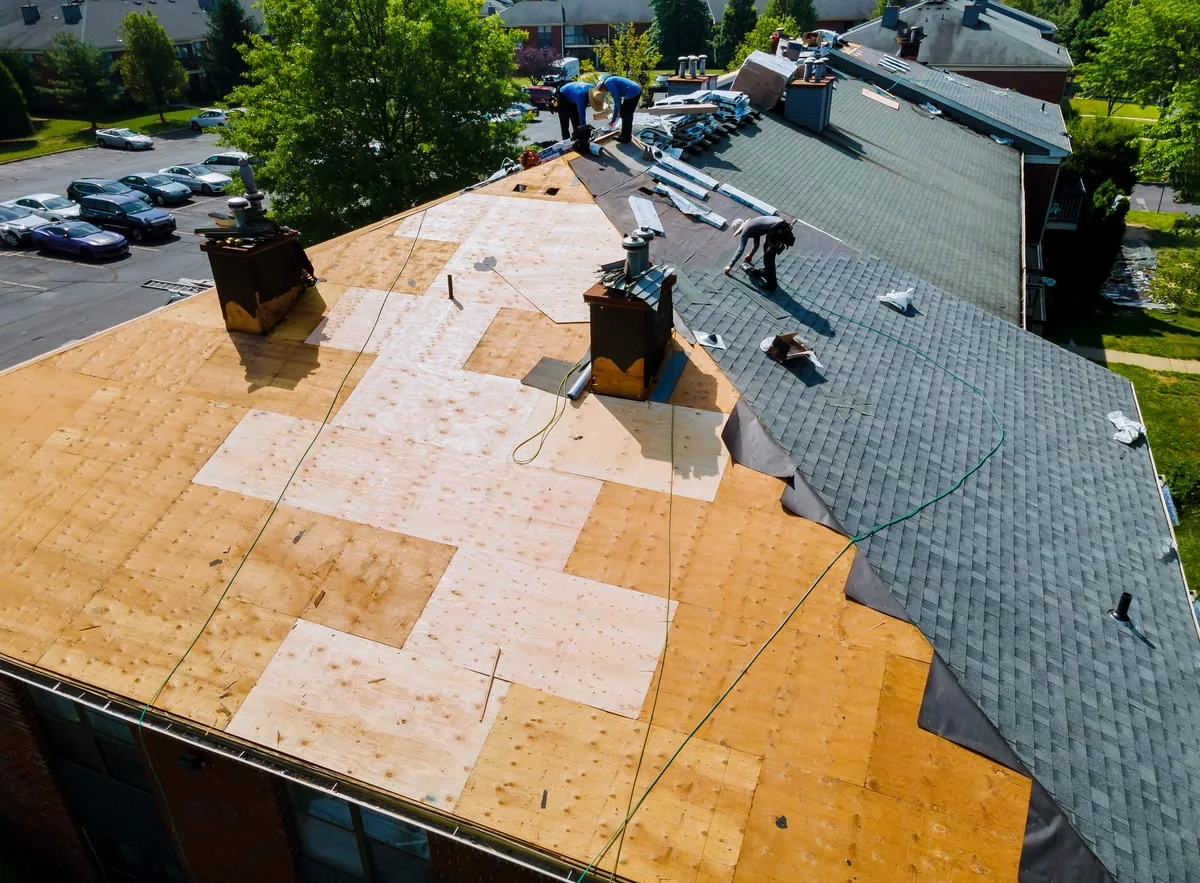
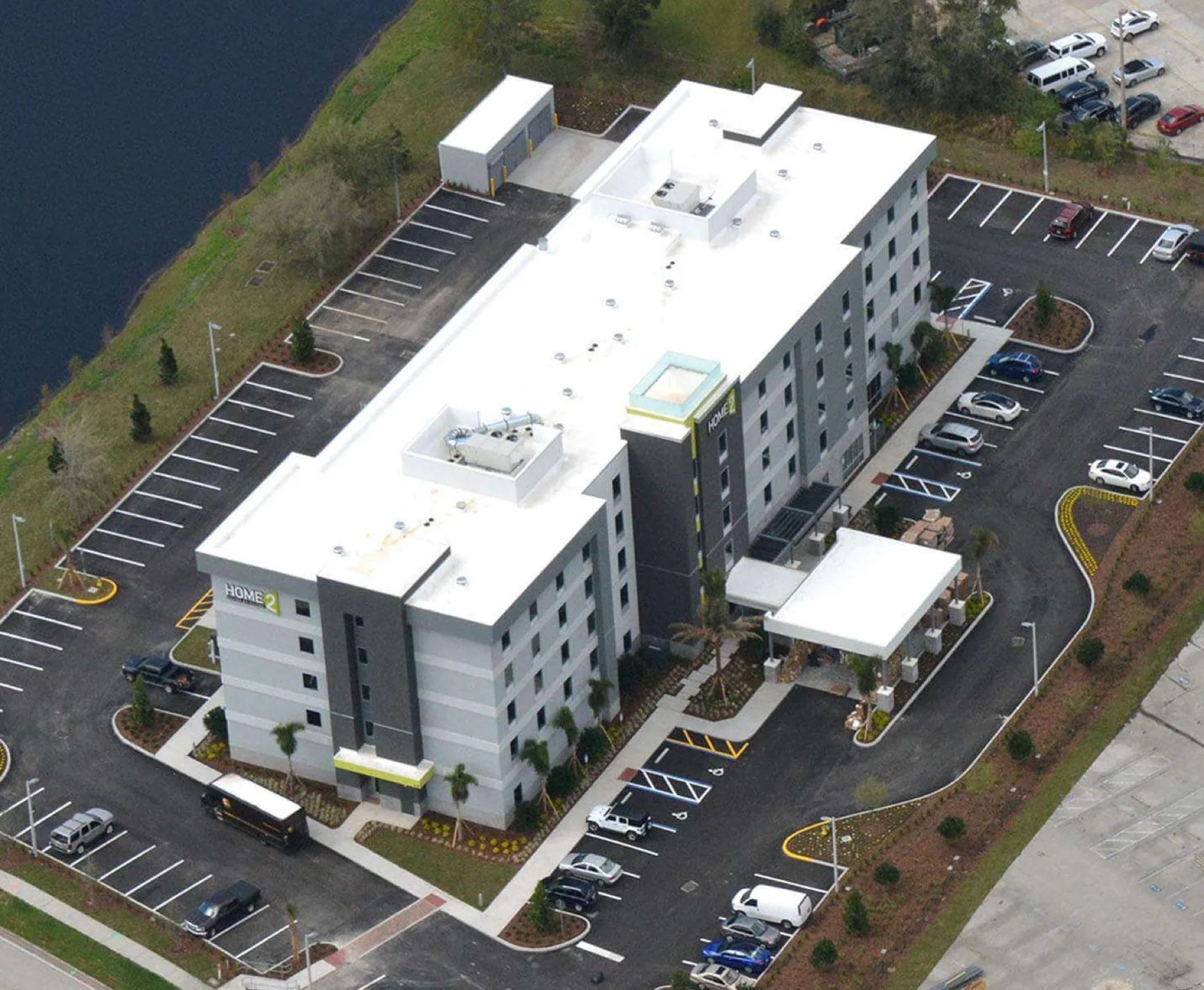
If the roof is near its end, the owner has two sound choices: reroof first, or reroof as part of the array project with the roofing and the racking designed together. The replacement includes mounting points built into the system, so no one has to cut the new roof to attach the old plan. A TPO roof installed with approved walkway pads and flashed mounting points is a typical pairing for a flat array.
Insulation and drainage get fixed at the same time. The new layers can be tapered toward drains so water does not pond under a rack, and the insulation and cover board plan is drawn before the racks are laid out.
Check the Structure Under Snow and Panels
Panels add weight, and snow adds more. Missoula's roof snow loads come from the state table in ARM 24.301.154(2) and ASCE 7-16, and drifts form against and behind arrays. A ballasted array adds steady dead load across the field, and an attached array concentrates it at the mounts.
A structural review confirms that the framing and the deck can carry both. The 2011 snow collapse at the former Bonner mill is the extreme case, but even a sound building can be overloaded by an addition no one planned for. The review comes before the array design and sets the limit on array size.
Campus roofs follow the same rule. An owner with 64 buildings on 220 acres, as at the University of Montana, would rank roofs by remaining life and capacity first, then fit arrays to the best hosts. The ranking is a table the owner can sort, and it comes from the same survey that supports any roof capital plan.
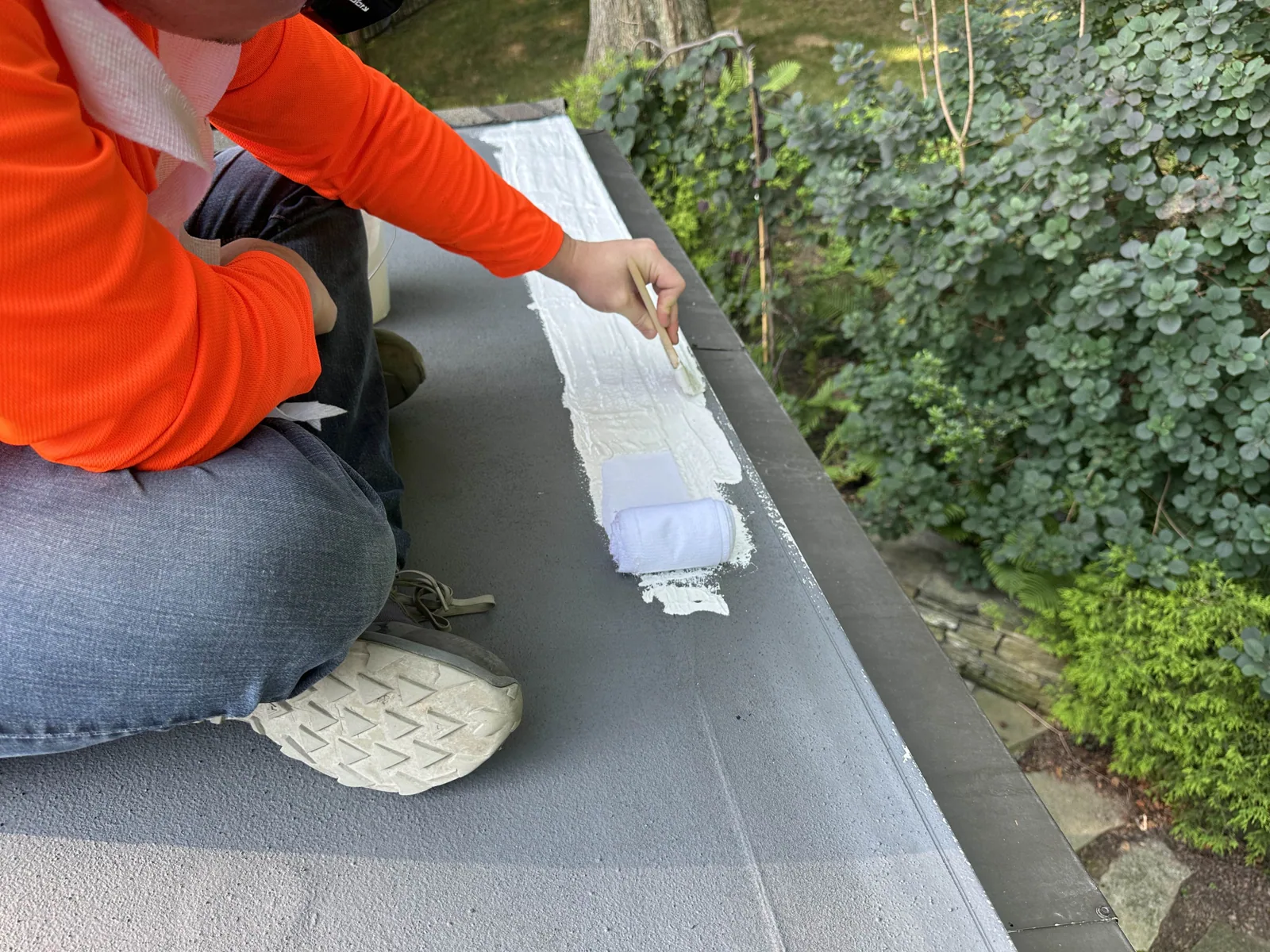
Choose Ballast, Attachment or Both
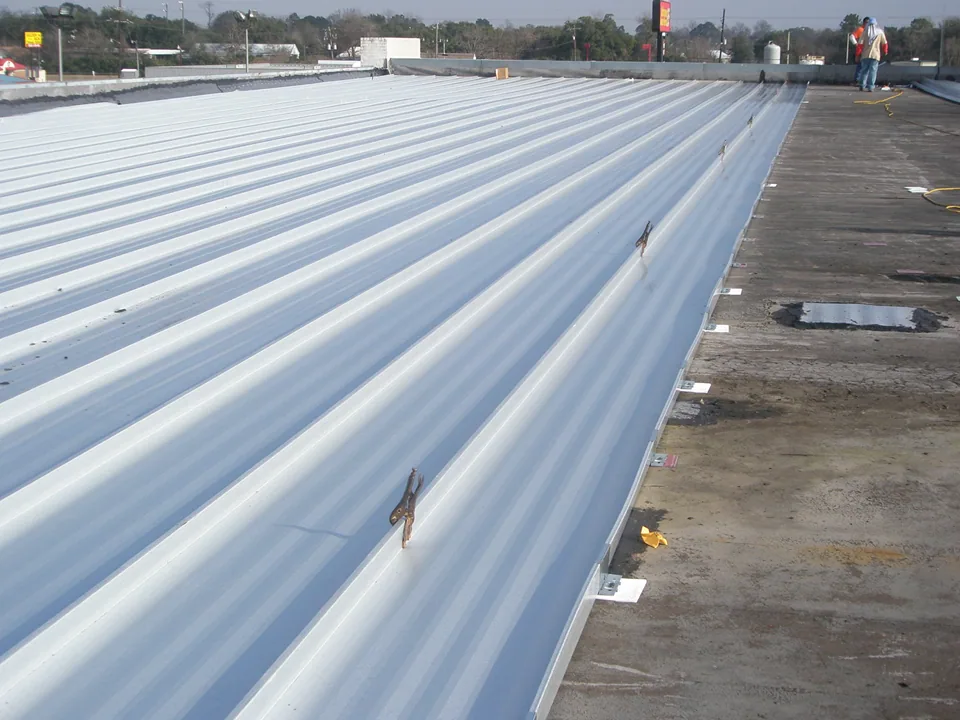
Ballasted racks sit on the membrane under their own weight and avoid penetrations, but they add load and need protective pads. Attached racks fix to the structure through the membrane, with each penetration flashed. Many designs mix the two. On a standing seam metal roof, clamp-on mounts avoid penetrations altogether, which is why a standing seam metal roof is a favored host.
Wind decides the split. At 102 mph design wind for Risk Category II, the array's edges and corners take the highest uplift. Ballast blocks at the perimeter may not be enough alone, and attachments at the corners add resistance. The solar designer and the roofer settle the pattern together.
Thaw cycles add movement. A rack that sits on the membrane moves a little with each swing of more than 30 F, and the pads under it wear. We check the pads at each maintenance visit and replace the ones that have flattened or shifted. A rack that has walked across the roof by a few inches can load a seam it was never meant to touch.
Protect the Membrane and the Warranty
Walking pads under the racks, protection layers under the ballast and slip sheets at contact points keep the membrane from wearing through. The membrane manufacturer may require approved pads and specific flashing details for the warranty to hold.
We keep the warranty file open from the first day. Before the array goes on, we photograph the roof, record the membrane condition and obtain written approval from the manufacturer where required. After the array, a joint inspection confirms the details. A warranty file in good order makes later claims simple.
Plan the Snow Shedding and the Access Paths
Panels shed snow in sheets, and the sheet lands where the roof allows. Snow sliding off the lower edge onto a lower roof, a walk or an entrance is a safety problem. Setbacks from the edge, snow guards on the lower rows and clear drainage paths manage it.
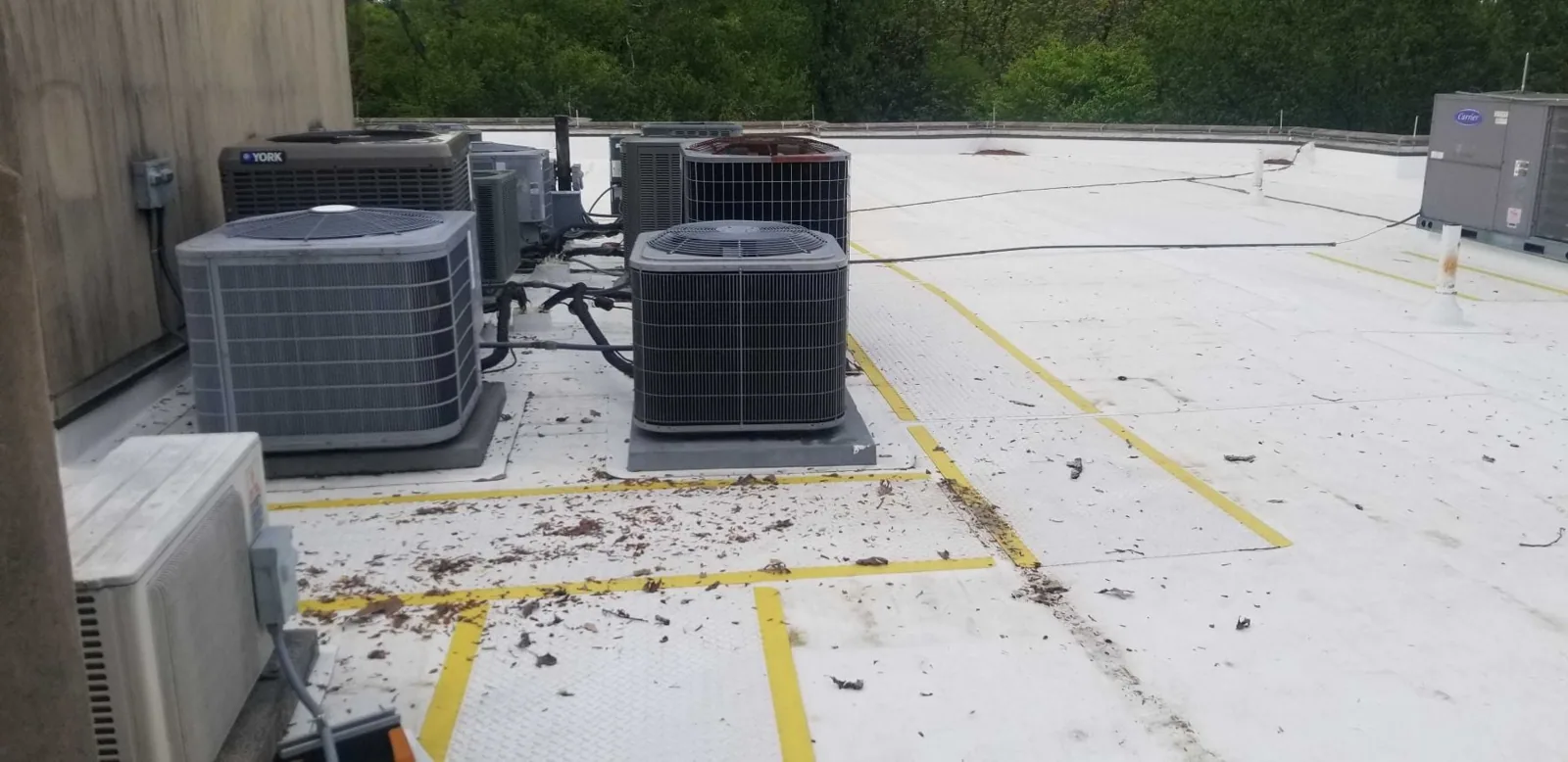
Fire codes and maintenance need paths between arrays and around equipment. Those paths double as drainage routes, and they keep the crew off the panels. Rooftop equipment such as units and exhaust sits clear of the array, so curb and support work stays accessible after the panels go on.
Work Around an Existing Array
Sometimes the array is already there and the roof under it needs repair. The array has to come off in sections, or the roof is repaired in the aisles. Disconnecting, labeling and re-landing wiring belongs to the solar contractor, and we schedule our work.
Retail roofs on North Reserve Street, large flat roofs near the airport in the Missoula Airport area and industrial buildings in the Missoula Development Park often offer the large roof areas an array wants, and each carries these same sequencing questions. A written sequence names who does what and which days the roof stands open.
Drain access is the detail most often missed. Racks and ballast can cover a sump, and a covered sump cannot be cleared before the thaw. We mark each drain on the layout and keep a clear radius around it, so the maintenance crew can reach it in January and in July.
Related Roofing Pages
Send the Roof Age and the Array Layout
Send the roof plan, the roof age and any array layout you have, and we will schedule a survey and a load review. The first report states the roof's remaining life and the order of work.
Call 555-555-5555 or email [email protected].
Questions About Solar-Ready Roofing
Can any roof take solar panels?
No. The roof needs remaining life, a structure that carries the added load and drainage that keeps water from pooling under racks. A roof that fails any of the three is repaired or replaced before the racking is ordered. A survey and a structural review answer all three.
Should I replace the roof before installing solar?
If the roof has less life than the array, yes. Replacing first avoids a costly removal and reinstall later, and it lets the warranty cover the mounting details.
Do arrays void a roof warranty?
They can if the installation breaks the manufacturer's rules, such as a rack set on an unapproved pad or a mount that cuts a seam. Use approved pads and flashing, get written approval and keep the photo record. The roofer and the solar contractor should coordinate, and the owner should hold a copy of the written approvals from both.
What happens to snow on a solar roof?
Snow slides off in sheets and drifts behind the rows. The design includes setbacks, snow guards where needed and clear paths, and the structural check includes drift loads. Snow that slides off the lower row can pile up against a parapet, so the design leaves a gap or a guard there.
Can a metal roof carry solar without penetrations?
Yes. Clamp-on mounts grip the seams of a standing seam roof without piercing the panels, which keeps the roof watertight and the metal warranty intact, and the manufacturer's data sheet lists the approved clamps for the profile.