
Rooftop Equipment Curbs and Supports in Missoula, MT
Rooftop Equipment Curbs and Supports
An equipment swap goes wrong in a predictable order: the crane lands the unit, the old curb is cut out, the new curb is set and the flashing is rushed to beat the weather. The roof then leaks at the curb within a year. In Missoula, MT the order has to account for a short weather window, a 40 psf design snow load and drifts that pile against every unit. We plan the swap as a sequence, with the crane pick, the curb build, the flashing and the dry-in each assigned a day, so the roof is closed before the next storm and the owner sees the schedule before any unit is lifted.
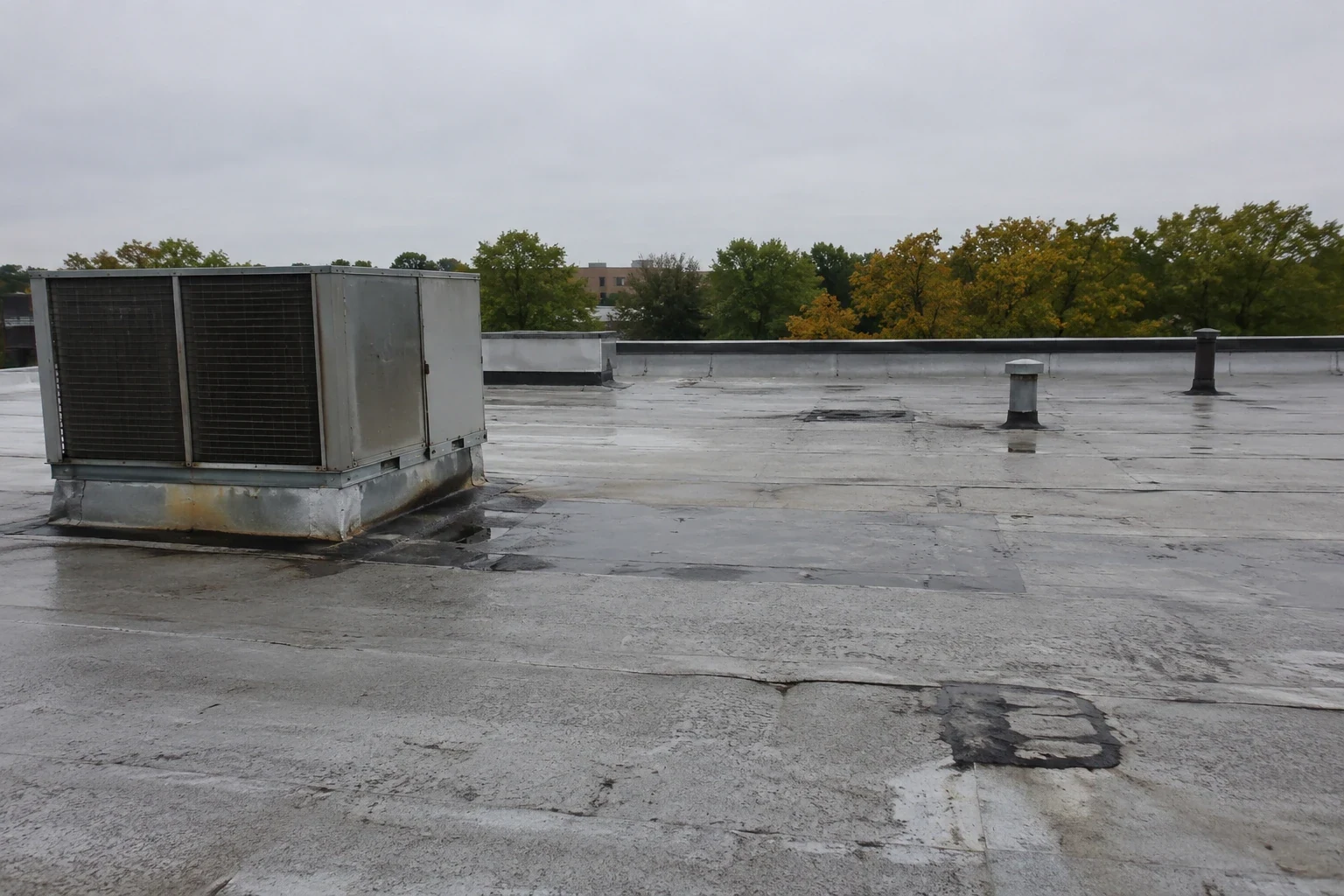
Check the Load Path Before the Unit Is Ordered
A rooftop unit bears on its curb, the curb on the deck, and the deck on the framing. Each link must carry the unit's weight plus snow, wind and the service crew. Ordering a heavier unit than the roof was drawn for is a common mistake, and the deck under the old curb may not take the new one.
We ask for the unit's operating weight and footprint, then check the framing below. Missoula's roof snow loads are calculated from a 40 psf ground load under ASCE 7-16, and drifts around a tall unit can exceed the field load. Where the margin is thin, a structural engineer sets the support.
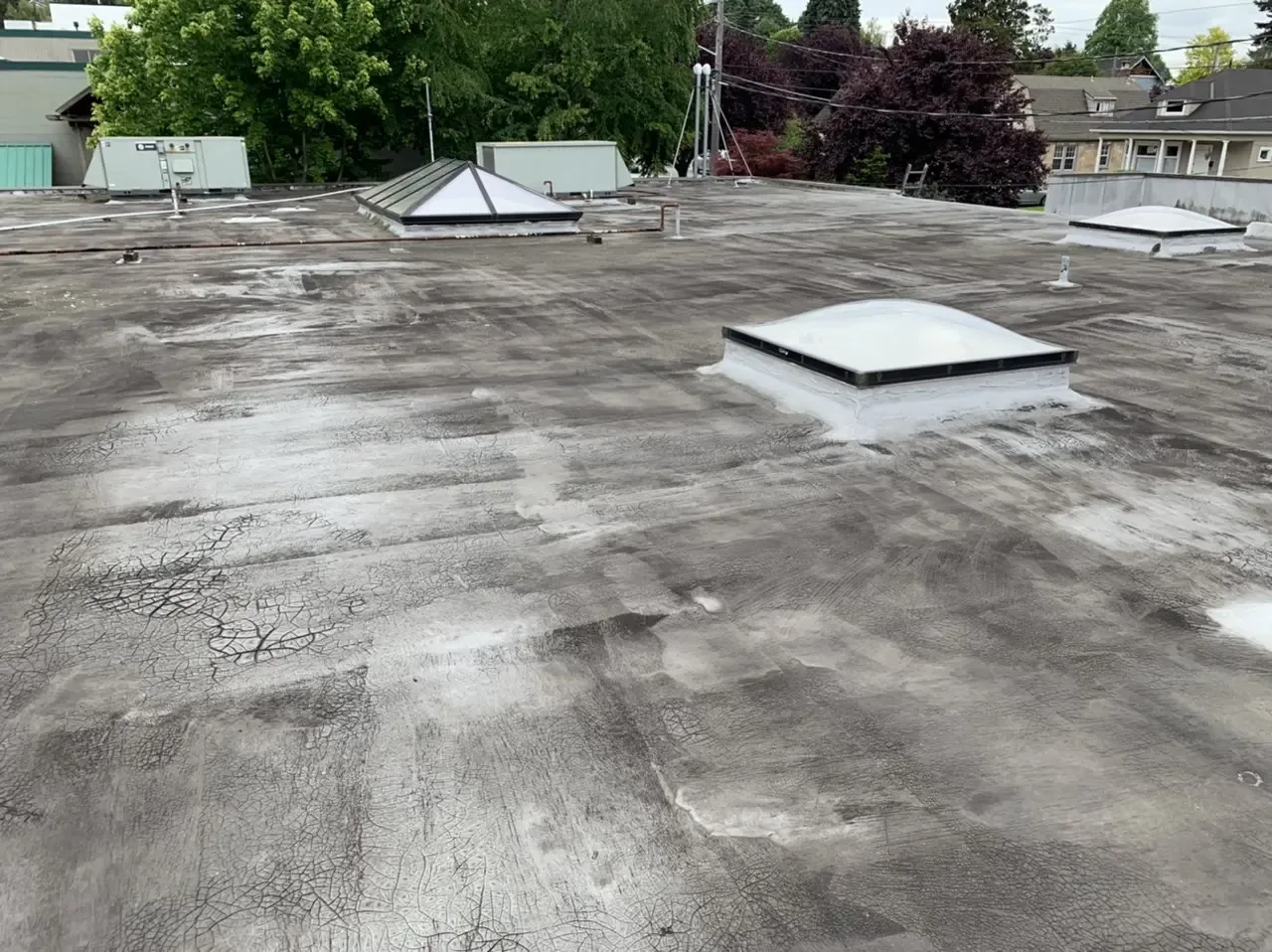
Equipment on a roof of a building like those on the University of Montana campus, with 64 buildings on 220 acres, may carry many units of different ages, and a unit schedule with weights and locations is the first thing a campus roof file needs. The same schedule on a single building takes an hour to draw and prevents a heavy surprise later. A TPO roof takes a welded curb flashing, and the schedule notes which curbs have which system.
Build the Curb Tall Enough for the Drift
A curb has to rise above the finished roof high enough to clear ponded water and drifting snow. Many manufacturers specify a minimum height, and snow country calls for more. Snow piles against the windward side of a unit and holds meltwater against the flashing for days.
The curb is framed with treated or metal materials, insulated and flashed with a base flashing that laps onto the membrane and a counterflashing that laps over the curb. Corners are reinforced and the seams are staggered. A curb built to the minimum height and buried by one February drift is the usual cause of an early leak.
When an existing curb is reused, it is checked for rot, rust and movement before the new unit goes on. Wood that probes soft is replaced, and metal with perforated rust is cut out. A curb reused without a check is a curb that fails under the new unit, and the repair then costs the swap again. The old curb is photographed before demolition so its condition is on record.
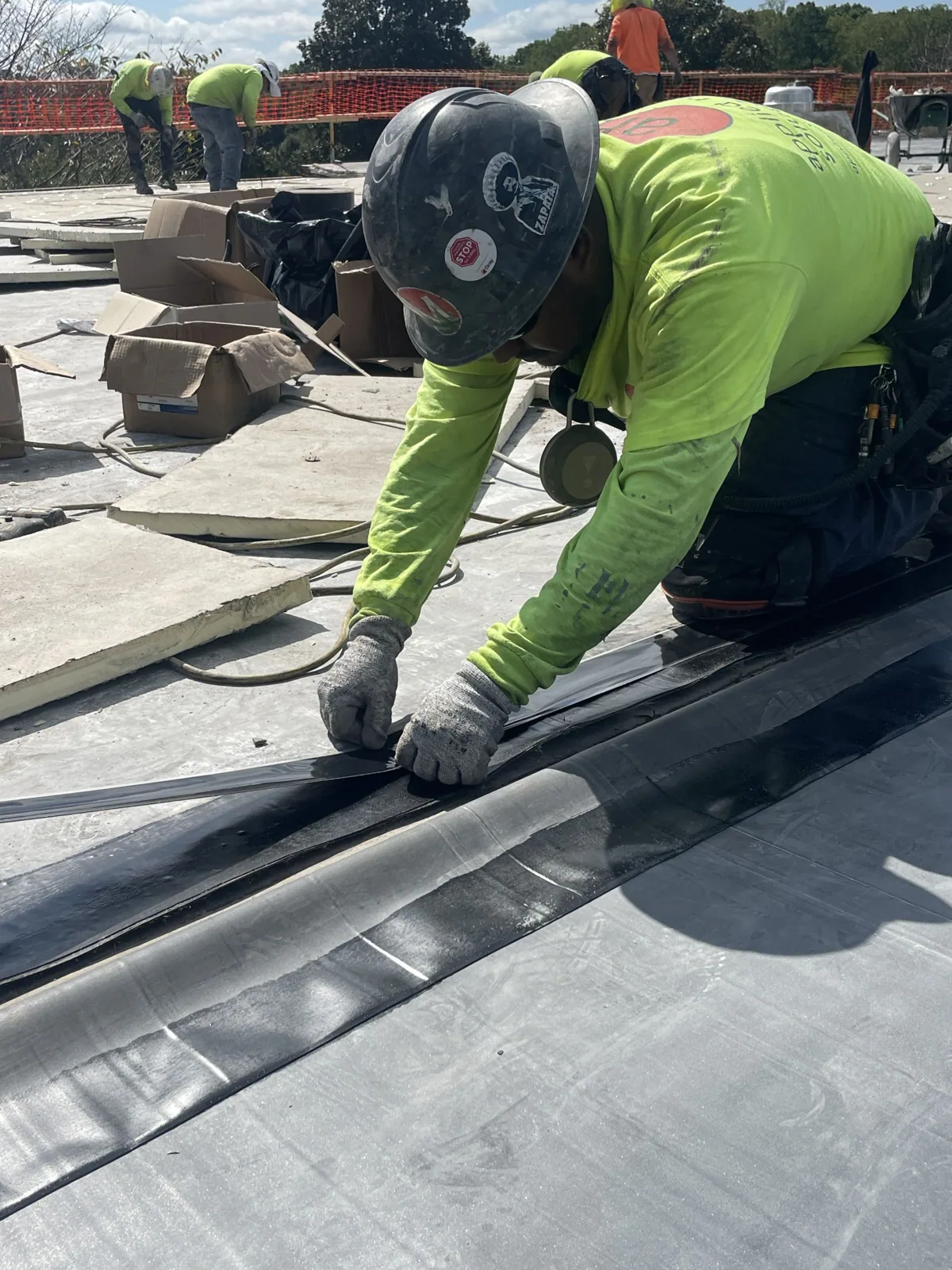
Sequence the Crane Pick With the Roof
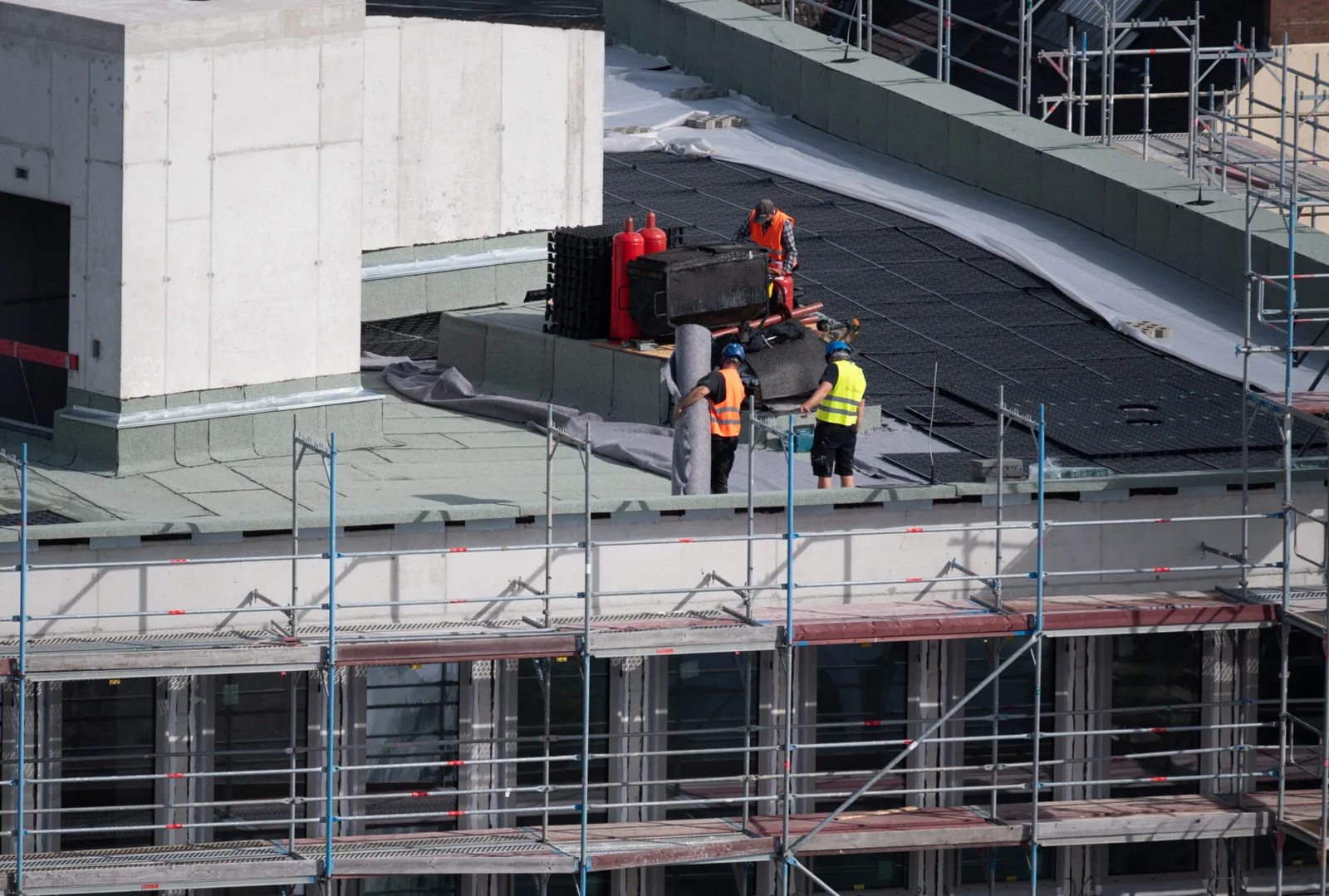
A crane pick is the loudest and riskiest hour of the job. The crane needs a stable pad, a clear swing path and a landing spot on the roof that is protected from the load. Plywood, rubber mats or a temporary platform spread the weight across the membrane.
The pick is scheduled for a dry, calm morning. Wind above the crane's limit stops the lift, and that costs the day. We stage the new curb, the flashing materials and the temporary cover before the unit moves, so the opening is dried in within hours. Weather windows are short in Missoula, and a lift that slips by a day can slip by a week when snow arrives. A reroof with tenants in place uses the same staging logic, with the crane path and the entrances mapped.
Support Pipes and Conduit Off the Membrane
Pipes and conduit that lie on the membrane trap water, wear through the surface and block drainage. Supports lift them clear, with pads that spread the load and sleeves that let them move. Where exhaust leaves oil or grease on the surface, a PVC roof detail around the discharge resists the film better than a standard membrane. Each support is flashed or set on a pad that the membrane manufacturer accepts.
Gas lines, refrigerant lines and condensate drains each have their own routes. Condensate that drains onto the roof freezes in winter, and an ice patch on a walkway is a fall hazard. We route condensate to a drain or a scupper and use heat tape where the run is exposed. Drain and scupper checks include these lines.
Thaw cycles move the pipes. A rigid support that fights the movement cracks the flashing around it, so supports use roller or slide details where the run is long. We count the supports and photograph them, and the log goes in the file with the curb log.
Coordinate the Mechanical Trade and the Roofer
The mechanical contractor owns the unit, and the roofer owns the weather seal. Both need to agree on who sets the curb, who flashes it and who inspects. The usual failure is a gap between the two, where the unit goes in and the flashing waits for a roofer who has not been called.
We write a short scope that names each task and each party, with the date. In a multi-tenant building on North Reserve Street, the landlord receives the same scope, so a tenant's unit swap does not void the roof warranty. A penetration flashing survey picks up what the swap missed.
Protect Occupied Space Below the Opening
Cutting the old curb opens the roof over the space below. Ceiling protection, plastic sheeting and a catch tray go in first, and the crew keeps the opening small. At a hospital such as St. Patrick Hospital or Community Medical Center, air handling and infection control add rules for dust and for shutdown windows.
The unit is set, the curb is flashed and the opening is closed in a single working day wherever the weather allows. If weather stops the job midway, a temporary cover over the curb holds until the next window. The punch list records the date, the weather and the cover used.
Closeout includes a photo of each finished curb, the flashing detail used and the sealant batch numbers where the manufacturer asks for them. The owner receives a curb log with the unit tag, the curb height and the date of the work. A future crew finds the detail in minutes.
Related Roofing Pages

Send the Unit Schedule and the Roof Plan
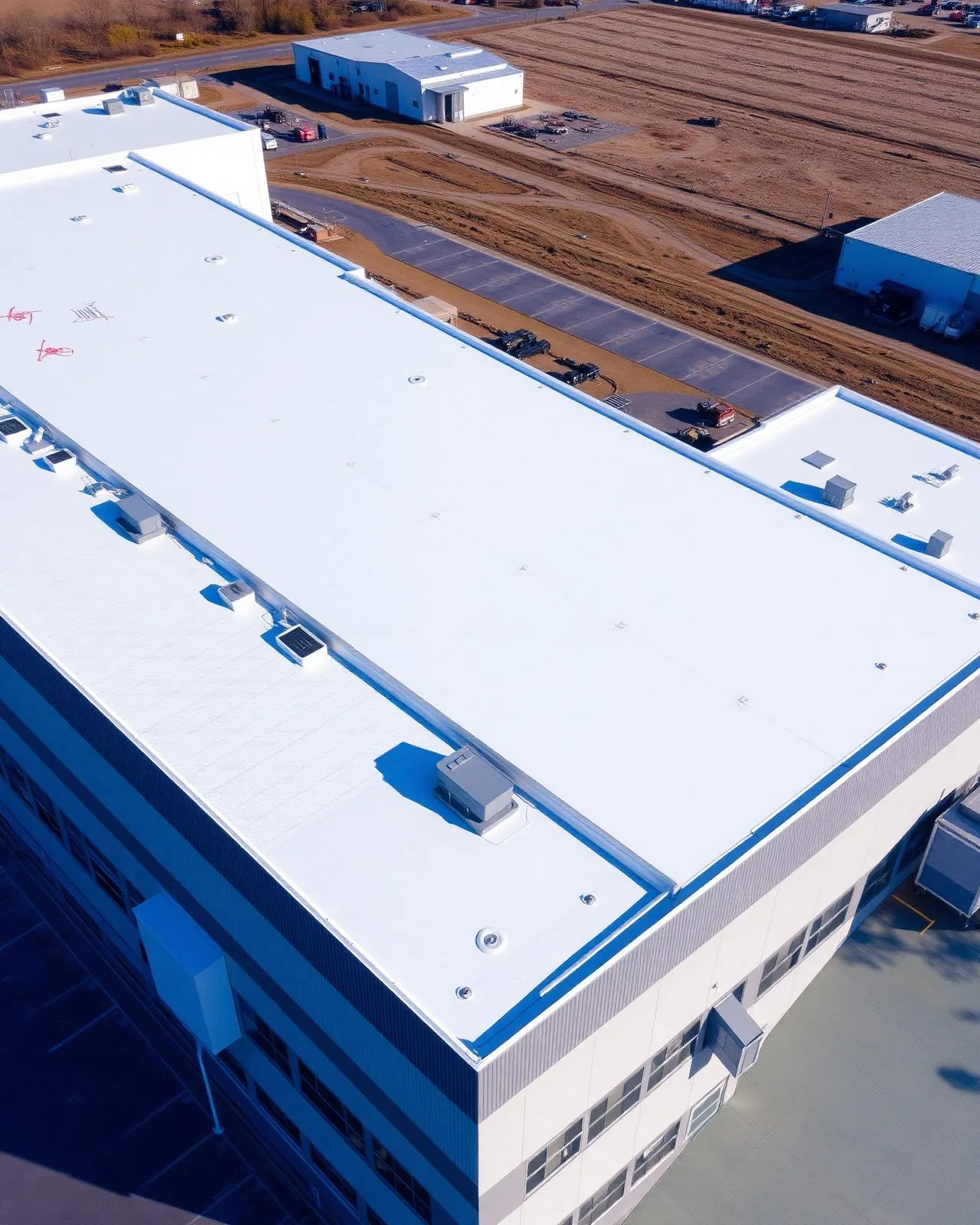
Send the unit schedule, the operating weights and the roof plan, and we will map the crane pick, the curb build and the dry-in sequence. You will get a dated plan before any unit is ordered.
Call 555-555-5555 or email [email protected].
Questions About Rooftop Equipment Curbs and Supports
How tall should a curb be in Missoula?
High enough to clear ponded water and drifting snow, and at least the manufacturer's minimum. Many owners choose a taller curb on units exposed to drift. The plan states the height.
Can a unit be swapped in winter?
Emergency swaps happen, with temporary covers and mastic, but the permanent flashing waits for mild, dry weather. We mark the temporary work and return when the weather allows.
Who is responsible if a new unit causes a leak?
The written scope names the party. When the mechanical contractor sets the unit and the roofer flashes the curb, each answers for their part, and the photo log shows which part failed.
Do I need an engineer for a heavier unit?
Usually yes if the new unit is heavier than the old or sits on a different bay. The engineer checks the framing and sets the support. We supply the unit data and the roof plan.
What does a curb repair cost compared with replacement?
A flashing repair costs less than a rebuild, but a curb with rot or a poor lap needs the rebuild. Each item is priced alone so you can compare.