
Roof Coating Restoration in Missoula, MT
Roof Coating Restoration
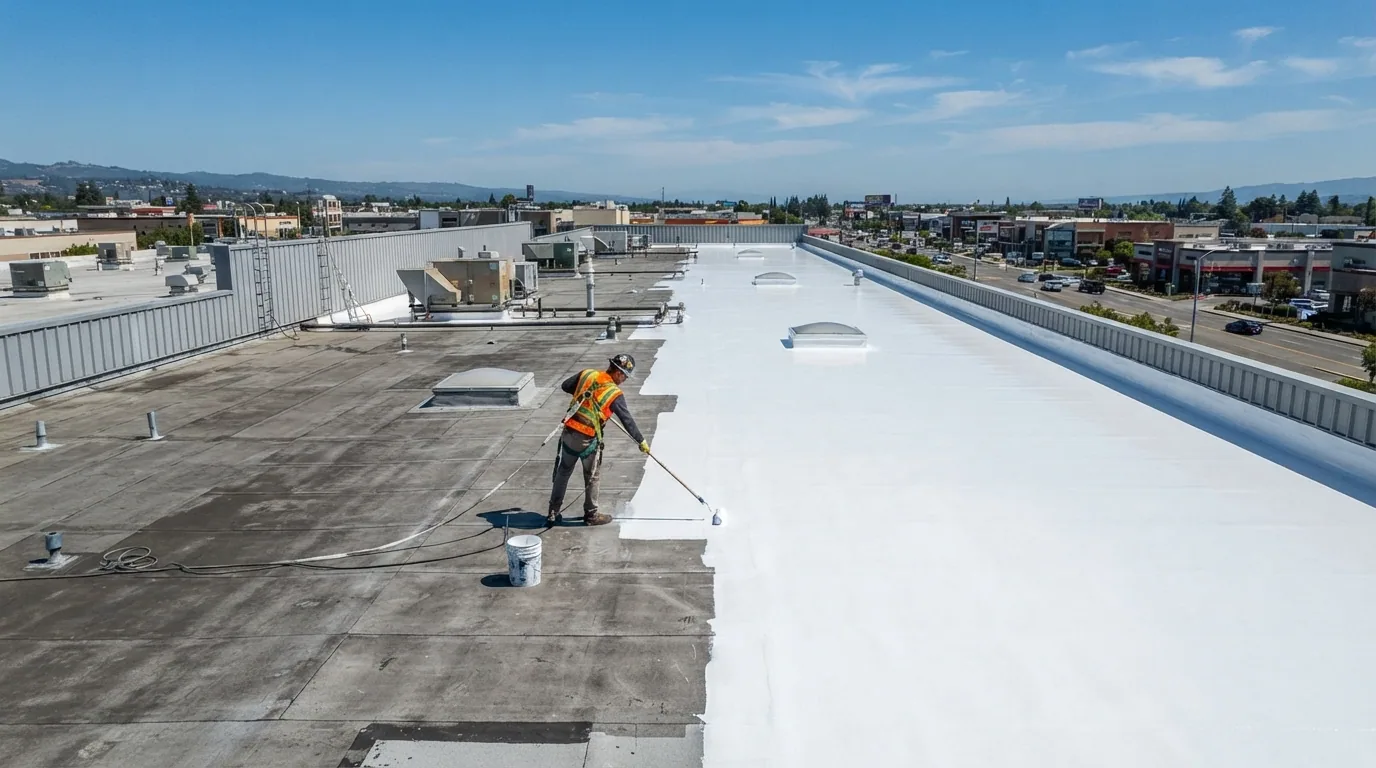
A coating goes on last, and a coating applied before the roof is ready fails first. In Missoula, MT the order is a moisture survey, then repairs, then cleaning, then primer, then the coating itself. Skip the survey and the coating seals moisture inside the roof, where it freezes and splits seams through the thaw cycles of the next winter. With snow on the ground about 120 days a year, the cure window is short, so each step has to be finished and documented before the next one starts. We map that sequence on the roof plan before any material is ordered.
Pass the Moisture Gate Before Anything Else
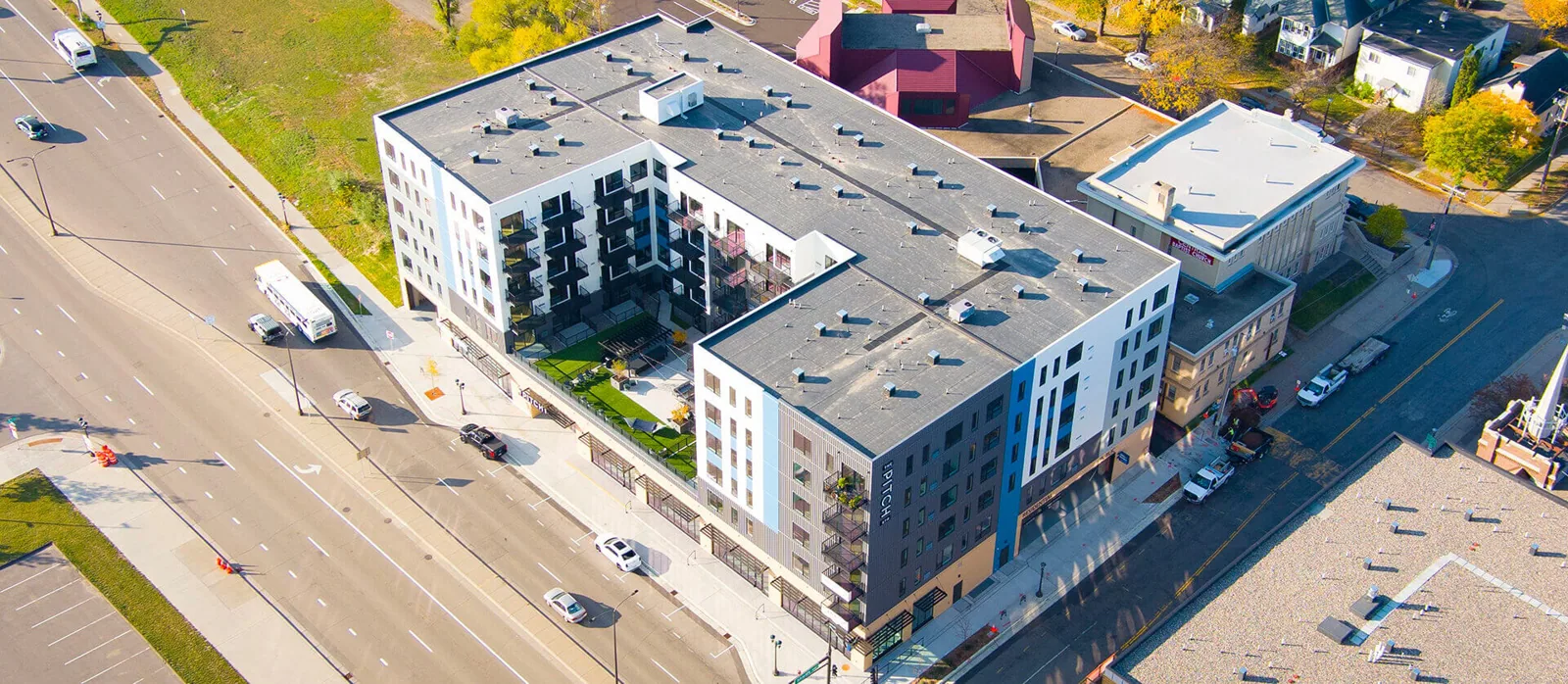
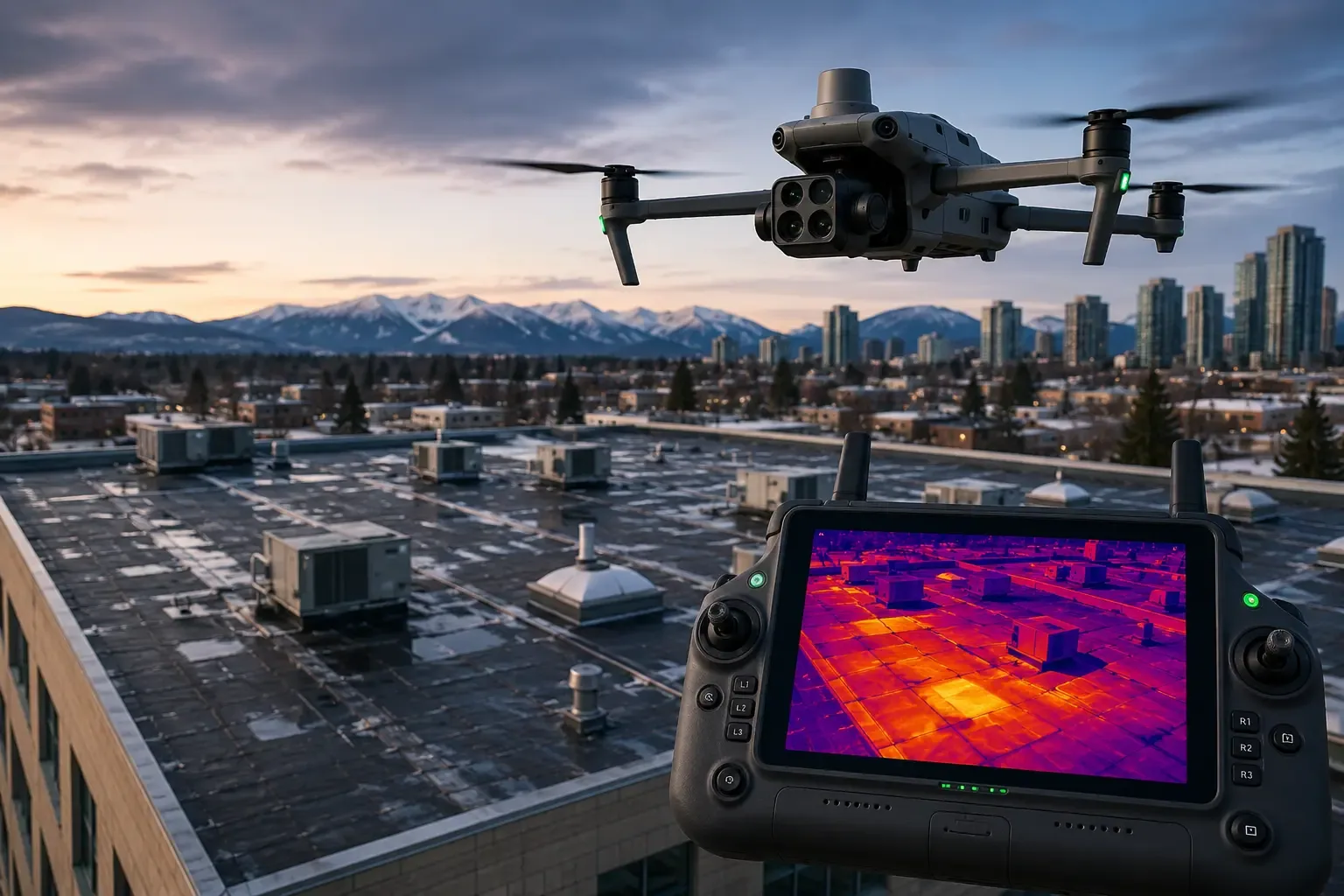
Only a roof whose insulation is dry across most of its area is a coating candidate. An infrared scan at dusk, after a warm day, shows where moisture holds heat, and core cuts confirm what the scan suggests. Missoula's daily swings of more than 30 F from late June through late September give the scan strong contrast in summer.
Areas that fail the gate are cut out and replaced before the coating goes on, with the cut marked on a plan and photographed open and closed. If the failed area is large, the better choice is a recover or a full replacement, and the survey tells the owner that before money is spent on a coating.
Repair the Substrate in the Right Order
Seams, flashings and penetrations are repaired before cleaning, because repairs generate dirt and fasteners that cleaning would otherwise have to repeat. Open laps are re-welded or re-sealed, loose terminations are re-secured, and blistered areas are cut and patched.
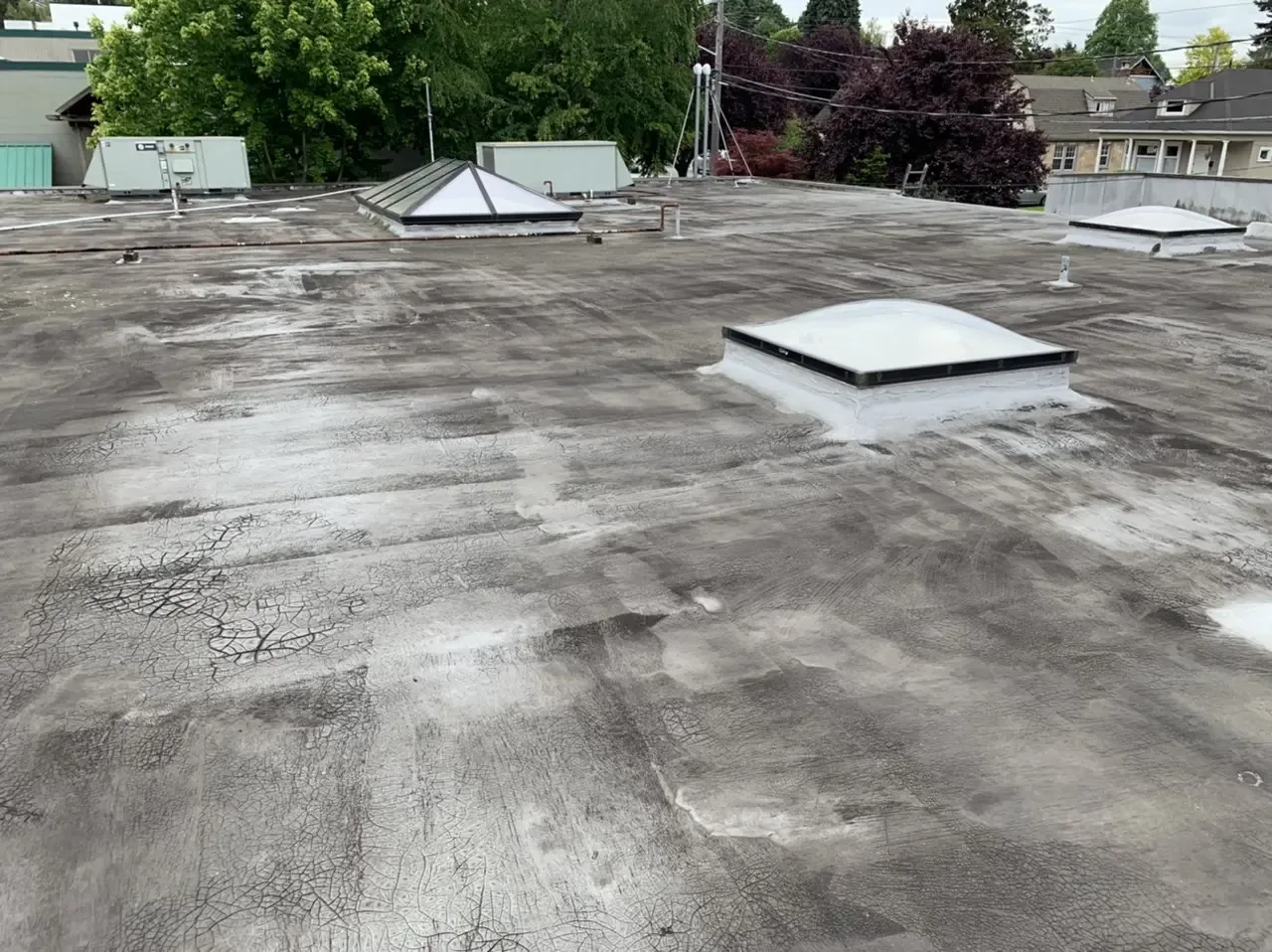
Drains get attention here too. A ponded area under a coating holds water against the film for days, so low spots are corrected or the drain sump is lowered. The punch list from this phase becomes the baseline for the warranty file, with a photograph beside each item.
Penetrations get a second look. Pipe boots, curb corners and skylight edges are where a coating thins, so they are reinforced with fabric and extra coating before the field is rolled. The work is slow, and it is the part of the job that decides whether leaks return in five years or in two.
Clean, Test and Prime
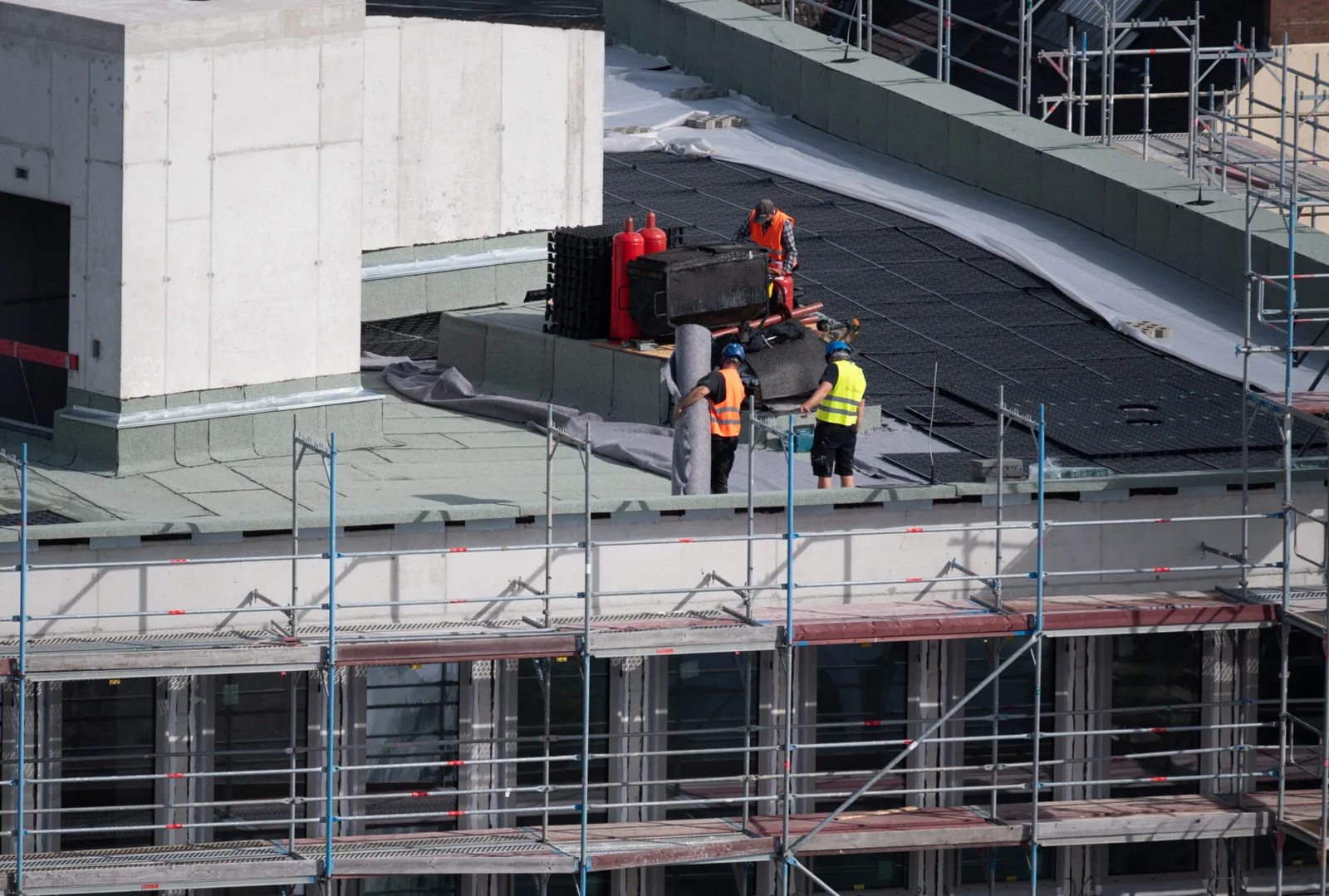
Adhesion is the property that decides whether a coating lasts, and it depends on the surface. Pressure washing removes dirt, chalking and biological growth, and the roof then dries fully before testing. A small test patch of coating is applied in several spots and checked for bond after cure. The test locations are chosen across the roof, including seams, old patches and areas near equipment, since bond can vary where the surface history differs.
If the patch peels, the surface needs a different primer or a different coating. We record each test location and result. Priming follows the manufacturer's data for the existing membrane, whether it is a single-ply, modified bitumen, metal or built-up roof. Metal roofs usually need rust treatment first, and fastener heads are sealed individually.
Choose Silicone or Acrylic for the Conditions
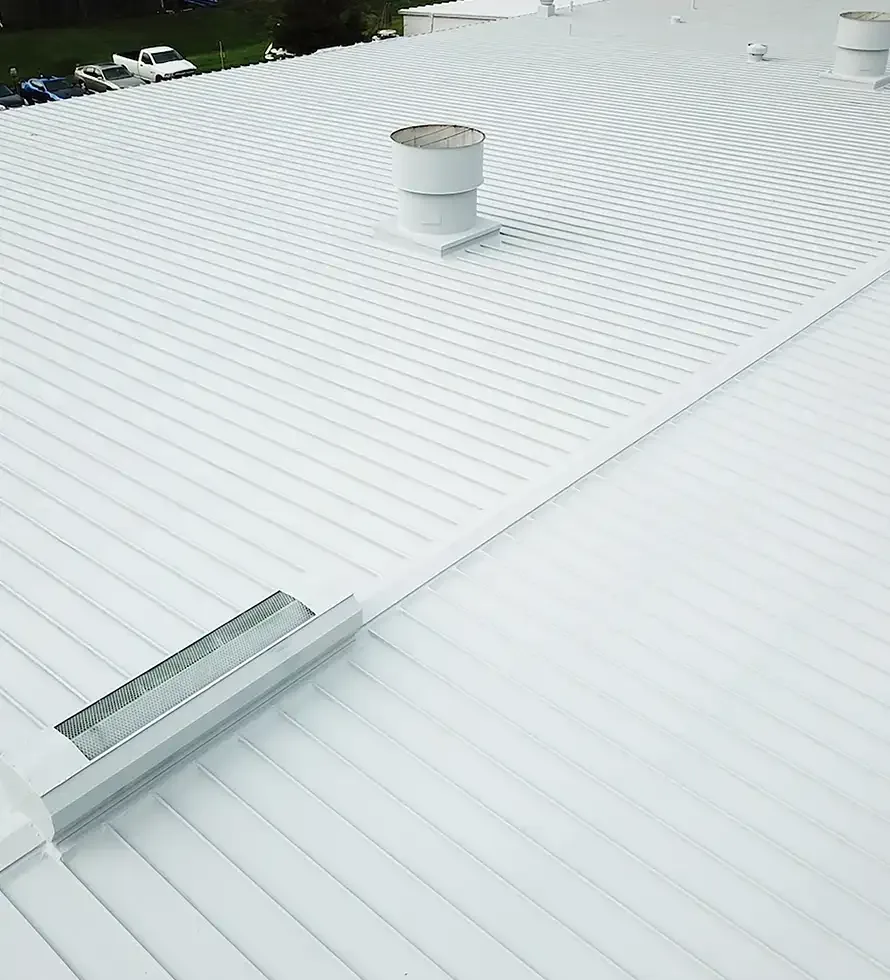
A silicone coating tolerates ponding water and cures with moisture in the air, so it suits flat roofs with slow drains. An acrylic coating costs less, bonds well to many surfaces and suits roofs that drain cleanly, but it should not sit in standing water.
Missoula's freeze and thaw matter to the choice. Both coatings must cure above a minimum temperature and stay dry for hours after application. The weather window decides the product as much as the budget does, and we check the forecast against the data sheet before each day's work.
Large roofs near the airport, on the Missoula Airport area side, and on North Reserve Street see the same constraints. Wind during application carries overspray, so spraying stops when gusts rise, and crews move to rolling or to detail work until the wind drops.
Measure Film Thickness as You Go
A coating protects in proportion to its thickness, and the only way to know the thickness is to measure it. Wet-film gauges are used during application, and dry-film readings or sample cuts confirm the result. The coverage rate per gallon is tracked against the area coated each day.
The readings go into the warranty file with a map of where each was taken. A thin spot found on the day can be corrected with another coat. A thin spot found three winters later is a leak, and the repair then means cutting through a coating that was supposed to prevent it. Reflectance readings are taken too, which matters for the cool roof goals some owners set under the energy code.
Plan Tenant Access and Closeout
Coating work is quieter than tear-off, but odor, access and ladder placement still affect tenants. Silicone and acrylic products have different smells, and air intakes near the work get covered. Tenants hear about the days and hours in advance, and the crew carries a contact name for questions. Staging stays in a small laydown area, and the roof hatch route is agreed in advance.
A coating can preserve the roof of an older building in downtown Missoula without altering its profile, which matters in a city that lists more than 60 National Register buildings. The closeout includes a punch list, the thickness map, the test results and the maintenance schedule that keeps the warranty intact. A maintenance program picks up from there.
Campus buildings follow the same path. The University of Montana has 64 buildings on 220 acres, and a restoration schedule there would rank roofs by moisture results and tenant sensitivity, with residence halls handled in the summer break. A former mill site such as the Old Sawmill District, now a mix of residential and commercial redevelopment, puts newer roofs beside older ones, and each roof gets its own record.
Related Roofing Pages
Send the Roof Age and the Leak History
Send the roof plan, the age and type of the existing membrane, and any known leak locations, and we will schedule an infrared scan in the next warm window. You will see whether the roof passes the gate before a coating is priced.
Call 555-555-5555 or email [email protected].
Questions About Roof Coating Restoration
How long does a coating add to a roof?
The added life depends on the coating, the thickness and the roof underneath, and no one can state it as a fixed number. A sound roof with a full-thickness coating gains years of service, but the number varies. We record thickness so the claim rests on a measurement.
Can a coating go over a leaking roof?
Not before the leak is fixed, and not before the source is found. Saturated insulation, open seams and failed flashings must be repaired first, because the coating cannot bridge them. Fabric reinforcement can cover a hairline crack, but it cannot hold a gap that moves with every thaw. The moisture survey identifies which areas need repair, and the plan of those areas becomes part of the bid.
What temperature is too cold for coating?
Most coatings need mild, dry weather for application and cure, above the minimum on the data sheet, with no rain or frost in the next several hours. In Missoula that limits the season to roughly late spring through early fall.
Does a coating satisfy the energy code?
Under the 2021 IECC with Montana amendments, the code the state has enforced since June 10, 2022, a coating can add reflectance, but insulation requirements apply when a roof is replaced, so check the code path with the building department.
Will a coating affect my existing warranty?
It can, in either direction. Some manufacturers approve specific coatings and void the warranty for others. Ask the membrane manufacturer for written approval before work begins, and keep the approval in the file. We also confirm who inspects the finished coating, so the warranty paperwork is complete on the day the crew leaves.