
Roof Insurance Claim Assistance in Missoula, MT
Roof Insurance Claim Assistance
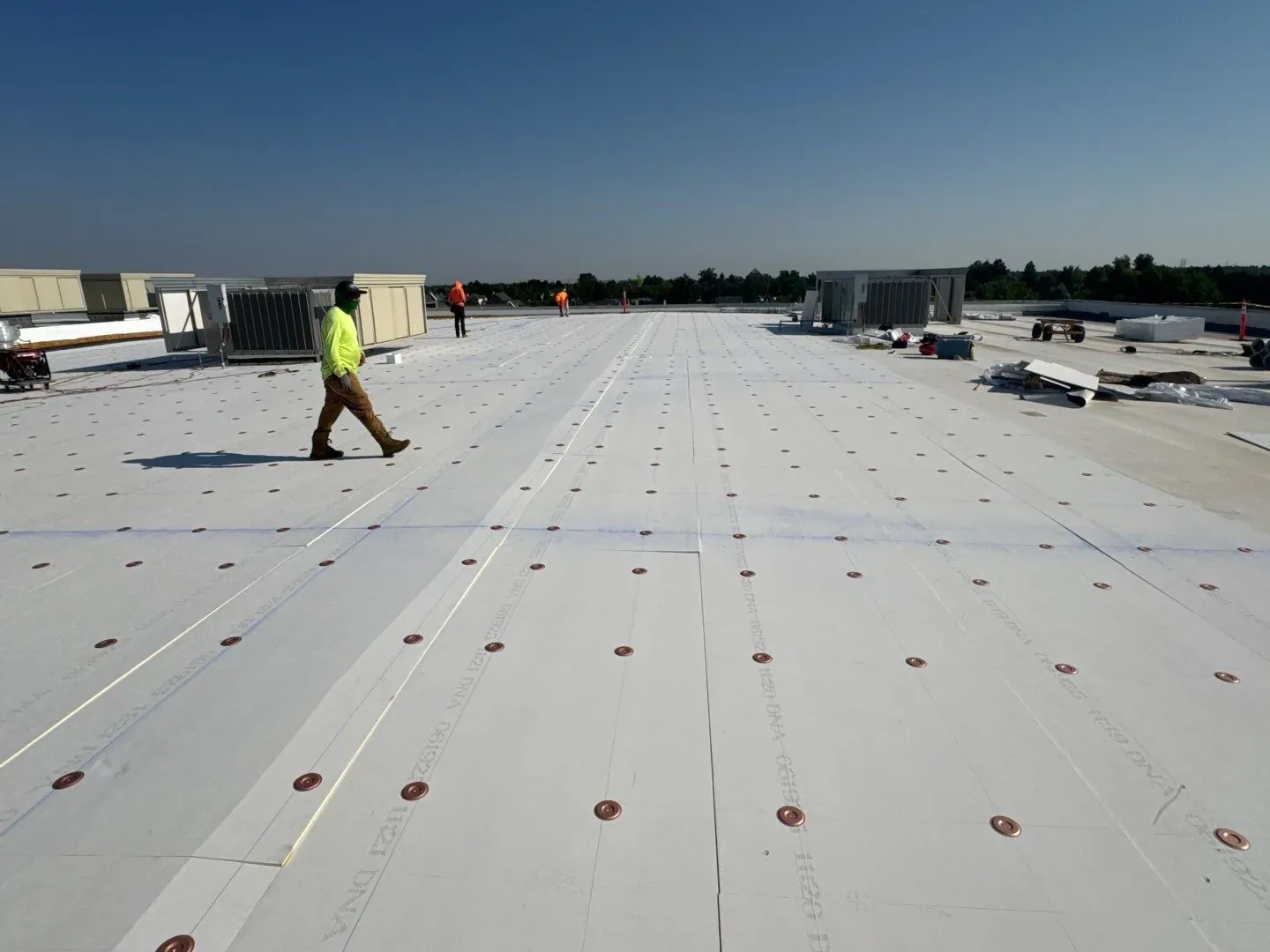
A roof claim is won or lost in the first week, and the first week is when the roof is most likely to be altered. Debris is cleared, a tarp goes on, a tenant moves stock, and the condition the adjuster needs to see disappears. In Missoula, MT the risk is higher because snow can cover a hail-damaged roof within days, and the thaw that follows washes away the marks. We start with the record: a dated photo set, a plan of damage, and a scope sheet that separates storm damage from wear, so the claim has evidence before the first repair is made.
Record the Roof Before It Is Touched
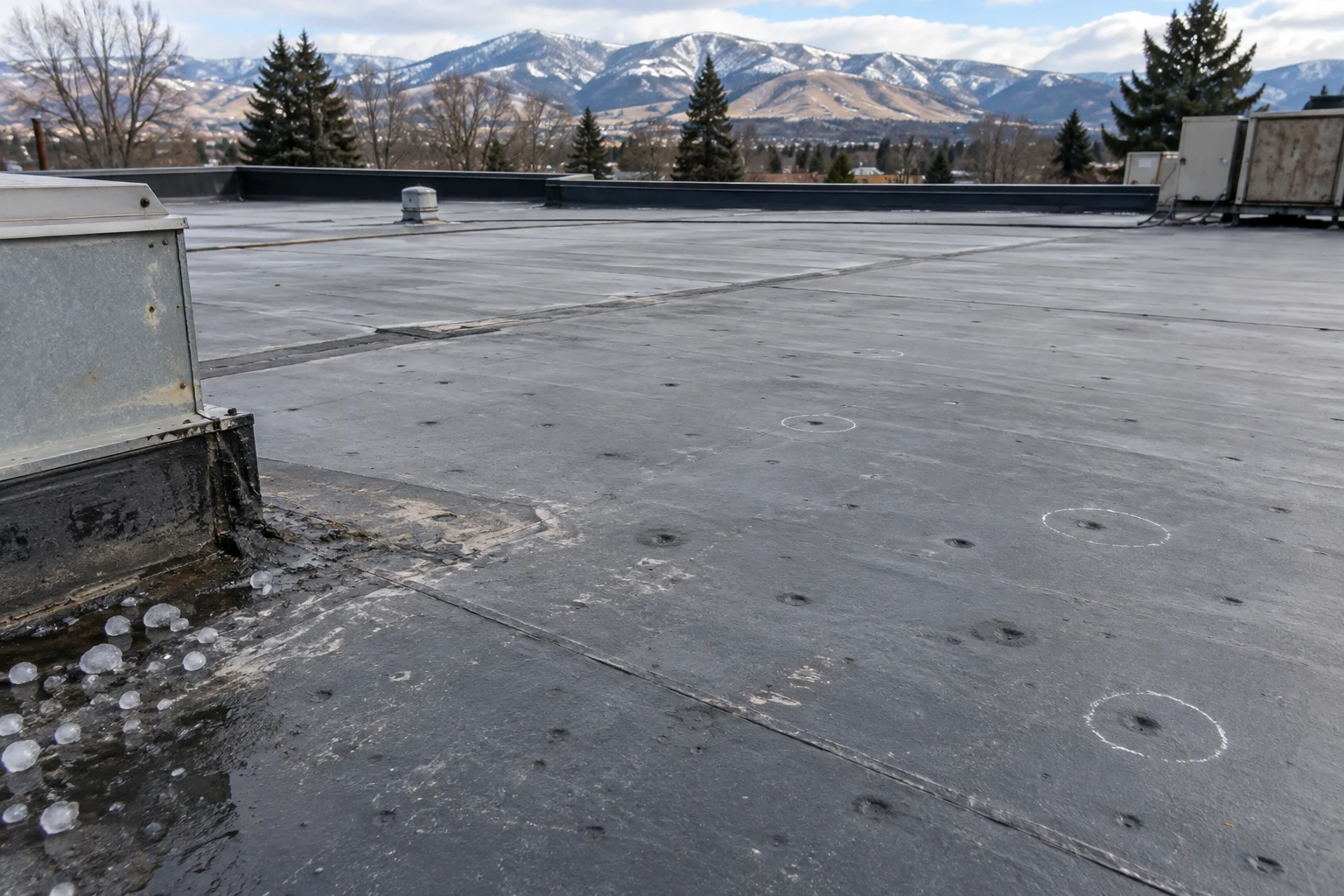
The photo set is taken before cleanup, with a scale in each frame and the date visible. We photograph the field in a grid, every penetration, every edge and every drain, then the interior damage with the matching roof location. Each photo is tied to a point on the roof plan.
The 2016 hail that fell on central and south Missoula, quarter-size stones with a 20-minute burst of rain, left marks that are clear in the first days and blurred after the first snow. Early documentation is the cheapest part of the claim and the most useful.
When the damage is hail, the record includes soft spots found by pressing the membrane, dents in metal, cracked coating and granule loss on cap sheets. For wind, it includes the first lifted fastener and the line of the peel. Each pattern has a standard repair, and a hail-damaged membrane is priced differently from a wind-lifted edge, so the scope sheet keeps them in separate lines.
Separate Storm Damage From Wear
An adjuster will ask which damage came from the storm and which was already there. A roof that has aged under a 40 psf design snow load and thaw cycles that swing more than 30 F carries wear that no policy covers. We mark both on the plan, in different colors, with a photograph and a note for each.
This separation helps the owner as much as the insurer. It keeps the claim honest, it avoids disputes at the adjuster walk, it speeds the review and it gives the owner a list of wear items that should be repaired at their own cost. The two lists are priced apart.
Roof age matters. Some policies pay on actual cash value, which accounts for age, and some on replacement cost. The owner should read the policy before the adjuster walk, because it changes how the scope is presented. A warranty file with installation dates and repair records proves the roof's age without argument.
Build the Scope Sheet
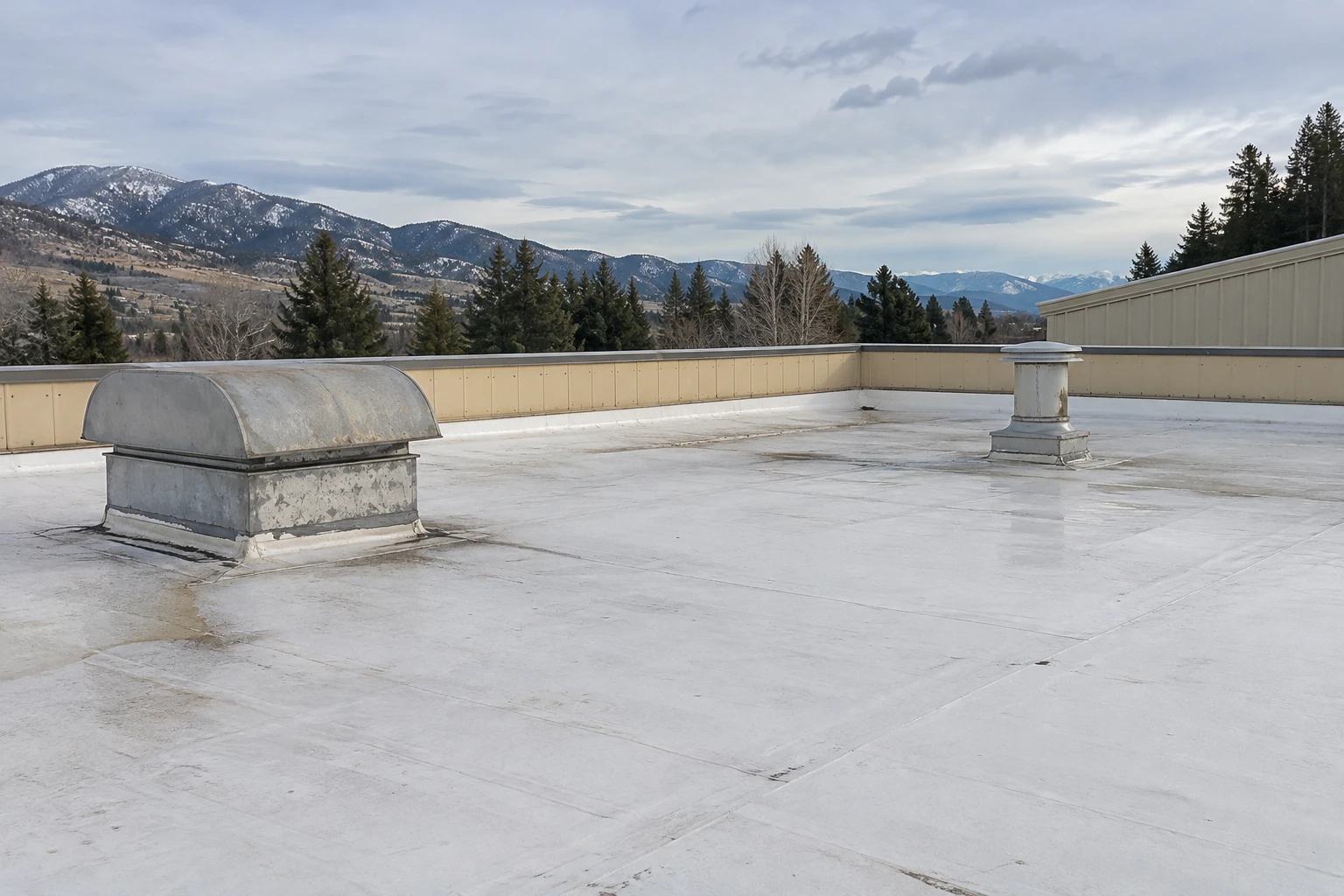
The scope sheet lists each damaged area with its location, its dimensions, the repair method and a price. Repair methods follow the manufacturer's details and the building's roof system. For a membrane, that may mean patching, replacing a section or replacing the roof.
The sheet states the assumptions: that insulation is dry, that the deck is sound and that code does not require upgrades. If a core shows saturated insulation, the scope changes, and we update the sheet with the core photograph. Montana's statewide energy code is the 2021 IECC with Montana amendments, and a replacement may trigger its insulation requirements.
Walk the Roof With the Adjuster
The adjuster walk is a working meeting. We bring the photo set, the plan and the scope sheet, and we open any cores for the adjuster to see. A crew member carries the ladder and the safety gear. The walk is scheduled for a dry day with no snow on the roof, because snow cover hides the evidence and makes the surface unsafe.
Disagreements are common over bruises, coating damage and the age of the roof. Each of those has a physical test, such as a core, a thickness reading or an install date, and we bring the tools to run it on the spot. We answer with the photographs and with samples, not with argument. If the adjuster wants a second opinion, we agree on an engineer or a manufacturer's representative. The decision on coverage remains the insurer's.
After the walk, we write a summary of what was agreed and what was left open, and send it to the owner the same day. If the adjuster promised a follow-up, the date goes on the summary. Open items tend to be lost in a long claim, and a dated list keeps them alive.
Sequence Repairs With the Claim
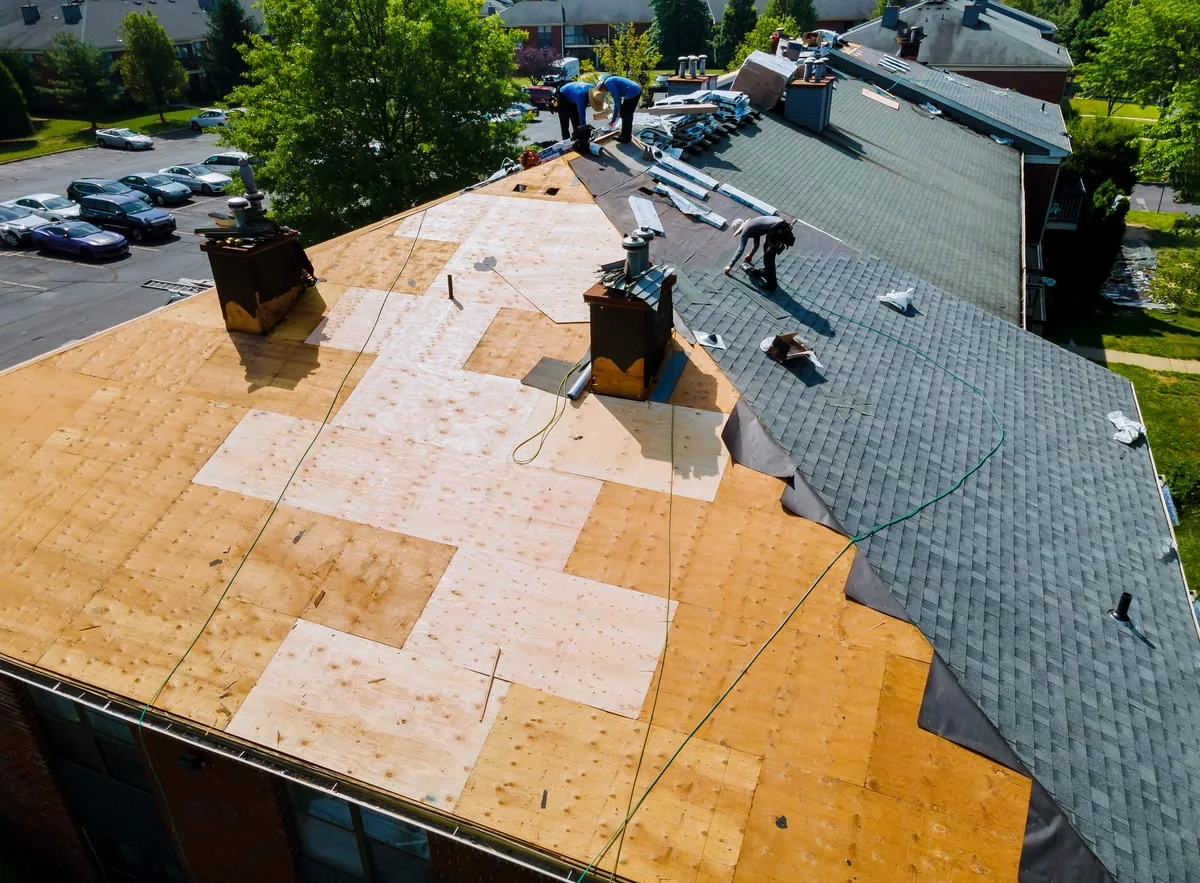
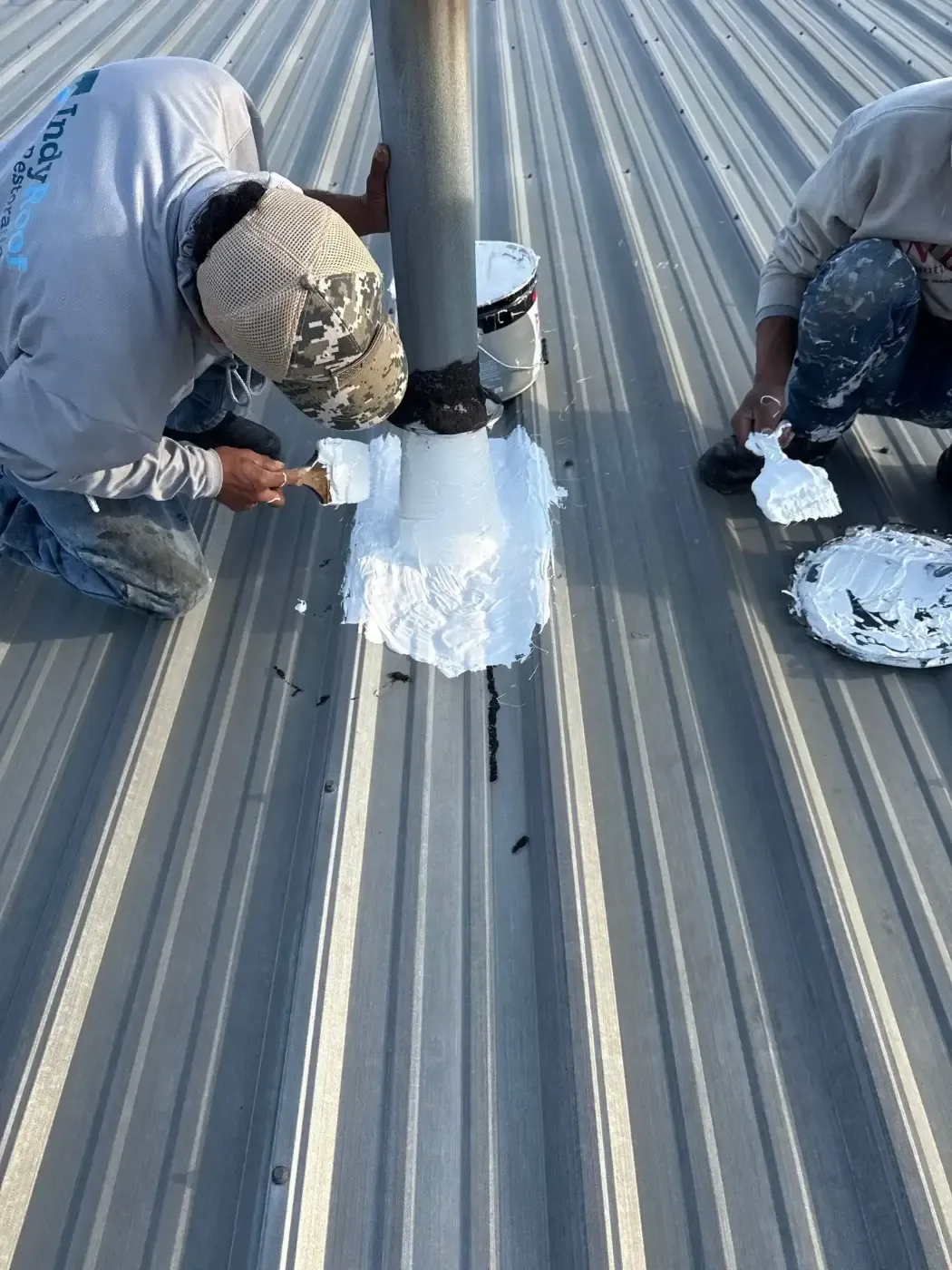
Repairs and the claim move on different clocks. Water has to be stopped now, while the claim may take weeks. We separate the work into three steps. The first is emergency protection, which is documented and billed because a wet building loses more every day. The second is interim repairs that keep the building dry. The third is permanent repair, which waits for the agreed scope when the weather allows.
The Bonner mill roof collapsed under heavy snow in 2011, at the site now covered by Bonner-West Riverside, a reminder that structure comes first. If a snow-damaged building shows deflection, shoring and removal come before any claim discussion. A storm damage repair sequence puts those steps in order.
Handle Landlords, Tenants and Lenders
Commercial claims often involve more than one party. A landlord owns the roof, a tenant owns the contents and a lender holds an interest in the building. Each wants a copy of the record, and each needs a different part of it. We prepare one folder with sections for each reader.
On North Reserve Street, where hotels and big-box stores share a corridor, one storm can reach many roofs at once, and an adjuster working through them has an easier time with a complete file. A roof condition report from before the loss helps the file by showing the roof's state on a known date. The staging area and the dry-in sequence for temporary protection are recorded in the claim file.
Related Roofing Pages
Send the Storm Date and the Policy Contact
Send the date of the loss, the adjuster's name if you have one and the roof plan, and we will schedule the first documented walk. The first sheet back names the repairs that wait for the adjuster and the ones that go ahead now.
Call 555-555-5555 or email [email protected].
Questions About Roof Insurance Claim Assistance
Do you file the insurance claim for me?
No. The owner files the claim, and we supply the documentation and coordinate the inspection. We prepare the photos, the plan, the scope sheet and the invoices that the adjuster asks for.
Can the insurer require its own contractor?
Policies differ, and the owner usually chooses the contractor. Read the policy language on repairs and temporary measures, and ask the insurer in writing before work starts. A written answer protects the owner if a question arises later about who chose the crew or the method.
What if the adjuster denies part of the claim?
Ask for the reasons in writing. We review them against the photo set and the cores, and we supply a written response with evidence. The owner sends the response, since the claim belongs to the owner. Some disputes end with an engineer's report or an appraisal.
How long should a claim file be kept?
Keep it as long as the roof stands and the warranty runs, in paper and in a digital copy with the photographs at full size. The photos and invoices also help with the next claim and with a future sale, since they show what was repaired and when.
Will a claim raise my premium?
That is the insurer's call and varies by policy. Ask your agent before filing. We can tell you what the roof needs, and the cost of repair, so you can weigh a claim against paying out of pocket. A small repair below the deductible is often cheaper to handle directly, and we price it that way on request.