
Storm Damage Roof Repair in Missoula, MT
Storm Damage Roof Repair
Storm repair has a fixed order, and the first step is not the repair. Water has to be stopped, the damage photographed as it lies, and the structure checked before anyone walks the field. The sequence matters in Missoula, MT because the storms differ. In 2016 a hail-and-downpour cell overwhelmed storm drains across central and south Missoula, and in 2011 snow brought down much of the former Bonner mill roof. Each calls for a different first move, and a crew that starts the permanent repair too early destroys the evidence the owner needs for the claim.
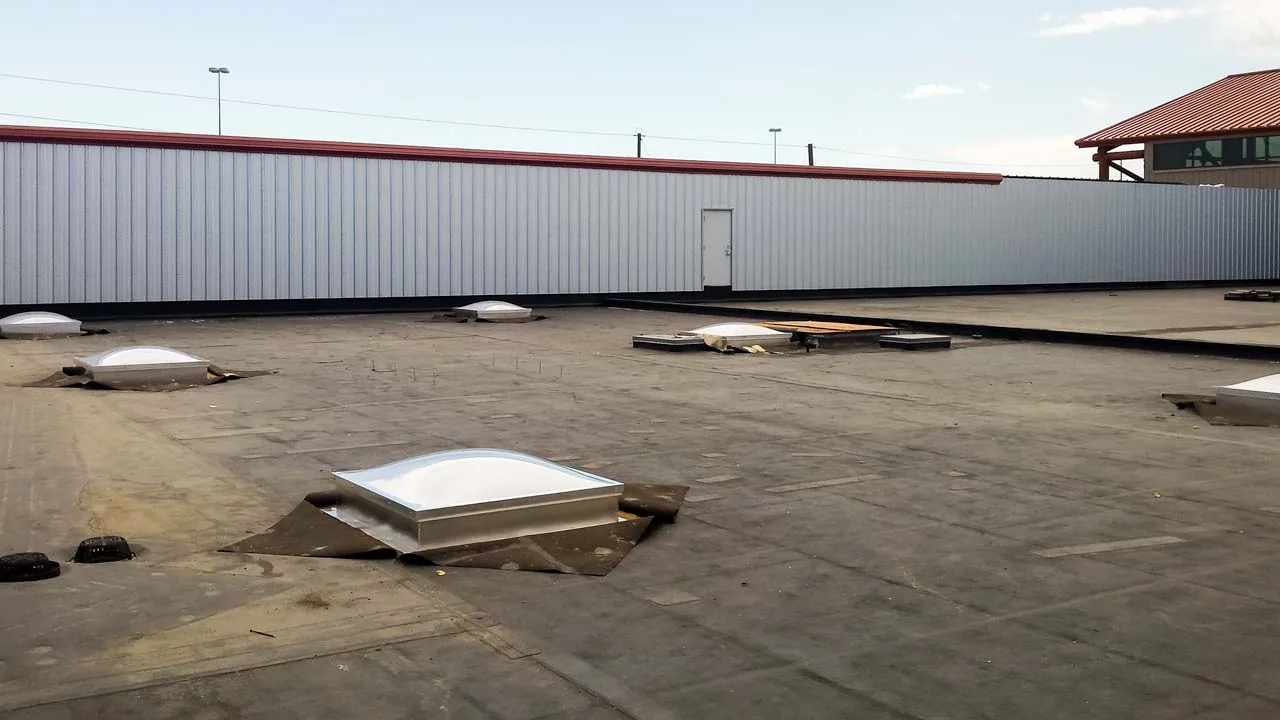
Stop the Water Before Anything Else
Temporary protection comes first, and it is sized to the weather ahead. A tarp ballasted against 102 mph design wind speeds is a different job from a patch over a punctured membrane. We tarp open areas, seal punctures with temporary patches and clear any drain that overflowed.
This step costs the tenant the least if it is done within hours. Inside the building, we ask where water is entering, move equipment and stock out of the way and place protection. Ceiling tiles that hold water are released carefully, since a full tile can drop without warning. The temporary work is recorded on the roof plan so it can be found and removed when the permanent repair is made.
An emergency repair call is answered at any hour, and the crew arrives with materials for both the tarp and the first patch.
Photograph the Damage as It Lies
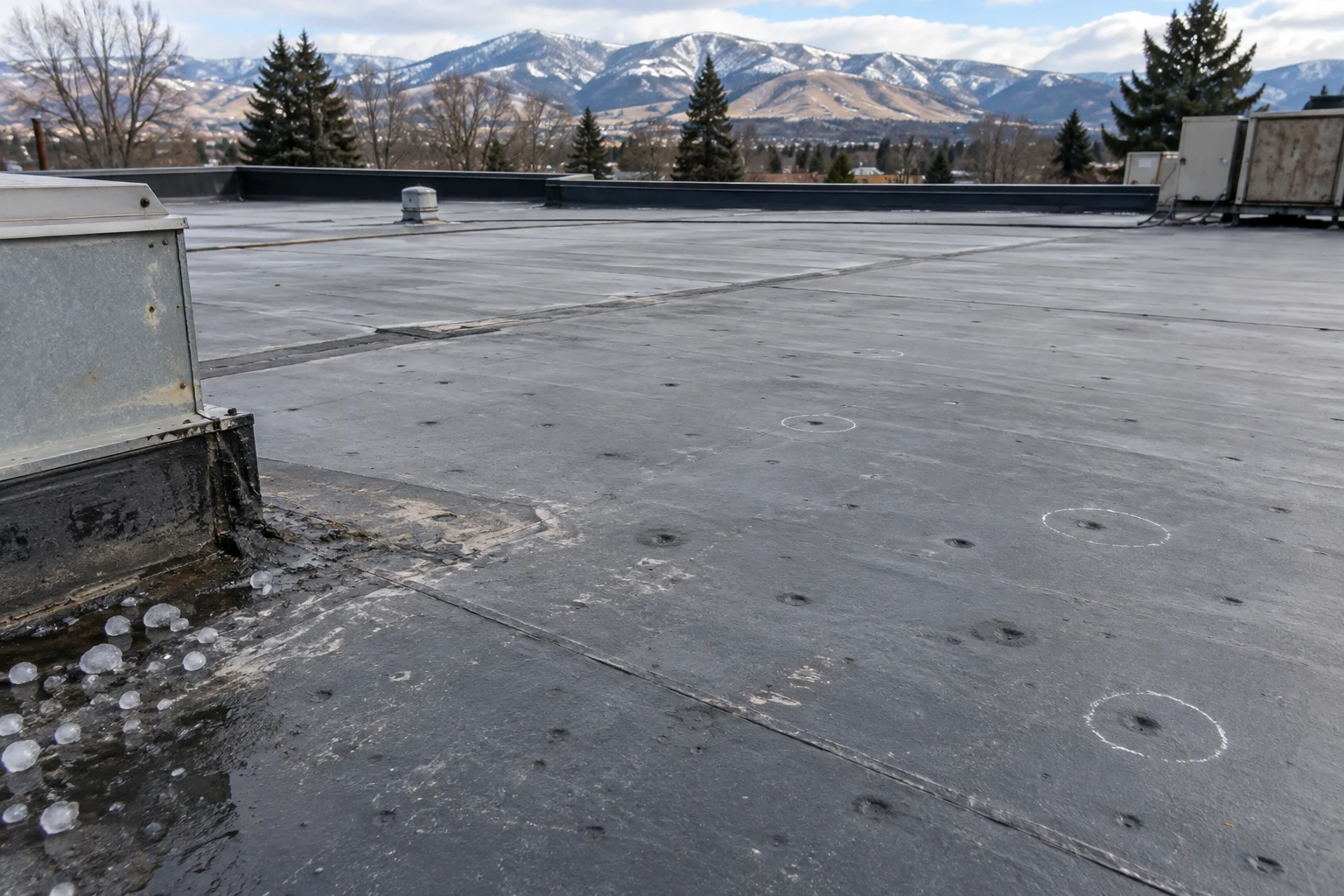
An adjuster wants to see the roof before it is touched. We photograph every dent, puncture, lifted edge and displaced fastener with a scale and a date, and we mark each location on the plan. Interior damage is photographed too, with the matching roof location noted.
The photo set supports the insurance claim and separates storm damage from wear that was already there. A roof with older damage and new damage together needs both recorded separately, because the insurer will ask which is.
Downspouts, scuppers and storm drains are part of the record. When the 2016 hail storm overwhelmed storm drains in central and south Missoula, a sudden volume of water reached roof outlets as well. We photograph the outlets and note which ones were blocked or undersized, because a drain that cannot clear a 20-minute burst needs a larger sump or a second outlet.
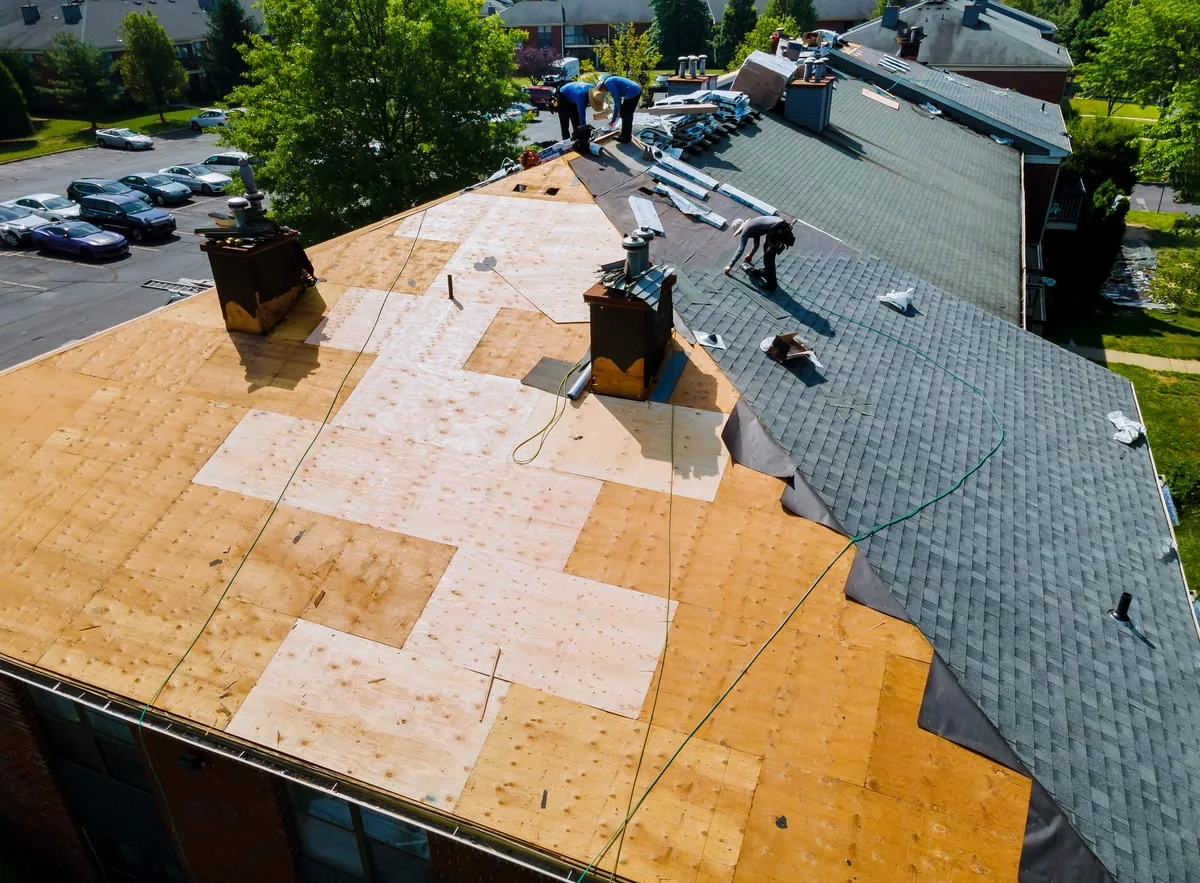
Sort the Damage by Failure Type
Hail bruises membrane and cracks coatings, and it can dent metal without puncturing it. Wind lifts edges, strips fasteners and tears flashing. Heavy snow and ice load the structure and crush drains and equipment curbs. Each type gets its own repair path.
For hail, we press along the field for soft spots and take cores where the membrane is bruised. For wind, we trace the edge from the first lifted fastener. For snow, we check deflection at the framing. Hail and wind damage each have their own repair details: a hail-damaged field gets coring and patching, and a wind-damaged edge gets new fasteners and metal.
Water is the common thread. A hail bruise that passes a visual check can still take on moisture in the first thaw, so the follow-up inspection a few weeks later is part of the repair, not an extra.
Check the Load Path After Heavy Snow
Missoula's design ground snow load is 40 psf, and roof loads are calculated from it under ASCE 7-16. A building that has carried a heavy winter, followed by rain on snow, may be near its design limit. Sagging deck, cracked finishes below, doors that stick and ponding at mid-span are warning signs.
When any of these appear, snow removal and an engineer's review come before the repair. The Bonner mill collapse in 2011, at the site now called Bonner-West Riverside, is a local example of what happens when a long-span roof is left loaded. Removal follows a sequence from the heaviest areas toward the supports.
Sequence the Permanent Repair
Permanent repair starts with the structure, then the deck, then insulation, then membrane and flashings. Doing it in that order matters because a new membrane laid over a sagging deck ponds water, and ponding is what brings the next failure. Wet or crushed insulation is cut out and replaced before the membrane goes back. Drains that were overwhelmed are cleared and, where the 2016 storm showed a weak point, the sump or outlet is enlarged.
Weather decides the start date. Adhesives and welds need mild, dry conditions, so a storm in November may get a temporary repair that holds until spring. We mark that date on the plan and keep the temporary work inspected through the winter.
Keep Tenants Operating During Repairs
Storm repairs often happen while the building is open. A retail floor on North Reserve Street or an occupied clinic cannot close for a tarp. We plan access, noise and staging around the building's hours, and we tell the tenant which days the crew will be overhead.
When damage is widespread, work is phased so the worst-hit zones are dried in first. Where the damage extends to the roof system itself, the project may become a replacement, and the temporary measures bridge the gap until it is scheduled.
Closeout matters as much as the repair. Each storm job ends with a punch list, a final photo set, the repair invoices and a note on what was deferred. The owner holds one folder that the insurer, the lender and the next contractor can all read. Each temporary measure is dated on the plan so it can be found again. Temporary work is staged from a small laydown yard, and the weather window for the permanent repair is set during the first visit.
Related Roofing Pages
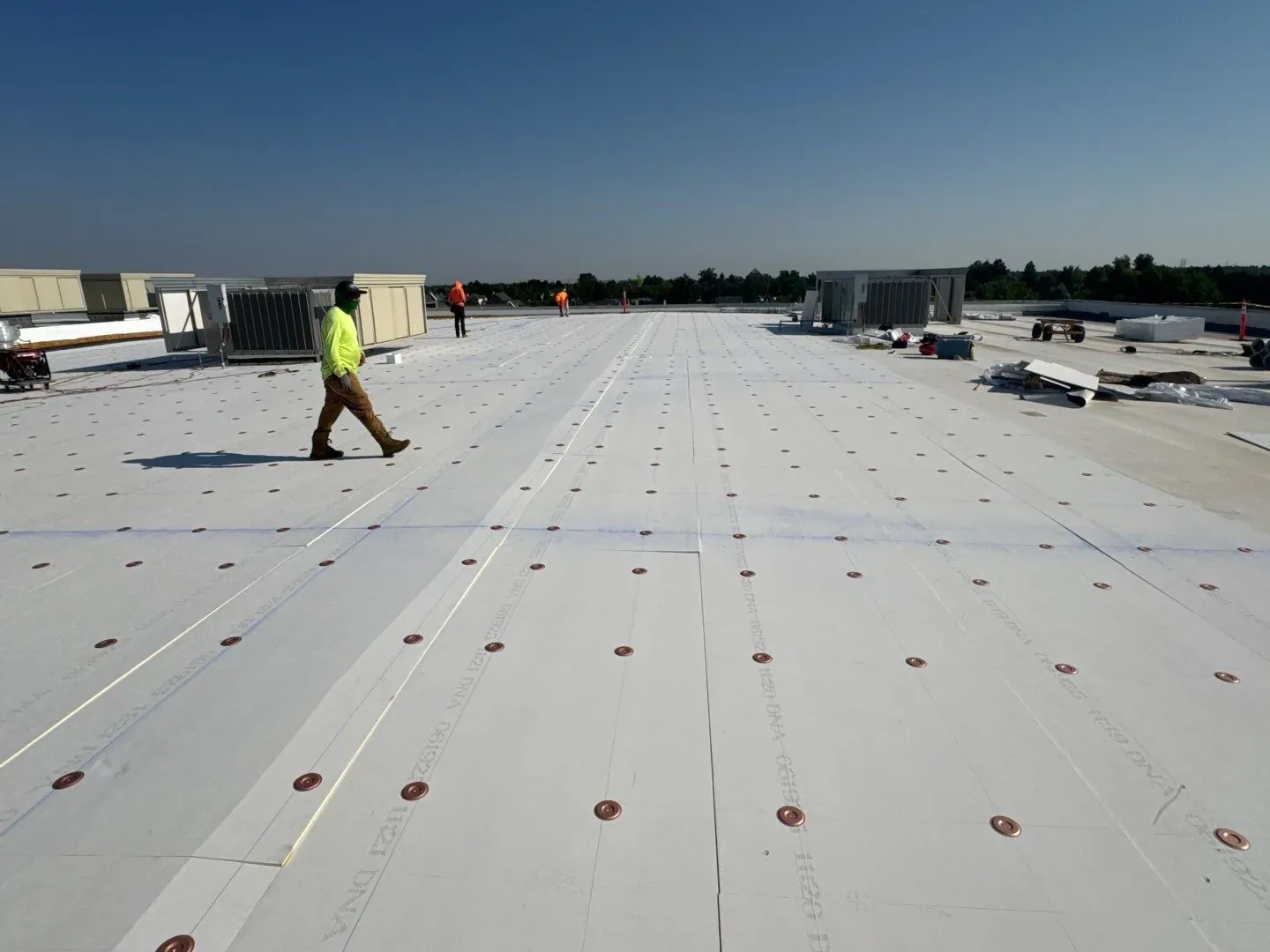
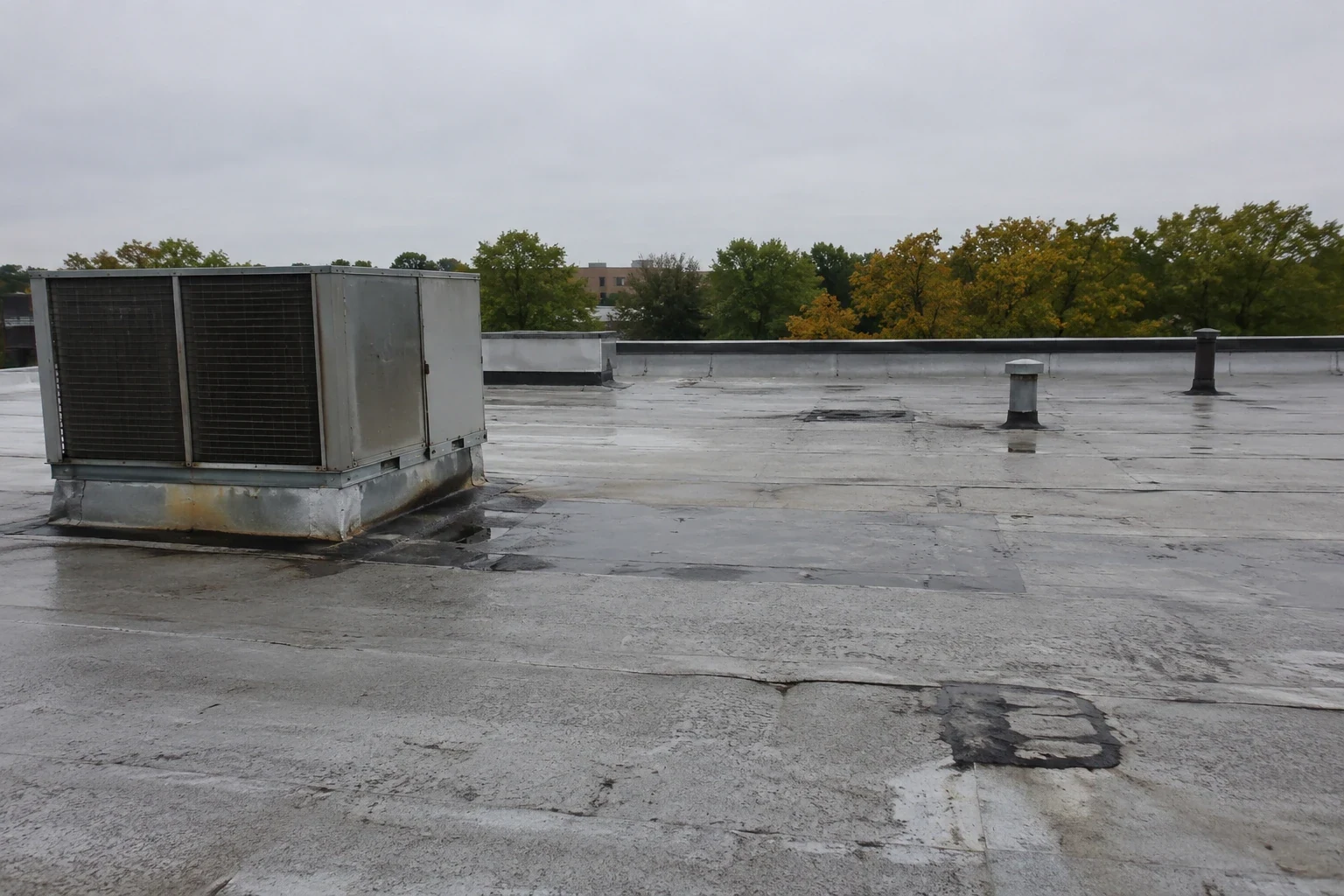

Send the Storm Date and the Damage Photos
Send the date of the storm, any photographs you have and the roof plan, and we will schedule the first walk and set the order of work. You will see which days the temporary protection goes on and which entrances stay open.
Call 555-555-5555 or email [email protected].
Questions About Storm Damage Roof Repair
How soon after a storm should the roof be inspected?
Within days, before debris is cleared and before the next weather arrives. A dated visit that same week gives the claim its strongest evidence. Snow and debris cover damage within days, and rain washes away the marks that show how hail struck. Call at any hour if water is entering, since emergency response runs through nights and holidays.
Can hail damage be seen from the ground?
Rarely. Bruises and small fractures show up only on the roof surface, and some do not leak until the next freeze. Dented vents and units are visible from a lift, but the membrane itself has to be pressed and probed by hand. A walk with a dated photo set is the reliable method.
Does storm damage always mean replacement?
No. Isolated damage with dry insulation and sound membrane is repaired. A repair is also reasonable when the roof is old but the damage is local and the budget year is near. Widespread bruising, saturated insulation or structural deflection pushes the project toward replacement. The core results and the engineer's note show which case you have.
Who pays for temporary protection?
Policies vary, and many cover reasonable emergency measures to prevent further loss. Keep the receipts and the photographs, and tell the insurer before work starts when you can. Ask the insurer what proof it wants for emergency work, so the invoice carries the right detail the first time. We document the temporary work so the claim file is complete.
What if snow is still on the roof?
Snow limits what can be inspected and repaired. We work from the interior, check deflection and plan removal if the load is high, and schedule permanent repair for the first mild, dry window. Snow also hides damage, so a second walk after the melt is part of the job.