
Commercial Roofing in Wye, MT
Wye
An interchange puts a roof in the wind, and Wye, MT is an interchange. The community sits about 8 miles northwest of downtown Missoula, about 2 miles from the city limits, immediately south of I-90, with Missoula Montana Airport about 3 miles to the southeast and US 93 running north from the junction. Open ground and a highway on every side mean the edge of a roof is the first thing to check. We start with the perimeter, then move inward: edge metal, flashings, seams and drains, in the order wind and water find them.
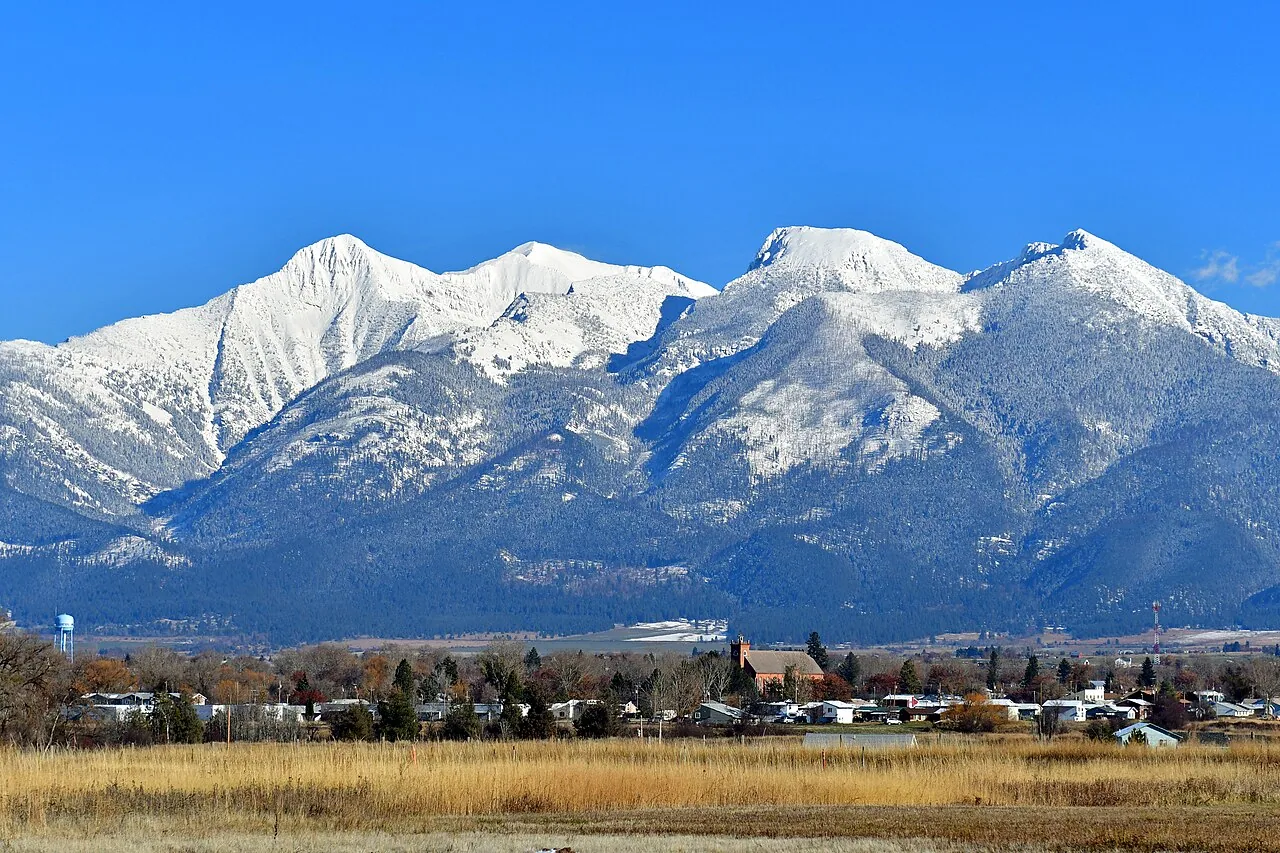
Check the Perimeter Before the Field
Wind pulls hardest at corners and edges, and a Risk Category II building here is designed for 102 mph. A building at a junction, with no taller neighbors to break the flow, takes the full pressure. The first fastener to back out is usually at a corner.
We walk the whole perimeter by hand, tapping coping, pulling sample fasteners and checking sealant. Loose edge metal is re-fastened into sound material and counted on the punch list. A lifted edge is cheap to fix today and expensive once the next gust peels the membrane behind it.
The corners get a heavier pattern than the field. Edge metal tested for uplift lists its gauge, cleat and fastener spacing, and the spacing tightens at corners and at the ends of each run. We specify the gauge from the manufacturer's tested assembly and the wind zone, not from habit, and we state it in the proposal.
Plan the Crane Around Highway Traffic
Wye grew from 511 residents in 2010 to 714 in 2020, and the junction sees through traffic on I-90 and US 93 as well as local trips. A crane pick near a ramp or a frontage road needs a plan for lane use, flaggers and truck turns. We check the site for overhead lines and soft ground and place the crane on firm, level footing.
Material arrives on flatbeds, and the driver needs to know where to stop. A load of insulation board catches wind like a sail, so it is strapped and staged low until it goes up. We send a site sketch with the entrance, the turning area and the laydown yard before the truck leaves. Deliveries avoid the busiest hours, and the schedule holds spare days for weather.
US 93 runs about 17 miles north from Wye to Arlee and the Jocko Valley, and I-90 carries traffic east and west. Roof crews and trucks arrive by the same roads as everyone else, and a closure from a crash or a storm can strand a load. We keep a backup route in the plan and a backup day in the calendar.
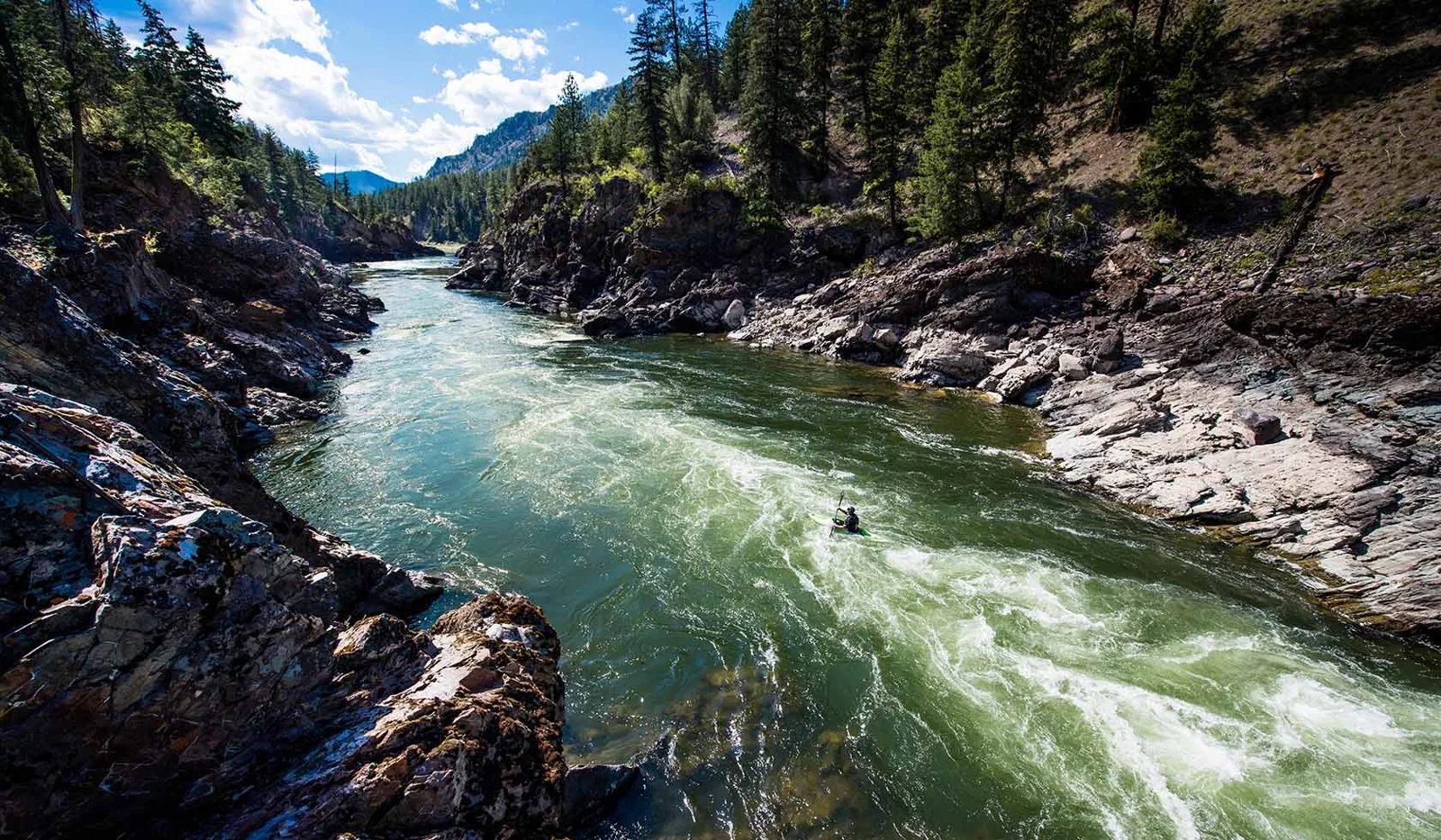
Respect the Airport's Neighborhood
Missoula Montana Airport is about 3 miles southeast of Wye, and the airport area has its own rules for cranes and tall equipment. A crane boom near approach paths may need notice or approval, and the date is set by the aviation authority, not the roofer.
We ask early whether a lift needs a notice, and the answer goes on the schedule. The Missoula Airport area follows the same logic for buildings closer in. If a project falls under any height restriction, the crane size and the pick position are chosen to stay inside it. A smaller crane with more picks can replace one tall boom when the airspace is tight.
Prepare Flat Roofs for Snow and Thaw
Winter delivers about 39.5 inches of snow and leaves ground cover for months. The design ground snow load is 40 psf, and open ground means wind-blown drifts behind parapets, units and taller walls. Around 45 days a year never thaw and late-summer days can swing past 30 F, so the membrane moves in every season.
We clear the drains before the first freeze, flow-test the sumps and mark the drift zones on the plan. Heavy storms trigger a check for sagging and ponded water, and snow removal is planned from the heaviest areas toward the supports. A roof that sheds its snow evenly is easier on the structure than one with a single deep drift.
Hail comes with the summer storms. A roof at Wye can meet a cell like the 2016 hailstorm that crossed central and south Missoula with quarter-size stones. After hail, the walk presses the surface for bruises and photographs each vent or unit dent with a date and a scale.
Choose a Roof for Light Industrial and Highway Retail Use
A roof at an interchange serves whatever use sits under it, and the uses differ. Retail needs clean looks and dry ceilings. Storage needs a tight envelope and a long service life. Light industrial needs strength at the curbs and room for equipment.
A TPO roof is a common choice for low-slope buildings, and a standing seam metal roof suits sloped or long-span buildings. Pricing follows what the building needs, with upkeep set beside first cost. The amended 2021 IECC governs insulation on a replacement, with the building department confirming the path. Replacement may add insulation beyond what the old roof held, and that line is priced separately.
Document and Share the Calendar
At closeout the owner gets one folder of photos, core log, repair list and warranty papers, kept current by a visit before the freeze and another after the thaw. The file helps at a sale, a refinance or an insurance review.
Owners with buildings near Grant Creek and Frenchtown along I-90 can run one calendar across them. A maintenance program prices the trips as a route, so each roof carries only its share of the travel. The calendar lists each building, the visit dates and what was found last time. A building at an interchange can have two faces, one toward the highway and one toward a service road, and the crane can stand on only one of them. The first walk picks the side with firm ground and a clear swing, and the other side becomes the exit for the debris chute. Both choices go on the site sketch before the truck is booked.
Related Roofing Pages
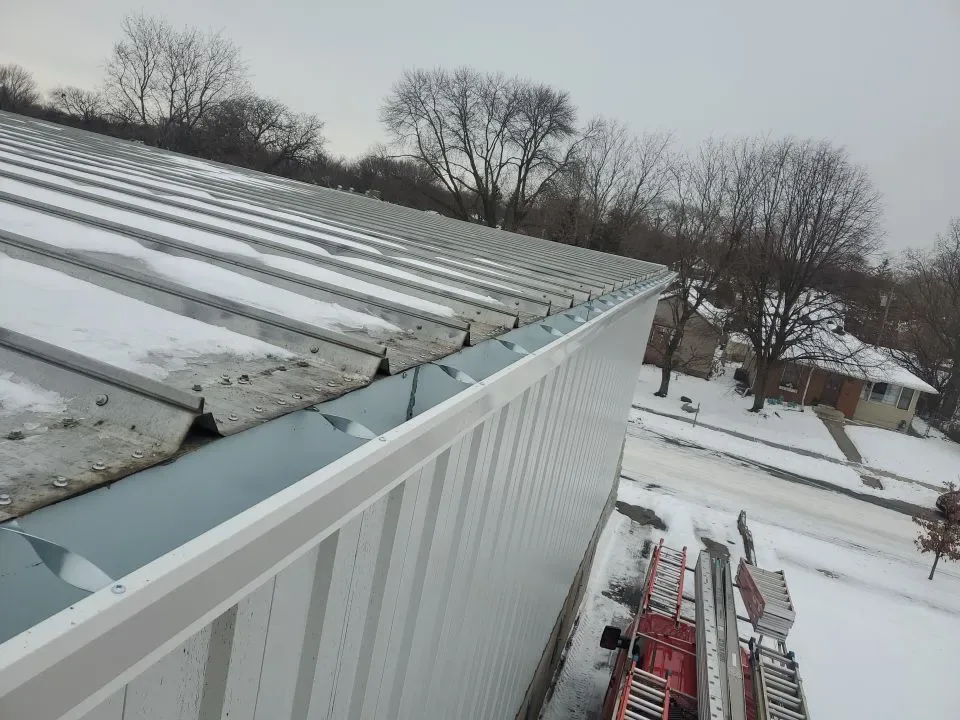
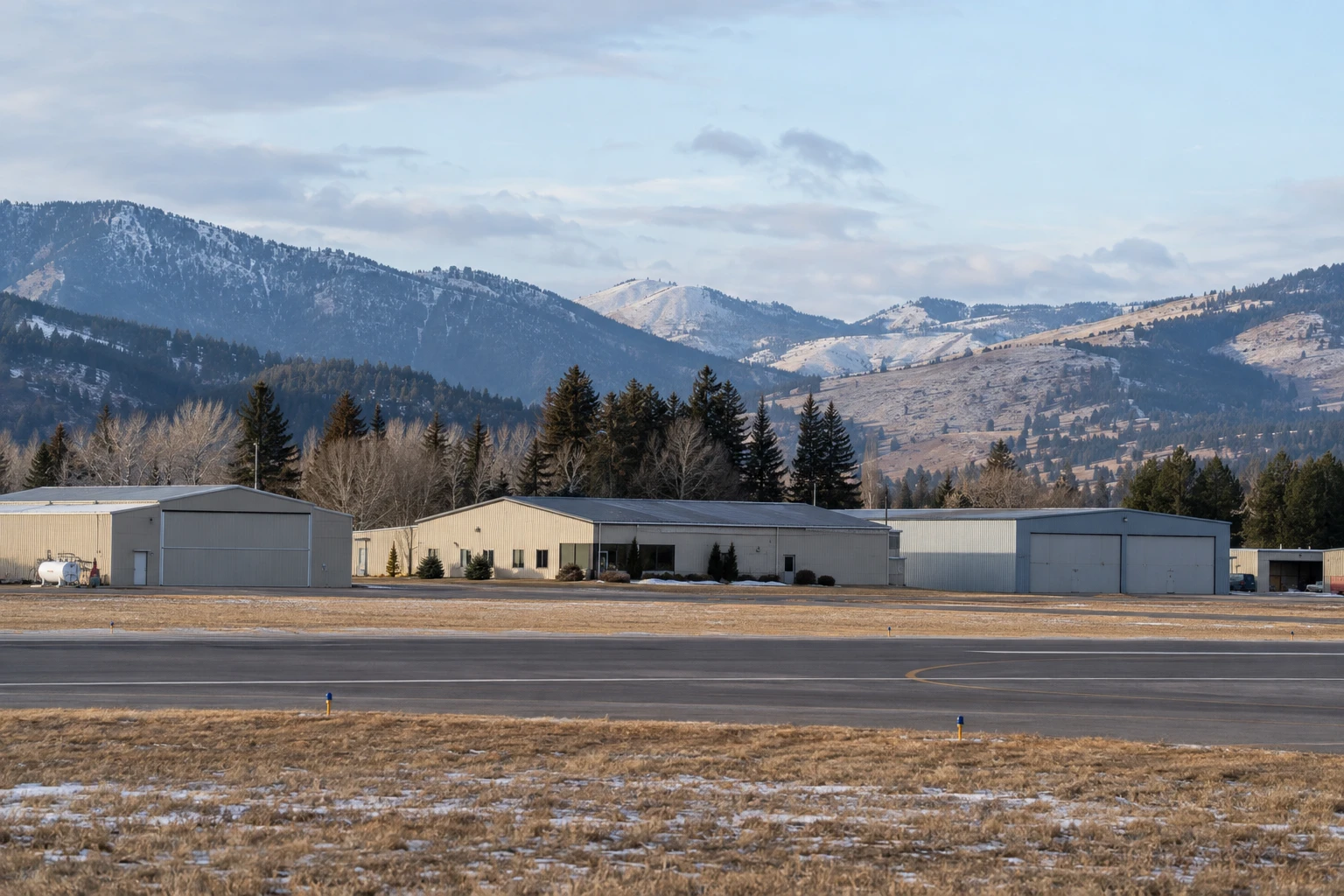
Send the Roof Plan and a Site Sketch
Send the roof plan and a sketch of the lot, the entrance and the nearest road, and we will schedule a perimeter walk. The first sheet marks the edge runs to fix first, with a photograph of each and a price for the repair.
Call 555-555-5555 or email [email protected].
Questions About Wye
Why check the edge of the roof first at Wye?
Because wind enters there. A lifted edge lets gusts get under the membrane, and the damage spreads from the perimeter toward the field. A hand check of every run finds the loose ones in a morning, and the repair list shows the count.
Does the airport affect roof work?
It can if a crane boom reaches into restricted airspace. We ask early about notice requirements and choose crane size and position to fit, and the answer goes on the schedule so the date is not a surprise.
What is the best season for roof work at the junction?
From late spring into early autumn, after the last thaw and before the first hard freeze. Winter belongs to surveys, snow checks and emergency protection, and because the window is short, early booking pays. Ask for the first open block once the snow melts.
Can we keep the business open during a reroof?
Yes. The roof is opened in sections and dried in each day, and customer access stays clear. Staging stays inside the lot, and the crew keeps a lane open for deliveries.
How do I prepare a building for sale?
Gather the records, commission a condition survey and fix active leaks. A clear photo set speeds a buyer's review, and a priced list of deferred items lets the buyer and seller settle on a credit without a dispute.