
Infrared Roof Moisture Survey in Missoula, MT
Infrared Roof Moisture Survey
A moisture survey is the step that decides whether a roof gets patched, recovered or replaced. Saturated insulation does not announce itself. It sits under a sound-looking membrane, adds weight, loses its thermal value and feeds the next leak. In Missoula, MT the cold months make it worse, since water in insulation freezes and thaws all winter and works at every seam above it.
We survey with infrared imaging, a moisture meter and core cuts, in that order. The scan finds suspects, the meter narrows them, and the cores prove them. The result is a map of dry and saturated insulation that drives every decision after it.
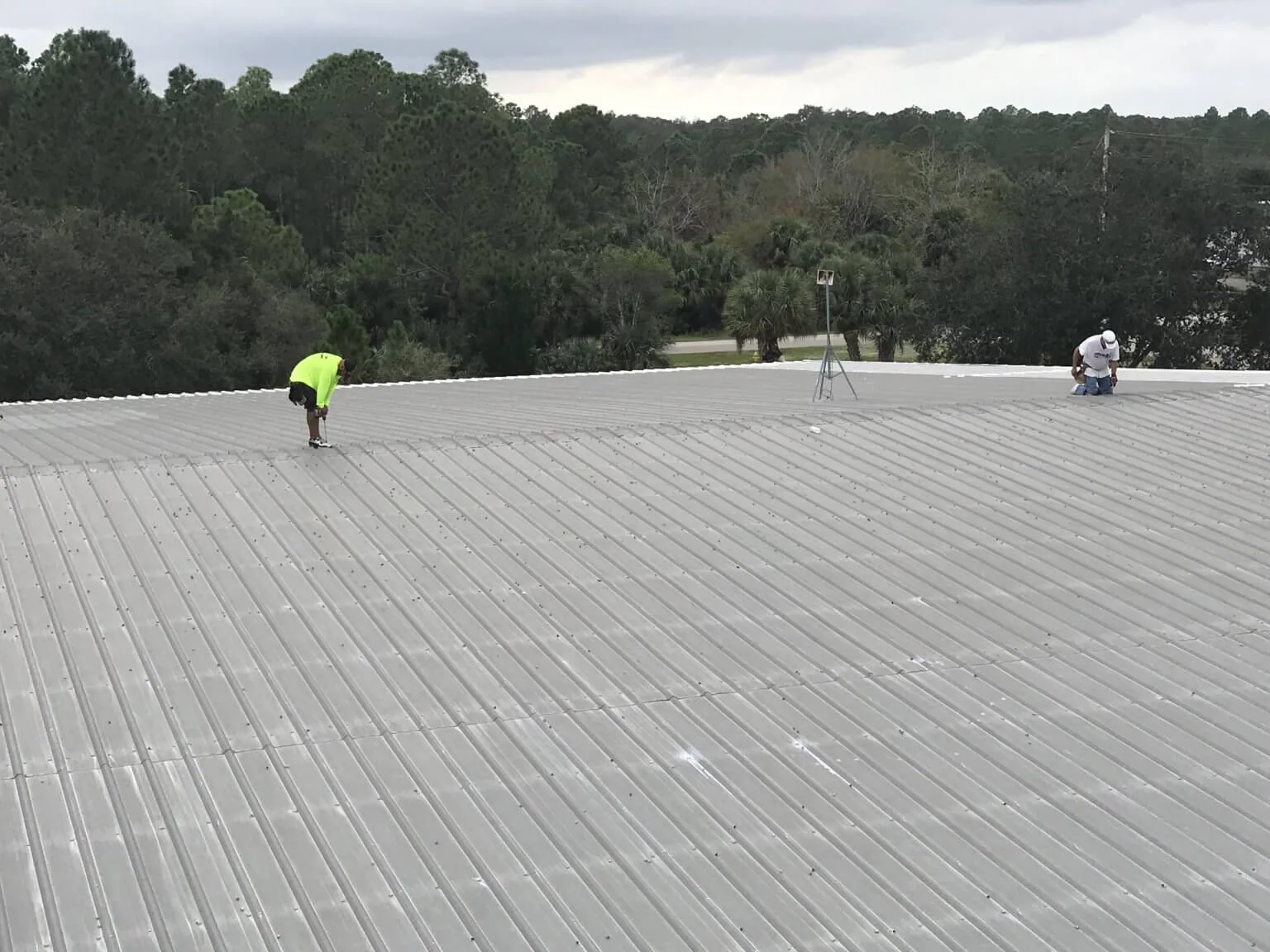
Scanning When the Roof Gives the Best Contrast
Infrared works because saturated insulation holds heat longer than dry insulation. After a sunny day, a roof releases heat into the evening, and the wet zones stay warmer. The scan catches that difference. Timing therefore matters more than equipment.
Missoula helps with its big summer swings. A late-summer day here can span 30 F or more, and the record high of 107 F in June 2021 shows how much heat a roof can absorb. A clear afternoon followed by a calm evening produces the sharpest images. Overcast days, wind, rain and fresh snow cut the contrast, and we reschedule rather than collect poor data.
The crew starts preparing hours before the scan. We walk the roof in daylight to note drains, patches, equipment, standing water and any surface debris, then mark reference points so the thermal images line up with the roof plan afterward. Once the sun drops and the roof begins to cool, the scan runs in a set grid, and a second pass covers any area that looks unclear.
Winter surveys are rarely useful. Snow covers the membrane and a frozen roof hides the signal. We book surveys in the warm months, which also gives you time to plan repairs for the next dry window.
Combining the Scan, the Meter and the Core
Infrared alone can mislead. Roof patches, ballast, dark surfaces, ducting and drainage slopes can all create temperature patterns that mimic moisture. We confirm each suspect area with a handheld moisture meter that reads through the membrane, and we mark readings on the roof.
Core cuts are the final check. We cut a small sample at selected points, look at the insulation and deck, and measure the moisture content. Each core is patched and sealed before we leave, with the location recorded on the plan.
This three-step method keeps cost down and conclusions sound. Cores go only where the scan and meter point, so the roof is not riddled with test holes. Readings are logged by location and depth, and the core samples are photographed against a ruler so the insulation thickness and condition are clear to anyone who reads the report later, including an engineer or an insurer. The documentation shows you which areas are wet, which are dry and which cannot be confirmed without more work.
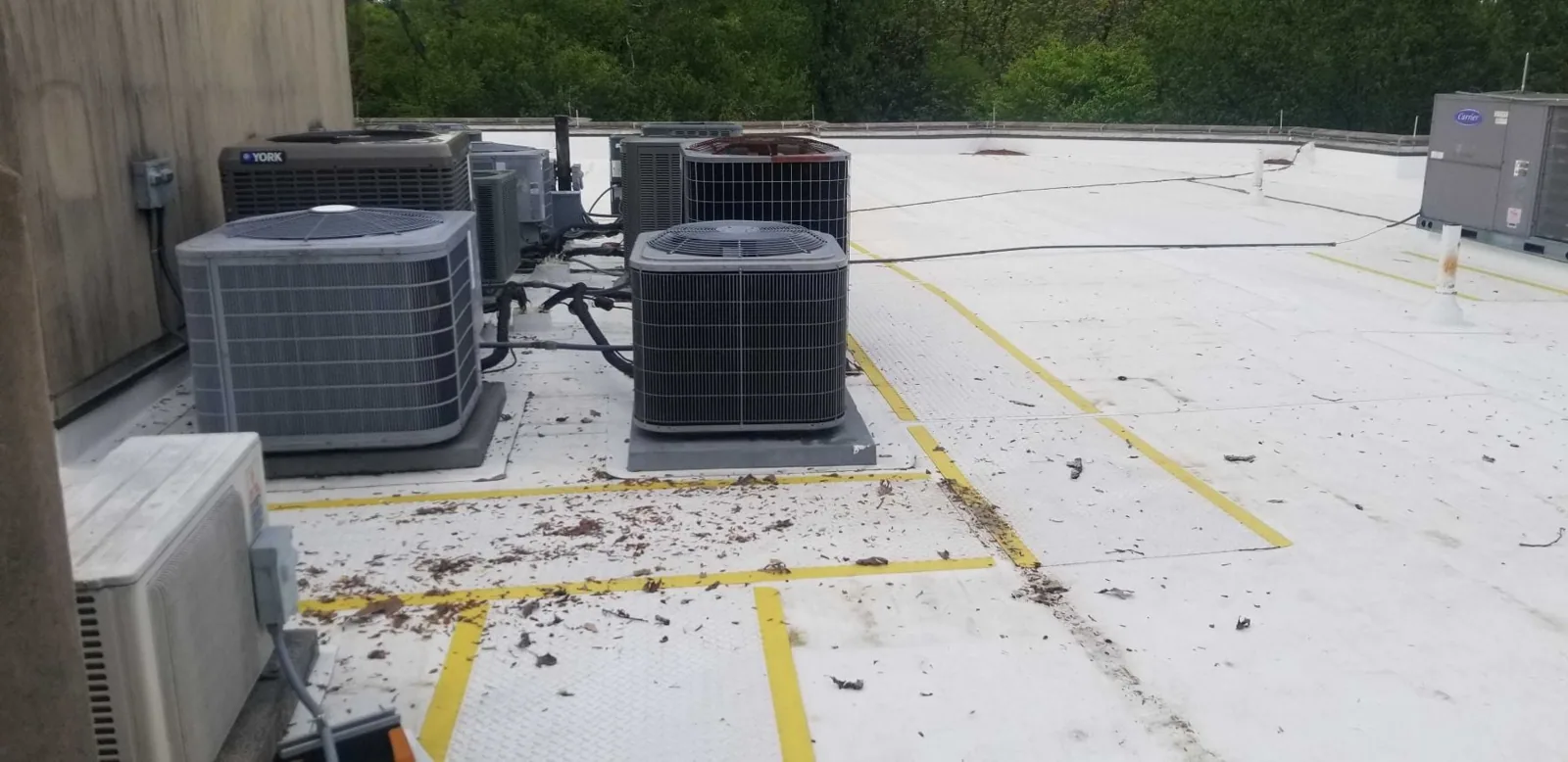
Surveying Roofs With Different Insulation Stakes
The stakes differ by building. A hospital roof, in a city where St. Patrick Hospital is the region's only Level II trauma center, covers interior spaces where a leak affects patient care, and saturated insulation is a risk that grows quietly. A retail roof on the Reserve Street corridor, where traffic tops 30,000 vehicles a day, usually carries rooftop equipment, and every curb and pipe is a potential entry point.
Campus buildings at the University of Montana, whose 64 buildings spread over 220 acres, can be surveyed in a program so that a facilities team learns which roofs to repair and which to replace. The results feed a ranked list across the campus, not a building-by-building guess.
For buildings with solar arrays or heavy equipment, we survey around the obstructions and mark any area we cannot reach. Those areas stay on the plan as unknowns until they can be checked.
Different membranes behave differently under a scanner. A black EPDM surface heats and cools fast, while a white TPO or PVC surface reflects most sunlight and gives a weaker signal. A gravel or ballasted roof masks the surface almost entirely. We adjust the method to the roof and add meter readings and cores where the scan loses strength.
Using the Map to Choose Repair, Recover or Replace
The moisture map turns a fuzzy question into a number. If saturated insulation is small in area and isolated, cut-and-replace repairs fix it. If it covers a moderate share of the roof but the rest is dry, a partial replacement of the wet zones may extend the roof's life. If it is widespread, replacement is the safer investment.
A recover over a wet roof traps water and fails early. The map tells you whether a recover is viable at all. Before any overlay is priced, the survey shows how much insulation must come out first.
The same map supports negotiation. In a property sale, a survey gives a buyer and seller a shared view of roof condition and a basis for pricing repairs. The same method applies to due diligence roof surveys, scaled to the transaction timeline.
Acting on the Findings and Repeating the Scan
Once saturated insulation is removed and replaced, the roof is dry again, but the scan record remains useful. We recommend a follow-up scan after a major storm, after major repairs or at intervals set by the roof's age. Comparing scans shows whether wet areas are growing, shrinking or stable.
The cost logic is simple. A survey costs far less than a tear-off, and it tells you how much tear-off is needed. Owners who skip it sometimes remove entire roofs that were mostly dry, or recover roofs that were mostly wet. The scan is how you avoid both mistakes.
That history is a planning tool. A 2016 hail event across central and south Missoula shows why a scan before and after a storm like that can show whether a punctured membrane has let water in. Owners who hold baseline scans can show an adjuster what the insulation looked like before the storm.
Owners in East Missoula, Lolo and Orchard Homes get the same approach. The survey is portable, and the map reads the same on any roof. The scan day is chosen with the weather window in mind, and the staging area for the cores is set before the roof is opened.
Related Roofing Pages
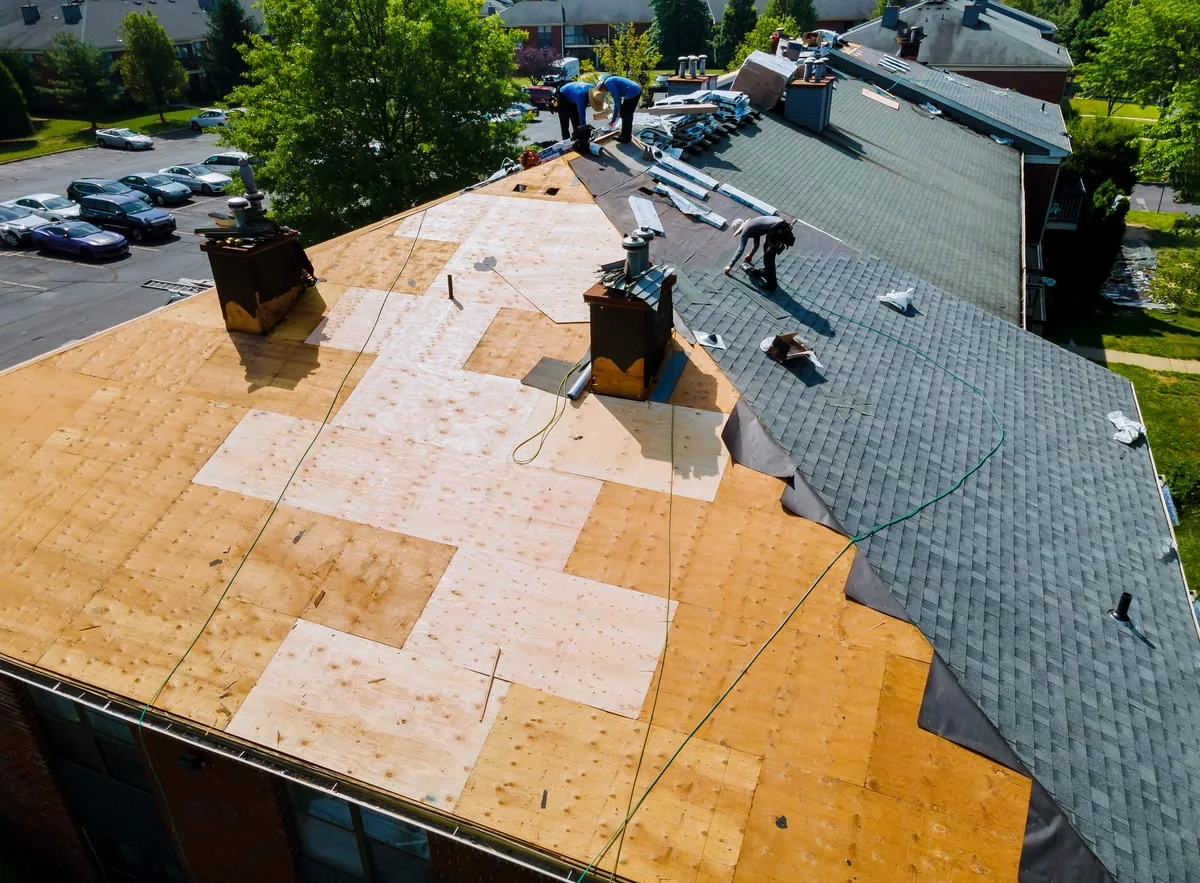
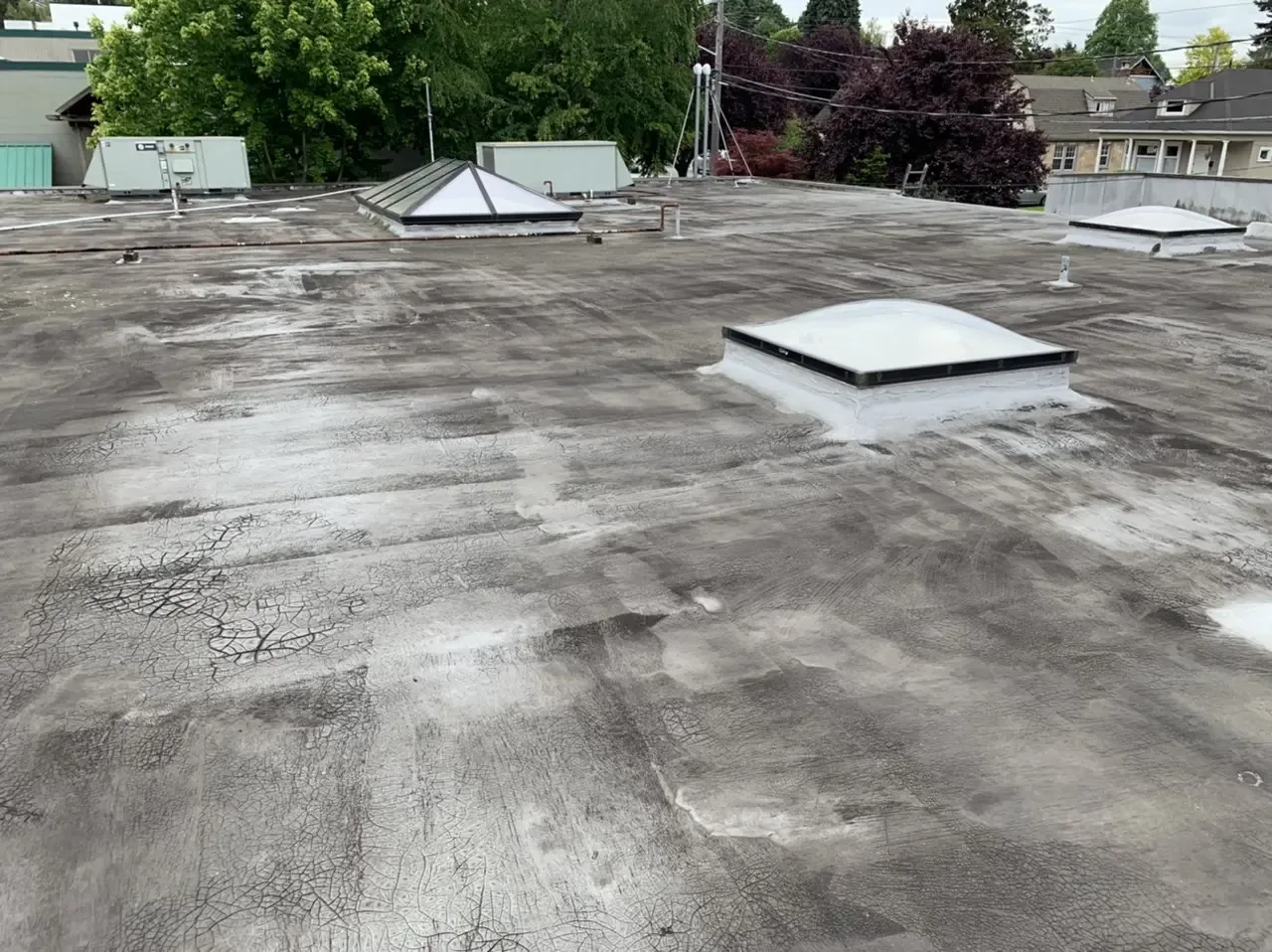
Pick a Warm Window and Send the Roof Plan
Send the roof plan, the roof type and any known leak areas. We will book the survey for a clear, calm evening and return a moisture map that shows what is wet and what is not.
Call 555-555-5555 or email [email protected].
Questions About Infrared Roof Moisture Survey
When is infrared scanning not worth doing?
When snow, rain or heavy overcast block the heat signal, or when the roof is ballasted so thickly that the membrane cannot be seen. We reschedule for better conditions or use meter and core methods alone, depending on the roof.
How many cores will you cut?
As few as the findings require. Cores go where the scan and meter disagree or where the answer changes the decision. Each hole is small, patched and sealed, and the locations are recorded on the roof plan.
Can the survey find the exact source of a leak?
It shows where insulation is wet, which is usually near the entry point but not always at it. Water moves along the deck. We combine the moisture map with a close look at flashing, seams and drains in the zone to find the source.
How does the survey affect my warranty?
Manufacturers often want evidence of condition before they agree to repair or extend coverage. A survey with dated imagery and core results is the kind of record that supports those conversations, and it also helps with insurers.
Does a moisture survey replace a regular inspection?
No. The survey finds trapped water, while an inspection reads surface condition, flashing and drainage. They answer different questions, and together they give a full view of the roof.