
Commercial Roofing in East Missoula, MT
East Missoula
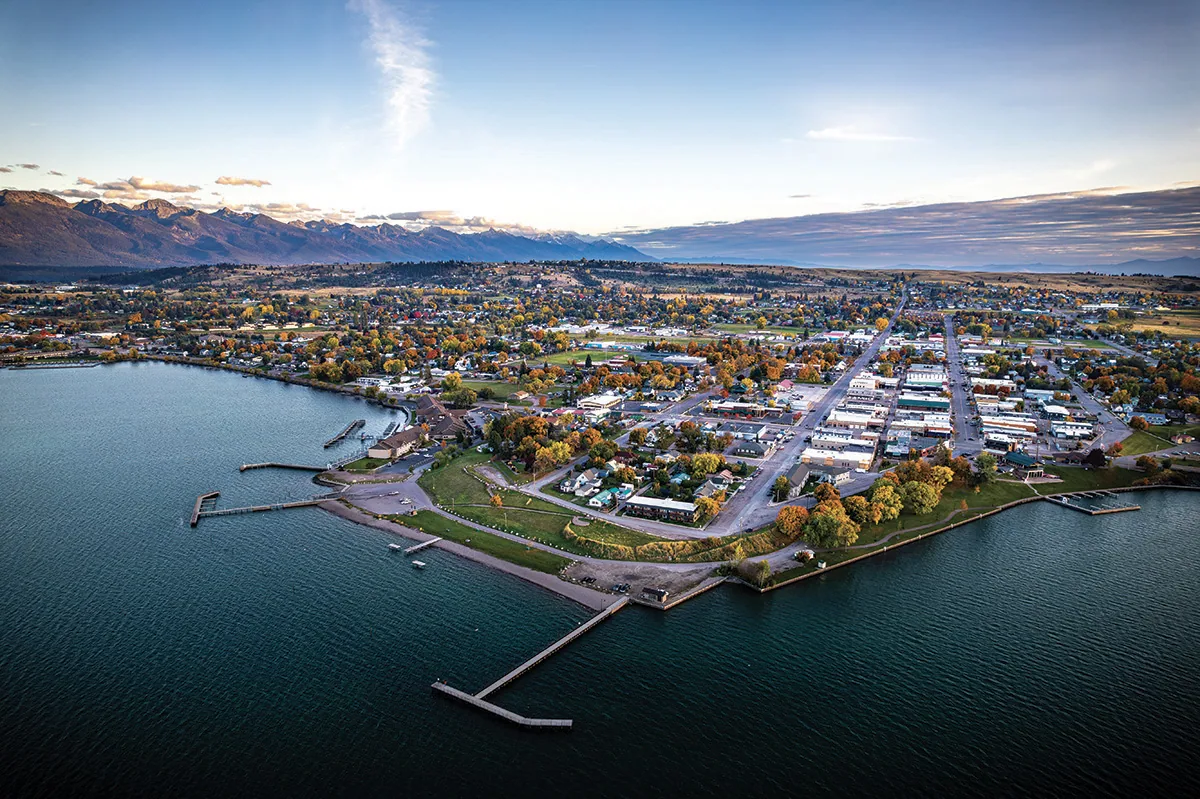
Converted industrial space is one of the roof problems in East Missoula, MT: a lumber-mill site where the work has changed but the buildings have not. The former Stimson lumber mill site, bought by Bonner Property Development in 2012, now hosts beer production and bicycle manufacturing, and both bring new loads to roofs built for something else. Process exhaust, wet floors, steam and heavy equipment are different from a sawmill's, and the roof over them needs a different check. We start with what the building now does, then survey the roof against that use before choosing repair or replacement.
Survey the Roof Against the New Use
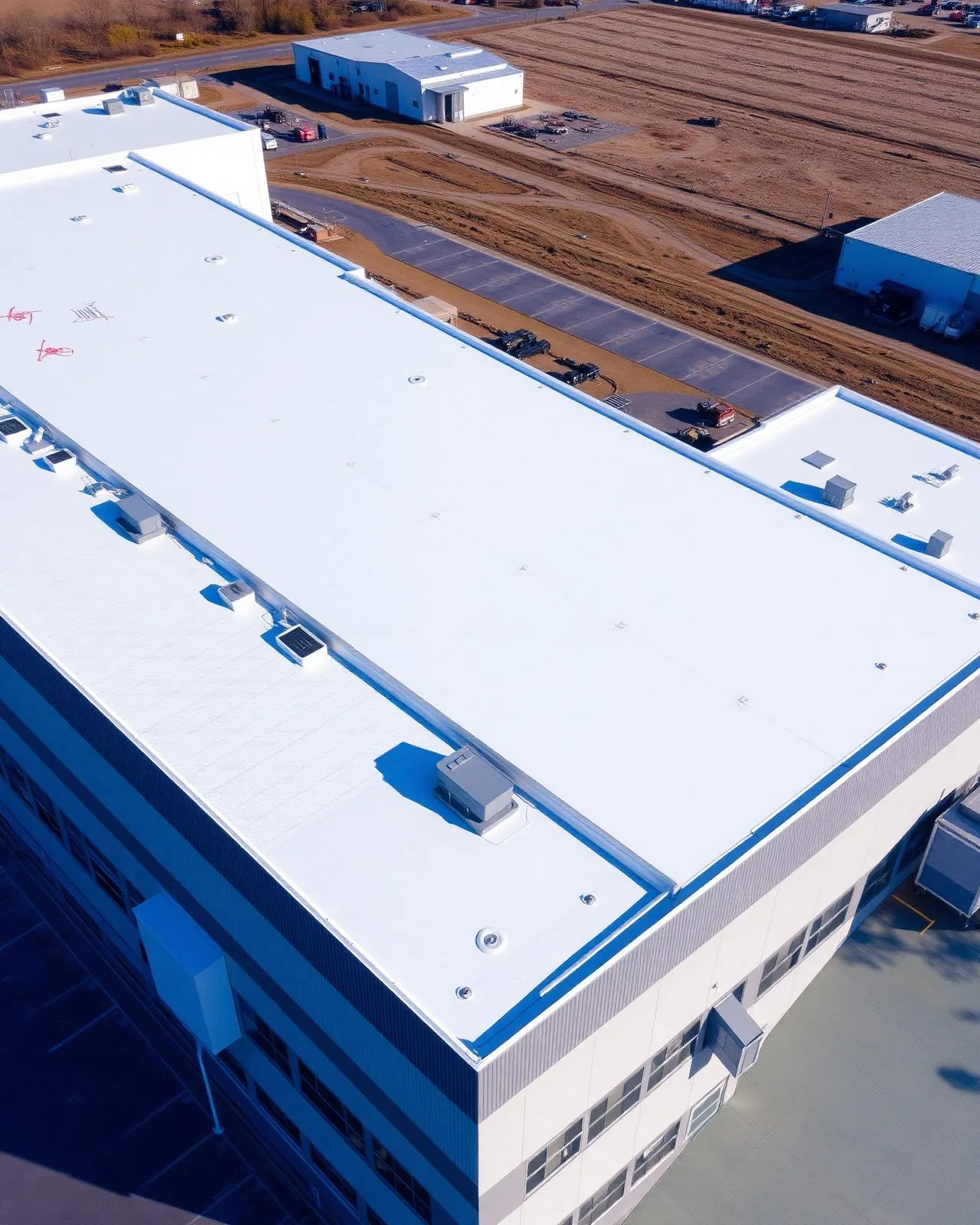
A brewery makes steam, moisture and warm exhaust, and a bicycle plant makes dust, welding fume and noise. Each puts something different on the roof or inside the assembly. Moisture rising into a cold deck condenses in a Missoula winter, and exhaust leaves residues on the membrane around the stack.
We check the vapor path first. Cores show whether insulation holds moisture and whether the deck has corroded or stained from below. A stain on the underside can be condensation, not a leak, and the repair is different. The survey separates the two before any money is spent on sealing, and it gives the owner a priced list for each.
An infrared scan after sunset finds trapped moisture without opening the roof, and the cores confirm what the scan suggests. The plan marks wet and dry areas, and the repair is sized to the wet area. If the wet area is small, a cut-out and patch is all it takes. If it is large, the scan tells the owner that replacement will cost less than repeated repair.
Protect the Membrane From Exhaust and Process Heat
Grease, oils, solvents and heat shorten the life of many membranes around an outlet. A PVC roof resists many oils and chemicals, and it is often used around exhaust stacks. The rest of the field can use a standard single-ply. We map the exhaust points and note the product at each.
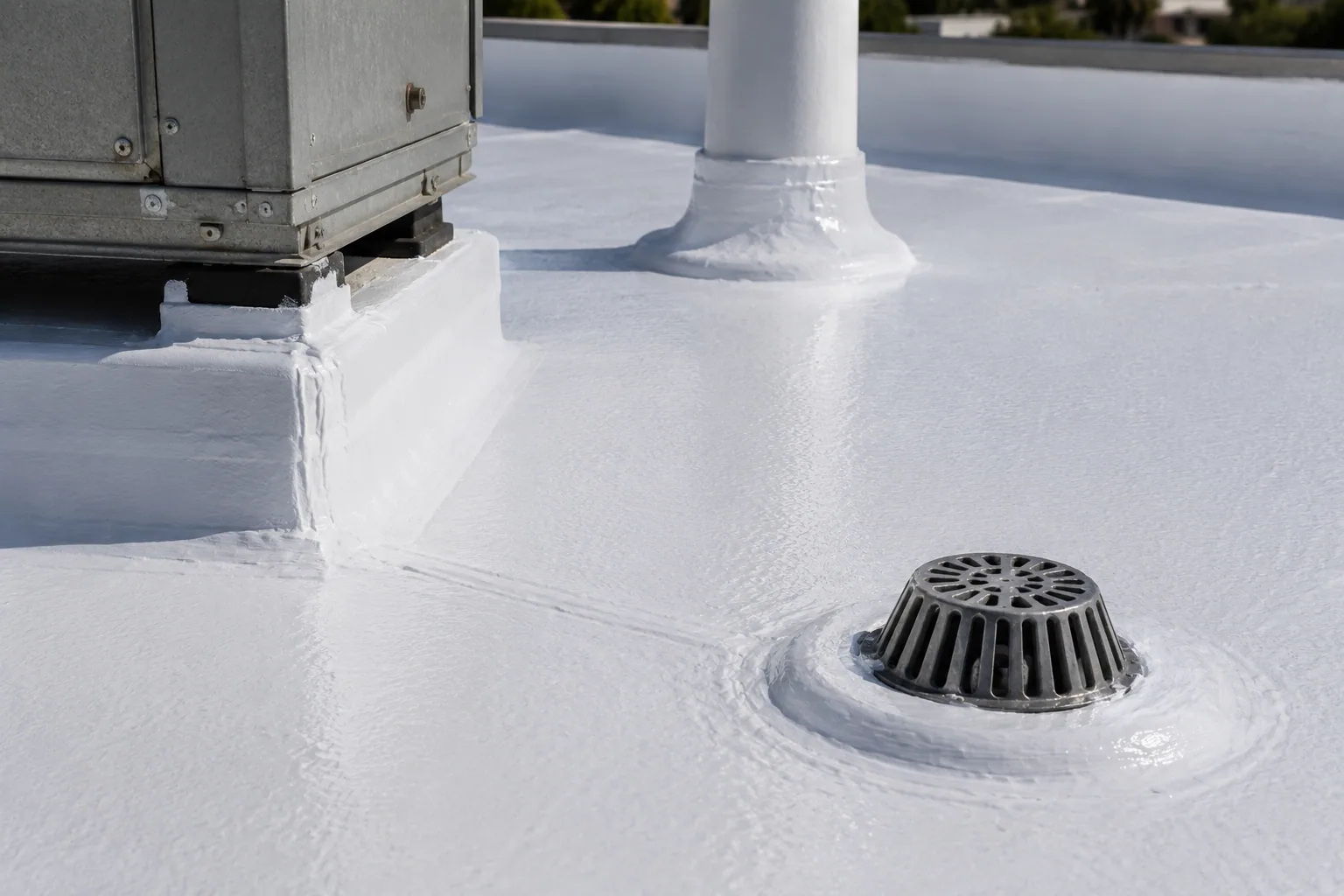
Curbs and fan bases are where sealants fail first. A bead that has softened or cracked is cut out and replaced, and a drip tray or a stainless flashing goes in where the discharge is aggressive. The punch list names each outlet with a photograph.
Heat deserves a line too. Process heat from a kettle or a furnace vent raises the membrane temperature near the outlet, and a roof that sees Missoula's summer swings of more than 30 F from late June through late September on top of it ages faster at that spot. We read surface temperature near each stack and compare it with the field, and the readings go in the file.
Check Long Spans and Old Framing for Snow
A former mill building may have wide clear spans and older framing. The Bonner sawmill, served by I-90 Exit 109, closed in 2008 after 122 years, and heavy snow collapsed much of its roof in 2011. That is a local reminder that a long-span roof left loaded can fail.
The design ground snow load is 40 psf, and a winter here brings about 39.5 inches. After heavy storms we check deflection, doors that stick and cracks in the finishes below. Where drifts form behind parapets or against taller walls, we plan removal from the heaviest areas toward the supports.
Plan Work Around Production and Deliveries
A brewery fills tanks and ships kegs on a schedule, and a bicycle plant runs shifts. Roof work has to fit around both. Cranes, hoists and trucks need lanes that do not cross the loading dock, and the work avoids days when a production run needs the full yard.
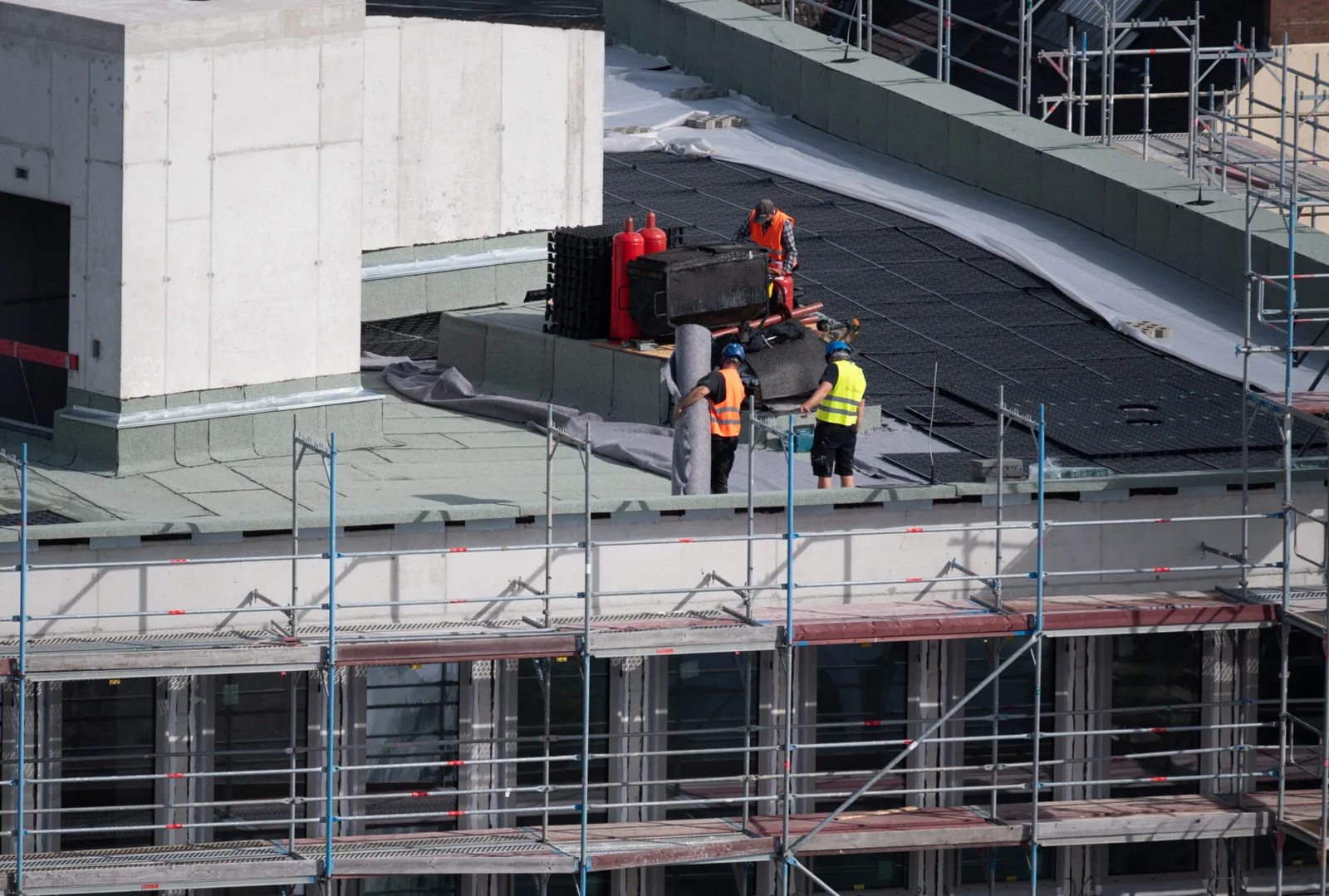
We ask for the production calendar and the delivery windows, then build the roof sequence around them. Seasonal peaks matter, since a brewery and a bicycle maker may each have a busy stretch, and the roof work moves to the quietest weeks. We also ask about tank farms, cold rooms and other equipment that might sit below the work area, so protection goes where it matters most. Sections are dried in every day. Air intakes near the work are covered, and the foreman checks in with the production lead at the start and end of each shift. A reefer truck, a fork truck lane and a fire lane each keep a clear path, and the crane pick is set outside shipping hours. The method is the same one used for occupied building reroofing.
Pick the Right Repair for a Mixed-Age Roof
A roof that has had several owners has several repairs. A repair may be all the roof needs, a coating may add years, and replacement may be the cheaper answer if insulation has taken on moisture. Each option has a price on one sheet.
Buildings near the highway are checked for exposure to wind and road spray. I-90 runs along the southern edge of East Missoula with access from Exit 107, and former US 10 and Montana Highway 200 pass through the center of town. Edge metal and flashings on exposed buildings get a close look.
A production building beside the highway needs trucks in and out on a schedule. We plan crane picks and deliveries away from the busiest hours, and we choose staging areas that do not block a driveway.
Document the Roof for Lenders and Insurers
Converted buildings often come with financing and insurance questions that new buildings do not. A lender wants proof of condition, and an insurer wants to know the roof matches the use. A dated photo set, a core log and a moisture survey answer both. We assemble them in one folder.
The same format works for Bonner-West Riverside and Milltown, which share the mill-town history and the interstate. An owner with buildings in both can keep one calendar and one set of records. East Missoula had 2,465 residents in 2020 and borders the city of Missoula, so the work reads as part of the Missoula market, with the same snow, wind and code numbers. A maintenance program puts a visit before the freeze and another after the thaw, with the file updated each time.
Related Roofing Pages
Send the Roof Plan and the Production Schedule
Send the roof plan, a description of what the building now does and the production calendar, and we will schedule a survey. The first sheet marks exhaust points, wet areas and snow-drift zones.
Call 555-555-5555 or email [email protected].
Questions About East Missoula
Does a change of use affect the roof warranty?
It can. Check the manufacturer's terms on exposure to oils, steam and chemicals. We review the warranty text and list any limits in the proposal.
How do I tell condensation from a leak?
A moisture scan and a look at the vapor path tell them apart. Condensation appears under a cold deck in winter, while a leak follows rain or thaw. The survey plan marks which is which, and the repair targets the true cause, whether that is a flashing, a vent or a mechanical fix inside.
Can a mill-era roof take new equipment?
Only after a structural check. New units add weight and snow drifts form around them. An engineer confirms the framing, and we flash the curb.
What if production cannot stop for roof work?
Sections are dried in daily, intakes are covered and noisy tasks are scheduled around runs. The plan shows each shutdown and its length, and the production lead signs it before the crew goes up.
When is replacement better than repair?
When cores show saturated insulation over a wide area or seams fail across the field. Otherwise repair or coating costs less and buys years. A coating restoration needs a dry roof, which the scan confirms before any price is final.