
Commercial Roofing in Seeley Lake, MT
Seeley Lake
Snow arrives first at Seeley Lake, MT, and the roofing plan follows from it. The town sits at 4,127 feet on Montana Highway 83, about 52 miles northeast of Missoula, and it averages about 118.9 inches of snow a year on roughly 59 snowy days. That is three times the 39.5 inches Missoula sees. A commercial roof here is judged by what its structure can hold, how it sheds the load and how quickly a crew can finish before the next storm. We repair, recover and replace low-slope and metal roofs, and every job starts with the load path.
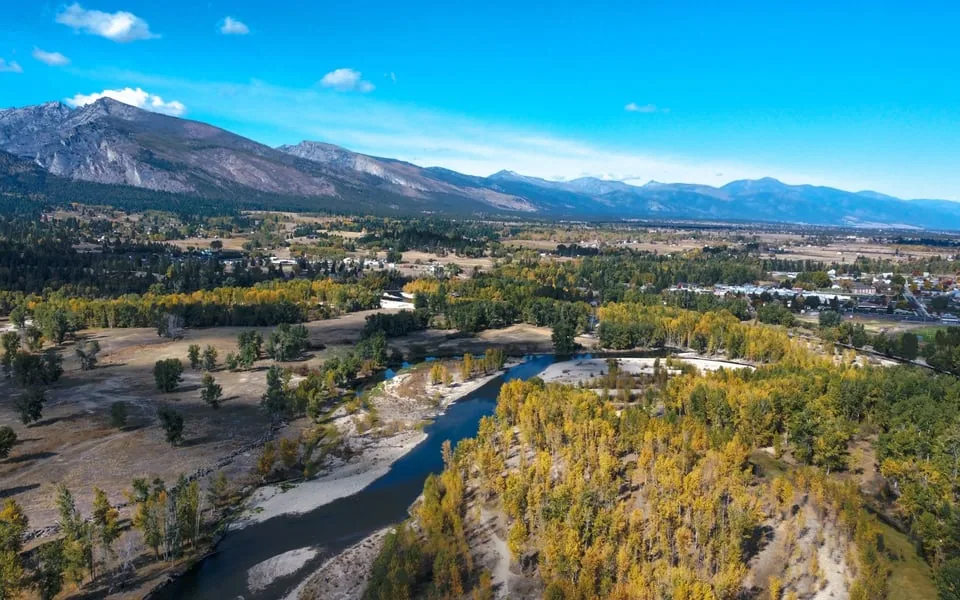
Start With What the Structure Can Carry
Missoula's table value of 40 psf ground snow load is the starting point, with roof loads figured under ASCE 7-16. A building at Seeley Lake, at 4,127 feet, sees far more annual snowfall than the city, so we do not assume the same margin. Before any recover or heavier system is proposed, we examine the framing, the connections and the underside of the deck for sag, cracking and water staining.
If we see signs of stress, an engineer reviews the structure and sets the limits for added weight. That review can change the whole plan: a lighter single-ply membrane over thin insulation may be the only sound recover, or a standing seam metal roof may be better because it sheds snow instead of holding it. The structural answer comes before the system choice. When the engineer sets a limit, we write it into the scope so that the insulation thickness, the cover board and the membrane weight all fit inside it, and the owner can see the margin that remains.
Shed Snow Without Hurting Anyone Below
Where the snow is deep, a roof that sheds it can be more dangerous than one that holds it. A sheet of wet snow sliding off a metal panel can strike a doorway, a vehicle or a person. Snow guards, catch rails and gutters sized for the load are part of the design, not an afterthought.
We lay them out from the roof plan, placing rows above entrances, walkways and parking. The spacing depends on the pitch, panel profile and snow depth. On a low-slope roof, the concern is different: drifts build at parapets and rooftop units, and the weight there can be several times the average. We identify those spots and check the framing beneath them, and where the structure is marginal we add framing, shorten spans or move rooftop equipment so the drift lands where the roof is strongest. A standing seam metal roofing system shows the point well, since its seams carry the guards without a single hole through the panel, and the guard rows can be moved or added after a hard winter shows where the snow really lets go.
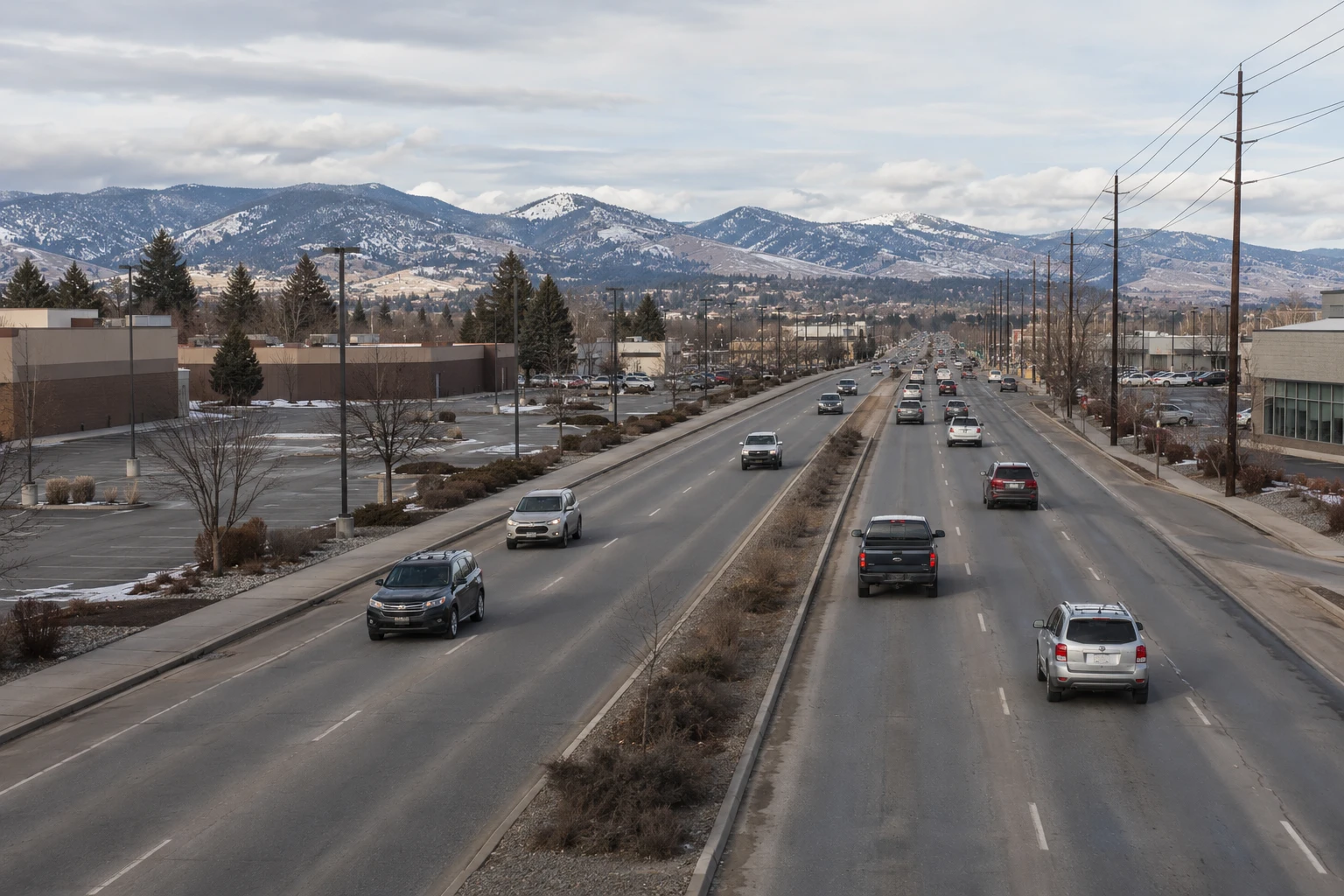
Control Ice Where Heat Escapes
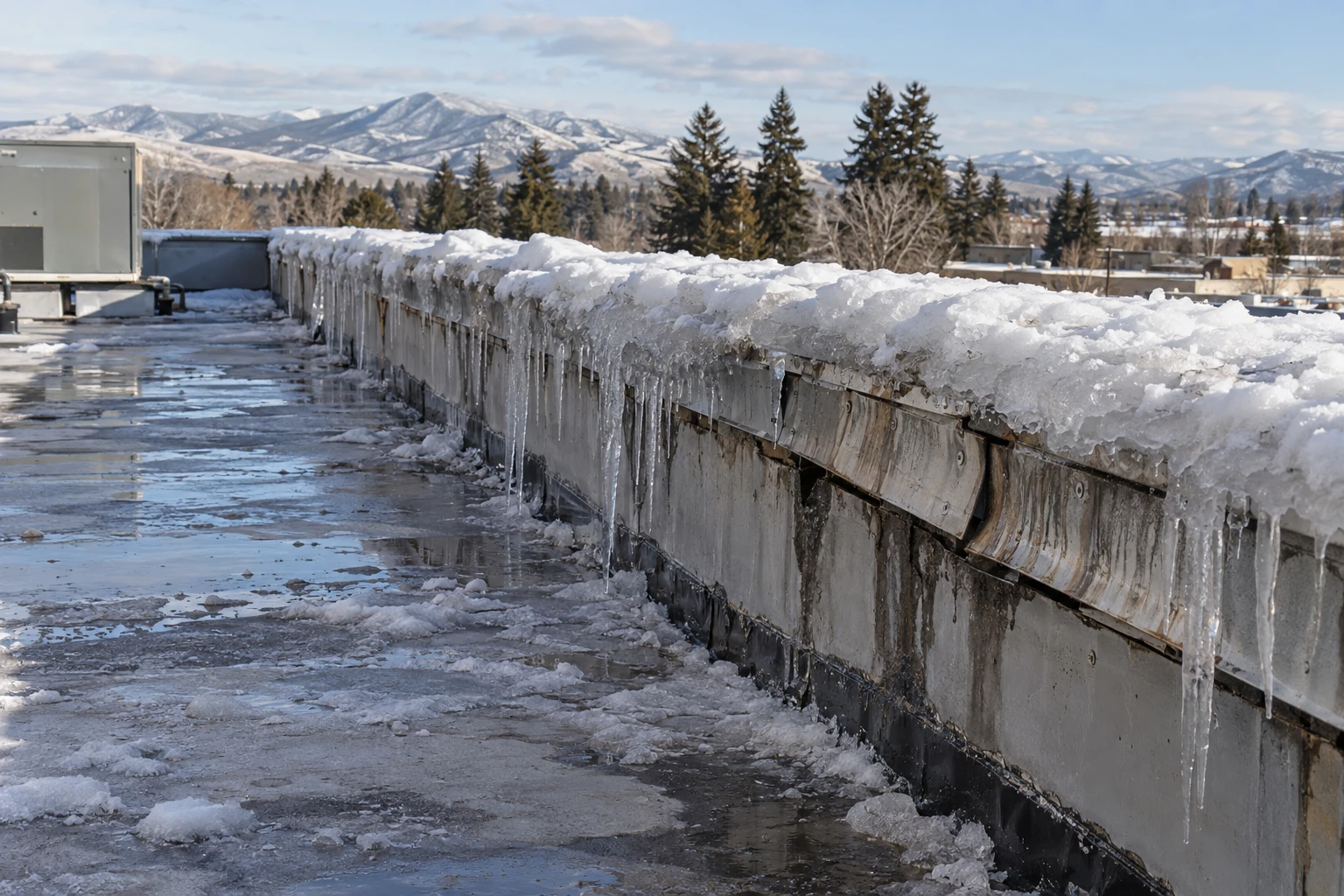
With about 59 snowy days a year, ice dams are a constant risk. Heat that leaks into the roof space melts snow high on the roof, and the water refreezes at the cold eave. The ice then blocks drainage, and meltwater backs up under the roofing.
Insulation depth comes first, then air leakage at the ceiling and ventilation at the eave. Reducing the heat that reaches the deck is the lasting cure. On the roof, we use continuous edge metal and ice-resistant underlayment at the first courses. If a dam has already damaged the eave, the fix follows snow and ice roof damage repair: remove saturated insulation, replace the damaged course and correct the heat loss that caused it.
Book the Work for the Few Dry Months
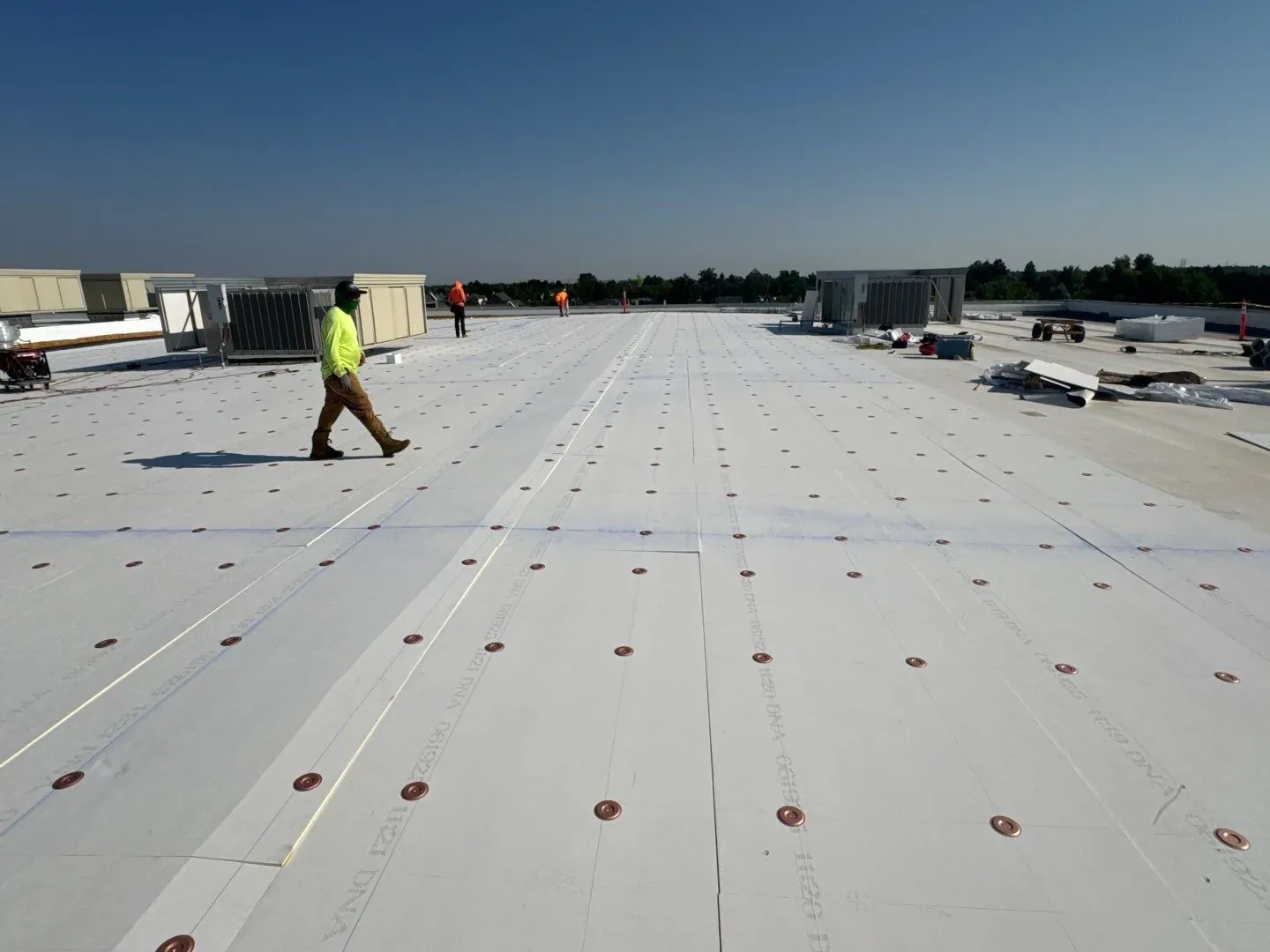
With snow cover for much of the year, the work window is short. Dry surfaces and moderate temperatures are what adhesives, sealants and coatings need, and freezing nights keep them from curing. We schedule Seeley Lake projects for summer and early autumn and aim to finish before the first lasting snow.
Material is ordered early so it is on site when the weather opens. A winter leak gets a temporary membrane over the area, photographs of the entry point and a permanent repair planned for the next workable window. A winter patch is built to hold through the remaining cold months, with the edges sealed and a note of its exact location, so the summer crew can find it, test the area beneath it and decide whether it stays or is cut out. Saturated insulation found at that stage is removed before the permanent membrane goes down. Our emergency roof repair response applies year-round, including snow days when access takes extra planning.
Plan Highway 83 Deliveries for Distance and Weather
Highway 83 is the only practical route from Missoula, and the distance is about 52 miles. We combine crew and material into as few trips as possible, deliver in large drops and keep a stock of small parts on the truck. A crane and a flatbed arrive together, and the pick happens early in the day before wind rises.
The staging area sits on the owner's ground, away from doors and parking. We check the forecast daily and carry temporary covers sized to the open section. If a storm approaches, we stop, dry in what is open and return when conditions allow. That discipline matters more here than anywhere else in the market, since a storm can close a day without notice. Fuel, heat for adhesives and a covered place to store membrane rolls are arranged before the first morning, because a cold roll will not unroll flat and a frozen adhesive will not bond.
Keep Records and Schedule Snow Season Checks
At closeout we walk the roof with the owner, photograph every drain, seam, flashing and guard and write a punch list with dates. The record stays with the building.
Then the roof goes on a calendar: a fall pass to clear drains and check guards, and a spring pass to look for freeze damage and sag. Sag shows up as a shallow dish in the roof surface or as doors and windows that begin to stick, and either one prompts a structural call before the next winter. Neighboring communities along the same northeastern routes, such as Potomac and Twin Creeks, see similar patterns. A preventive maintenance program formalizes the visits, and a roof capital planning review sets aside funds for the next replacement.
Related Roofing Pages
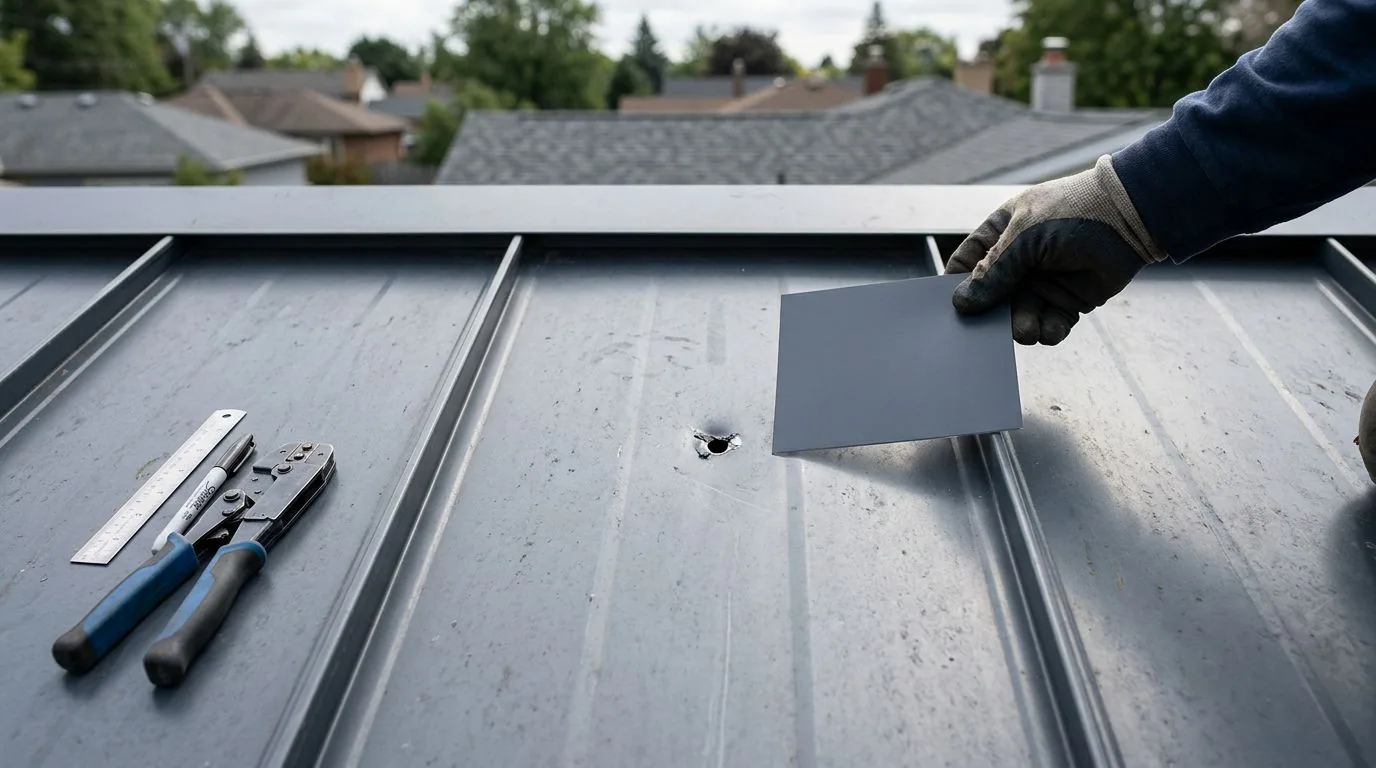
Send the Framing and the Roof Plan
Send the roof plan, any framing information and the access constraints so the structural check, the phasing and the staging area can be mapped before any material is ordered.
Call 555-555-5555 or email [email protected].
Questions About Seeley Lake
How much more snow does Seeley Lake get than Missoula?
Roughly three times as much: 118.9 inches a year here against about 39.5 in Missoula. The extra accumulation makes structural condition, drainage and snow guard layout more important.
Should a roof here shed snow or hold it?
What sits below decides. A roof above a walkway or entrance should hold the snow or release it in small pieces, with guards in place. A roof over open ground can shed freely. The layout of doors and parking decides.
Why do ice dams form even on a new roof?
They come from heat loss, not from the roof itself. Warm air leaking into the roof space melts snow, and the water refreezes at the eave. New roofing helps only if insulation, air sealing and ventilation also reduce that heat.
What is the best time of year to replace a roof near Seeley Lake?
Summer and early autumn. The ground is clear, adhesives cure and a crew can complete a section in a day. Booking early secures a place in that short window.
Do you stop work when snow is forecast?
Yes. We dry in whatever is open, secure the material and wait. Working in falling snow risks a poor seal and a safety problem for the crew, and the delay costs less than a failed repair.