
Due Diligence Roof Surveys in Missoula, MT
Due Diligence Roof Surveys
A due diligence survey runs on the buyer's clock, and in Missoula, MT the clock and the weather rarely agree. Snow covers the ground about 120 days a year, so a roof may be under cover when the inspection period starts. A survey that waits for the thaw can outlast the contract. We sequence the work around that problem: collect the records first, inspect interiors and accessible edges while snow is down, and complete cores and moisture scans on the first clear day. The buyer then closes with a roof report that states what was reached and what was not.
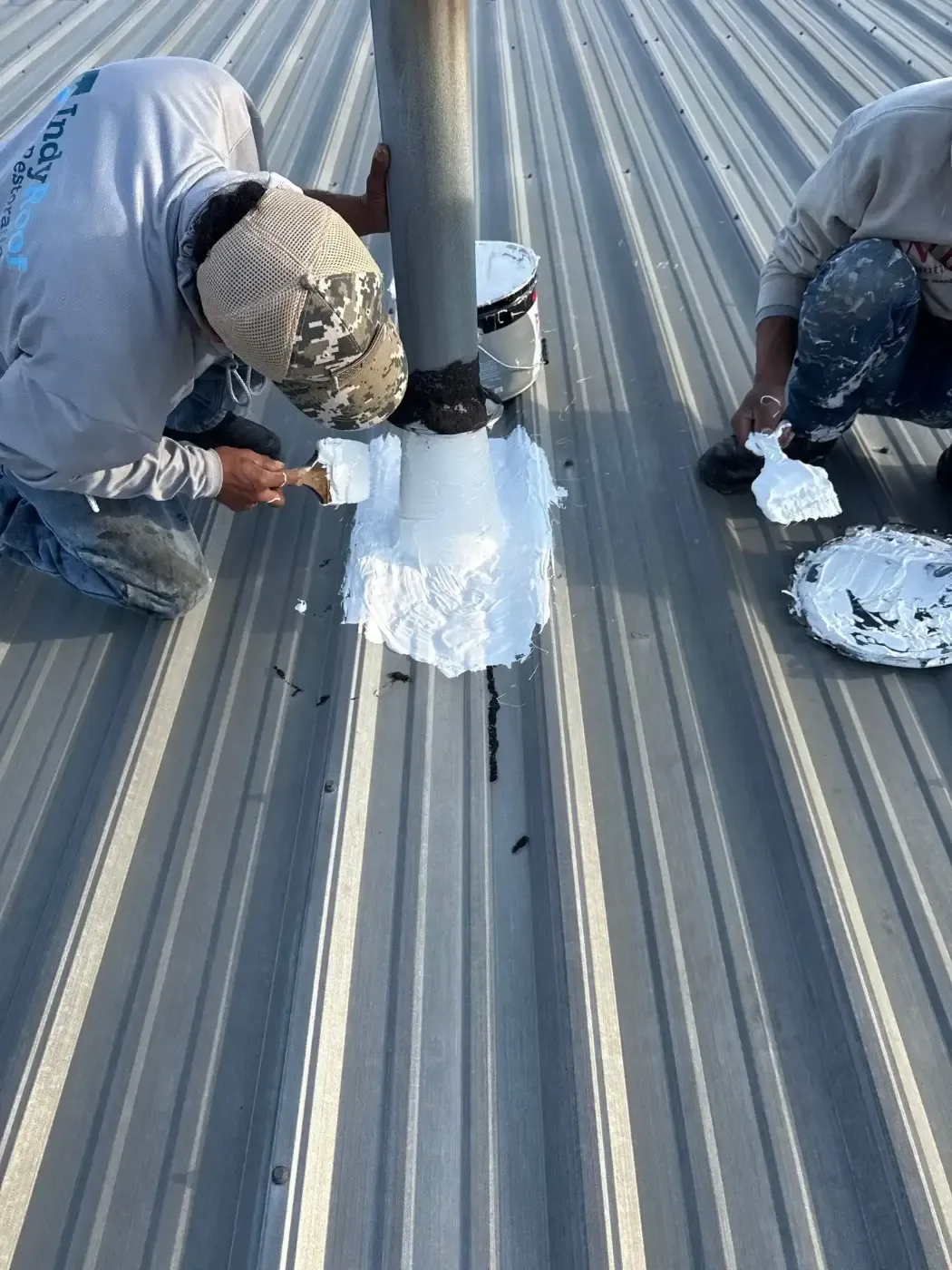
Collect the Records Before the Walk
The first step is paper. We ask for the roof plan, installation dates, warranty documents, past repair invoices, leak logs and any earlier survey. A roof with a record can be read faster, and a roof without one tells the buyer something too. Gaps in the record become line items in the report.
Tenant access is the other early task. A hotel, an apartment building or a retail strip needs notice before anyone enters, and a seller may need to approve each visit. We ask for the contact list on day one and propose visit windows that fit the lease terms. A hotel roof inspected during check-out hours is quick and quiet. The same roof inspected at check-in can trip over guests and luggage.
The records also set the walk plan. If a past repair is noted at a parapet, we start there. If a warranty requires inspections, we check whether they were done. Reading the file first keeps the site visit short, which matters when tenants must be told in advance and the closing date is fixed. A standard commercial roof inspection becomes a diligence survey when it adds the records review, the cost ranges and the statement of limits.
Plan the Survey Around Snow Cover
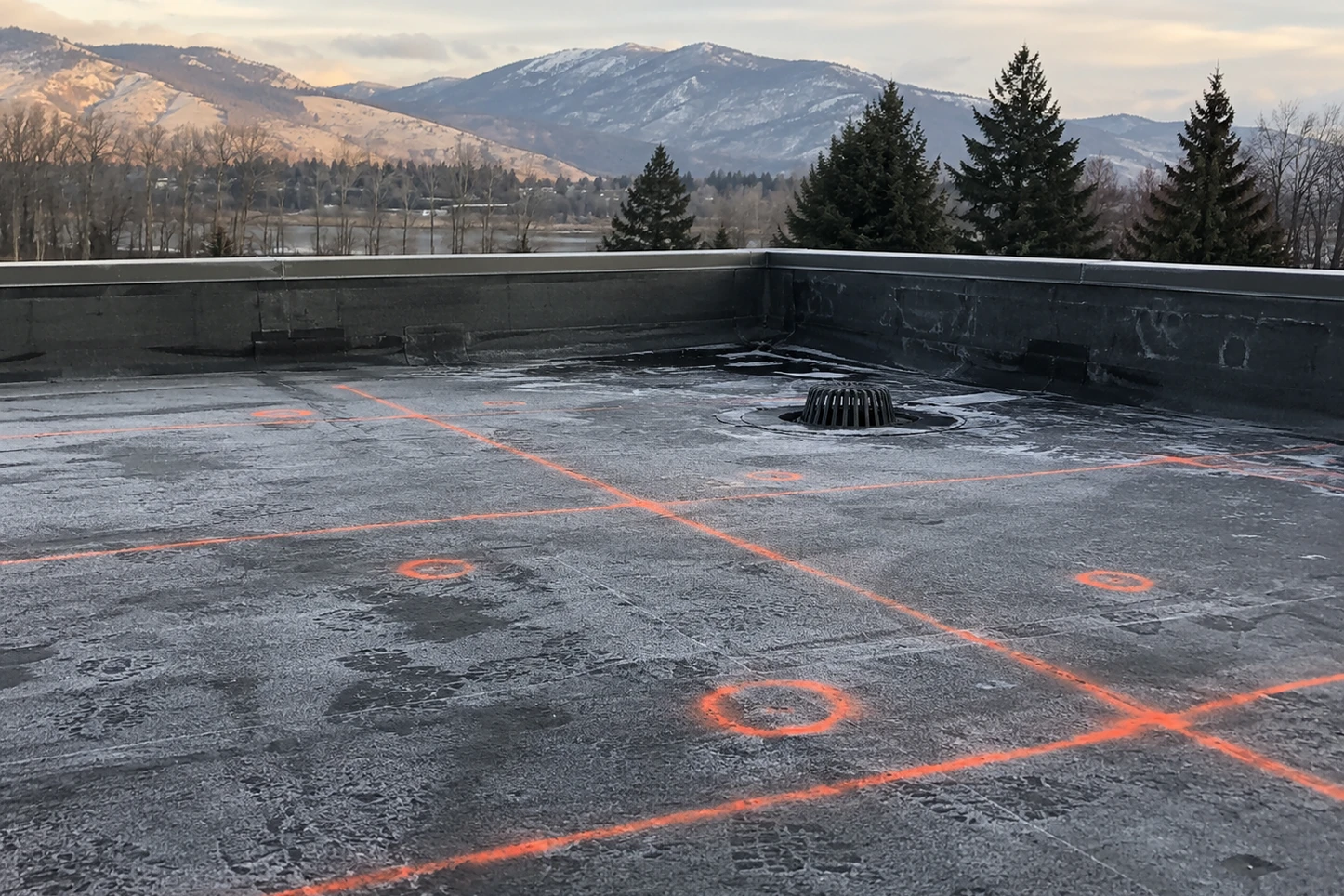
Missoula averages about 39.5 inches of snow a winter and sees about 45 days a year that never rise above freezing. Snow hides seams, drains and flashings, and frozen decks make cores unreliable. A winter survey is therefore split in two parts. The first part covers interiors, ceiling stains, exposed edges, drainage paths from the ground and any area clear of snow. The second part completes cores, moisture scans and seam probes when the roof can be reached.
We say in the report which parts were done in which part of the schedule. A buyer can then negotiate a holdback or a post-closing inspection for the items that could not be reached, instead of discovering the gap after the sale.
Drainage gets special attention in a winter survey. Meltwater needs a path, and a blocked drain sump can back water against a parapet in the first thaw. We trace the drains from the ground where we can, look for ice staining at scuppers and note downspouts that discharge toward a wall. The notes go into the report as items for the buyer to confirm in spring, with photographs of what the ground-level view showed.
Test for Moisture Before Pricing Anything
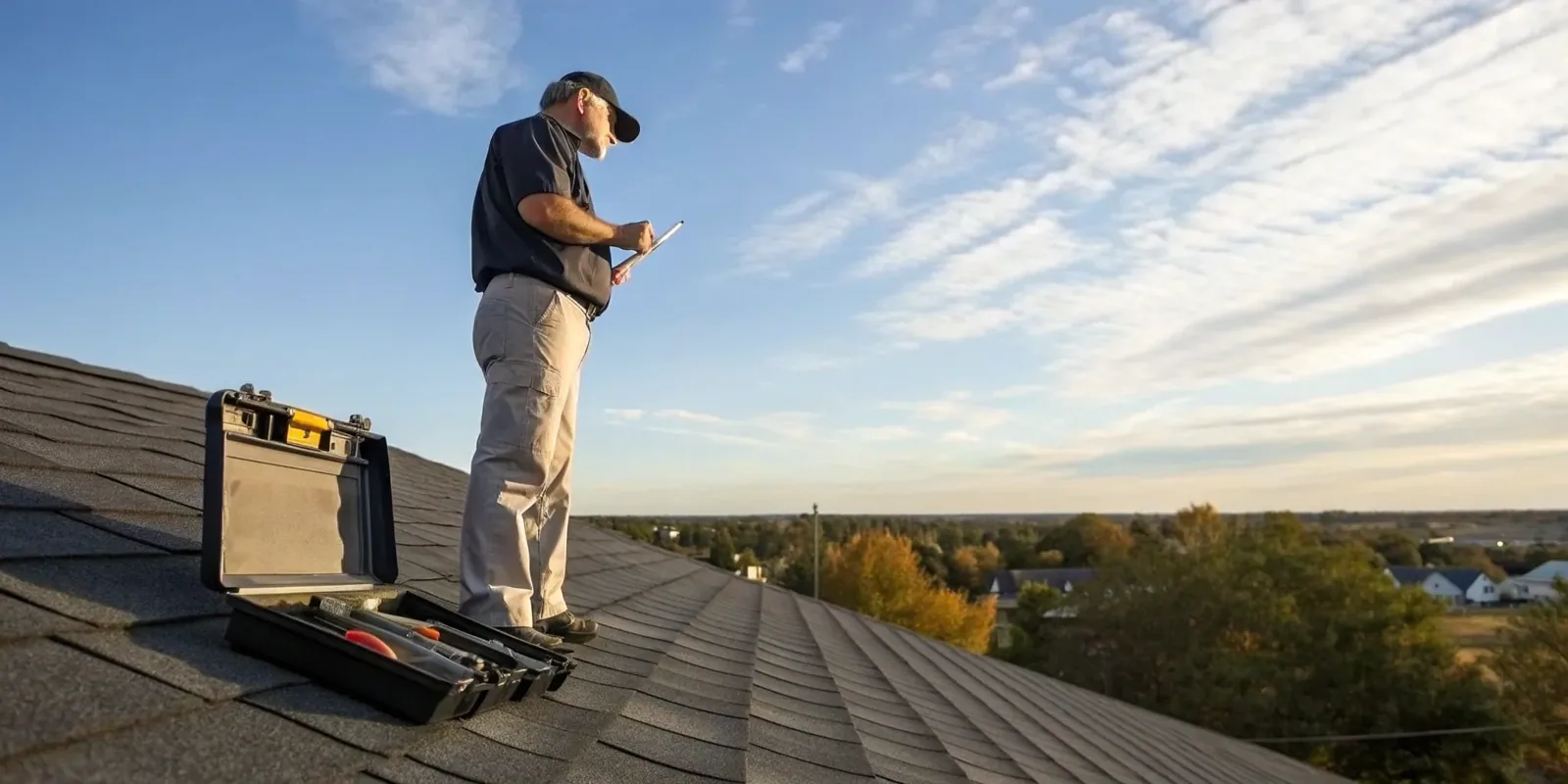
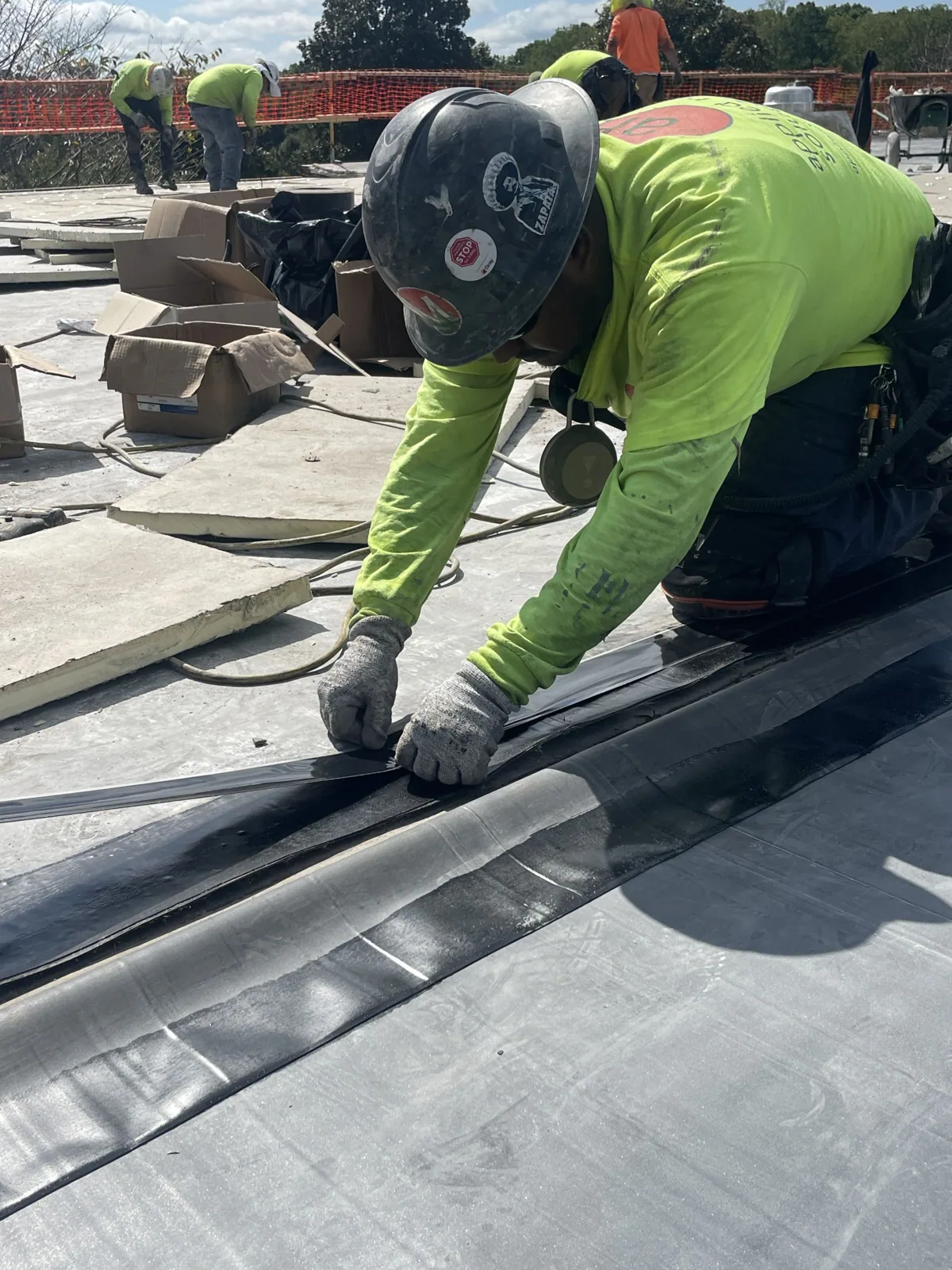
The survey rests on three tests: an infrared moisture survey, core cuts at agreed points and a walk with seam probes. Together they show whether the insulation is dry, how many layers lie below the surface and whether the seams are bonded. A roof that looks fine from the edge can hold a saturated insulation board under a patch.
The results become a cost range for the next ten years, split into repair now, replace within two years and watch. The ranges rest on measured quantities, not on rules of thumb. A buyer can set them against the price and decide whether to ask for a credit.
Each range states its assumptions: the system assumed for replacement, the area, the tear-off scope and the season of work. A buyer can change an assumption and see how the range moves. We also separate maintenance from capital, so routine items such as drain clearing and sealant renewal do not inflate the replacement figure. Lenders often read that split first, because it shows what the owner will spend each year and what the owner will spend once.
Check the Load Path and the Code Context
The ground snow load here is 40 psf, with roof loads derived from it under ASCE 7-16, and Montana has enforced the 2021 IECC with its amendments since June 10, 2022. A buyer planning a replacement or added equipment needs to know how much margin the structure has and what the code will ask for in insulation.
We note the deck type, visible deflection, drift areas and equipment loads, and we flag items for the buyer's engineer. We do not stamp structural conclusions. The goal is that the engineer starts from photographs and measurements. The roof asset register entry carries the same data forward. The former Bonner mill roof that failed under snow in 2011 is why load paths get looked at along with membranes.
Fit the Survey to the Kind of Deal
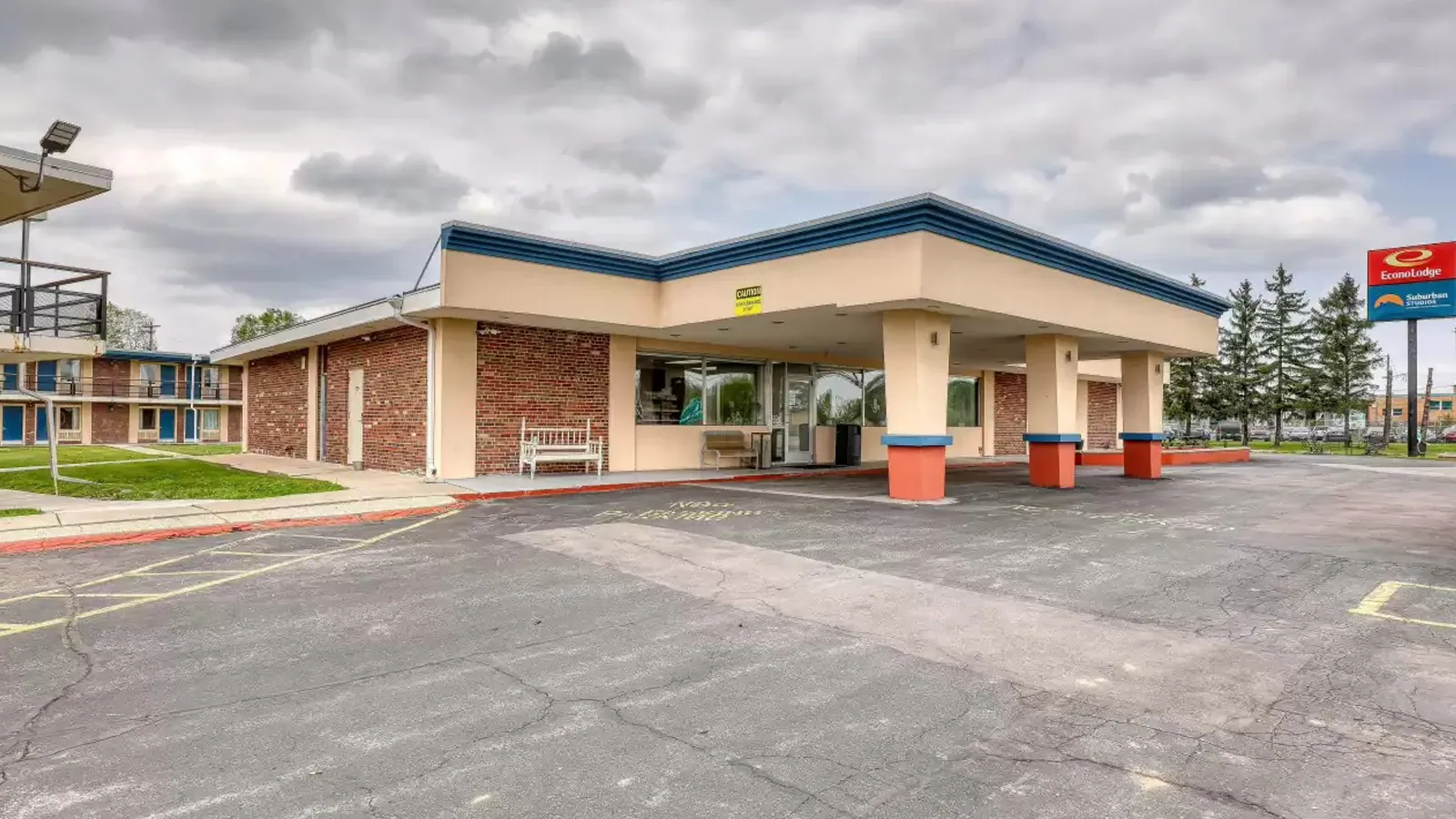
A single retail building on North Reserve Street needs one focused report. A portfolio of hotels and big-box sites across the North Reserve Street corridor needs a register with ranking, so the lender sees which roofs carry the risk. A redevelopment, such as the mixed-use Old Sawmill District on a former mill site, needs a plan for roofs on both existing and new buildings.
For a refinance, the lender wants the remaining life, the repair backlog and the interim maintenance plan. We supply them in the same format as the roof condition reports and feed the findings into the roof capital plan. A buyer with several properties can then compare them on equal terms.
Related Roofing Pages

Send the Contract Dates and the Roof Records
Send the inspection period dates, the property addresses and any roof records the seller has provided, and we will map the survey sequence around snow cover and tenant access before the clock starts.
Call 555-555-5555 or email [email protected].
Questions About Due Diligence Roof Surveys
How fast can a survey be done inside a short inspection period?
Schedule is the driver. If the roof is clear and access is arranged, a walk with cores and scans can finish in a day or two, and the report follows soon after. If snow covers the roof, we deliver an interior and edge assessment first and complete the roof work when it clears.
Which findings usually move the price?
Saturated insulation, a membrane near the end of service life and drainage defects carry the largest cost ranges. Missing records and expired warranties matter too, since they limit a buyer's recourse, and an undocumented patch can hide a leak path that the next winter will reopen. We rank findings by cost range so the buyer sees where to negotiate. Each one carries its photograph and its location on the plan, so the buyer's attorney or lender can check a line without calling us.
Can the seller's records stand in for a survey?
Records help but do not replace measurement. A past report shows an earlier date and an earlier condition, and a roof can change in one winter. We read the records, then test, and the report compares the two so the buyer sees what changed.
What does the buyer get at closing?
A written report with dated photographs, core results, a drain tally, a ranked repair list, ten-year cost ranges and a statement of what was and was not reached. The buyer also receives the register entry, which becomes the first page of the new roof file.
Does the survey include insurance or hail review?
It notes any visible hail bruising, because the 2016 hailstorm that reached central and south Missoula left quarter-size stones behind. Damage found is photographed and dated, which helps the buyer ask whether a claim was made and whether repairs were completed.