
Commercial Roofing in Northside, Missoula, MT
Northside
A district that grew around a railroad and a lumber mill and now mixes historic homes with new construction has roofs of every age, and the first job is to find out which is which. The Northside sits close to downtown Missoula, MT, and commercial roofs there range from older buildings with layers nobody recorded to new work with a warranty file. We start with a survey that sorts the roofs by age, system and condition, then price repair, restoration or replacement for each, so the owner sees the whole picture before any sequence is set.
Sort the Roofs by Age and System First
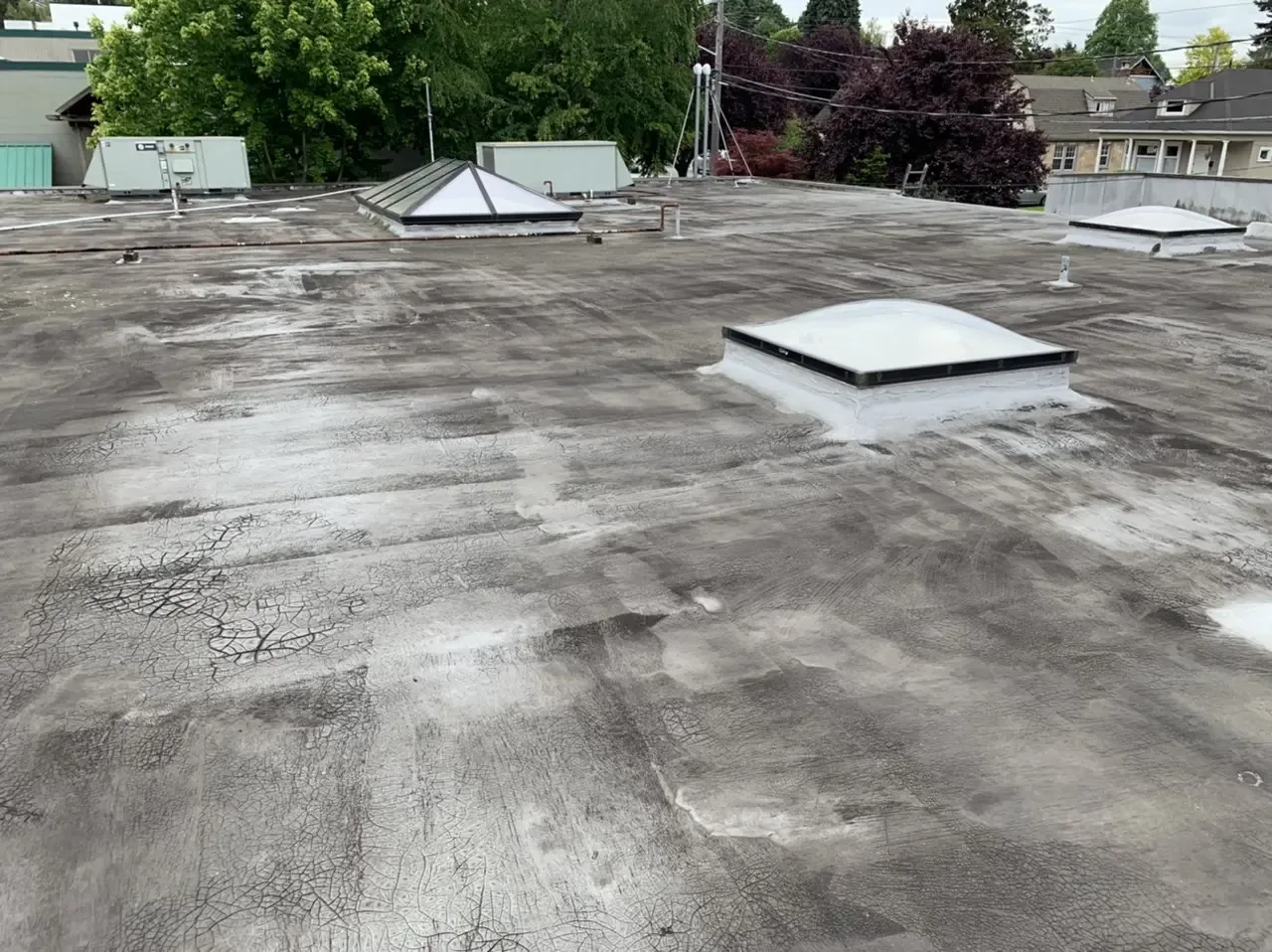
An older roof may carry two or three layers, with different membranes and different repairs at different dates. Without records, the only way to know is to cut a core. A core shows the layers, the insulation, the deck and any moisture, and a handful of cores tells the owner what is actually on the building.
The survey photographs each core and marks it on the plan. Newer roofs on infill buildings get a lighter review: seams, flashings, drains and the manufacturer's paperwork. The result is a table that ranks the roofs by risk and cost, not by guesses about age.
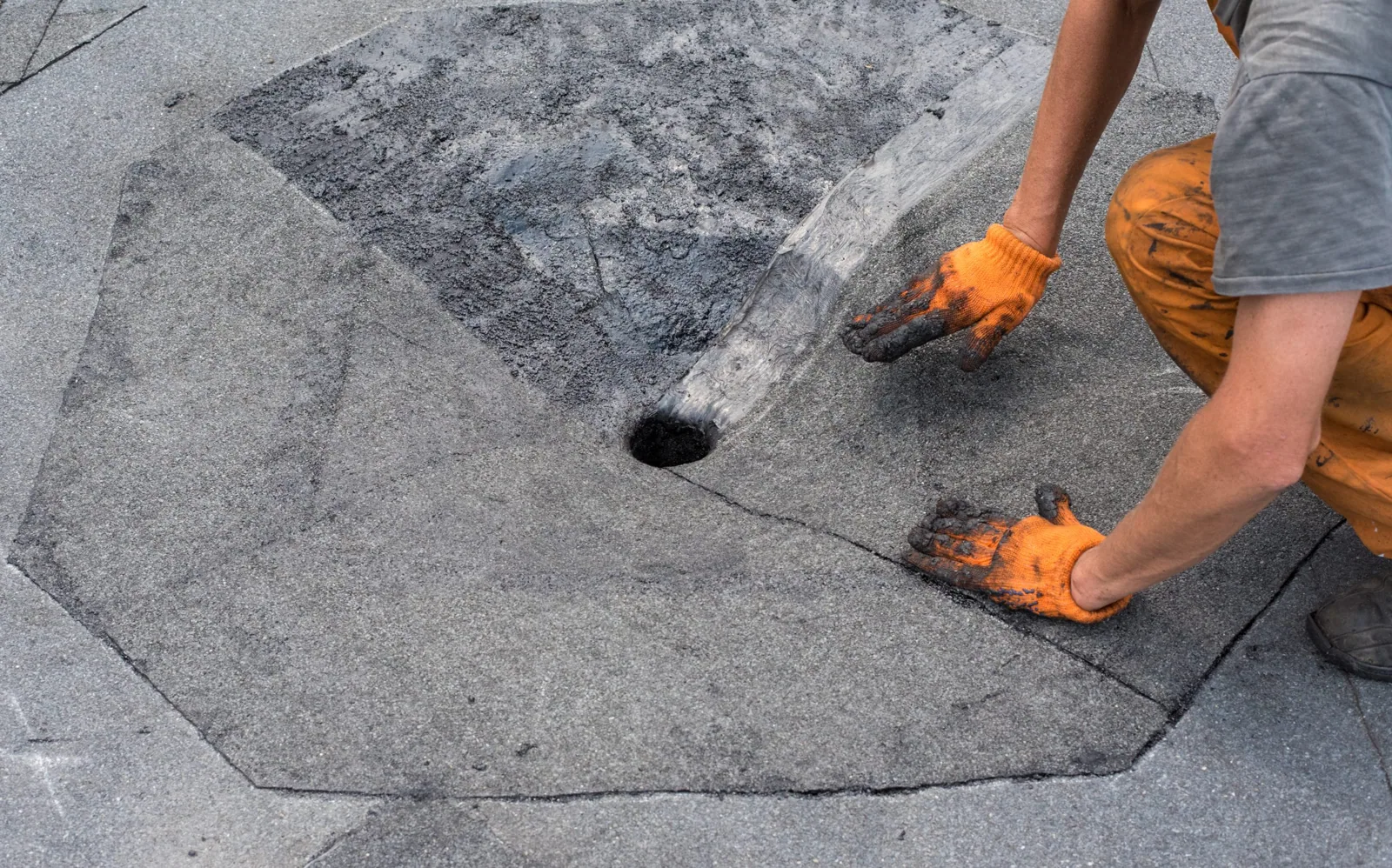
A roof that has been patched many times shows its history in the surface: layers of mastic, mismatched membrane and fasteners driven at different dates. We map the patches. Clusters of repairs point to a failing detail, such as a curb or a drain, and the permanent fix goes there instead of on the next stain. The map becomes the repair list.
Respect the Neighborhood's History When Planning Work
The Northside began around the Northern Pacific Railway, which reached Missoula in 1883, and a lumber mill, and Montana Rail Link was headquartered in the city from 1987 until BNSF took over operations on January 1, 2024. That history means older commercial buildings sit near newer ones, and some owners care about how a roof edge looks from the street.
Where a building has a visible parapet or a distinctive cornice, the repair keeps the profile. We photograph the existing edge before any work and match the shape where the design allows. If historic review applies, it goes on the schedule early, since approvals can take weeks.
The city lists more than 60 National Register buildings, so any older commercial building in the Northside gets the same habits: record the existing profile, ask before changing it and keep the photographs. A new owner who wants to alter a parapet should hear that before the contract, not after the crew arrives.
Plan Snow and Thaw for Flat Roofs
A winter brings about 39.5 inches of snow and roughly four months of ground cover. Roofs here are designed from the state's ground snow load of 40 psf, and older roofs may have been built to an earlier figure, and drifts form behind parapets and against adjoining buildings. Where two roofs meet at a wall, the lower roof collects the drift from the higher one.
We check the framing for deflection after heavy storms, clear drains before the thaw and plan snow removal on the lowest roofs first. A drain packed with ice is the first sign of trouble, and the drain and scupper work ahead of winter prevents the worst of it.
Thaw cycles do the quiet damage. About 45 days a year never rise above freezing in Missoula, and the daily swing passes 30 F from late June through late September, so seams and flashings open and close many times. A seam that looks tight in October can be open by March, which is why we probe laps in autumn and again after the last thaw.
Choose Repair, Coating or Replacement by the Cores
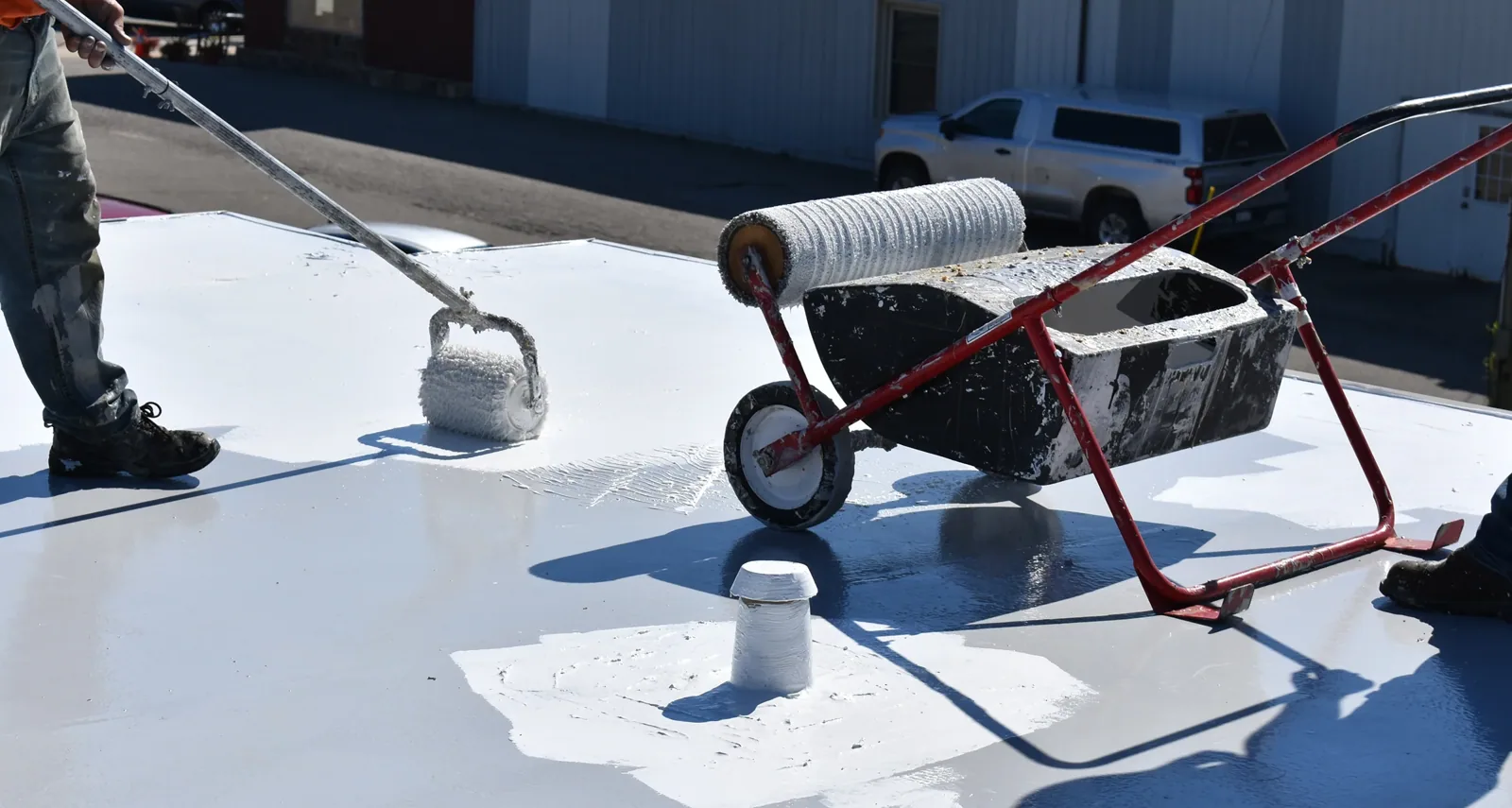
The cores decide the path. A roof with dry insulation and a sound membrane can often take a coating restoration that extends its life. A roof with saturated insulation across a wide area needs replacement, and the cores show where.
Between those two lies a recover, which adds a new membrane over the old one. A recover overlay saves disposal and keeps the building dry during the work, but the existing roof must be dry and the structure must carry the added weight. Each option is priced on one sheet.
A replacement may need added insulation under the 2021 IECC with Montana amendments, enforced since June 10, 2022. The building department confirms the path, and insulation is priced on its own line so the owner sees what the code adds.
Work Around Neighbors, Alleys and Tight Lots
Older districts may have narrow streets, shared walls and little room for a crane. We map the staging area, the hoist and the pick before any material is ordered. In tight lots the pick may need a street closure permit, and the schedule includes the lead time. Material goes up by hoist or crane in a few picks, and the lot stays free of loose items between them.
Tenants get written notice of days and hours, and entrances stay open. Noise is held to agreed hours, and the roof is dried in every day. Neighbors on a shared wall are told when the crew will work near the line. For work close to downtown, the Downtown Missoula staging approach applies, scaled to the lot.
Document Everything for the Next Owner
Buildings in transition change hands, and the roof file is one of the first documents a buyer asks for. A dated photo set, a core log, a repair list and the warranty paperwork answer most questions at once, and the set is small enough to fit in one folder. We leave that folder with the owner at closeout.
Owners with several buildings in the district can fold the roofs into a multi-site roof program, or they can keep each building's file apart. Either way, the file travels with the property, and a later contractor can read it in an hour. The Russell Street corridor nearby follows the same format. Alleys behind older buildings can carry overhead utility lines, so the crane position is checked against them before the pick is booked.
Related Roofing Pages
Send the Roof Plan and Whatever Records You Have
Send the roof plan, the age of the building and any repair invoices you can find, and we will schedule a core survey. The first sheet ranks the roofs by risk and cost.
Call 555-555-5555 or email [email protected].
Questions About Northside
How do I find out what is on an older roof?
Cut cores. Cores show every layer, its thickness and its moisture, and a few taken across the roof describe the whole assembly. Every cut is sealed and photographed that day, which leaves the roof watertight and shows where each sample came from.
Can an old roof be repaired or must it be replaced?
Both are possible. Dry insulation and sound membrane favor repair or coating, while saturated insulation over a wide area points to replacement. The cores and a moisture scan show which case you have.
Do historic buildings need special roofing?
Sometimes. If the building is listed or in a review area, edge profiles and materials may need approval. We photograph the existing details and check requirements before design.
What is the best season for work?
Late spring through early autumn, between the last thaw and the first freeze. Winter is for surveys, snow checks and emergency protection.
How do I prepare a roof for sale?
Gather the records you have, commission a condition survey and fix active leaks. A buyer's lender reads the survey, and a clear photo set shortens the review. If the roof has a leak history, list it with dates, since a complete file is easier to defend than a vague one.