
Skylight, Curb and Penetration Flashing in Missoula, MT
Skylight, Curb and Penetration Flashing
A roof leaks where something comes through it, and the order of repair starts there. Skylights, pipe stacks, vent boots, conduit and equipment curbs are each a hole with a flashing around it, and the flashing takes the movement of the roof every day. In Missoula, MT those details take drifted snow against the upstand, ice at the base, hail on the glazing and a thaw cycle that keeps working the laps. The count comes first. The worst details are repaired before the first freeze, and the field waits.
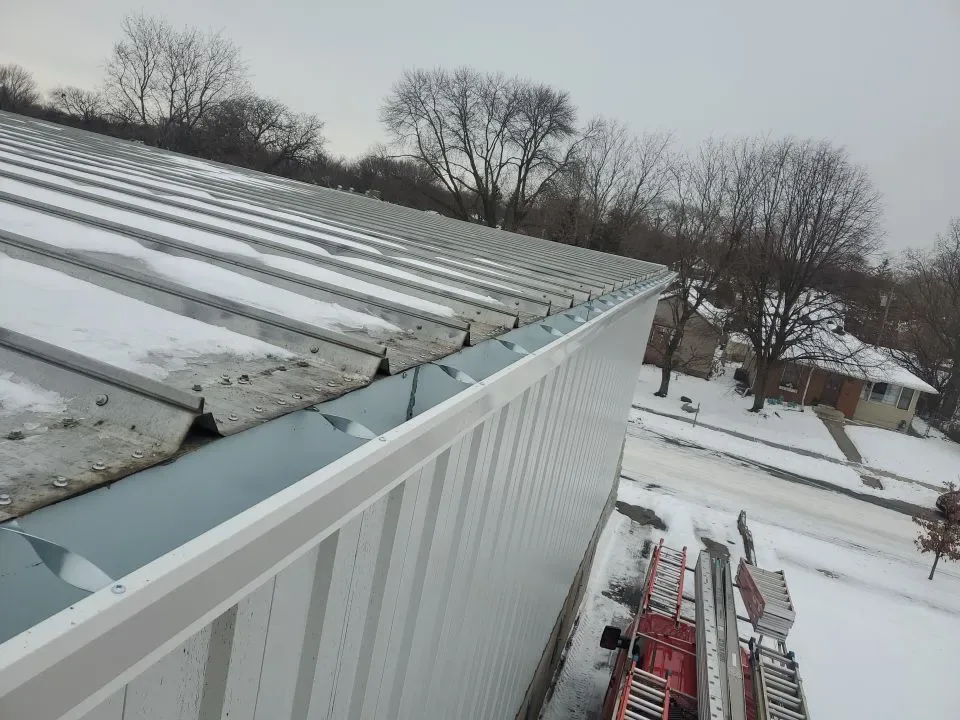
Count Every Penetration Before Pricing
A penetration survey walks the roof and lists every skylight, curb, pipe, vent, hatch, conduit and support. Each gets a number, a photograph and a condition grade. On an older commercial roof the count can surprise an owner, because years of tenant work leave pipes and boots that no one remembers.
Abandoned penetrations are a common finding. A capped pipe with a split boot leaks as readily as a live one. The survey separates what stays from what can be removed and sealed permanently, which cuts the number of details the roof has to keep tight for the rest of its life.
Condition grades are simple: sound, watch, repair or replace. A boot that is cracked but not yet leaking is a watch item with a recommended date. A boot that is split is a repair item with a price. The owner can fund the repair list now and carry the watch list into next year.
Rebuild the Curb, Not Just the Sealant
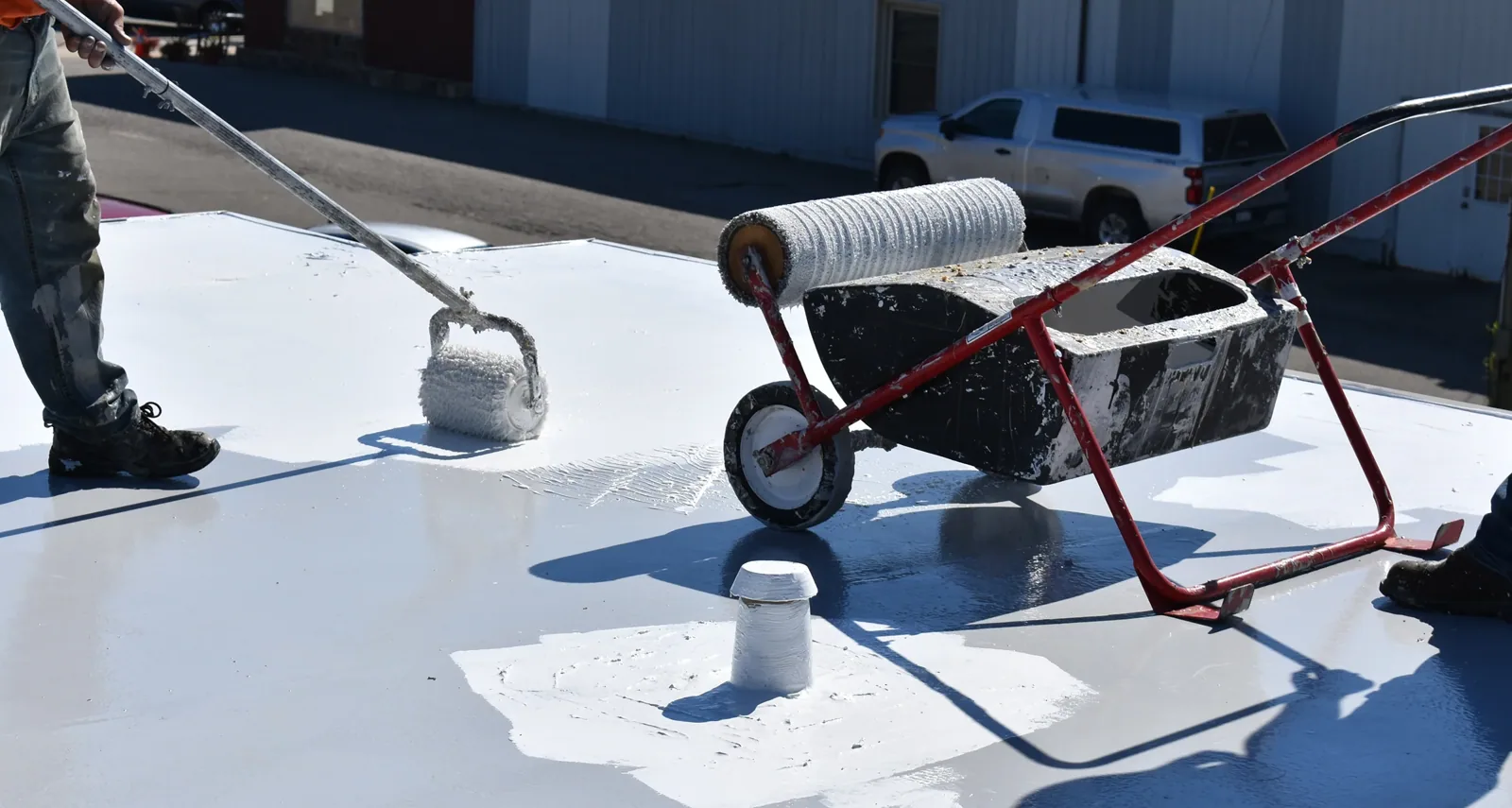
Sealant on a failed flashing is a patch that lasts a season, and repeated patching is how a flashing failure turns into a wet deck. The reliable repair is to rebuild the curb: strip the old flashing, check the curb's wood or metal, set new base flashing with reinforced corners and tie it into the membrane with a proper lap. Counterflashing or a storm collar finishes the top.
Curb height matters in snow country. A curb that stands only a few inches above the field can be buried by a drift and held under meltwater for days. We recommend taller curbs where the plan allows, since the upstand has to clear the drift as well as the water.
Wood curbs rot when a leak goes unfixed, and rotted wood cannot hold fasteners. We probe the curb with a blade and replace any section that is soft. A new flashing screwed into soft wood fails in a single winter, so the curb repair comes first and the flashing second, in that order.
Detail Skylights for Snow and Ice
Skylights collect snow on the glazing, and the melt line runs along the curb. Ice that forms at the base can lift flashing and push meltwater under the membrane. A cricket on the upslope side diverts drifting snow and water around the skylight.
We check glazing seals, frames and curb flashing together. A glazing that has crazed, a gasket that has shrunk or a frame that has moved are separate failures with separate repairs. In 2016 quarter-size hail fell on central and south Missoula, and hail-damaged glazing, especially older acrylic domes, needs a close look after such a storm. Cracks in glazing may not leak at first but let in water when frozen and thawed. We photograph the glazing at close range and mark every chip, craze line and cracked corner.
Choose Flashing Materials That Move With the Roof
Daily swings over 30 F open rigid flashings. We use membrane-compatible flashing that flexes with the roof, reinforced at corners where stress concentrates. Prefabricated pipe boots, welded corner patches and formed metal flashing each have a place, and the choice follows the roof system.
A TPO roof takes heat-welded flashing, and an EPDM roof takes adhered flashing and seam tape. Mixing materials without compatibility checks causes new leaks. A modified bitumen roof can take hot or cold-applied flashing, and built-up roofs use felts and mastic. Liquid-applied flashing resin serves odd shapes, such as a cluster of pipes, where a prefabricated boot will not fit.
Coordinate With Trades Who Keep Cutting New Holes
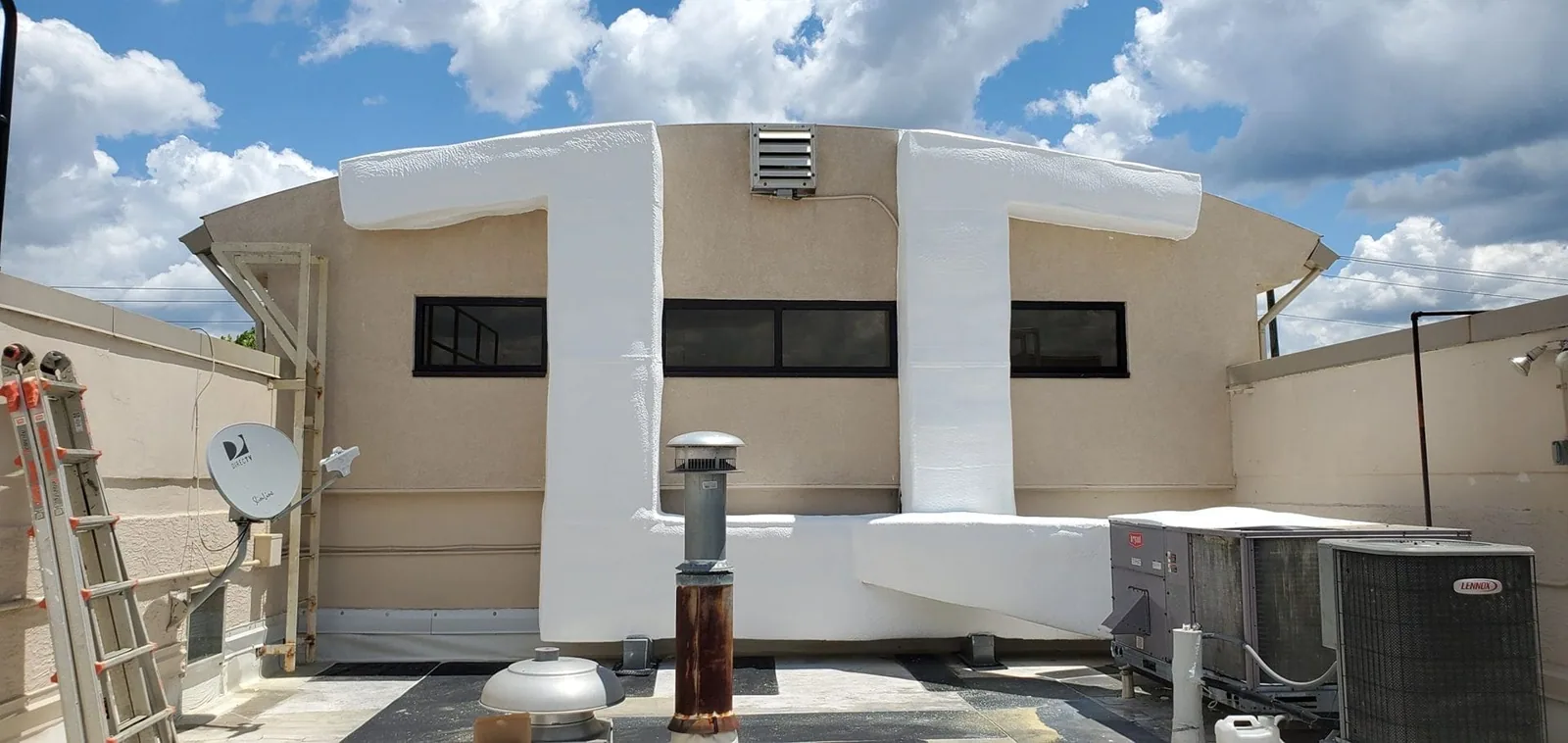
Mechanical, electrical and telecom contractors add penetrations over the life of a building. Each one cuts the roof, and not every crew knows how to close it. A roof permit, a pre-work photo and a closeout inspection catch the worst mistakes.
For multi-tenant buildings on North Reserve Street, we recommend a standing rule that no trade penetrates the roof without notice. Each new rooftop unit also needs a curb and support built and flashed, and the owner gets a log of every opening and who made it.
Ask each trade for a photo of the finished detail on the day it is done. A photo taken before cleanup shows the flashing laps, the sealant bead and the fasteners, and it saves a rooftop visit when a leak appears. If a detail is wrong, the trade that made it is still on site to correct it.
Close Out With a Penetration Log
The punch list for this work is a log: each detail with its number, its repair, its date and its photograph. The log goes into the warranty file and into the maintenance program, so a later crew can find a detail by its number. The log is updated after every storm visit, and the changes are dated so the history is clear.
A campus with 64 buildings on 220 acres, like the University of Montana, and older buildings in downtown Missoula gain the most from a log, because staff and trades change over the life of a roof. The same format works on a single building. A leak repair that traces to a numbered detail takes minutes to locate.
Related Roofing Pages
Send the Roof Plan and the Penetration List
Send the roof plan, any list of equipment and the worst leak locations, and we will schedule a penetration survey. The first report numbers every detail and marks the ones to repair before the freeze.
Call 555-555-5555 or email [email protected].
Questions About Skylight, Curb and Penetration Flashing
How do I know which detail is leaking?
Start from the stain and work upstream along the deck, because water travels along the deck and the stain is rarely under the hole. A moisture scan narrows the area, and a hose test isolates the detail. Photograph the result and add it to the log. A hose test starts at the lowest detail and works up, so each test shows whether that detail alone leaks.
Can skylights be removed instead of repaired?
Often, yes. Removing a skylight and closing the opening with a roof-deck patch eliminates a long-term leak point, but the owner loses daylight, and the interior ceiling has to be finished where the shaft was. We price both and let the owner choose, and the price for removal includes the deck patch, the roofing tie-in and the interior finish.
How tall should a curb be?
Tall enough to clear drifting snow and ponded water. Many manufacturers specify a minimum height above the finished roof, and snow country calls for more where the plan allows. The curb height goes on the plan so the roofer, the glazier and the mechanical contractor work to the same number.
Can flashing be repaired in winter?
Only temporarily. Sealants and adhesives need mild, dry weather, so winter repair uses tapes, mastic and covers that hold until spring. In the long Missoula freeze, a temporary detail on a skylight curb gets a re-check after each major thaw. We mark the temporary work on the plan.
Does flashing repair affect the warranty?
Using approved details and materials keeps the warranty intact. Unapproved repairs can void it, and a repair by a trade other than the roofer is the usual cause. Send the warranty text, and we match the details.