
Commercial Roofing in Piltzville, MT
Piltzville
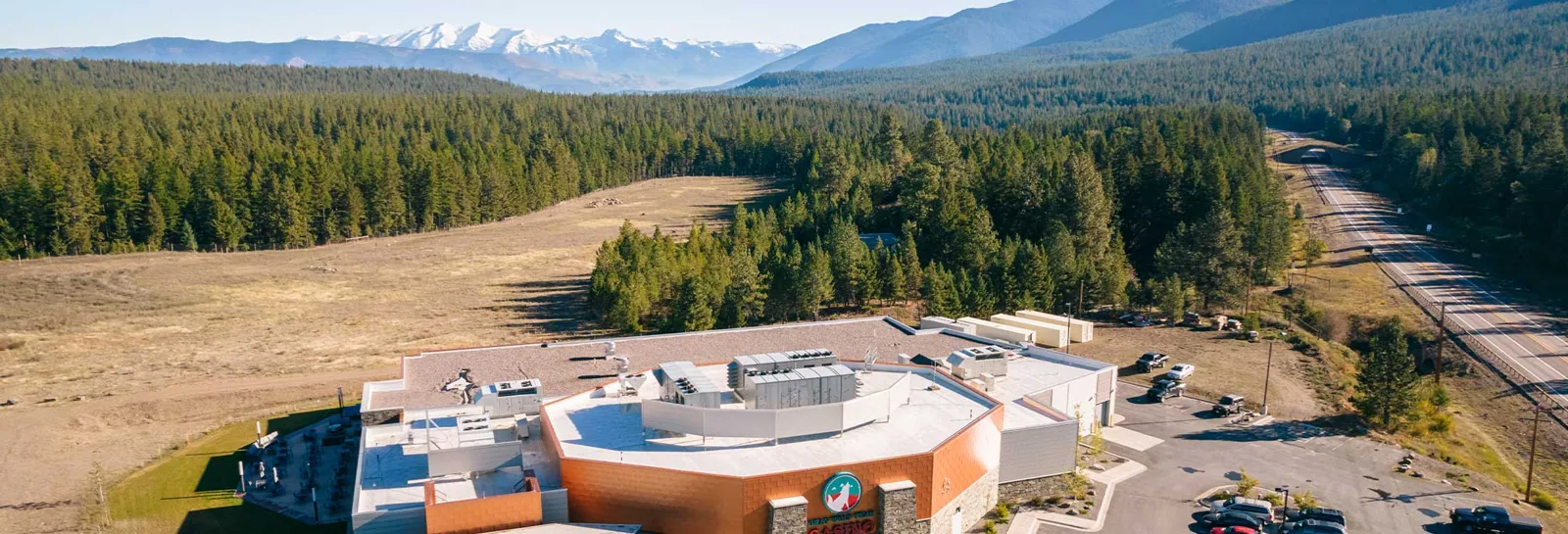
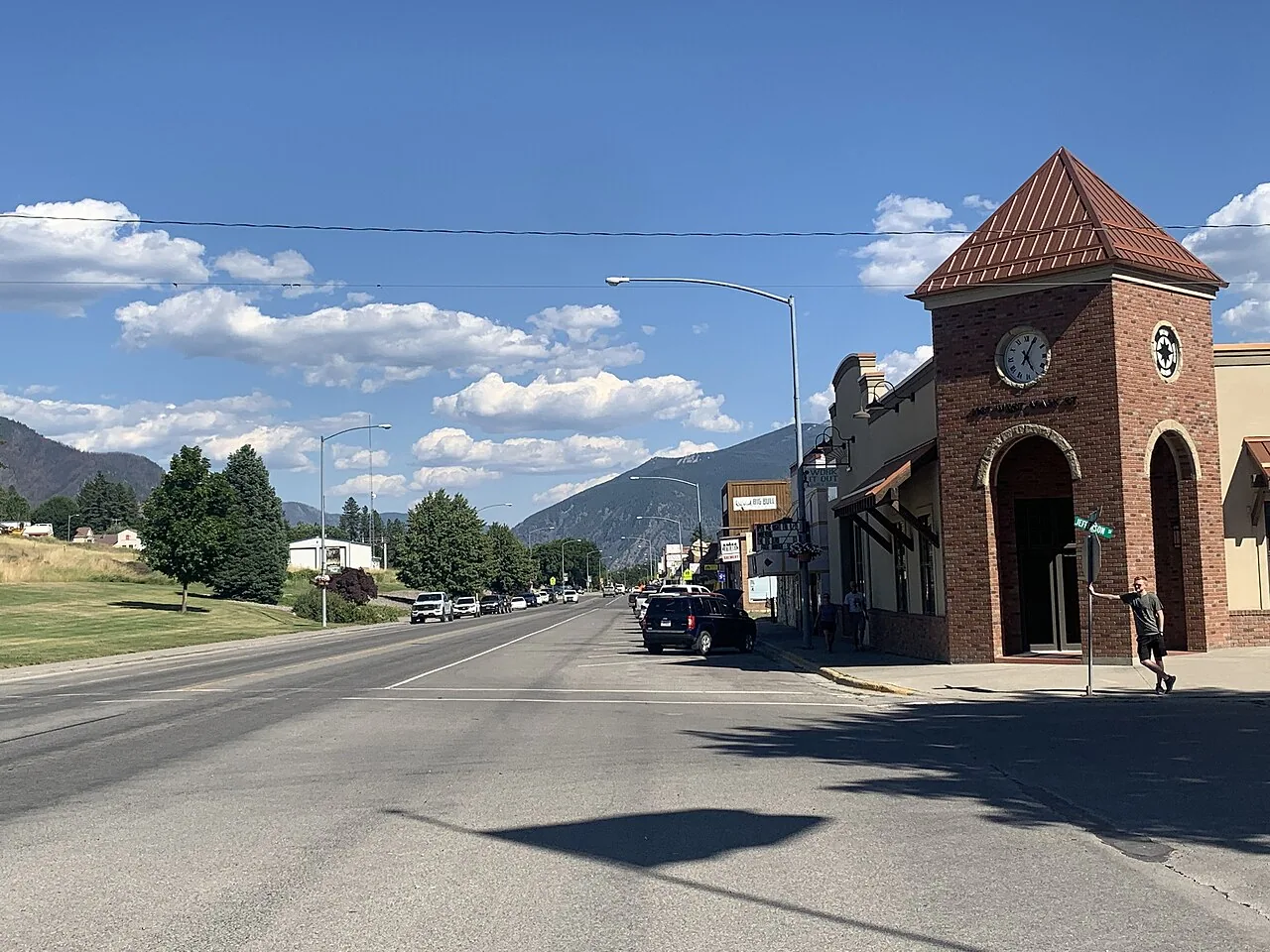
A commercial roof east of Missoula, MT has to be sequenced before it is priced, and Piltzville is a good example of why. The community sits about 7 miles east of the city with I-90 running straight through it, which means material trucks arrive on a highway corridor and not on a quiet side street. That changes the order of the job. The staging area, the crane pick and the dry-in sequence get mapped first, then the tear-off is phased so no section of deck sits open overnight. We handle repair, recover and replacement on low-slope and metal roofs for buildings along this stretch, and we plan each one around the snow calendar.
Reach the Roof Before the Weather Closes the Window
Piltzville is close enough to Missoula that the first walk usually happens the same week a call comes in. That matters because the work window in this part of Montana is short. Missoula carries a 40 psf design ground snow load and sees snow on the ground about 120 days a year, so the months when adhesives cure and seams weld cleanly are limited. A roof that is surveyed in autumn can be phased into spring, while a roof surveyed in January has to be stabilized first and replaced later.
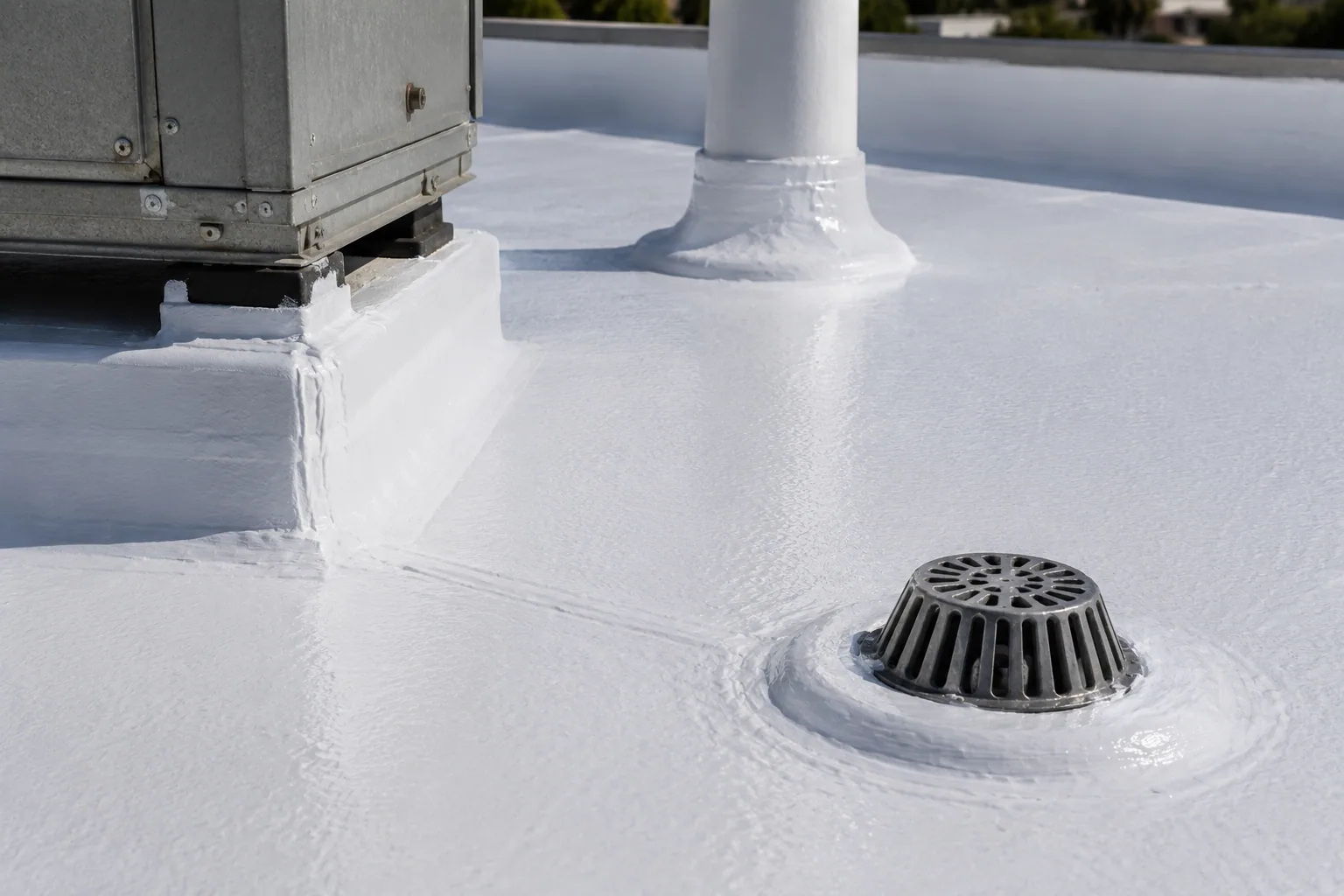
On the first visit we look at the drains, the perimeter and any penetration that has already shed sealant. We photograph each finding and note whether it needs a patch, a repair or a section replacement. The owner gets a written order of work, with the urgent items at the top, so a leak in February does not wait behind a cosmetic item.
Stage Material Where the Highway Does Not Interfere
Interstate 90 carries Piltzville's traffic, with Exits 109 and 113 close by, and Montana Secondary Highway 210 runs parallel through the community. Those roads are the delivery route for every pallet of insulation and every roll of membrane. We ask for the site plan early so the laydown yard can be placed on the owner's own ground, away from the shoulder and from the access that tenants and customers use.
A crane pick is booked for a calm morning, and the material hoist is positioned so loaded trucks never idle on the road. If the lot is tight, we split deliveries into two drops and shift the heavy items, such as tapered insulation and cover board, to the first day. That keeps the roof dry-in sequence continuous and keeps the building's entrance open.
Check What Snow and Thaw Have Already Done
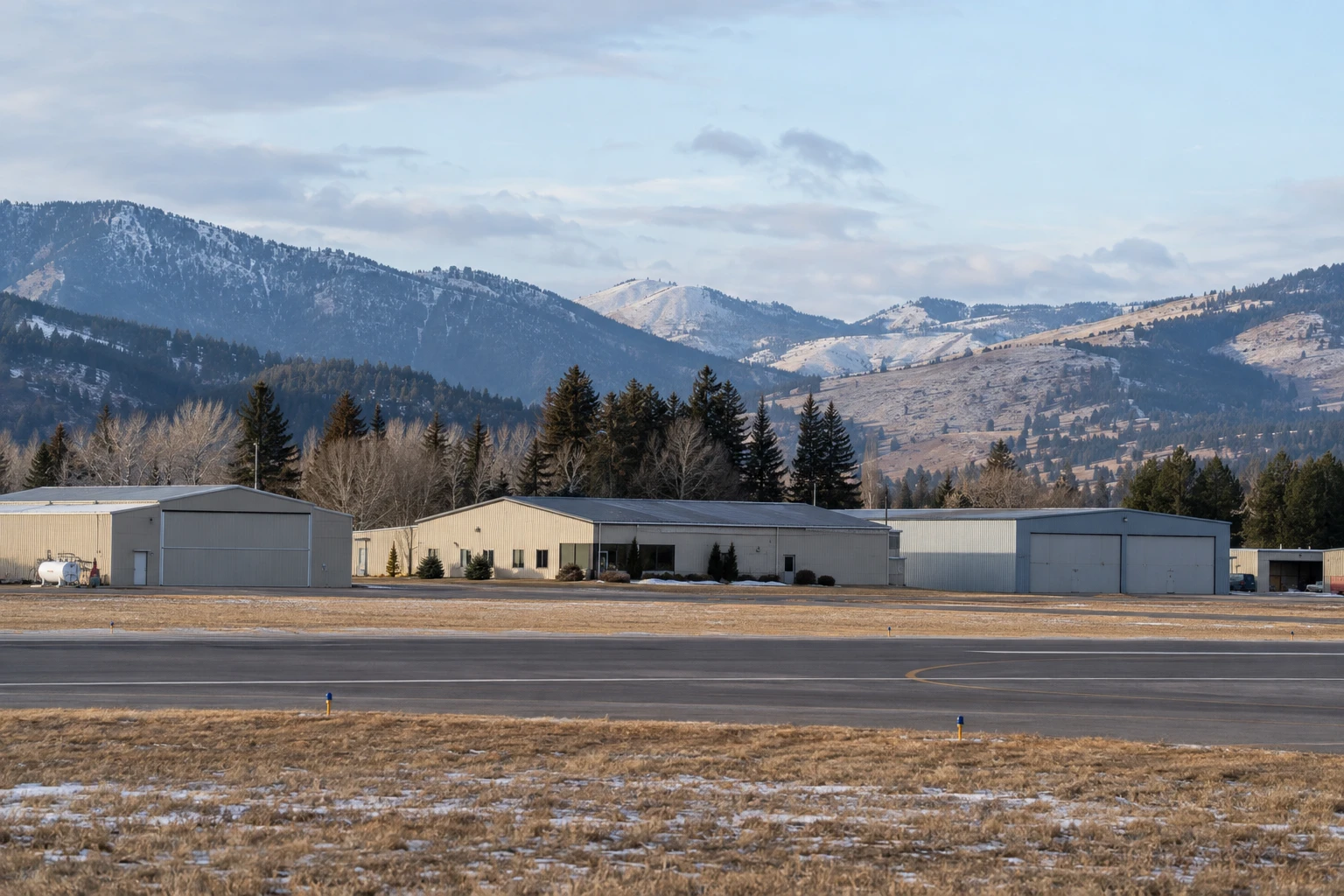
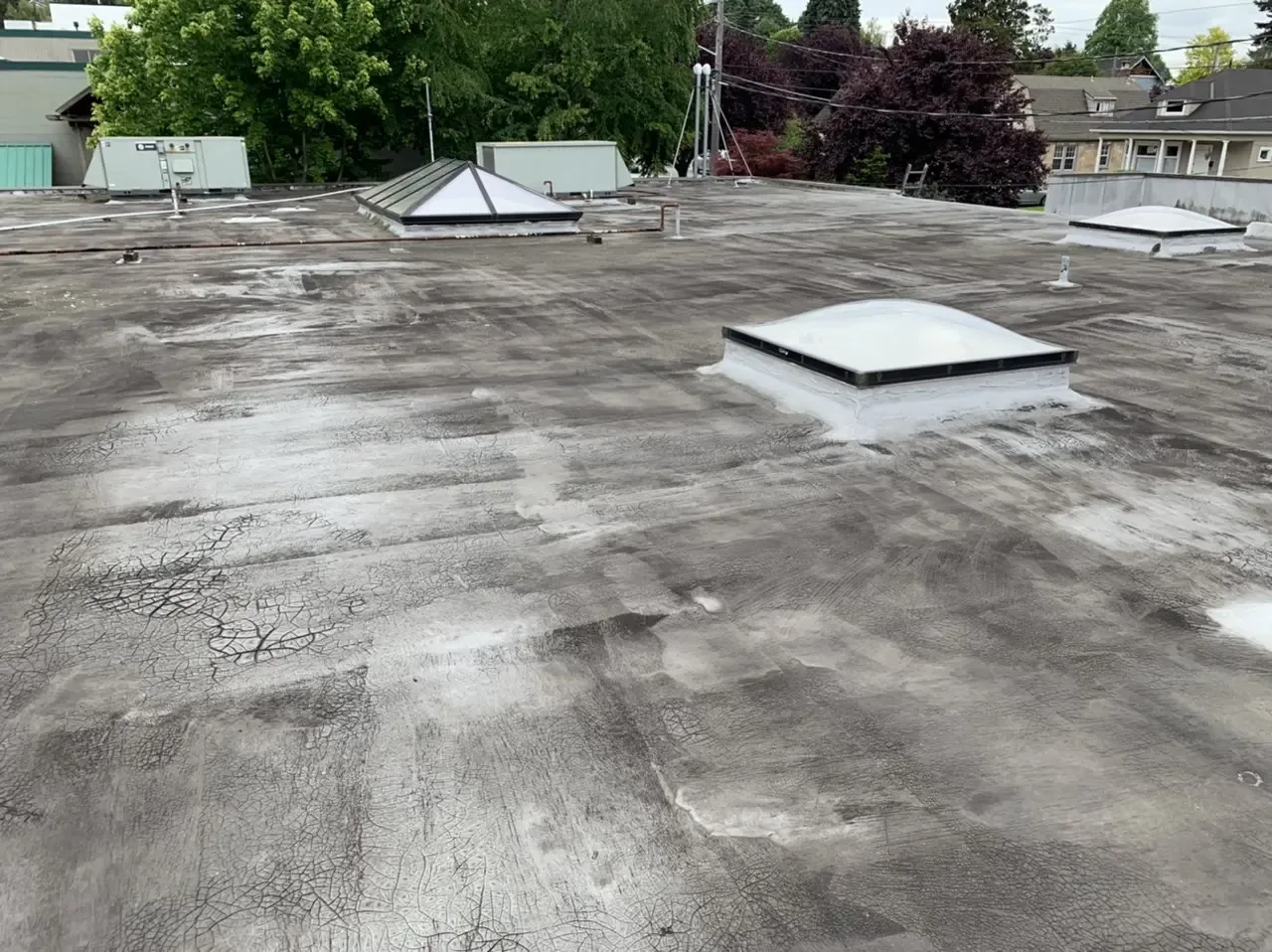
The first damage on a Montana roof is rarely the dramatic kind. It is a drain sump that held meltwater through a thaw cycle, a seam that opened where ice pushed against a curb, or a low spot that now ponds after every warm spell. Missoula sees about 45 days a year that never rise above freezing, and the daily swing between warm afternoons and cold nights can exceed 30 F from late June through late September, so the membrane works through a lot of expansion and contraction.
We probe the seams, press on the flashing terminations and look at the insulation under any soft spot. If the roof has taken on moisture, an infrared survey shows how far it spread before we cut anything open. The result decides whether a coating restores the roof or whether a recover or tear-off is the sounder route.
Weigh Repair Against Recover and Replacement
Owners in Piltzville face the same three options as anyone else: repair the failed areas, recover the existing roof, or tear off and replace. The right one depends on how much of the system is wet, how many layers already sit on the deck, and what the structure can carry. Because snow load is the governing design condition here, adding a recover layer is only reasonable when the load path can handle the added dead weight on top of a full snow season.
A repair is the quickest and the cheapest, but it only makes sense when the damage is local. A recover saves tear-off time and keeps tenants undisturbed, while a full replacement lets us correct slope and drainage. We write all three options out in order of cost and disruption so the decision rests on the building and not on a sales pitch. Targeted commercial roof repair suits local damage, and a roof recover and overlay suits a sound deck with tired membrane.
Protect Tenants and Customers During Tear-Off
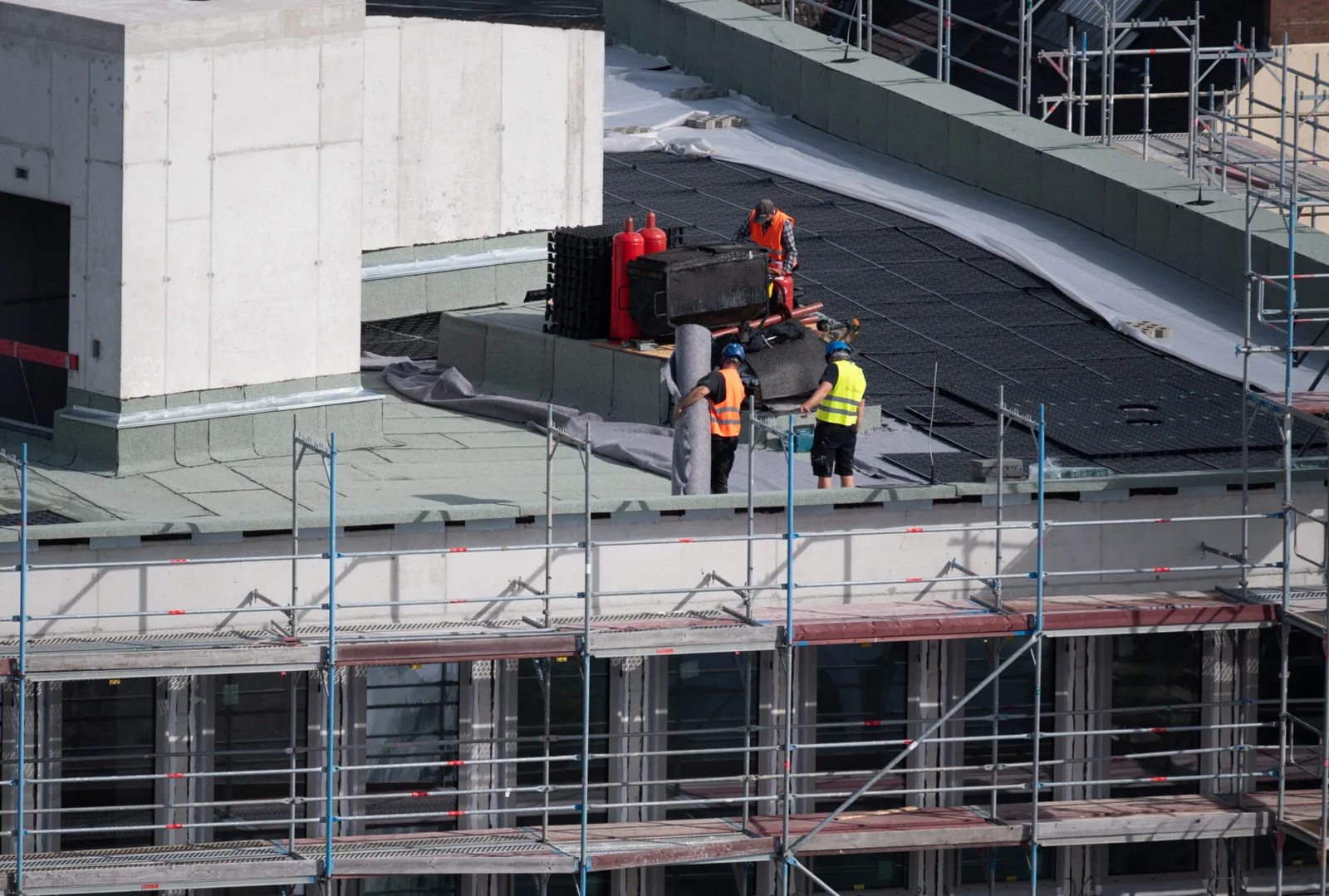
Most commercial roofs in a community like this stay occupied while the work happens. We phase the tear-off in sections sized to what the crew can dry in the same day, and we keep the walkways under the work zone clear or covered. Noise and dust get scheduled for the hours that cost the tenant the least, and any rooftop equipment that must be shut down is coordinated with the owner before the day starts.
For businesses with a public entrance, we set up a protected route and shift the debris chute to the far side. For a building with light industrial use, we ask which hours the equipment is loud or sensitive to dust. This is the part of the job that owners remember, so it gets a line in the plan, the same as the membrane specification does. The same routine applies to any occupied building reroofing job, from a single tenant to a full strip.
Close Out With a Punch List and a Maintenance Plan
Closeout is where a good roof gets documented. We walk the finished work with the owner, record every flashing, seam and drain with photographs, and hand over a punch list with anything still open. Items that need a second visit, such as a sealant that must cure before final inspection, are dated and assigned.
After that, the roof goes on a simple schedule of checks. A walk in autumn clears debris from the drain sumps before snow, and a walk in spring looks for freeze-thaw damage. Nearby Bonner-West Riverside and Milltown are on similar routes, and the early Piltzville workforce came from the Bonner lumber mill, so the area has a long working-building history. An ongoing maintenance program keeps small findings small, and our emergency roof repair line stays open around the clock if a storm gets ahead of the schedule.
Related Roofing Pages
Send the Roof Plan and the Access Details
Send the roof plan, the occupancy schedule and the access constraints, and we will map the phases and the staging area before any material is ordered.
Call 555-555-5555 or email [email protected].
Questions About Piltzville
What decides whether a Piltzville roof gets a recover instead of a tear-off?
Moisture and weight decide it. If an infrared survey shows the insulation is dry and the deck can carry another layer under a 40 psf design snow load, a recover keeps the building running and saves disposal time. If the insulation is wet or the roof already has layers on it, we tear off.
How quickly can a crew get to a building off I-90 east of Missoula?
The distance is about 7 miles, so travel is short. The real timing question is access: we need a place to stage material off the highway shoulder. Once the site plan is in hand, we can usually schedule the first roof walk within days and sequence the work around the weather window.
Will thaw cycles show up as leaks right away?
Not always. Meltwater tends to find a weak seam or a clogged drain sump and leak into the building days later. We trace the stain back to the source, then repair the detail that let water in, and we check the drain path so the next thaw drains away from the repair.
Can the roof stay in service during replacement?
Yes, when the tear-off is phased. We open only what can be closed the same day, keep tenant access routes covered, and coordinate shutdown of any rooftop equipment. Operating hours and entrances go into the plan before the first day of work.
What records should an owner keep after the work is finished?
Keep the written scope, the photo report, the punch list and the maintenance schedule together. If a claim or a sale comes up later, those records show what was installed, where each detail sits and what condition the roof was in on the day of closeout.