
Silicone Roof Coatings in Missoula, MT
Silicone Roof Coatings
A silicone coating holds only as well as the surface it was applied to, so the first day of the job is spent cleaning, not coating. Dirt, chalk and loose material between the coating and the roof is the failure waiting to happen. In Missoula, MT the next constraint is the weather. Silicone cures by moisture and temperature, and a rain shower on fresh film can wash it out. Snow lies on the ground about four months of the year, so the usable coating season is short, and we sequence the work by cure window.
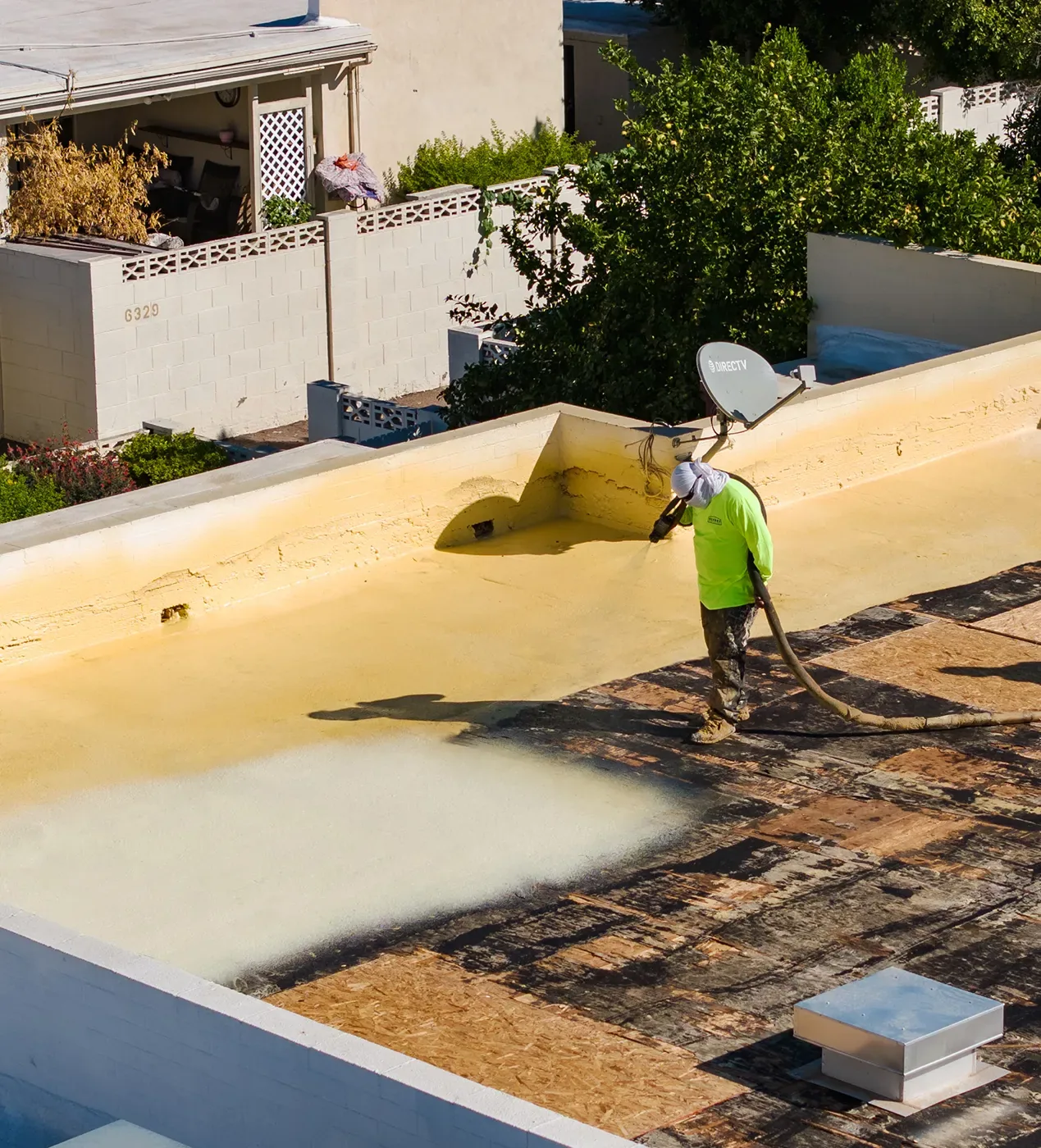
Know what silicone does
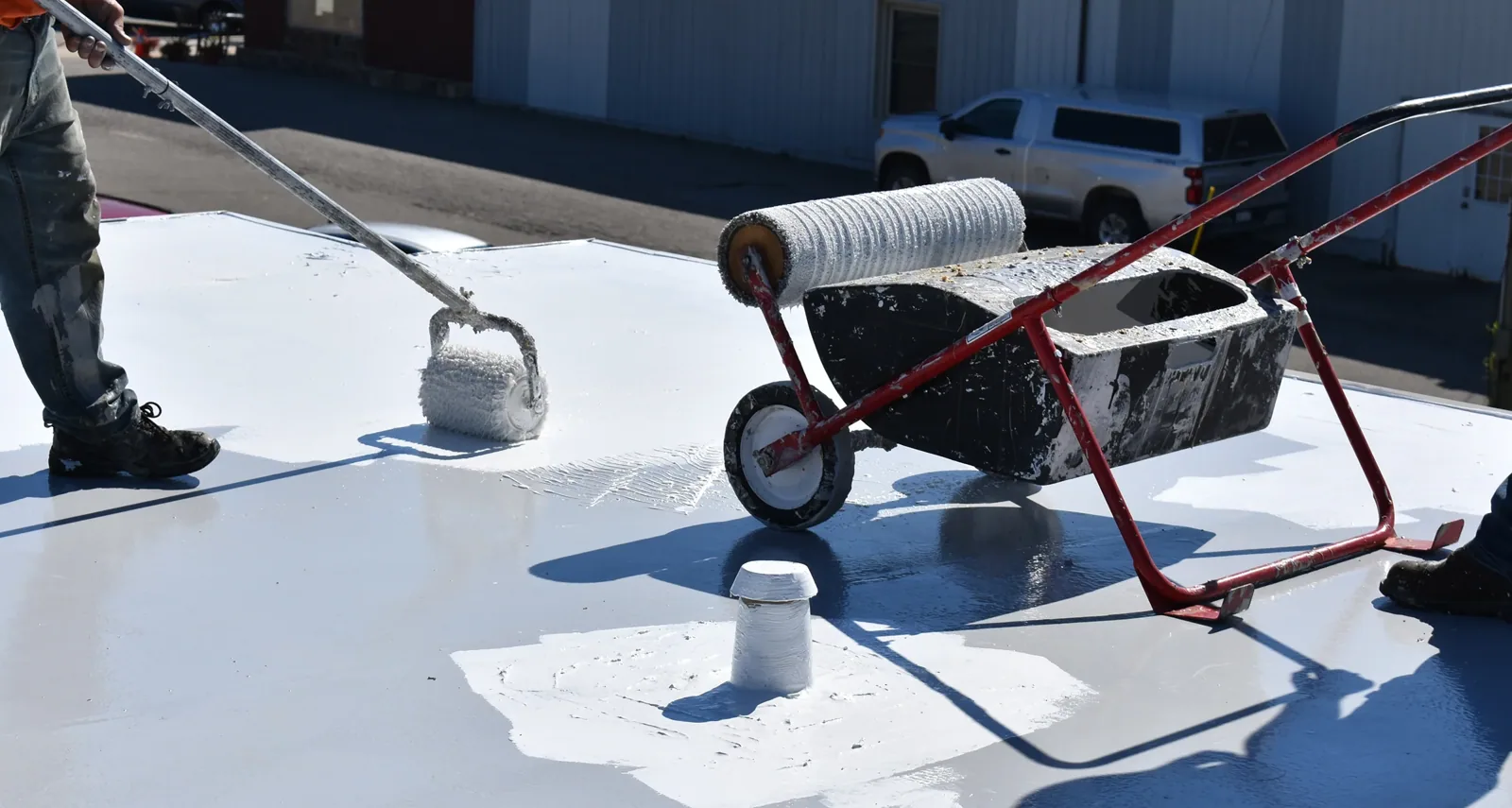
A silicone coating is a liquid-applied elastomer that cures into a flexible, waterproof film. It is applied by roller or spray, typically in one or two coats, over a prepared roof. It bonds to many substrates, including metal, modified bitumen, EPDM, TPO and spray foam, after the right primer or cleaning.
Its main strength is tolerance of standing water. Silicone does not soften when ponded, which sets it apart from acrylic. It also holds up under sunlight and keeps its flexibility through temperature swings. Its limits are dirt pickup, which dulls the surface, and a rule that nothing else bonds to it well later. Once a roof is silicone, future recoats are silicone, and the owner should know.
Color and reflectance are choices too. White reflects sunlight and lowers roof surface temperature. Gray and tan hide dirt better. A reflective surface also shifts snow behavior: snow melts a little slower on a white roof, which matters at drains and walkways. We show the owner what each color does on the energy line and in winter.
Check what a coating cannot fix
A coating seals the surface. It does not repair a roof that has failed underneath. Saturated insulation, an open seam, a split flashing or a deck that moves will push through a coating within a season or two. So the survey comes first: a moisture scan, core cuts, a seam probe and a fastener check.
Missoula adds a freeze cycle. Late-summer swings of 30 F or more load the film and the substrate, and the roughly 45 days a year that stay below freezing stress the bond. A coating over a wet roof traps moisture, and the first freeze lifts it in blisters. We map the wet areas, remove what must come out and repair every defect before the first coat goes on. The findings sheet lists these items with photos.
Ponding changes the choice, not the survey. A roof that holds water after rain is a candidate for silicone, because the film stays intact under standing water. But the water still adds weight, finds seams and freezes on the surface. Where slope can be corrected with a tapered cover board or a drain added, that fix goes in before the coating, and the drain and scupper counts are in the bid.
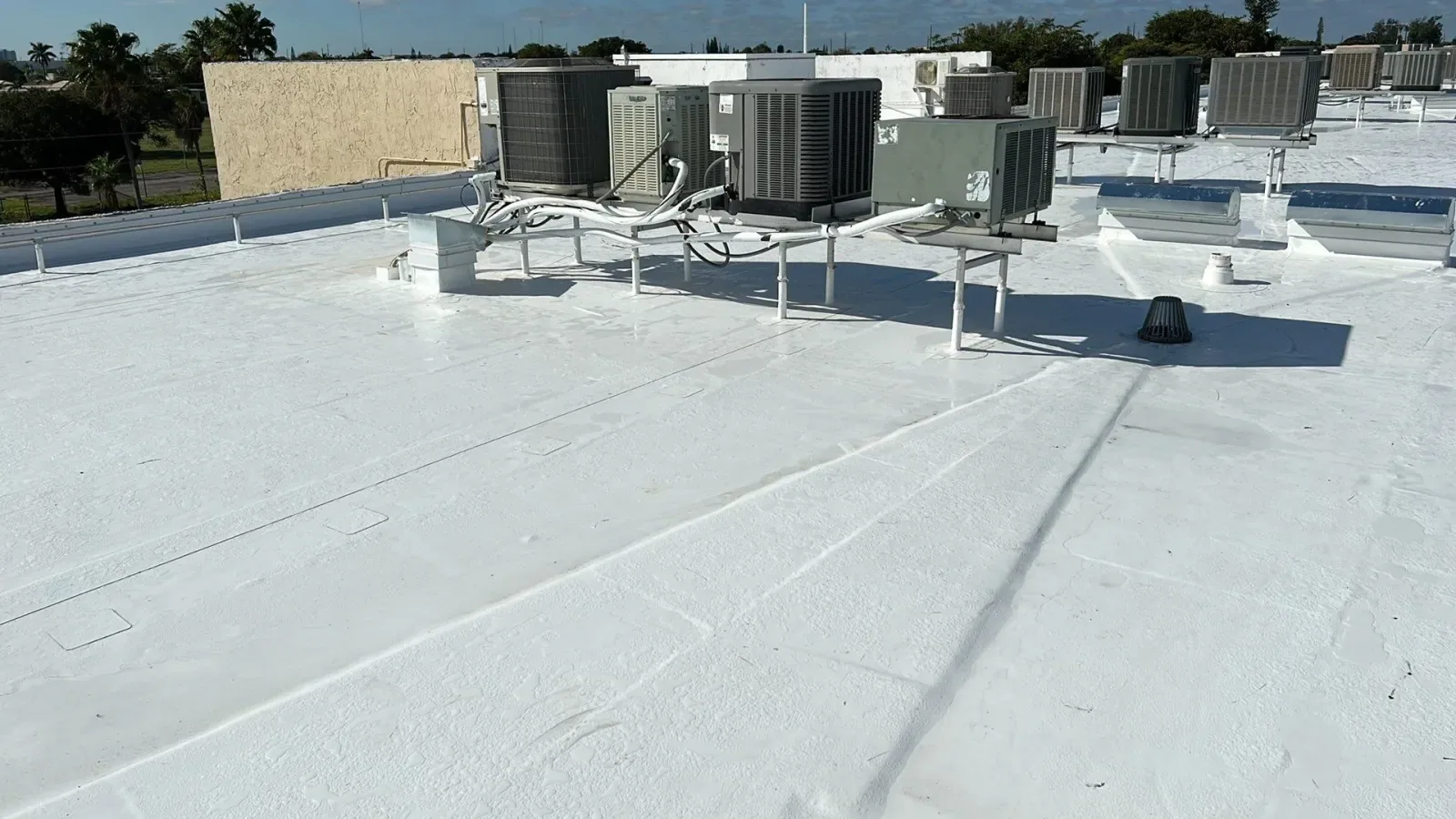
Prepare the surface in order
Preparation follows a fixed order. Pressure wash to remove dirt and chalk. Let the roof dry. Repair seams, flashings and penetrations. Treat rust on metal and prime where the maker requires. Apply a base coat or seam reinforcement with fabric at joints. Only then does the main coat go down.
Each step has its own wait time, and Missoula's weather decides whether it can start. Washing needs a day to dry. Primer needs a set cure. We check surface moisture with a meter before coating, not by eye. A coating restoration is priced by those steps, and the bid shows the days each one needs.
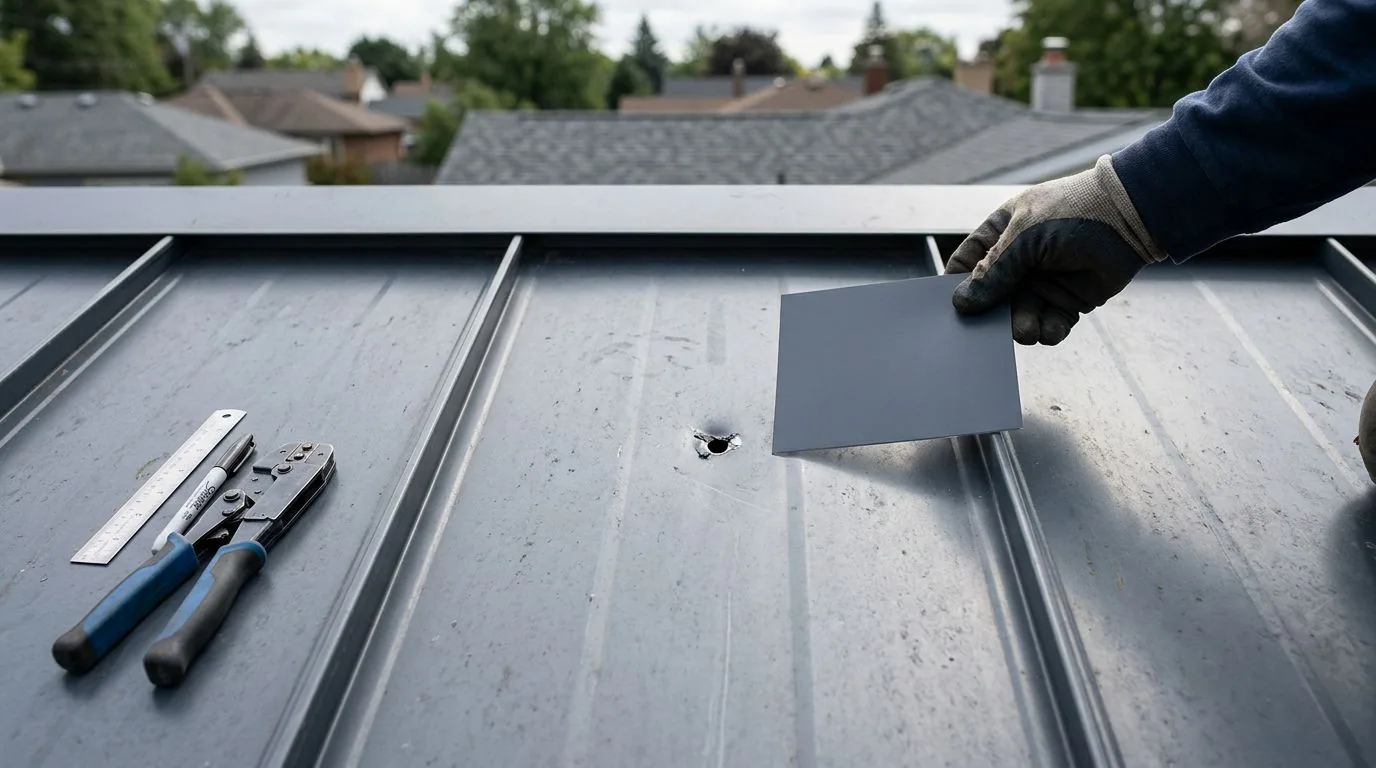
Fasteners and penetrations get special care. Metal roofs need each fastener head sealed with mastic or fabric. Curbs and pipe boots are reinforced. Seams on single-ply roofs are cleaned and primed. A missed detail shows through a thin coat in a season, so we walk the finished prep with a checklist before the main coat.
Measure the film
A coating protects in proportion to its dried thickness. Gallons per square are only a guide. We calculate coverage for each roof section from its area and surface condition, apply in measured passes and check wet-film thickness with a gauge. After cure we confirm thickness again at sample points.
The numbers go in the closeout file with photos of each coat. They are the proof of what was applied. A roof coated thin will fail before the warranty ends, and a thin coat is hard to see by eye. Hail adds a reason for thickness. A 2016 storm dropped quarter-size hail on central and south Missoula, and a film with margin takes impact marks better than one at the minimum.
Edges and corners take more film. They see more wind, more movement and more water. We apply an extra pass at perimeters, curb bases and drains, and we photograph those areas separately. A coating that thins at corners fails there first.
Plan the cure window
Silicone needs dry weather during and after application, a surface temperature in the maker's range and enough humidity to cure. Morning dew can hold up a start. An afternoon shower can ruin a fresh coat. A cold night can slow cure to a crawl.
We schedule coating on days with a dry forecast and a margin, work in sections small enough to finish and close each section before leaving. Heat sets its own limits: about 24 days a year reach 90 F, the record is 107 F, and a hot surface shortens pot life and complicates film control. The plan names the weather holds and prices them. Sites with public access, such as retail on North Reserve Street, are coordinated so overspray and fumes stay clear of customers.
When the first freeze comes, the film must be cured. A coat applied in late autumn, with a cold night ahead, risks poor cure. The plan sets a cutoff date after which we do not coat and stop at repairs. A roof left repaired and uncoated through the winter is better than one coated in bad conditions.
Compare silicone with the alternatives
Against acrylic coatings, silicone costs more and handles ponding better. Against spray foam, it adds no insulation. Against a metal retrofit, it keeps the old panels and defers the larger cost. A coating is a deferral, not a new roof, and the owner should see the remaining life of the base next to the cost of the coat. The University of Montana campus, with 64 buildings on 220 acres, shows why: roofs of different ages need different answers, and the survey sorts them. The coating plan names the laydown yard, the weather window for each section and the punch list that closes it.
Related Roofing Pages
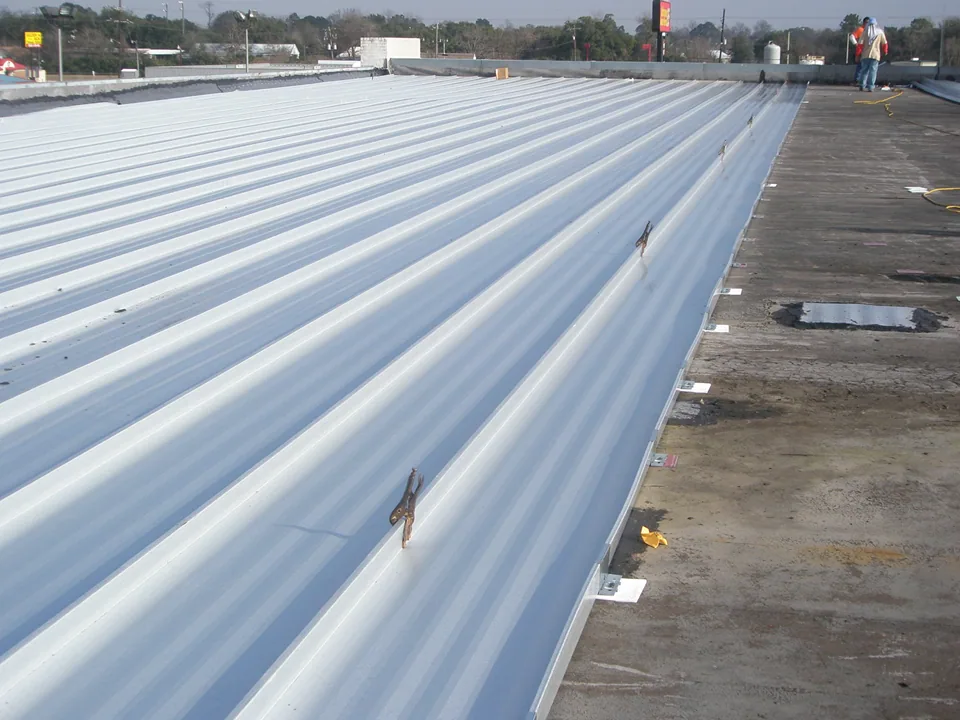
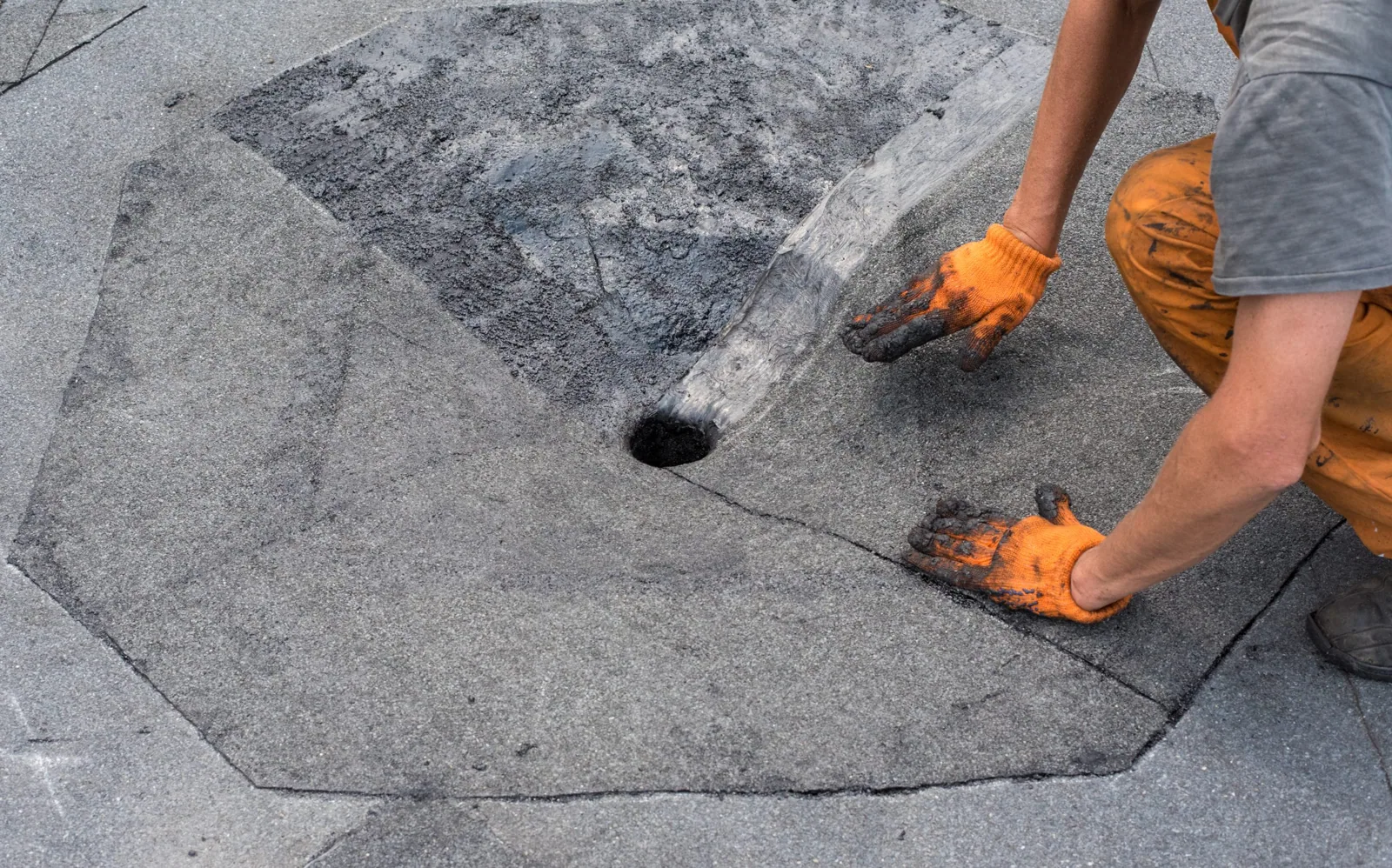
Send the roof plan and the age of the roof
Send the roof plan, the age of the membrane and the occupancy schedule, so the survey, the cure window and the staging area can be mapped before any material is ordered.
Call 555-555-5555 or email [email protected].
Questions About Silicone Roof Coatings
Can silicone go over any roof?
Over many types, if they are dry, sound and clean. Some substrates need a primer. Roofs with saturated insulation or failed seams need repair first. A survey and a small adhesion test patch answer the question before a bid.
Why does silicone attract dirt?
The surface stays slightly tacky, so dust sticks and dulls the reflectance. Rain washes some of it off. A periodic wash restores much of the brightness, and the maintenance plan includes it.
What if I want to switch coatings later?
Silicone does not accept most other coatings well. Plan on silicone recoats for the life of the film, or on stripping and replacing the roof system when the time comes.
How cold is too cold to coat?
Surface and air temperatures must be within the maker's range, with no frost or moisture. Cold, damp mornings stop work. The plan keeps the job inside the dry, moderate part of the season.
How do I know the film is thick enough?
By gauge readings during and after application. We record thickness at sample points and include them in the closeout file, so the number can be checked years later.