
Commercial Roofing in Evaro, MT
Evaro
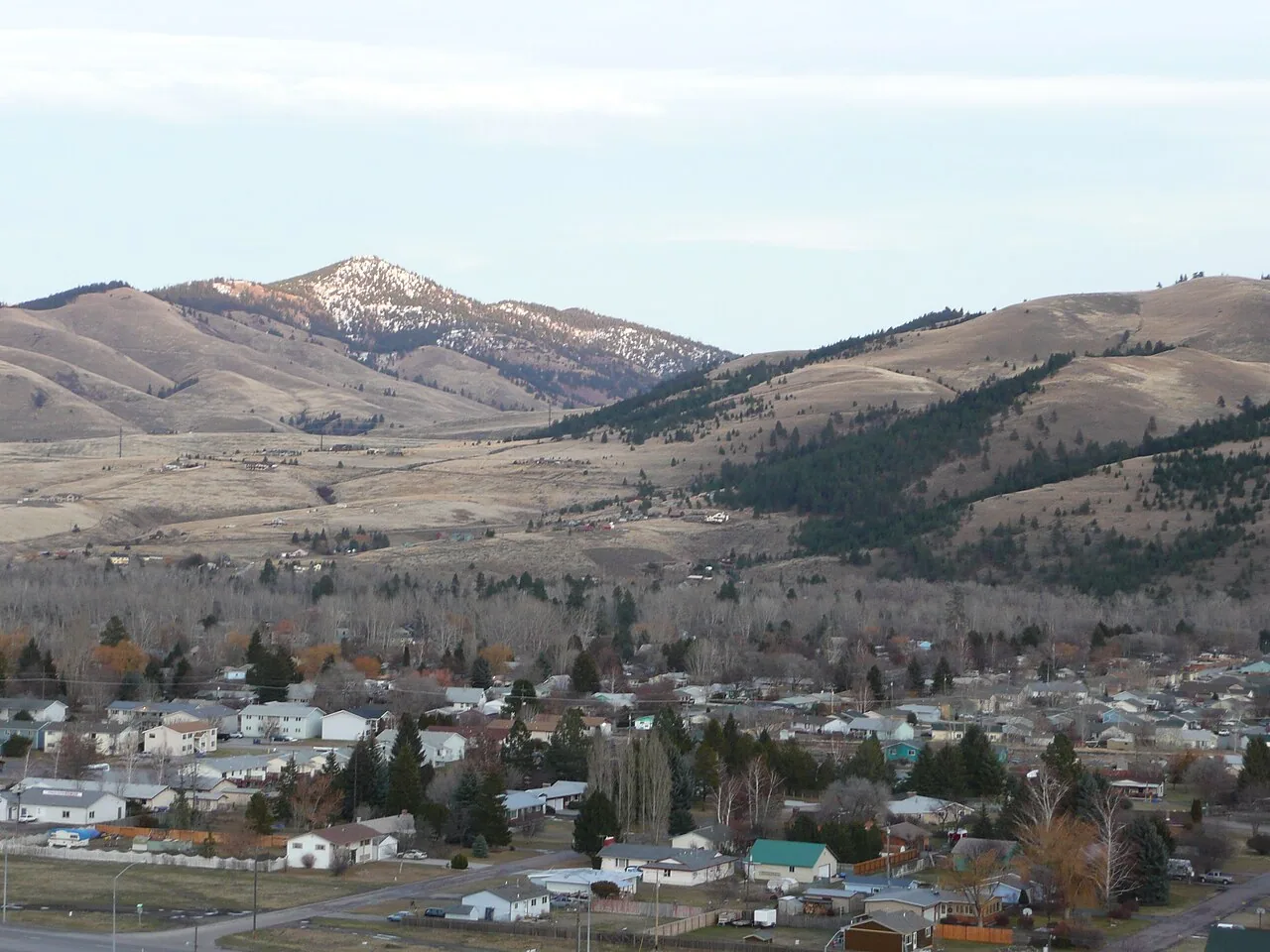
Wind is the first thing to plan for on an open roof along US 93, and Evaro, MT sits on that highway. The census-designated place covers about 17 square miles on the southernmost edge of the Flathead Indian Reservation, roughly 20 miles north of downtown Missoula. A building with open ground around it is easier to reach with a crane, but it gives the wind little to break against. We repair, recover and replace low-slope and metal roofs, and we sequence each job so the perimeter is secured before the field is opened.
Secure the Edges Before Opening the Field
On an exposed lot, the edge metal and the perimeter fasteners are the first parts of a roof to be stressed by wind. A Risk Category II building here is designed for 102 mph, and a roof clear of neighboring buildings gets little shelter from it. So the order of work starts at the perimeter. We check coping, drip edge and the first few feet of membrane, and we replace or re-fasten them before the rest of the roof is touched.
If we reverse that order and tear off the field first, an afternoon gust can lift a loose edge and peel back freshly laid insulation. The edge-first sequence adds a few hours to the schedule and prevents the larger loss. Repairs to edge metal, coping and gutters are done with continuous cleats and sealed laps, so the replaced edge holds as well as the new field. We also test a few perimeter fasteners by hand before work starts, because a screw that spins free tells us the substrate has softened.
Allow for the Drive and Group the Visits
Evaro is about 20 miles from the city, so every trip carries a cost in time. We group tasks so one visit covers the walk, the photographs and the measurements, and a second visit starts the work with a fully scoped order. That keeps the owner from paying for a return trip that could have been avoided.
We also bring material for the likely repairs on the first visit when the situation calls for it. An emergency leak call gets a temporary dry-in the same day, and the permanent fix is scheduled for the next suitable weather window. Our emergency roof repair response runs through nights and holidays, and the travel time is built into how we dispatch.
Judge the Roof After the Winter Load
Missoula's ground snow load is 40 psf, and the area gets about 39.5 inches of snow in a winter with snow on the ground roughly 120 days a year. Any roof with a parapet, a wall or a curb can collect drifts against it. Drifted snow is heavier than a flat layer, and it loads the deck unevenly.
After a hard winter we look for deflection in the deck, cracked sealant along the walls and any place where drifted snow melted and refroze. These are the signs that the load path has been stressed. If we find them, we recommend a structural check before any membrane work begins, since new roofing over a flexing deck will fail at the same spot.
Choose Between Metal and Membrane for an Open Lot
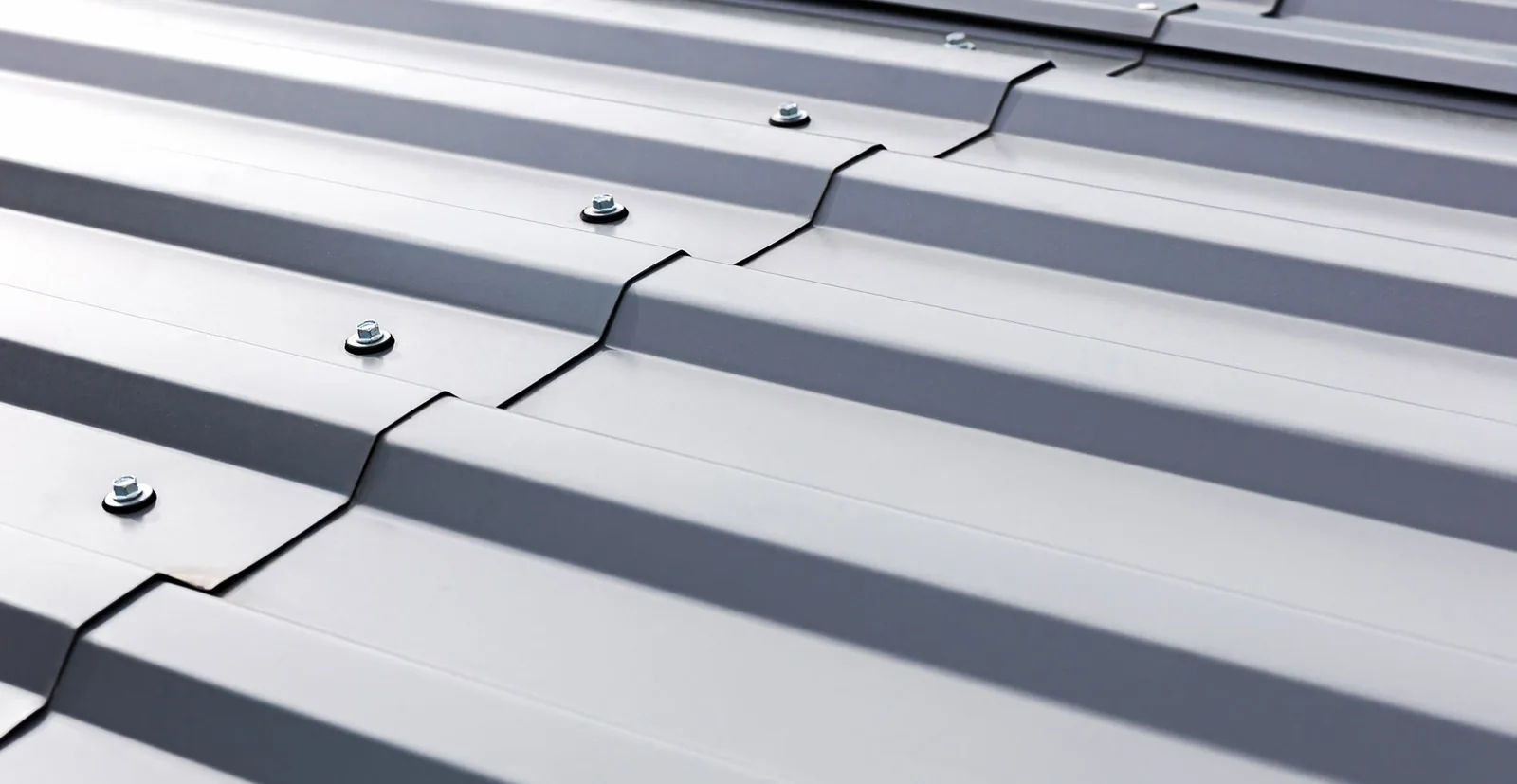
A standing seam metal roof resists wind well when the clips and panels are correctly specified, and it sheds snow without ponding. It is also a sound retrofit over an older roof where structure and slope allow. A single-ply membrane such as TPO or EPDM is lighter and suits a flatter building with rooftop equipment. Whichever we choose, the attachment pattern is set for the corner and perimeter zones first, where uplift is highest, and relaxed across the field.
For a storage or light industrial building, either choice can work, and the owner's main question is what happens when snow slides. We explain where the snow guards go and how a metal retrofit affects the existing drains. A metal roof retrofit and a fully adhered EPDM roofing system can be priced side by side from the same measurements, which makes the comparison concrete.
Coordinate Tenant Access and Deliveries
A building with a single driveway has customers, trucks and the roofing crew sharing one entrance. We stage material away from that entrance and schedule the hoist for times when deliveries to the tenant are light. Barricades mark the area under the work.
The occupancy schedule drives the phasing. A building that closes on weekends gets its noisiest work then, while a building that runs six days gets protected walkways and a spotter at the door. These arrangements are settled before we order material, so nothing changes once the first pallet arrives. If a delivery driver needs a turning area, we mark it on the plan and keep it clear of the crew's ladder and the tenant's parking. Waste goes into a single container placed where the haul truck can reach it without crossing the customer entrance. Our approach to occupied building reroofing is built on that plan.
Document the Work and Set the Next Check
At closeout we walk the roof and record each flashing, seam and drain with photographs. A punch list lists anything still open, and the owner receives the written report. That report is the baseline for the next inspection. Because the site is about 20 miles out, the report also lists what to watch between visits, such as a ceiling stain, a ponded patch after rain or a loose piece of trim, so the owner can call early and avoid a long emergency trip later.
We then set a calendar for the roof: a fall check before snow and a spring check after the thaw. Nearby Wye and Arlee are along the same US 93 route, so the pattern of wind and weather is similar. A written condition report gives the owner a record to use in budgeting future work.
Related Roofing Pages
Send the Site Sketch and Schedule
Send the roof plan, the occupancy schedule and the access constraints so the edge-first phasing and the staging area can be mapped before any material is ordered.
Call 555-555-5555 or email [email protected].
Questions About Evaro
What makes an exposed lot harder on a roof than a sheltered one?
Nothing blocks the wind, so edges and corners take the full force. Missoula's design wind speed is 102 mph for a standard commercial building, and an open site meets that with no neighboring buildings to break it. We upgrade edge metal and fastener patterns with that in mind.
Can you reach Evaro quickly for an active leak?
The distance is about 20 miles north of downtown Missoula, and we dispatch around the clock. The first goal is a temporary dry-in that stops water entry, followed by a scheduled permanent repair in the next workable weather window.
Does snow drift change which roofing system I should choose?
It can. Drifts add weight beside walls and rooftop equipment, so the deck and framing need to be sound before new layers go on. A metal system sheds snow more readily, while a membrane system relies on the drains. We review the framing first and then compare systems.
How do I decide between a repair and a recover on an older roof?
The amount of trapped moisture decides it. If a survey shows the insulation is mostly dry, a recover or a targeted repair can extend life economically. If saturated insulation covers a large share of the roof, the saving disappears and replacement is the sounder route.
What should I send before the first walk-through?
Send a site sketch, the roof type if known, a few photographs of the leak area and any past repair records. With those in hand we arrive prepared to scope the work in a single visit and keep the travel to a minimum.