
Edge Metal, Coping and Gutters in Missoula, MT
Edge Metal, Coping and Gutters
The edge of a roof goes first, and when the edge goes, the membrane behind it follows. Wind finds a lifted flange before anything else, ice finds a loose gutter, and a split coping joint lets meltwater into the wall. In Missoula, MT the edge has to survive a 102 mph design wind speed, a design snow load of 40 psf and thaw cycles that swing more than 30 F from late June through late September. We repair the edge before the field, because a membrane that is perfect everywhere except the perimeter is still a failed roof.
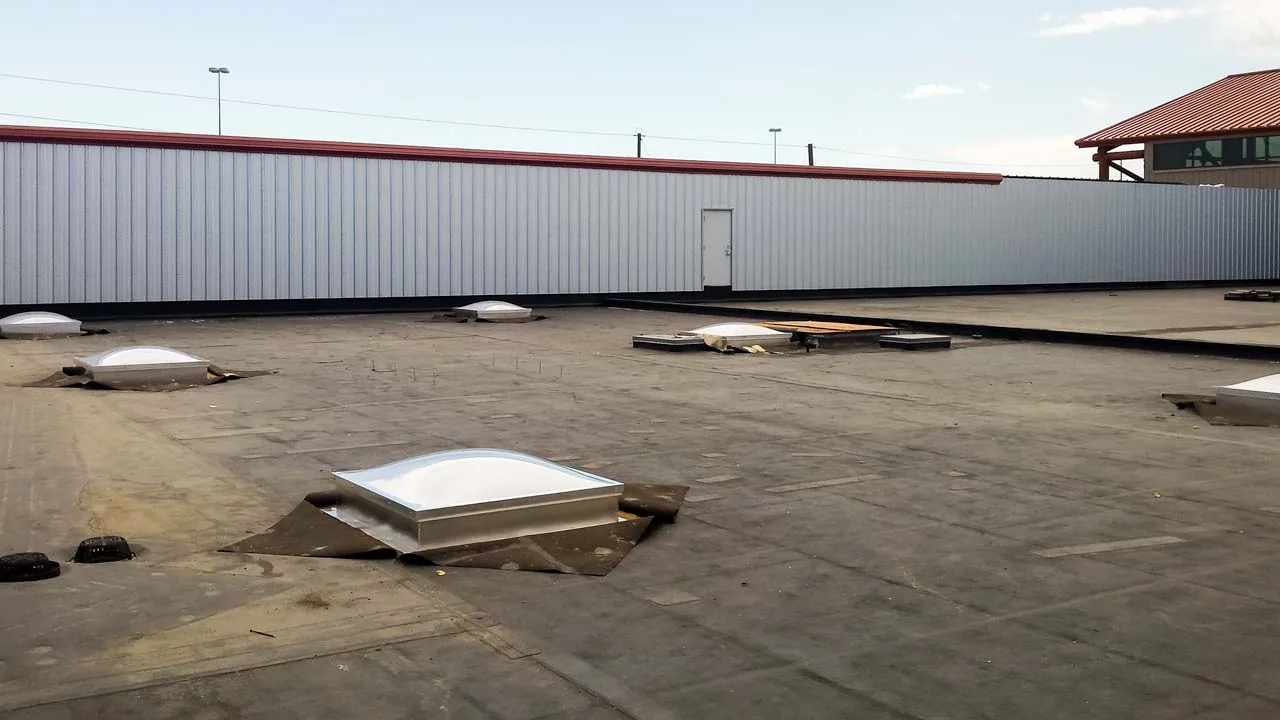
Check the Fasteners Before the Metal
Edge metal fails at its attachment more often than in the metal itself. Fasteners back out as the metal expands and contracts, sealant dries and shrinks, and the cleat that holds the drip edge loosens. A hand check along the perimeter finds the loose ones in a morning.
Sealant is the other early failure. Butyl and polyurethane sealants dry out in sun and crack in cold, and Missoula reached 107 F on June 30, 2021 while about 45 days a year never rise above freezing. Resealing before the first freeze is a small job that prevents the larger one: water behind the cap, frozen and expanding.
We pull a sample of fasteners and test them for pull-out resistance. If the substrate has deteriorated, the whole run is re-fastened into sound material. The count and the spacing go on the punch list, along with a photograph of any section that moved.
Replace Coping Where the Joints Open
Coping caps the parapet, and its joints are the weak points. Splice plates, sealant and the slope of the cap decide whether water runs off or runs in. A coping that is flat or reversed holds water, and a split joint is an open hole into the wall.
Thaw cycles work these joints repeatedly. Water that enters at a joint freezes and spreads it. We replace failed coping with sloped sections that overlap, set on a continuous cleat, with end dams at the ends. Where the existing wall is masonry, the flashing behind the coping is checked as well. A failed wall flashing sends water into the masonry, where it freezes and spalls the face.
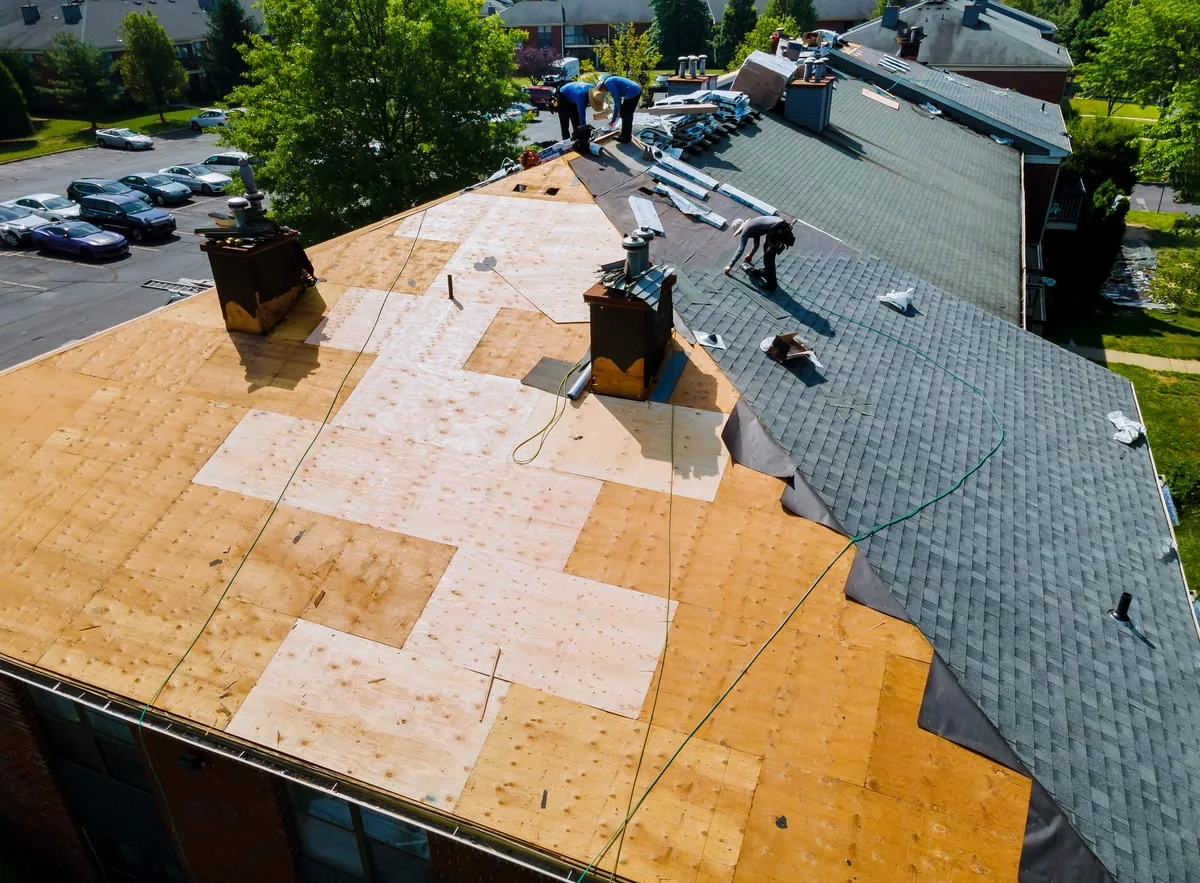
Match the Metal to the Wind Load
Edge metal is tested to resist uplift, and the rating depends on the gauge, the cleat and the fastener pattern. Missoula's basic design wind speed is 102 mph for a Risk Category II building, and the perimeter and corner zones of a roof take higher pressures than the field. Corners need heavier attachment than the middle of a run.
We specify the gauge and the fastener spacing from the manufacturer's tested assemblies and the building's wind zone. A cheaper, lighter edge works on a sheltered roof and fails on an exposed one. A building on an open site, such as the private hangars planned west of the airport terminal in the Missoula Airport area, should be checked against its wind zone and not assumed to be sheltered.
A lifted edge is a wind damage repair waiting to happen. Once the flange opens, each gust pulls it further, and the membrane peels back from the perimeter toward the field. Catching it when only a few fasteners have moved costs a fraction of re-roofing a peeled section.
Hang Gutters to Carry Snow and Ice
A gutter in Missoula carries more than rain. Snow slides off a sloped roof, ice builds in the trough and a full gutter can pull away from the fascia. Heavier brackets, closer spacing and a gutter set below the roof plane let snow clear instead of catching on the edge.
Downspouts need a clear path to a discharge point that will not freeze across a walk or an entry. Heat cable in the gutter and in the first section of downspout keeps a path open through a freeze. We check the discharge location each autumn. On the retail strip of North Reserve Street, where hotels and big-box stores line the road, a downspout that spills onto a walk is a liability as well as a nuisance. Where the downspout empties is half the question; the other half is whether the drains and scuppers upstream keep up with a thaw.
Install Snow Guards Where the Snow Falls
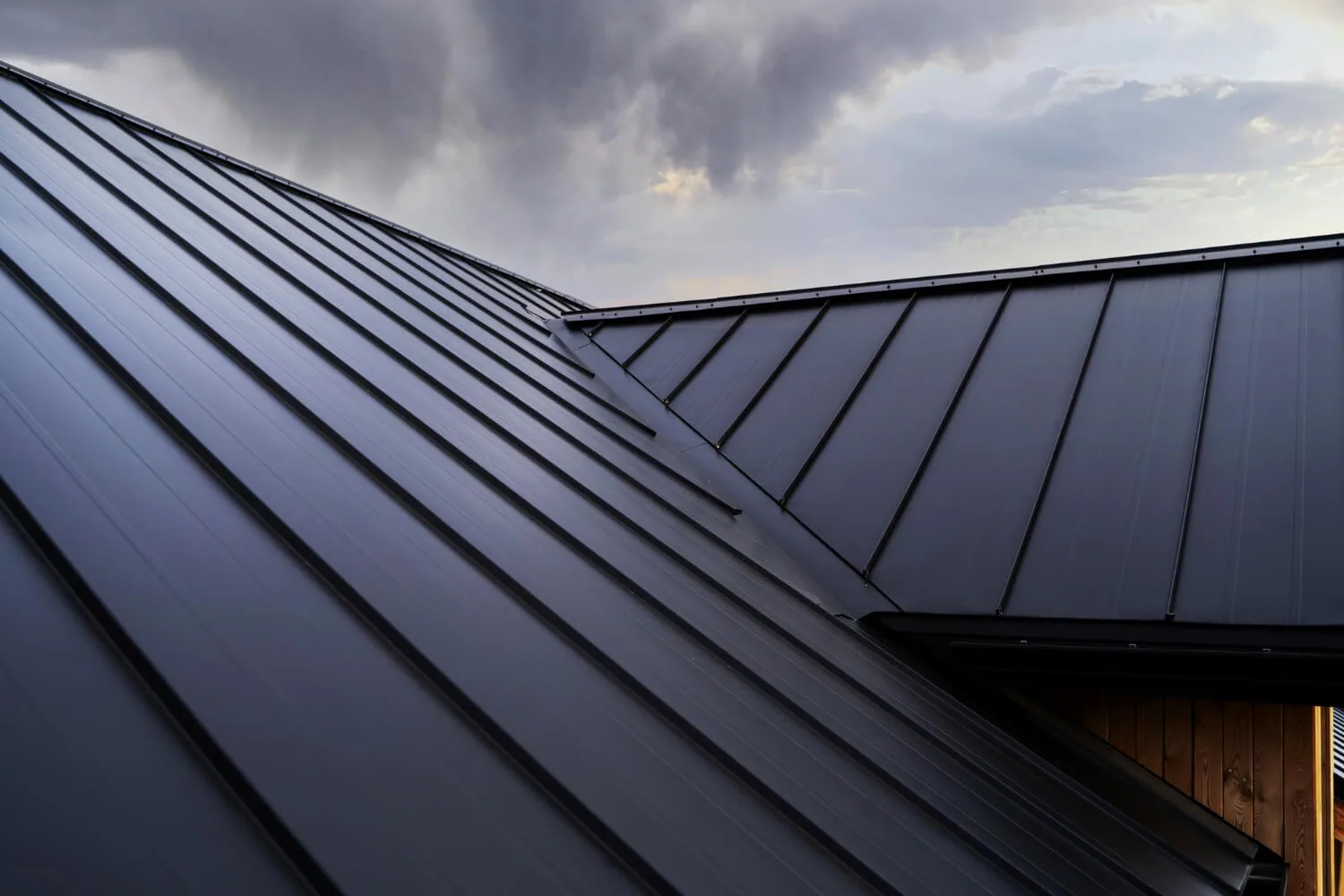
On a sloped metal roof, snow guards hold the snow in place until it melts and sheds gradually. Without them, a full slab can drop onto an entrance, a parking space or an adjacent roof. The guards are laid out in rows from the eave, with spacing set by the slope and the snow load.
This is a safety item as much as a roofing item. Edges above walkways, bus stops and loading docks get priority. We also set the guards so they do not pierce the standing seam clips, or they use clamps that grip the seam without fasteners. A standing seam metal roof takes clamp-on guards without a penetration.
Sequence Edge Work With the Reroof
Edge metal is usually replaced during a reroof, because the membrane must tie into it. The order is edge first, then membrane, then the final seal. A full replacement puts the new edge in at the start of the job and the final seal at the close. If the edge is installed last, the membrane has no clean termination and the tie-in leaks.
On a historic building in Downtown Missoula, in a city with more than 60 National Register buildings, a parapet may be masonry with a cut stone cap, and the new edge has to respect it. We photograph the existing profile, match the shape where the design allows and note any approval the owner needs. Historic review can add weeks, so it goes on the schedule early.
Related Roofing Pages
Send the Roof Plan and the Edge Photos
Send the roof plan, photographs of the worst edges and the warranty text, and we will schedule a perimeter walk. The first report marks each run by wind zone and by repair method.
Call 555-555-5555 or email [email protected].
Questions About Edge Metal, Coping and Gutters
How do I know if my edge metal is failing?
Look for gaps at joints, bent flanges, rust streaks and stains below the parapet. A hand check finds loose fasteners, and a pull test shows whether the substrate still holds. Photographs of each run, taken with a date, show how fast the edge is changing from one visit to the next.
Can edge metal be replaced without a reroof?
Yes, if the membrane terminates cleanly under the edge and the field is sound. The old edge is removed in short runs, so the roof is never open along a whole side at once. Otherwise the membrane at the edge is cut back and re-tied, which adds scope. The inspection shows which case applies.
What gauge of metal should I specify?
Gauge follows the wind zone and the manufacturer's tested assembly, and corner zones get the heavier attachment. Heavier metal costs more but resists uplift at corners. We state the gauge and the fastener schedule in the proposal. The schedule shows spacing for the field of each run and a tighter spacing at corners and at the ends of each section.
Do I need heat cable in my gutters?
Not on every building. Add cable where ice repeatedly dams at a gutter, a valley or a downspout, since a recurring dam points to a path that never stays open. Keep it on a thermostat so it runs only when needed.
Will new coping change the warranty?
It can help. Many manufacturers require approved edge details for a full warranty, and a documented replacement keeps the file clean. Send us the warranty text and we will match the details. Where a manufacturer lists an approved edge system, we use it, and we keep the data sheet in the closeout folder.