
Spray Polyurethane Foam Roofing in Missoula, MT
Spray Polyurethane Foam Roofing
Foam cannot be sprayed on a roof that is damp, cold or windy, and that single fact sets the whole schedule. The substrate must be dry. The air and the surface must be inside the maker's temperature range. The wind must be low enough that mist does not drift onto cars and neighbors. In Missoula, MT, snow keeps the ground covered roughly four months of the year, so the days that meet all three conditions are counted before the job is booked, and the crew mobilizes only when the forecast holds.
Understand how the system is built
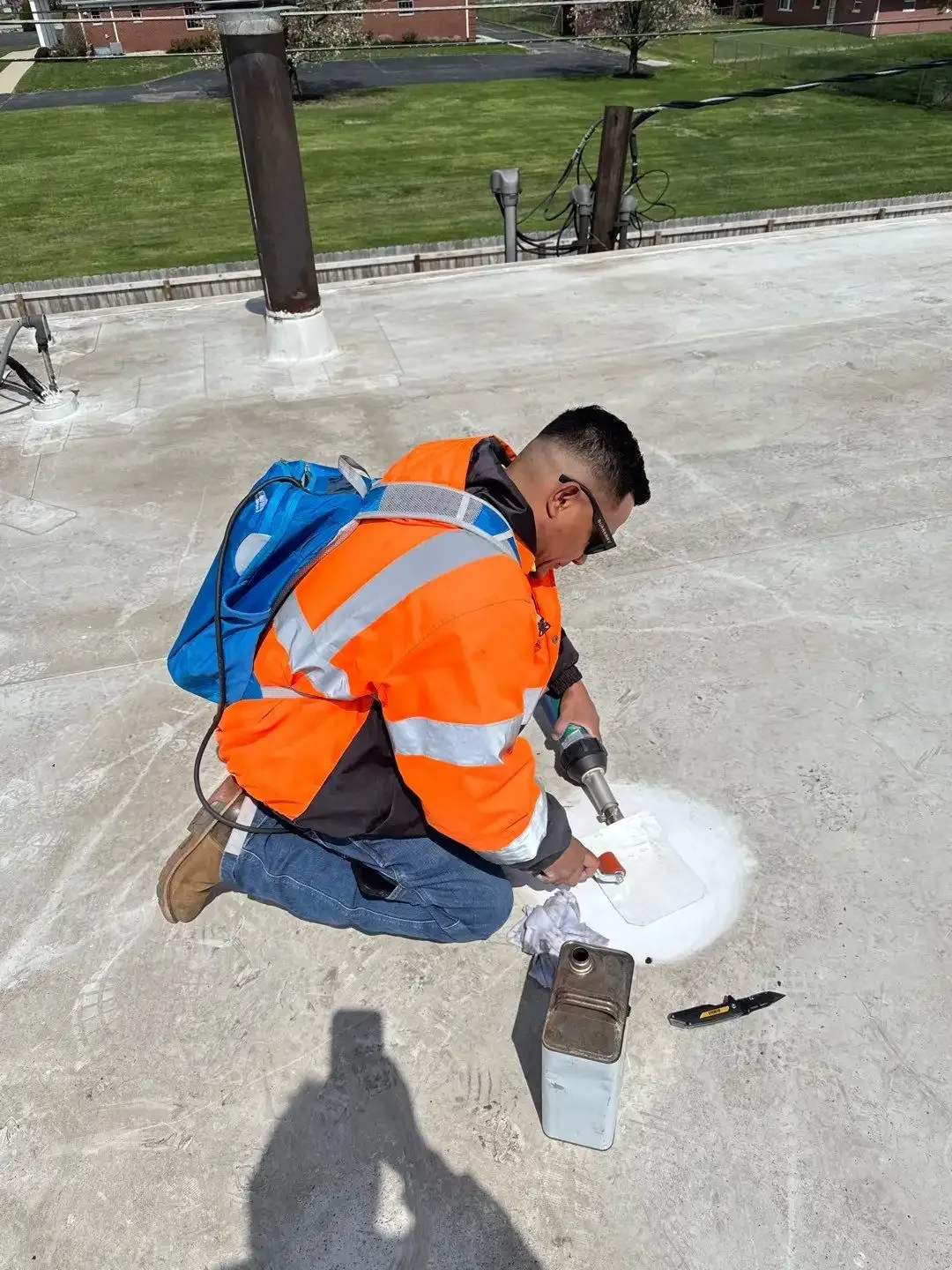
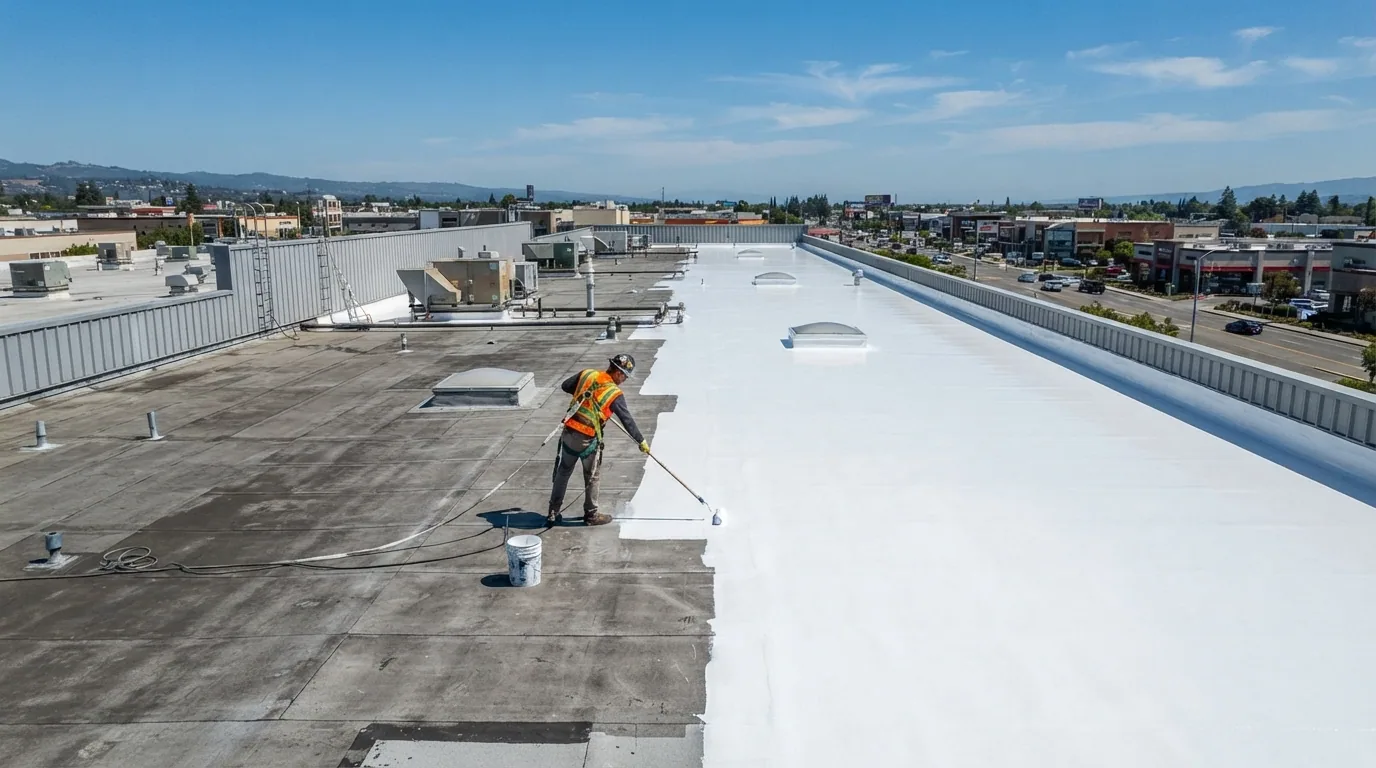
Spray polyurethane foam, or SPF, is made on the roof. Two liquid components are mixed at the spray gun and expand into a rigid foam that bonds to the substrate. It is applied in passes that build to a design thickness, and it forms a continuous layer with no laps that is also insulation. A protective coating goes over it, because the foam itself degrades in sunlight.
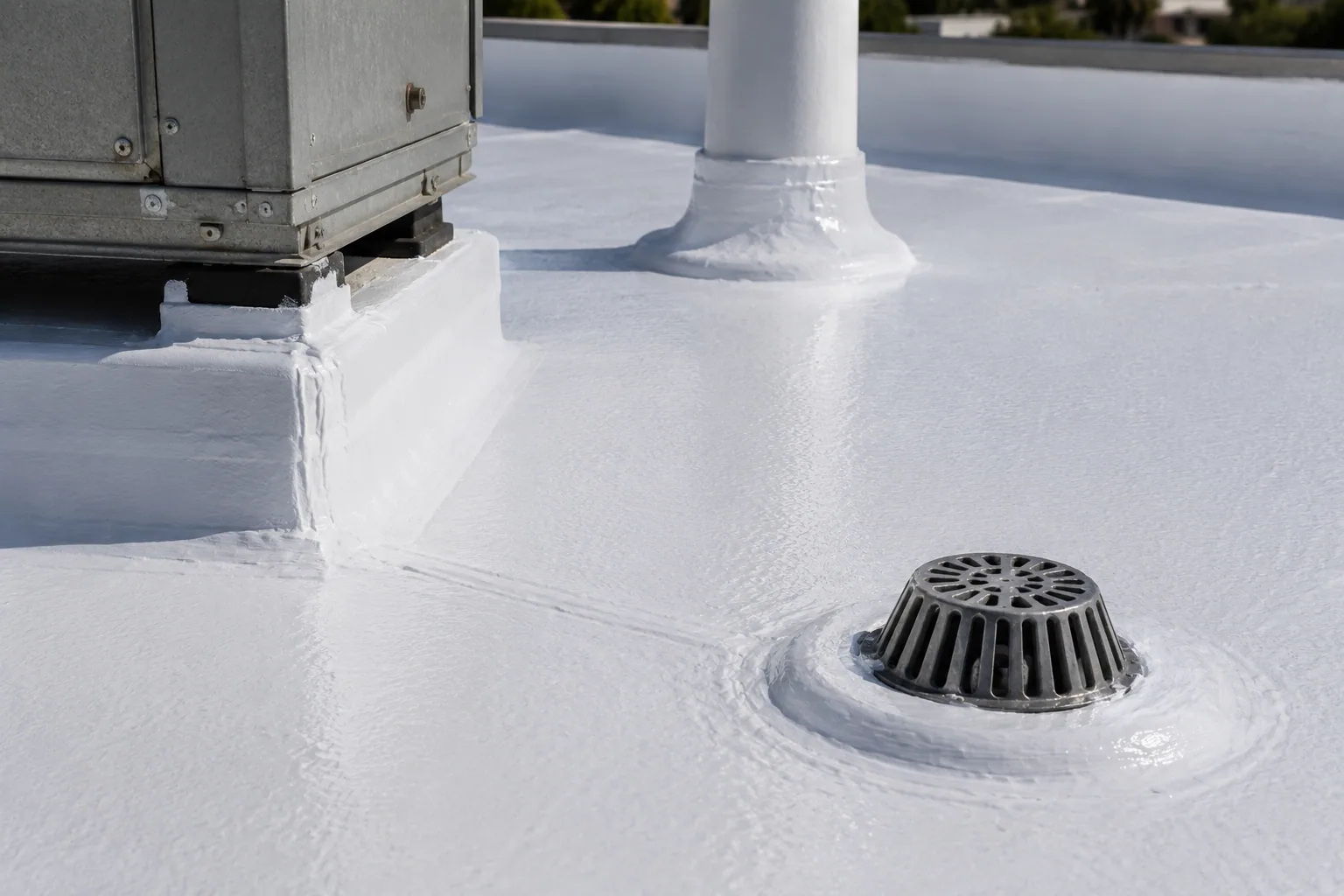
The coating is the exposed layer, and it is usually silicone or acrylic, sometimes with granules for traffic. The system works as a roof only when foam and coating are both sound. The thickness sets the insulation value and the slope, since foam can be sprayed thicker at low spots to build the fall toward drains. That makes it useful on roofs that pond.
Density and thickness are the specification numbers. Roof-grade foam is dense enough to take light foot traffic once coated. A thicker pass raises the insulation value. A thinner pass saves cost and may fall short of the energy code. The bid states both numbers, so two proposals can be checked against each other and against the code.
Look for coating loss and dents
SPF fails at the coating first. Coating that thins, cracks or peels exposes foam, which erodes under sun and water. Hail dents the foam and cracks the coating at the mark. Foot traffic compresses it. Punctures let water into the cells and soften the layer around them.
Foam roofs take marks from quarter-size hail like the stones that fell on central and south Missoula in 2016. We inspect by pressing the surface, probing cracks and taking core samples to check foam density and moisture. About 45 days a year never climb past freezing, so the coating works through the thaw cycle, and cracks that hold water freeze and widen. The findings sheet separates cosmetic dents from coating breaks.
Water gets in at cracks and punctures and travels through the foam cells. A small break in the coating over a low spot is a larger finding than the same break on high ground. We mark each break, measure it and photograph it, then plan a repair with fabric-reinforced coating that overlaps the sound surface by several inches.
Follow the application sequence
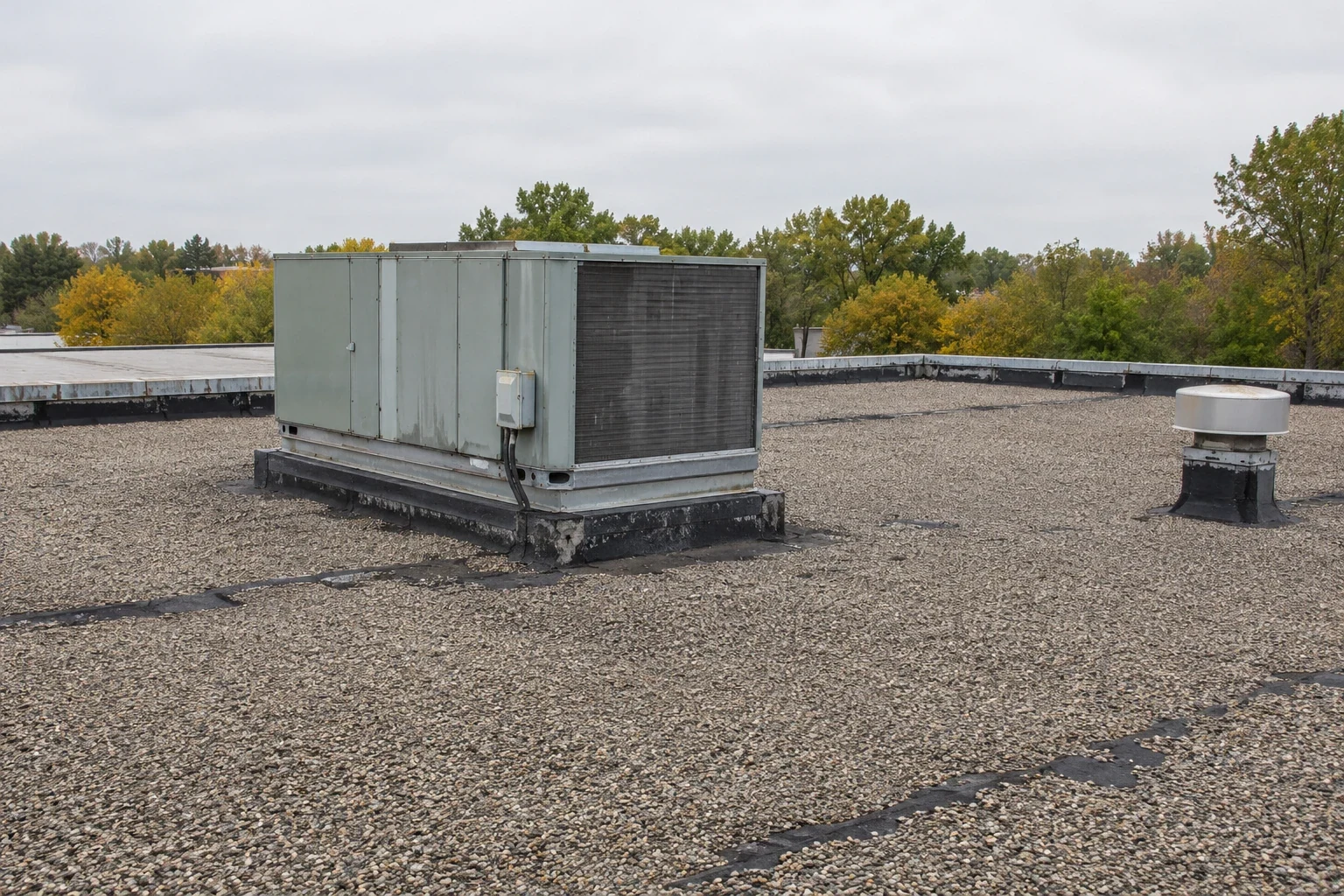
The order is set. Clean and prepare the substrate. Prime where required. Mask everything that must stay clean: vehicles, windows, intakes, signs and neighboring property. Spray the foam in controlled passes. Check thickness with gauges at intervals. Let it cure. Apply the coating in the right conditions.
Each step has a weather condition, and the plan names it. Foam passes stop when wind rises. Coating waits for dry surfaces and a temperature range. Between foam and coating, the surface cannot sit exposed for long, so the two are scheduled within days of each other. Silicone coatings and acrylic coatings both work, and the choice depends on whether the roof ponds.
Cure time sets the gap between steps. Foam is walkable soon after it sets, but the coating must wait for the surface to be clean and dry. A shower between passes costs a day or more. The bid shows an allowance for weather days, and the schedule names the sections that will be coated on each good day.
Control overspray and fumes
Overspray is the risk that sets SPF apart. Fine mist can travel on wind and land on cars, windows and walls. We set up wind monitoring, create a buffer zone, mask the exposed surfaces and stop spraying if conditions change. Parking areas below are cleared in advance.
Fumes are the other concern. Fresh foam gives off vapors until it cures, and air intakes pull them inside. We locate intakes, screen them and ask the facilities office to shut selected units for set hours. Occupants are informed ahead of time. On a campus such as the University of Montana, with 64 buildings on 220 acres, or on a hospital roof like St. Patrick Hospital's, the notification plan is part of the scope. Tenants on a busy corridor like North Reserve Street are told which days and hours the spraying takes place.
Count the snow load and the drains
Foam is light, which helps where the structure is near its snow limit. The 40 psf ground snow load sets the roof load, calculated under ASCE 7-16. The 2011 snow collapse at the former Bonner mill shows what overloaded decks do. A foam system adds little weight to a deck that is already carrying snow.
The thickness build-up can correct slope, so we map ponding before spraying and build the fall toward the drains. Drain sumps stay open and clear. Where sliding snow could reach a door or walkway, guards go in before winter. We flood-test the drains and scuppers before the spray and again after the coat.
Decide whether foam fits
SPF suits roofs with many penetrations, odd shapes or ponding problems, because it forms around them without seams. It suits owners who want insulation and a roof in one step. It is less suited to roofs under heavy traffic, roofs with saturated insulation that cannot be removed and sites where overspray cannot be controlled. Against a new membrane such as TPO, foam trades fewer seams for more weather sensitivity during install. Foam thickness is part of the compliance path under the state's energy code. We show the options with prices.
A last item is the fire rating. Foam is combustible, and the assembly needs the right coating or barrier to meet code. The specification names the fire-rated assembly, and the closeout file holds the product data. Thickness gauges are read at marked grid points, so the as-built depth can be compared with the specification afterward.
Related Roofing Pages
Send the roof plan and the occupancy schedule
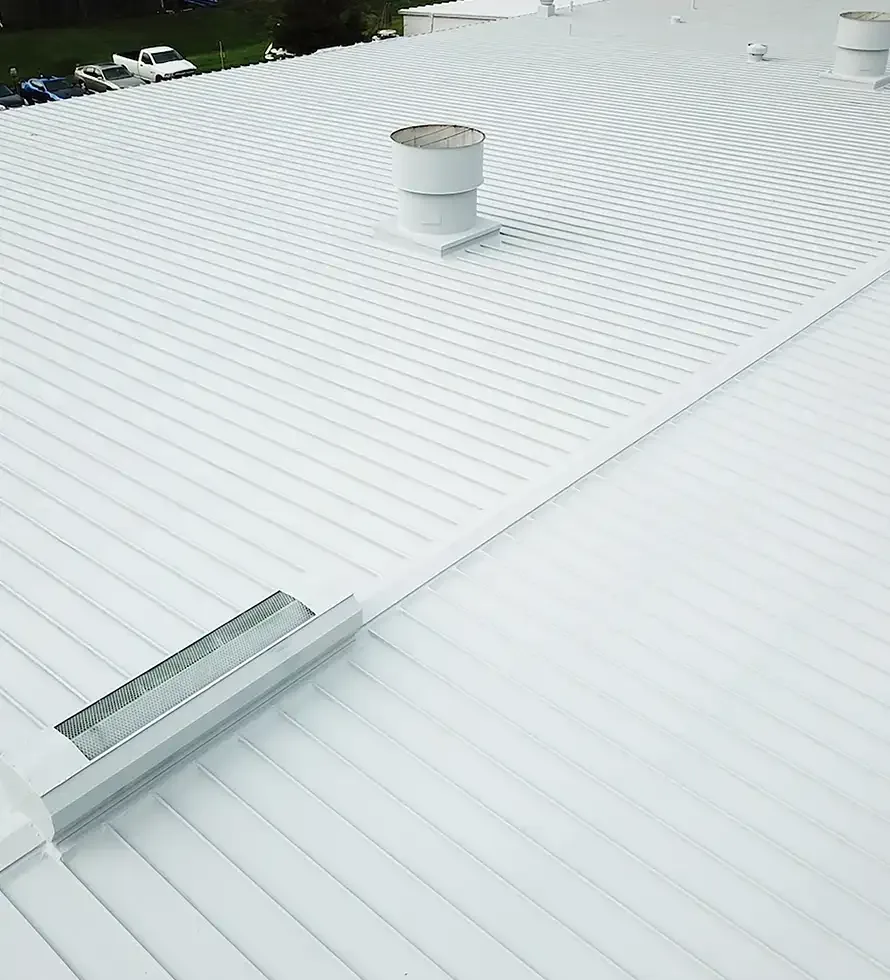
Send the roof plan, the occupancy schedule and the access constraints, including parking and intake locations below, so the overspray control, the phasing and the staging area can be mapped before any material is ordered.
Call 555-555-5555 or email [email protected].
Questions About Spray Polyurethane Foam Roofing
Can foam be sprayed over an old roof?
Often, if the old roof is dry, attached and clean. A moisture scan and core cuts check that first. Foam over saturated board traps the problem, so wet areas are removed before spraying.
How long does the coating last?
The coating wears with sun, hail and foot traffic, and it is recoated on a schedule set by the type and the exposure. Inspections measure thickness and cracking, and the recoat is planned before the foam is exposed.
Will the spraying disturb the building?
Fumes and overspray are managed with masking, screened intakes, wind monitoring and notice to occupants. The loudest part is equipment. The facilities office approves the hours before the first pass.
Does foam work on a roof that ponds?
Yes. Thickness can be built up at low spots to create slope toward the drains. A ponding map made before spraying sets the plan. Drains must still be kept clear.
What happens after a hailstorm?
We inspect for dents and cracked coating, count hits in test areas, and repair breaks with compatible coating and fabric. Photos of the pattern support an insurance claim if damage is covered.