
Acrylic Roof Coatings in Missoula, MT
Acrylic Roof Coatings
Acrylic coatings are water-based, and that one fact drives the schedule. They cure as the water leaves the film, so they need warm, dry air and a surface that stays above freezing until the coating has set. Rain on a fresh coat washes it away. A frosty night can break it before it cures. In Missoula, MT the number of days that meet those conditions is small, with 45 days a year that never rise above freezing and snow on the ground about 120 days. The plan for an acrylic job starts with those days, and the crew books only when the forecast holds for the cure.
Know what acrylic is
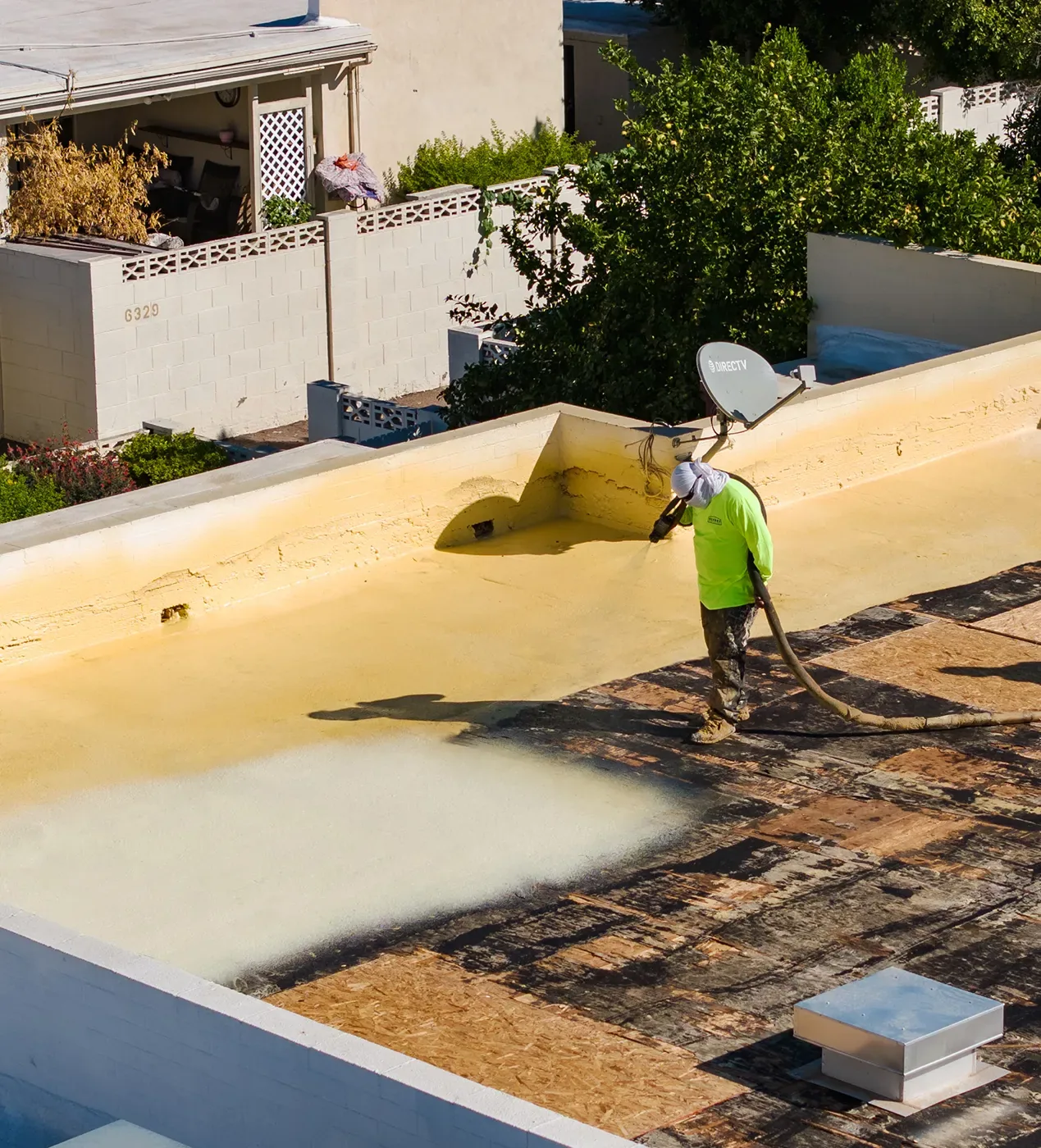
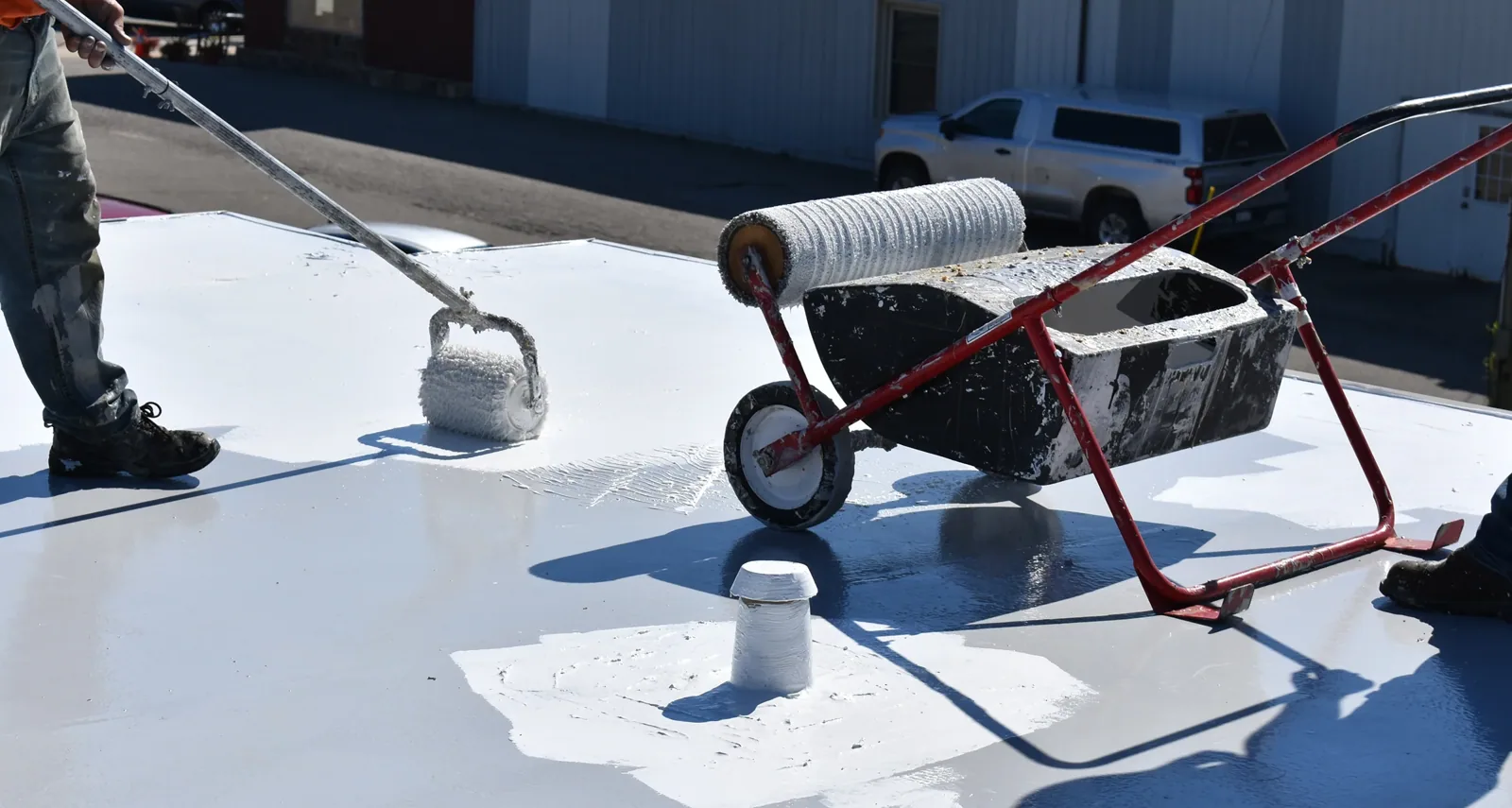
An acrylic roof coating is a liquid polymer in water. It is rolled or sprayed onto a prepared roof and dries into a flexible, reflective film. It bonds to metal, modified bitumen, BUR, EPDM, TPO and spray foam when the right primer is used. Typical systems apply two coats with fabric reinforcement at seams.
Compared with silicone, acrylic costs less, goes on easily and accepts future recoats of acrylic and other coatings. Its limit is standing water. A roof that holds water for days softens an acrylic film, and the film can blister or wash thin at the low spots. So the question is not just whether to coat. It is whether the roof drains.
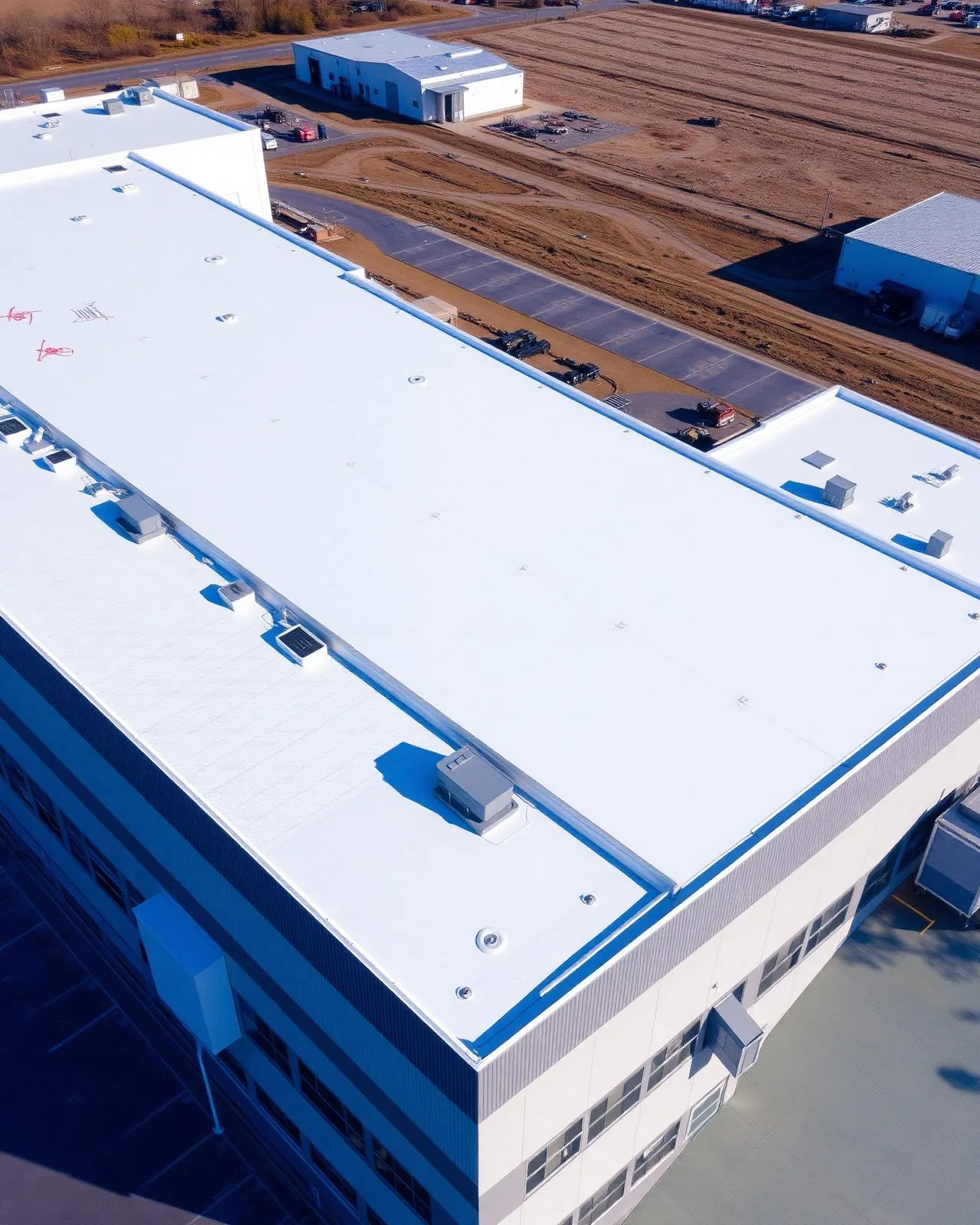
Reflectance and color follow the maker. White reflects most sunlight and holds snow a little longer than a dark roof. Tinted versions trade some reflectance for appearance. On a roof with solar panels or rooftop equipment, the white surface reflects heat toward the underside of units, and we note the effect. The color choice is shown with its effect on summer surface temperature and winter snow behavior.
Check drainage before the first coat
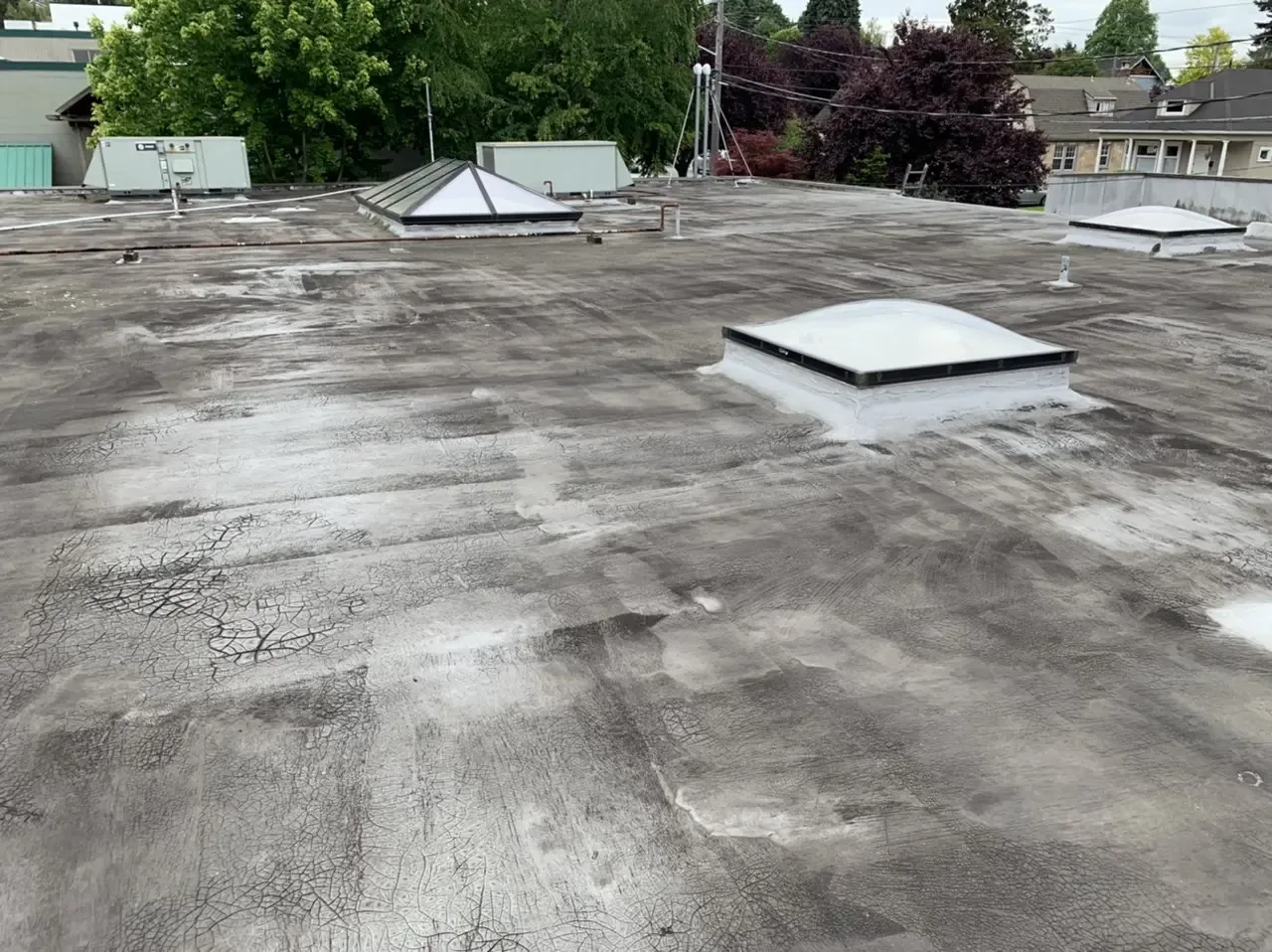
We map ponding before pricing. Ponded areas show as pale rings, grit and dirt in low spots and soft membrane. If water stays after a rain, acrylic will not hold there. The options are to fix the slope, add a drain, build up low spots with a patch or choose silicone for the whole roof.
Missoula's drains are tested hard. A 20-minute burst of rain in 2016 overwhelmed storm drains in central and south Missoula. The same lesson applies on the roof: a drain sump that is clogged turns a short storm into a pond. We clear sumps, test with water and check overflow routes. A drain and scupper tally goes in the file before the coating starts.
The roof's age also matters. Acrylic over a base sheet near the end of its life adds a year or two, not ten. We probe seams, check adhesion with a test patch and take a core sample, and the remaining life of the base goes beside the cost of the coat. A recover overlay or a replacement may cost more now and less per year of life.
Prepare the substrate
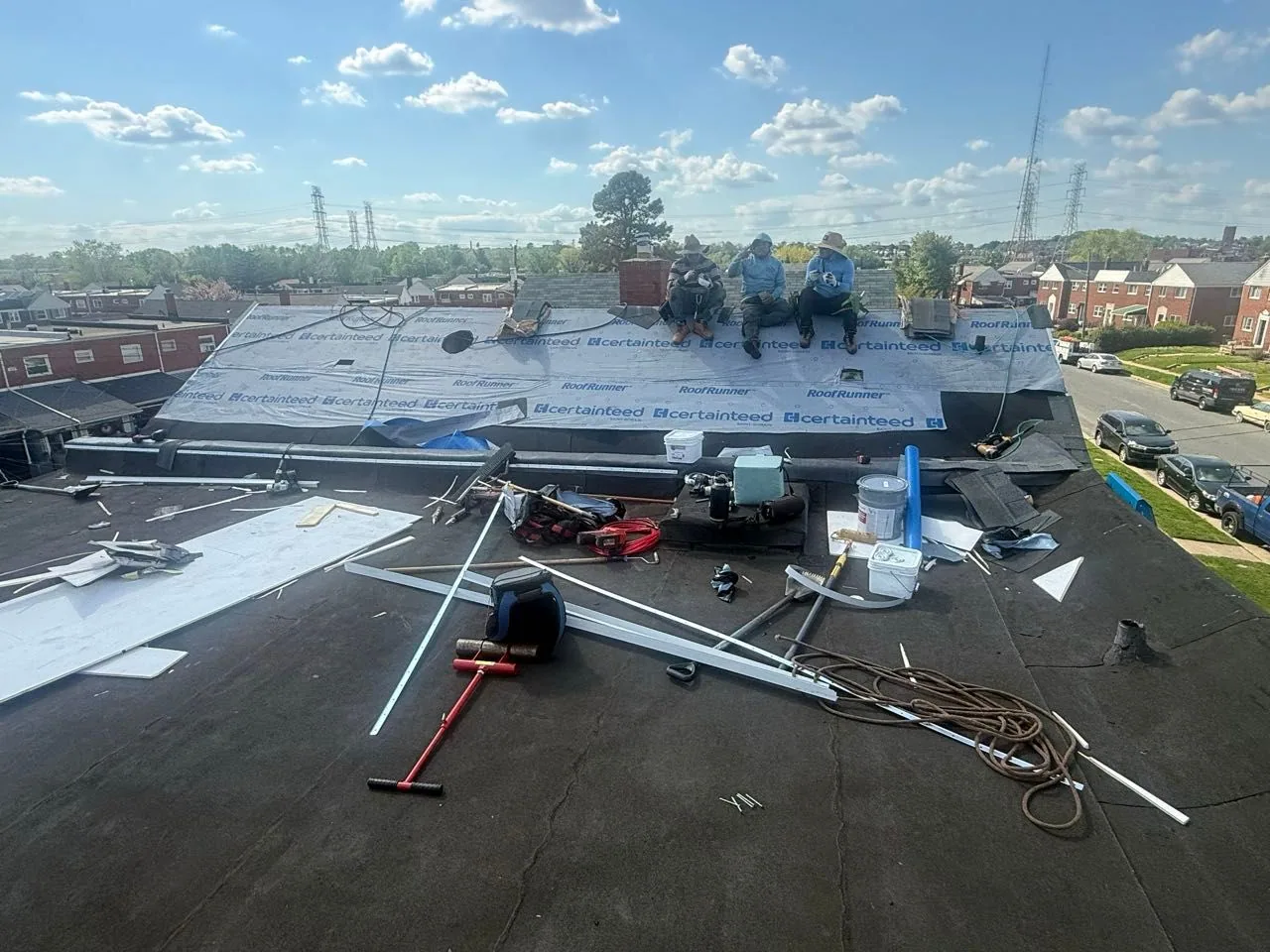
Preparation is most of the job. Wash the roof. Let it dry. Cut out blisters and wet areas. Repair seams, flashings and penetrations. Prime bare metal and rusted areas. Install reinforcing fabric at seams and details. The coating comes last.
Moisture is the test. We measure surface moisture with a meter and check the insulation with a scan. A coating over saturated insulation traps the moisture, and the first freeze lifts the film. With daily temperature swings of more than 30 F from late June through late September, the film also flexes constantly, so every detail underneath must be sound. Our coating restoration process puts each prep step on the schedule.
Rust and chalking on metal get extra time. Chalked paint is sanded or washed until a rub test leaves little residue. Rust is brushed to sound steel, treated and primed. Skipping this step is the common cause of early peeling, and the coating maker's warranty usually requires it. The bid lists prep as its own line, so two proposals can be compared on that point.
Plan around rain, frost and heat
Three weather limits shape the work. Rain within hours of application ruins the coat. Frost or temperatures below the maker's minimum stop the cure. High heat dries the surface too fast and traps water below it. Missoula sees about 24 days a year at or above 90 F, with a record of 107 F on June 30, 2021.
So we work in the middle of the day, in dry spells, with a margin before dusk. Each section is coated and left to set before the crew leaves. A cutoff date in autumn marks the last day coating can go on with a reasonable chance of cure. After it, the roof is repaired and left, and the coat waits for spring. That choice is cheaper than a failed film.
Dew deserves a note. A roof wet with dew in the morning must dry before coating, and the dew point can return in the evening. We stop early enough that the film has set before moisture returns. A moisture meter reading, not a guess, clears each section for work.
Verify the film
Acrylic protects as thickness allows. We calculate coverage by section, apply in measured passes, and take wet-film readings. After cure we check dry thickness at sample points. The numbers and photos go into the closeout file.
Edges, drains and curbs take extra film. Areas under foot traffic get a heavier build or walk pads. The silicone alternative is more forgiving of ponding, and where the drainage check shows trouble we price both. Retail roofs on the North Reserve Street corridor, where Costco, Lowe's and Walmart are among the big names, need the coating done in sections so customers and trucks keep moving.
Weigh the coating against the roof's age
A coating extends a sound roof. It does not make an old roof new. Against a metal retrofit or a full replacement, acrylic defers a larger cost at a lower price. The owner decides by remaining life, drainage, budget and the building's plans. Missoula County Public Schools, with about 1,450 employees, and the University of Montana, with 64 buildings on 220 acres, are employers whose roofs raise that comparison. We lay out coating, retrofit and replacement with prices, and the findings sheet gives the reasons. The laydown yard holds only a day's pails, and the weather window decides when the first section is coated.
Related Roofing Pages
Send the roof plan and the last drain record
Send the roof plan, the occupancy schedule and any record of ponding, so the drainage check, the cure window and the staging area can be mapped before any material is ordered.
Call 555-555-5555 or email [email protected].
Questions About Acrylic Roof Coatings
Can acrylic be applied in cool weather?
Only above the maker's minimum surface temperature, with no frost or moisture and enough warm hours to cure. Cold, damp mornings stop the work. Late autumn jobs carry risk, so we set a cutoff date.
Why is acrylic a poor fit for a roof that ponds?
Standing water softens the film and can blister it. Ponded areas need a slope fix, a drain or a different coating. Silicone tolerates standing water, and we price it as the alternative.
How long must the coating stay dry before rain is safe?
Cure time depends on temperature, humidity and thickness. The maker gives a rain-free period, and we schedule with a margin. If rain comes early, we stop and inspect the film.
Can acrylic be recoated?
Yes, usually with acrylic or another compatible coating after cleaning. That is an advantage over silicone. Recoating is planned from thickness readings taken at each visit.
What does fabric reinforcement do?
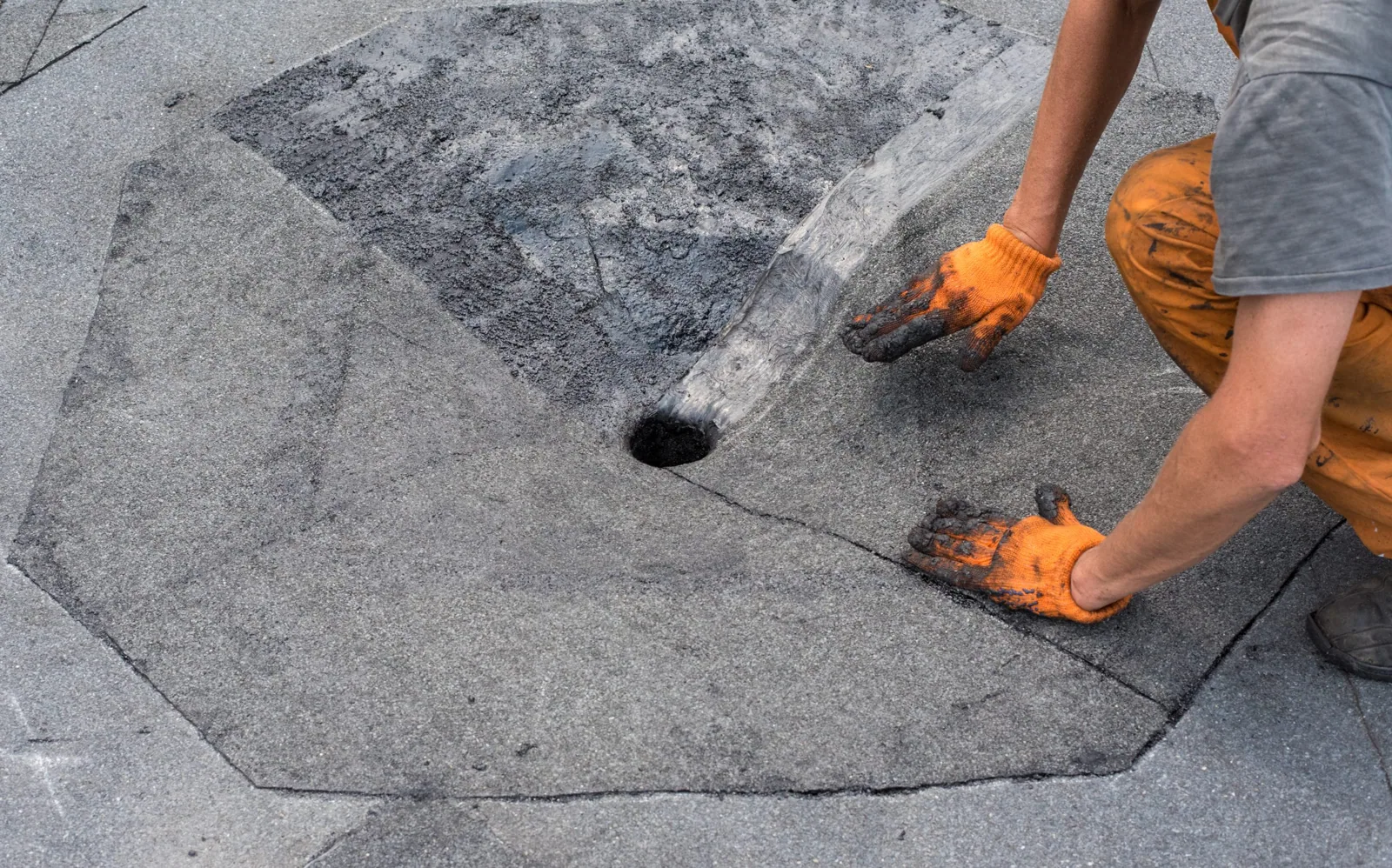
It bridges seams, cracks and details so the film does not split along them. We embed it in wet coating at laps, curbs and penetrations before the field coat.