
Senior Living Roofing in Missoula, MT
Senior Living Roofing
A senior living roof is replaced around the care schedule, and the care schedule is not negotiable. Meal times, medication rounds, rest periods and visiting hours set the hours when a crew can run loud equipment, and a resident who cannot sleep because of a tear-off overhead is a problem no roof warranty can fix. Before any material is ordered, we map the building by wing, floor and room, and we ask the administrator which hours are quiet. Four months of snow cover in Missoula, MT leave a narrow work season, and the order of work has to be right the first time.
We lay out senior living projects so the staff knows the plan a week ahead, the residents know it a day ahead and the crew knows it every morning. What breaks if the order is wrong is trust, and trust is slow to rebuild.
Find what fails first
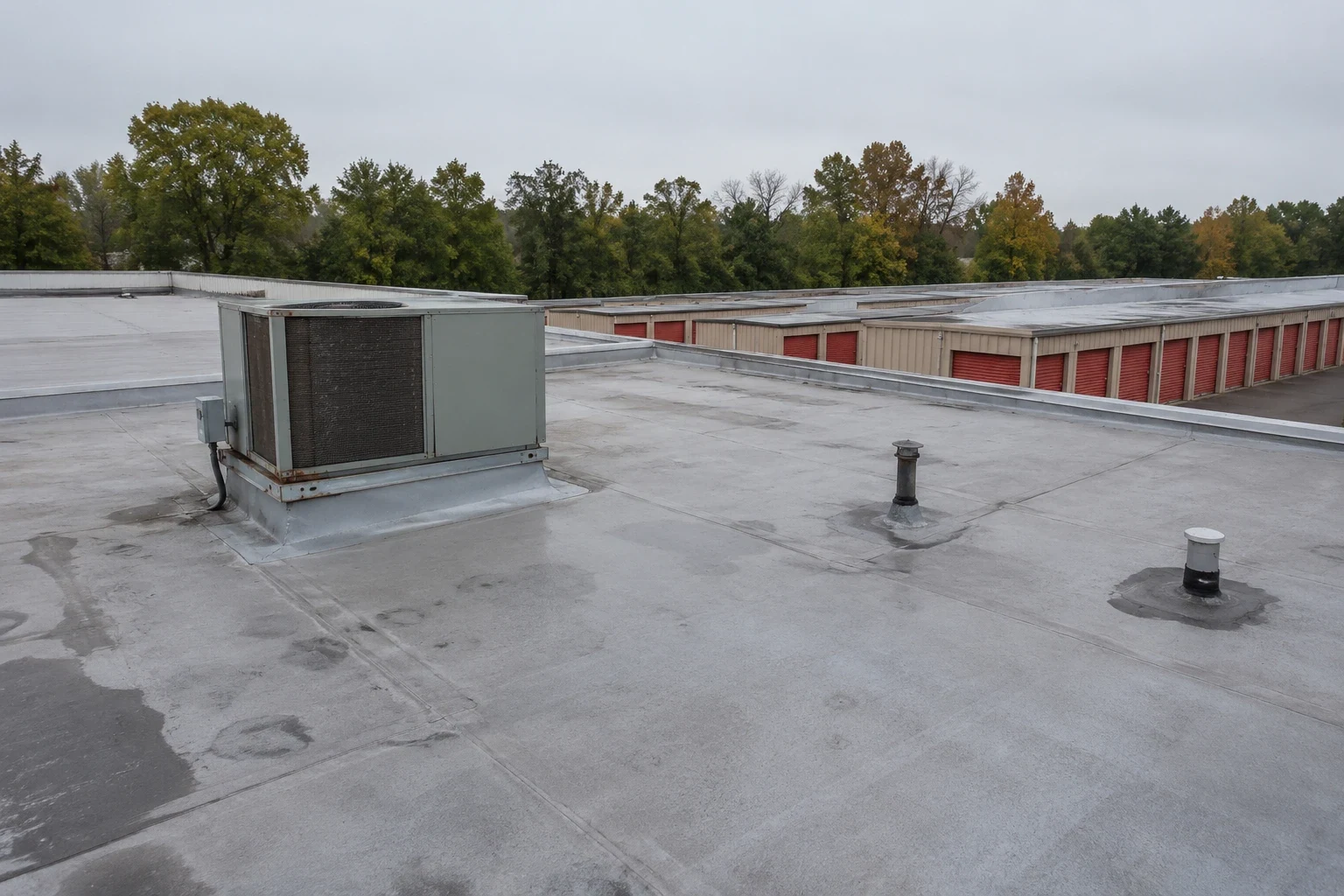
Senior communities are often built in phases, with independent living, assisted living and memory care wings added over the years. Each wing may have its own roof system, its own age and its own failure. The connecting corridors and covered walkways, which are easy to overlook, often have the most seams per square foot.
We walk each roof area separately. We probe flashings, check drain sumps, examine penetrations from kitchens, laundries and bathrooms and follow ceiling stains back to their source. Leaks over a resident room are urgent for reasons beyond comfort, since damp ceilings and mold affect health. The report ranks each finding by what it could do to a resident, then by cost, so the administrator funds the right items first. Kitchens and laundries in a care community run long hours, and their exhaust and moisture load on the roof is steady. We follow each duct to the roof, check the seal where it passes through and look for ice buildup near warm vents in winter. Those details sit near the top of the report because they fail often and are cheap to fix.
Schedule around the care day
The care day has a rhythm, and the roof crew has to fit it. We agree with the administrator on quiet hours and keep loud work to the middle of the day. Tear-off over a memory care wing gets extra planning, since sudden noise can distress residents with dementia. We may recommend a recover or a quieter method for such areas, if the existing layers allow it.
Staging sits away from entrances, the ambulance route and the loading dock used for deliveries. The crane pick happens early, before visiting hours begin. The crew dries in each section by day's end. Interior protection goes in below the work area, and staff are told which rooms are affected and for how long. The schedule is shared with the activity director so events can move if needed. Families also visit, and a notice at the front desk with the dates and hours keeps them informed. Contractors working in a community like this follow sign-in rules, badge rules and background-check rules set by the owner, and we put them in the scope so nobody learns a rule at the gate on the first morning.
Keep emergency and delivery routes clear
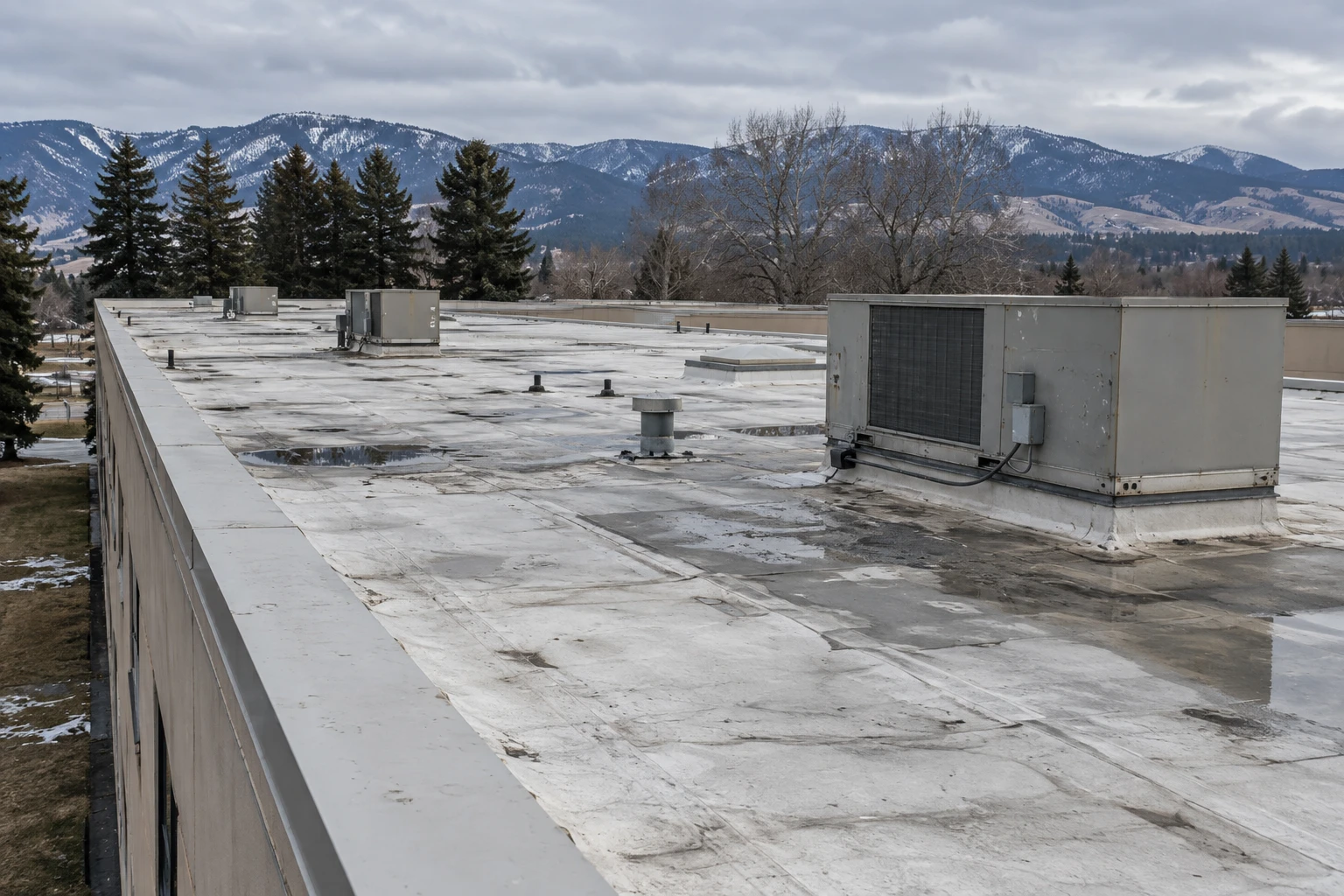
A senior community needs its emergency route open every minute of the day. Fire lanes, ambulance access and the paths for food and medication deliveries all stay clear. We mark the fall zones, post barricades and keep the laydown yard small. Anyone entering the site is told where to go.
The crew's trucks and equipment park away from resident parking and visitor spaces. Work vehicles do not block the front door. Hot work, such as torching, needs special approval and a fire watch, and many communities restrict it. We offer heat-welded, adhesive or self-adhered methods where open flame is not allowed, and the scope prices the difference. Dust and fumes need control as well. Adhesives and primers have odors, and air intakes near the work area are covered or shut down while the crew applies them. Staff are told which wings may notice an odor and when. Where a resident is sensitive, the administrator can ask for low-odor products, and the scope notes the effect on cost and cure time.
Plan for snow and thaw
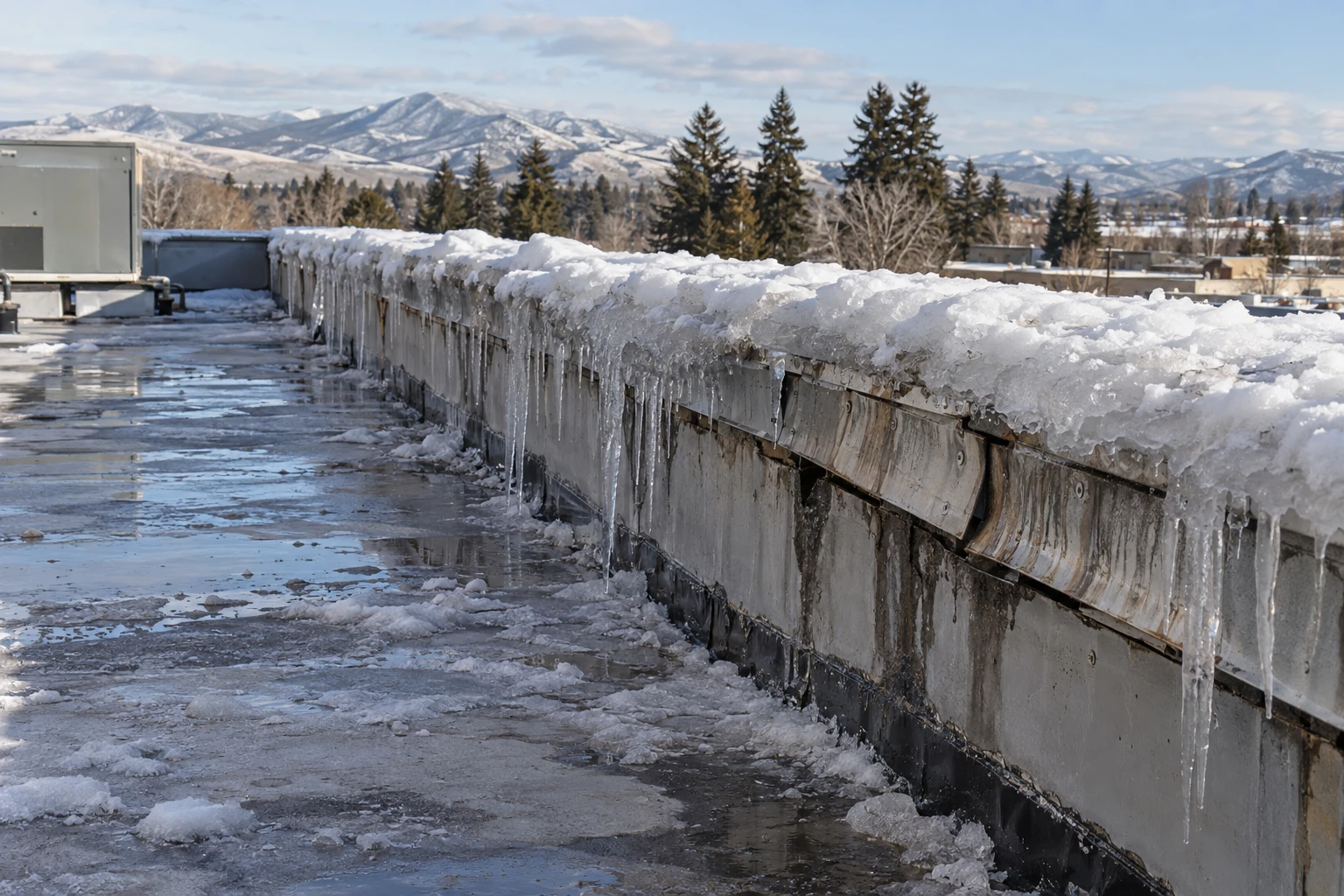
Snow averages about 39.5 inches a winter here, and the design ground load is set at 40 psf. Some 45 days a year never thaw at all. A senior living roof with several levels gathers drifts against upper walls, and meltwater has to leave through drains that work.
Ice at entrances is a fall hazard for residents who use walkers or wheelchairs. We check gutters, downspouts and snow guards over doors before the first storm. A roof drain that backs up in a thaw can send water into a ceiling below, which in a care setting means a room out of service. The fall walk covers every outlet, and a snow and ice damage repair done in October heads off a winter emergency. A community near the University District or out in Lolo gets its roofs walked for their own drift lines, and the plan follows what the walk shows.
Choose repair, recover or replacement
The walk sorts each wing into one of three groups. Failed details over dry layers call for repair. Dry insulation under a sound sheet may take a recover. Saturated insulation or a failing deck calls for replacement. We price each option and show the years it is expected to hold.
For an owner with several communities, one list ranks the roofs by remaining service. A building near the University District and one in Orchard Homes may need different answers in the same year. The method is the same used for an apartment building with residents in place, with added attention to care hours. A campus that includes a clinic follows the access and records rules of a public building roof.
Close out with the administrator
At closeout we walk the roof with the administrator and the maintenance lead. We test the drains, check every flashing and clear the punch list. Residents, staff and families get a short written notice that the work is done, with a number to call if anyone sees a stain or hears dripping in the first weeks. The roof file holds the system, the attachment, the photographs and a review date, and the first-winter walk is booked before the crew leaves. Visitors and families get a plain-language notice at the front desk as well.
Related Roofing Pages
Send the care schedule and the roof plan
Send the roof plan, the care schedule and the emergency route map, and we will map the phasing and the staging area before any material is ordered.
Call 555-555-5555 or email [email protected].
Questions About Senior Living Roofing
Can a senior living community stay fully occupied during a roof replacement?
Yes, with wing-by-wing phasing, interior protection and quiet-hour rules agreed in advance. Rooms below the active section may be moved if the administrator prefers.
How do you handle residents with dementia?
We plan loud work for the middle of the day, use quieter methods where possible and tell staff the schedule in advance. The administrator decides whether a memory care wing needs special timing.
Is open-flame work allowed?
Often not. Many communities prohibit torches, so we use heat-welded, adhesive or self-adhered methods and price the difference.
What about ice at the entrances?
We check gutters, downspouts and snow guards over doors before the first storm, because ice at an entrance is a fall risk for residents using walkers.
What should the administrator send to start?
The roof plan, the care schedule, the quiet hours and the emergency route map. Phasing and staging get mapped from that list.